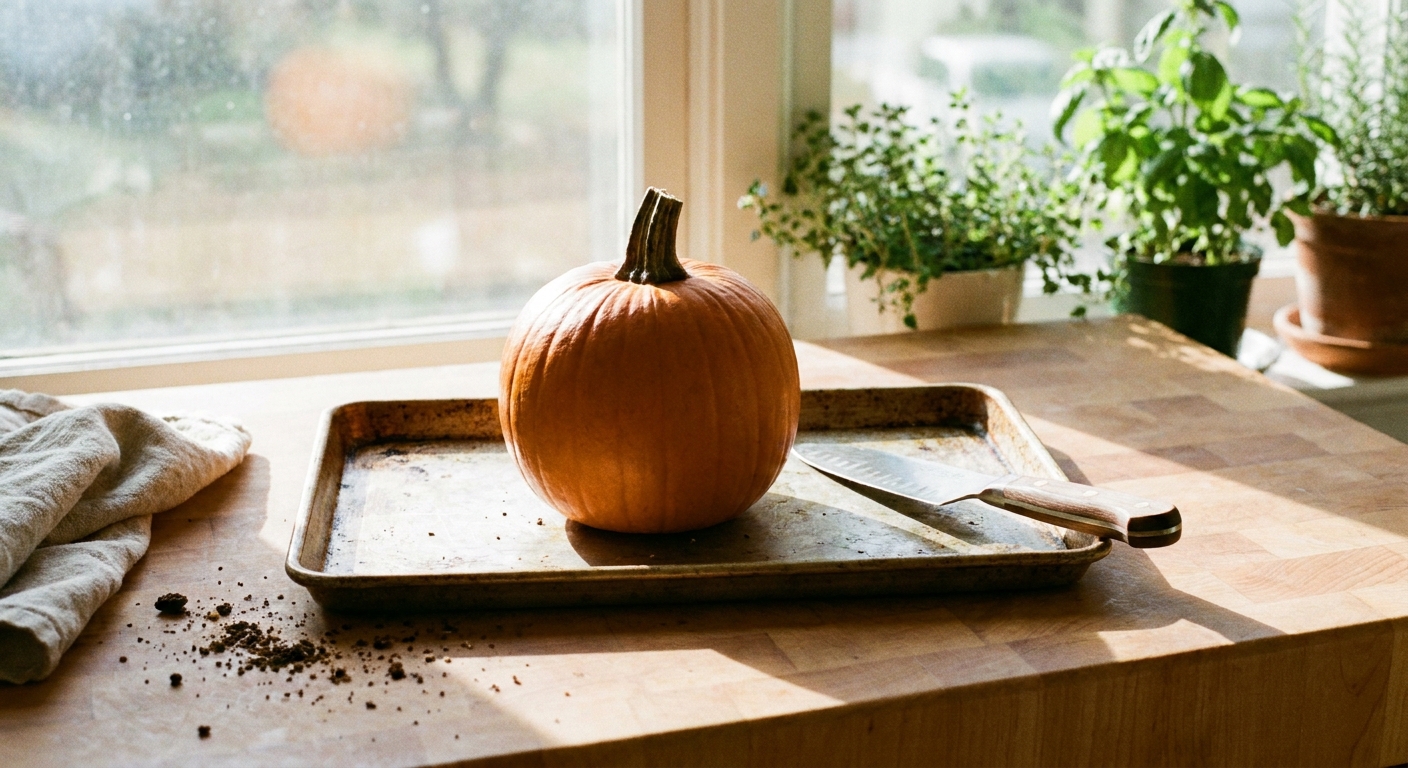

I love a shortcut as much as anyone. Canned pumpkin is reliable, consistent, and honestly a weeknight hero. But if you have a sweet little pie pumpkin on your counter, turning it into puree is one of those quietly satisfying kitchen projects that pays you back for weeks. The key is not just cooking the pumpkin and blending it. It is getting the puree thick enough that it behaves like canned pumpkin in baking.

This method gives you two paths: roasting for deeper flavor and less water, or steaming for speed and easy scooping. Either way, we finish by cooking the puree briefly to evaporate excess moisture, which is the step most tutorials skip. That one step is what keeps your pumpkin pies set, your quick breads tall, and your muffins tender instead of gummy.
Pick the right pumpkin
Look for a sugar pumpkin or pie pumpkin, usually 2 to 4 pounds. They are denser, sweeter, and less watery than big carving pumpkins. If the bin just says “pumpkin,” choose the smaller, heavier-for-its-size ones with firm skin and no soft spots.
Roasting vs steaming
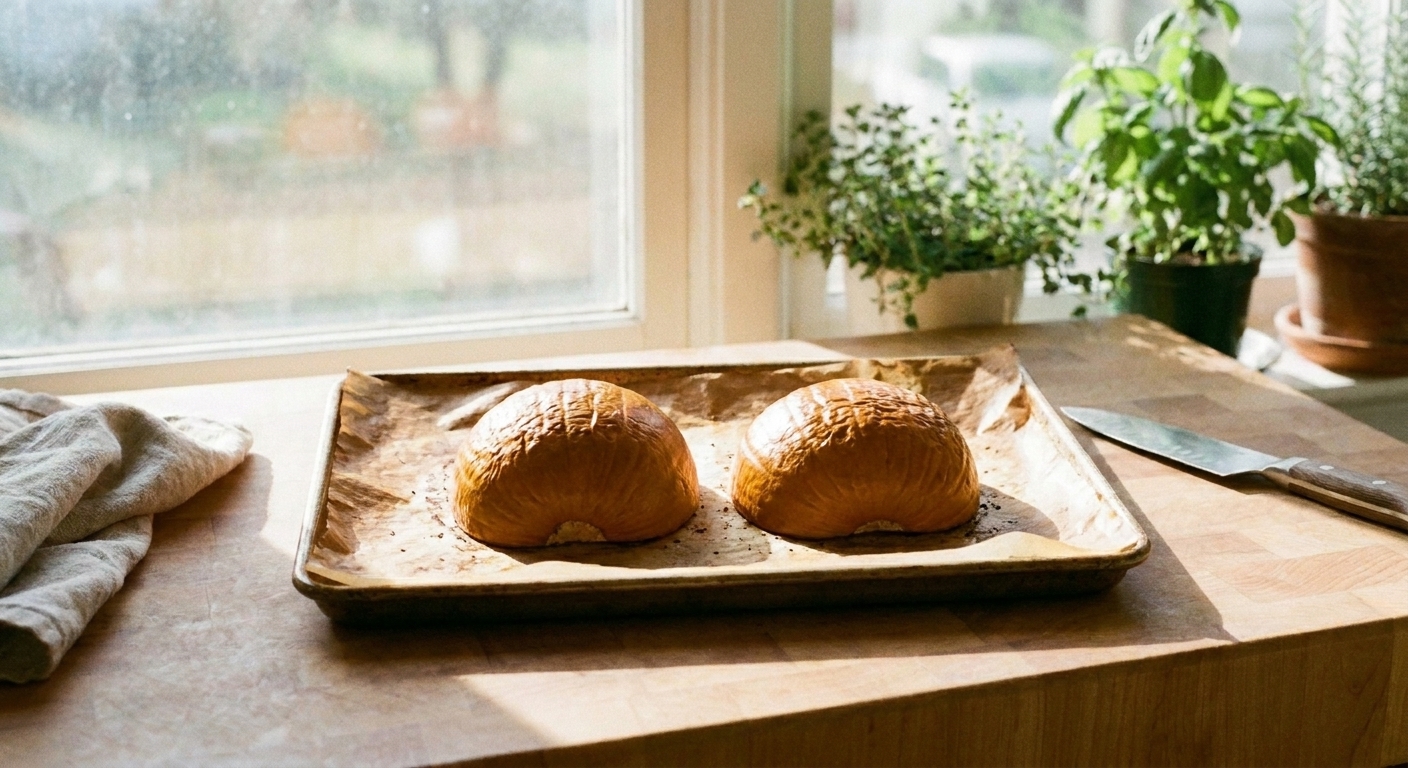
Roasting is my default. It concentrates flavor, drives off water early, and the puree usually needs less reducing at the end.
Steaming is great when you do not want to heat up the oven, or when your pumpkin is especially hard to cut. It can create a wetter puree, so plan on a longer reduction.
How thick should pumpkin puree be?
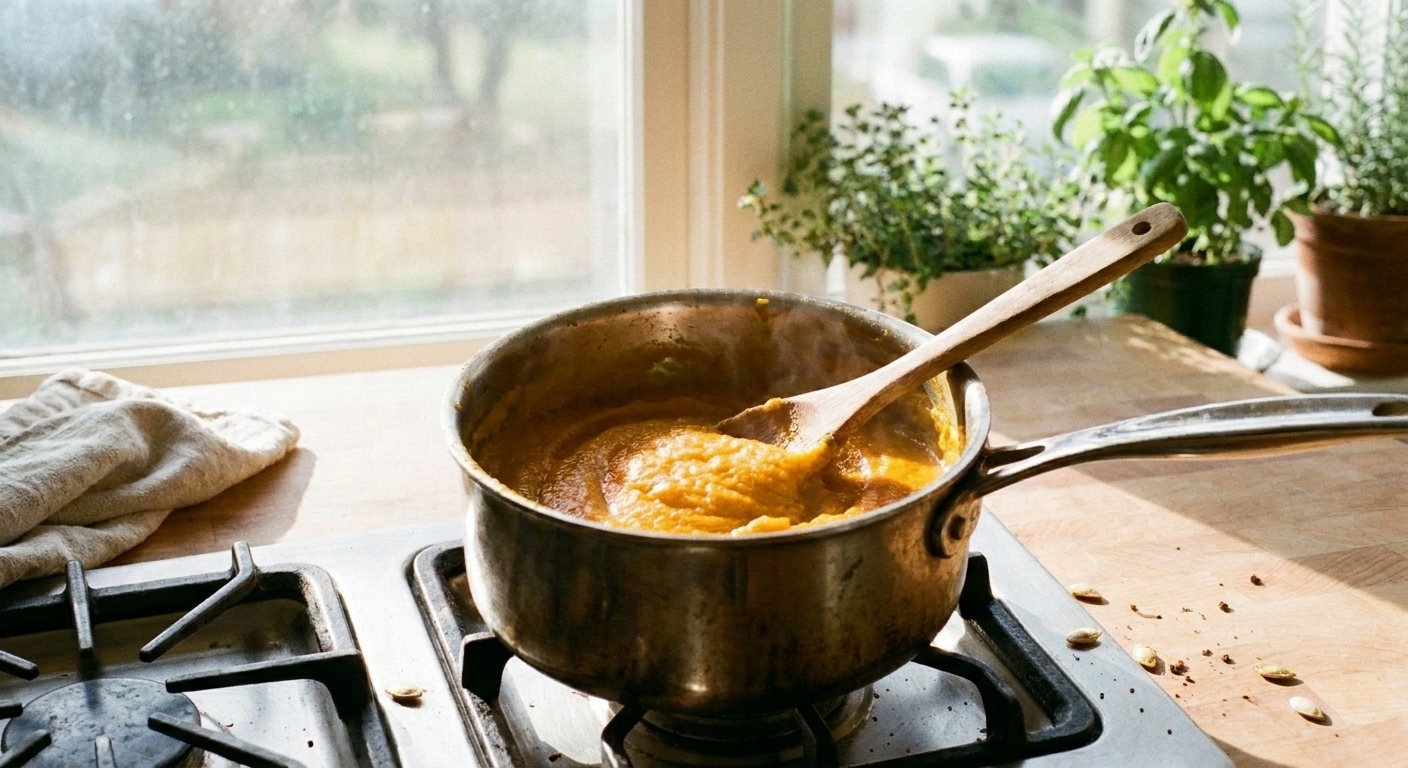
Think “canned pumpkin thick.” When you drag a spoon through it, the line should hold for a moment. If you spoon a mound onto a plate, it should sit up instead of slumping into a puddle.
If you want a quick visual cue, the puree should look matte, not glossy, and it should give a soft “plop” when stirred instead of flowing like soup.
Yield you can expect
Pumpkins vary a lot, but a good rule of thumb:
- 1 medium pie pumpkin (about 3 to 4 pounds) yields about 2 to 3 cups thick puree.
- That is roughly equal to one 15-ounce can (about 1 3/4 cups) plus a little extra, depending on moisture.
If you are baking and need an exact amount, measure by volume after reducing and cooling.
Freezing portions for baking
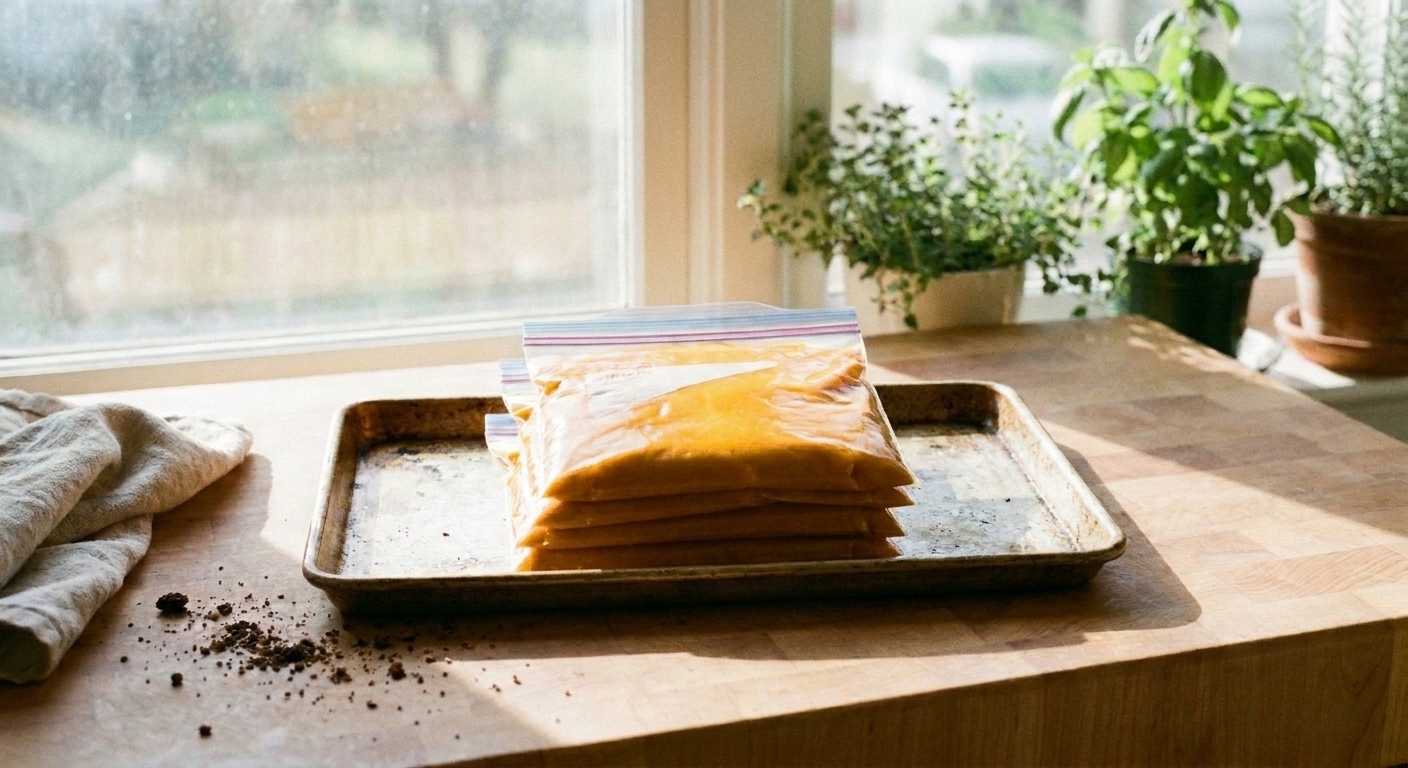
I am slightly obsessive about freezing puree in “future me will thank you” portions. For baking, I like:
- 1 3/4 cups portions for recipes written for a 15-ounce can
- 1 cup portions for quick breads and muffins
- 1/2 cup portions for pancakes, oatmeal, smoothies, or stirring into yogurt
Freeze the puree flat in zip-top bags for quick thawing, or use muffin tins to freeze pucks you can pop into a freezer bag.
Why this recipe works
- Roasting or steaming fully softens the flesh so it blends smooth without stringy bits.
- Reducing the puree on the stove evaporates extra water so it matches the thickness of canned pumpkin, which is crucial for consistent baking results.
- Blending while warm creates a silkier puree with less effort.
- Cooling before measuring and freezing prevents condensation and ice crystals that can make the puree watery later.
Ingredient notes
Pie pumpkin (sugar pumpkin)
Choose a pumpkin labeled pie or sugar. Carving pumpkins tend to be fibrous and bland. If your pumpkin feels very light for its size, it may be dry inside and yield less puree.
Salt (optional)
A pinch while reducing can nudge the flavor forward, especially if your pumpkin is mild. Keep it subtle if you are using the puree in desserts.
Water
Only needed for steaming. For roasting, skip adding liquid. Water is the enemy of thick puree, and we are working hard to remove it later.
Equipment you will need
- Chef’s knife and sturdy cutting board
- Rimmed baking sheet (for roasting) and parchment paper
- Large steamer basket and pot with lid (for steaming option)
- Spoon for scooping seeds
- Blender or food processor (an immersion blender also works)
- Fine-mesh sieve or cheesecloth (optional for extra watery pumpkins)
- Saucepan or wide skillet for reducing
- Rubber spatula
Pro tips
- Microwave to make cutting safer: If your pumpkin is rock-hard, microwave it whole for 2 to 3 minutes to soften the skin just enough to cut more easily. Let it cool briefly before slicing.
- Roast cut-side down: This traps steam, helps the flesh cook evenly, and keeps the surface from drying into leathery patches.
- Blend first, reduce second: Puree the flesh before you cook off water. It evaporates faster and more evenly when the texture is already smooth.
- Use a wide pan for reducing: More surface area equals faster evaporation and less time at the stove.
- Cool completely before bagging: Warm puree sweats in the bag, creating water separation after thawing.
Substitutes that work
- Butternut squash: A great stand-in if you cannot find pie pumpkins. Roast and puree the same way, then reduce if needed. The flavor is slightly sweeter and nuttier.
- Kabocha squash: Dense and naturally less watery. You may need very little reducing, but blending can take a bit more work.
- No blender: Mash thoroughly with a potato masher, then press through a fine-mesh sieve for a smoother texture. It will not be quite as silky, but it bakes well once reduced.
Variations
Extra-rich roasted flavor
Roast the pumpkin until the edges caramelize and the skin looks slightly wrinkled. Deeper browning equals deeper flavor.
Ultra-smooth puree
After blending, pass the puree through a fine-mesh sieve with a spatula. This is optional, but it gives you that baby-food-smooth texture that makes custards especially silky later.
Low-waste pumpkin seeds
Rinse, pat dry, toss with a little oil and salt, and roast until crisp. It is the easiest “bonus snack” while you are already using the oven.
Serving ideas
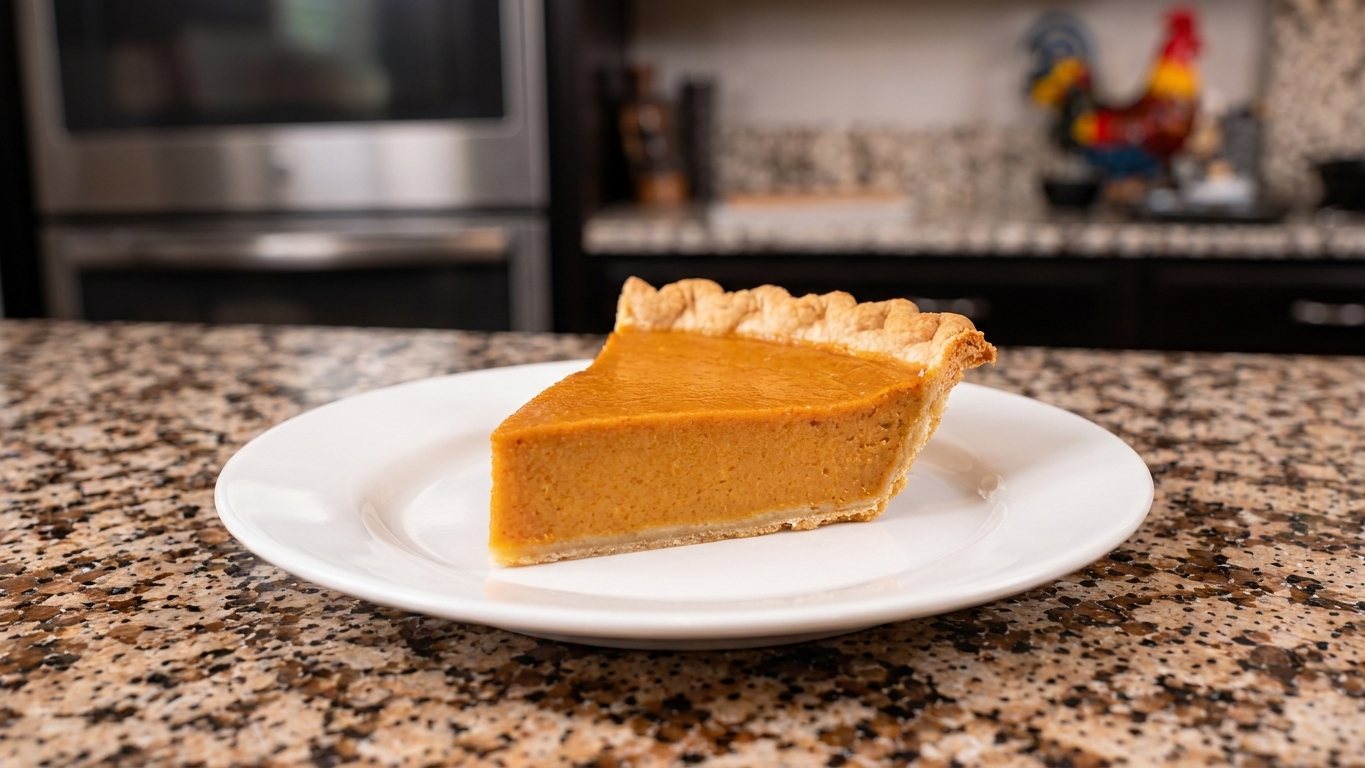
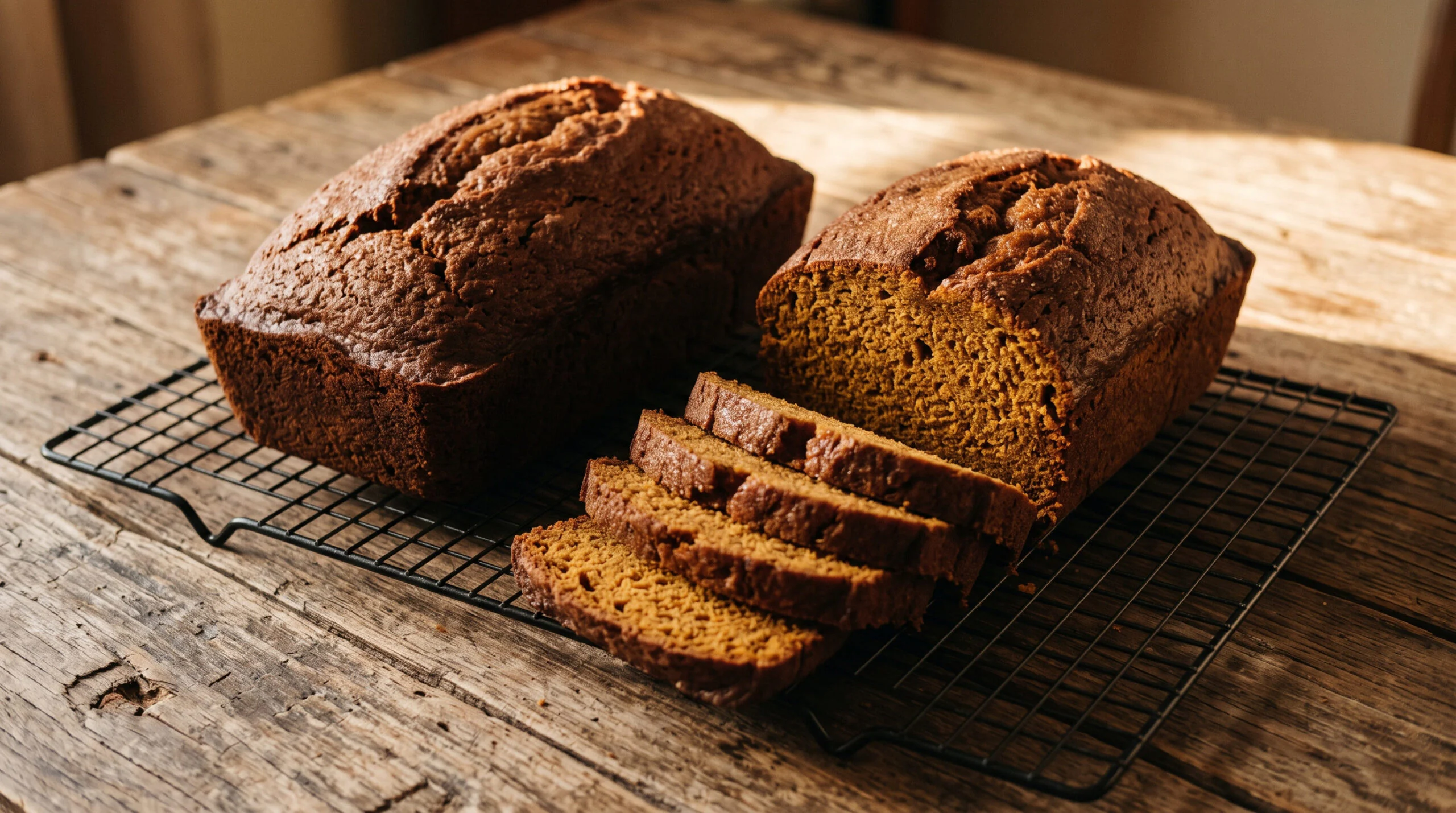
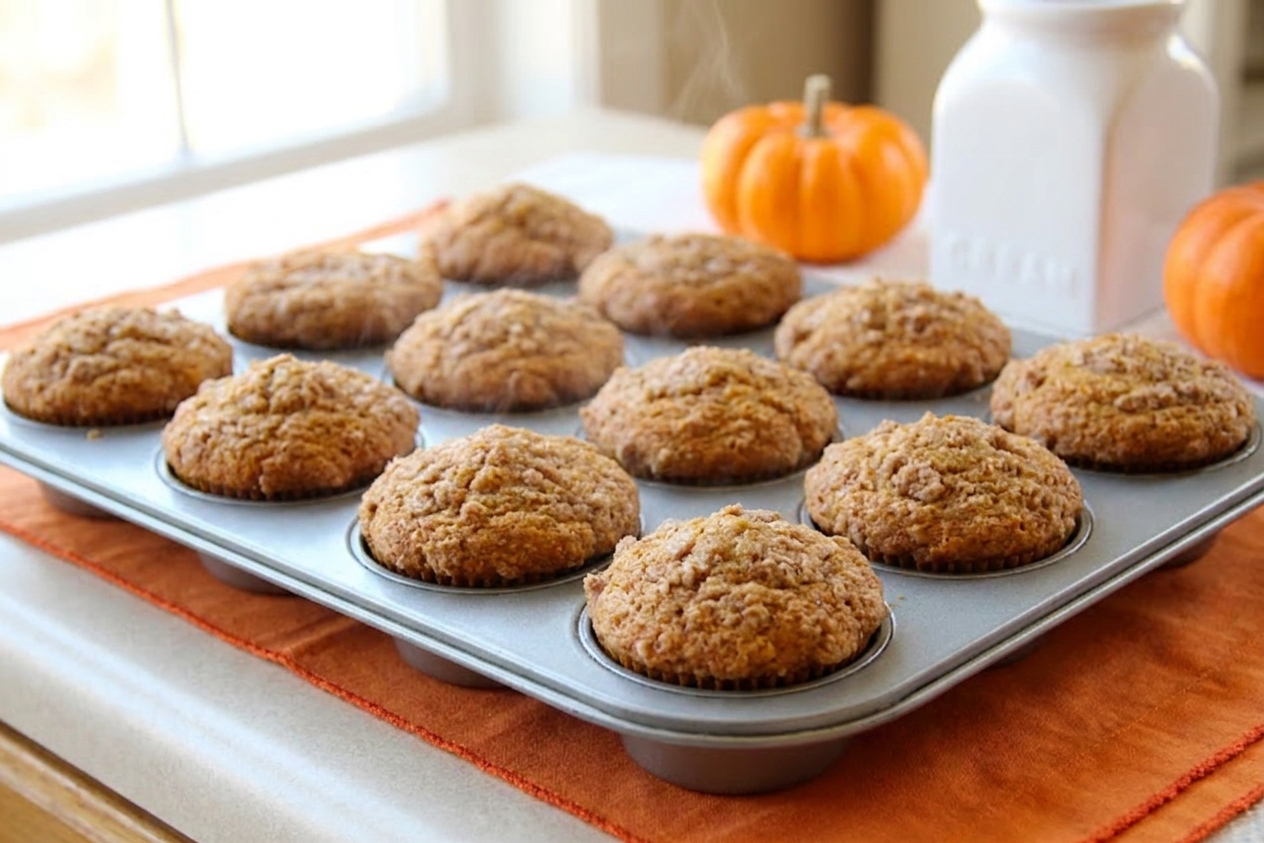
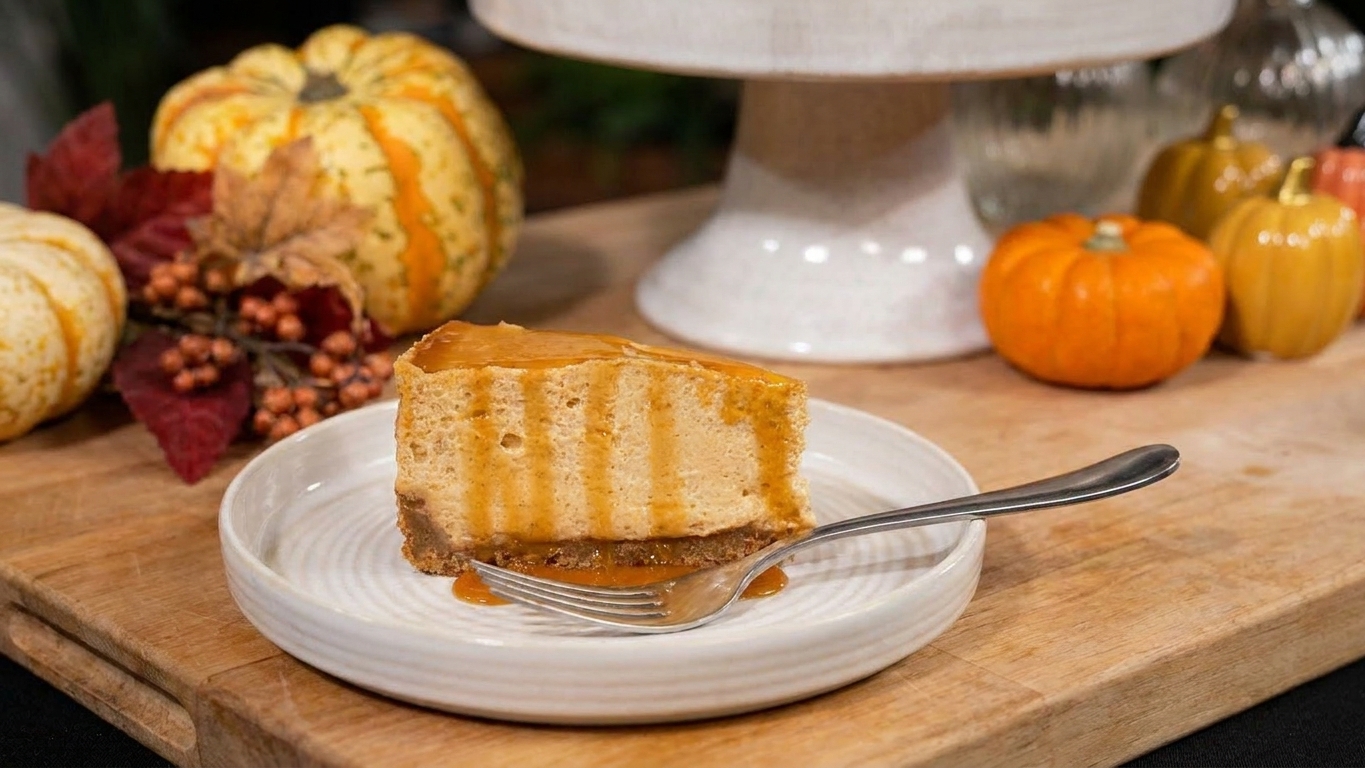
- Swap for canned pumpkin in pies, pumpkin bread, muffins, rolls, pancakes, and cheesecake.
- Stir into oatmeal with brown sugar and cinnamon.
- Blend into smoothies with banana, yogurt, and a pinch of salt.
- Fold into mac and cheese or a creamy pasta sauce with sage for a savory twist.
Storage and reheating
Refrigerator
Store cooled pumpkin puree in an airtight container for up to 5 days. If you see water pooling on top, simply stir it back in, or pour it off and reduce briefly if you need a thicker puree for baking.
Freezer
Freeze for up to 3 months for best flavor. (It is often fine longer, but the taste dulls over time.) Freeze in measured portions so you can thaw exactly what you need.
Thawing
Thaw overnight in the fridge, or place a sealed bag in a bowl of cold water for faster thawing. If the puree separates, stir well. If it seems loose, simmer for a few minutes to re-thicken.
Common mistakes
- Using a carving pumpkin: You can do it, but the puree is usually watery and bland. Pie pumpkins make the work worth it.
- Skipping the reduction: This is the big one. Fresh puree often contains more water than canned, which can throw off baking texture and set.
- Not cooking the pumpkin until truly soft: If your spoon meets resistance, keep cooking. Undercooked pumpkin makes lumpy puree.
- Measuring before cooling: Warm puree steams and can seem thicker than it will be once cooled. Cool, then judge thickness.
- Freezing in one big container: It takes forever to thaw and encourages waste. Portion first.
FAQ
Do I need to peel the pumpkin first?
No. Roast or steam with the skin on, then scoop the flesh away. It is safer, faster, and less messy.
Why is my fresh pumpkin puree watery?
Pumpkins vary in water content. Blend the cooked flesh, then reduce it in a saucepan over medium to medium-low heat, stirring often, until thick. If it is extremely watery, drain in a fine-mesh sieve for 15 to 30 minutes first, then reduce.
How do I make it the same thickness as canned pumpkin?
Reduce it on the stove until it looks matte and holds ridges when stirred. For most pumpkins, 10 to 20 minutes of gentle simmering in a wide pan does the trick, but trust the visual cues over the clock.
Is canned pumpkin actually pumpkin?
Yes. In the US, “canned pumpkin” is cooked, pureed winter squash, often a variety that is similar to pumpkin and bred for consistency and color. Homemade puree tastes fresher and can be a little lighter in color, but it needs that thickening step to bake similarly.
Can I use this puree for pie?
Yes, as long as you reduce it until thick like canned pumpkin. Stop once it is dense and spoonable. You are done before mixing any custard filling.
Pumpkin Puree from Fresh Pumpkin
Roast or steam a pie pumpkin, blend the flesh, then reduce it on the stove until thick like canned pumpkin. This gives you bake-ready pumpkin puree that freezes beautifully in measured portions.
- Prep
- 15 minutes
- Cook
- 60 minutes
- Total
- 1 hour 15 minutes
- Yield
- About 2 to 3 cups pumpkin puree
Ingredients
- 1 pie pumpkin (sugar pumpkin), about 3 to 4 pounds
- Water, for steaming option (about 1 to 2 inches for the pot)
- Pinch of fine salt, optional (especially helpful if using the puree in savory dishes)
Instructions
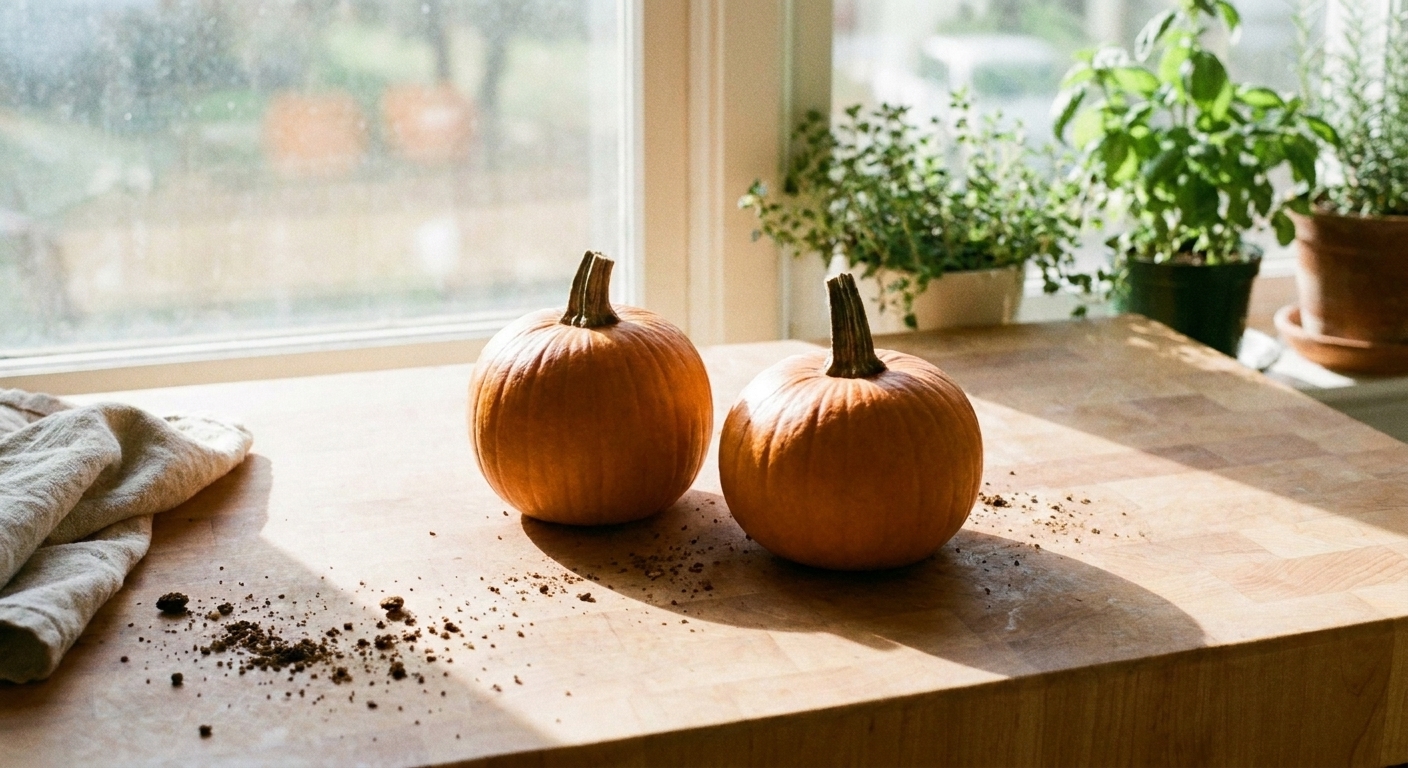
- Prep the pumpkin. Heat the oven to 400°F (for roasting option). Rinse and dry the pumpkin. On a sturdy cutting board, cut off the stem end if needed for stability, then cut the pumpkin in half from top to bottom. Scoop out seeds and stringy pulp with a spoon.
- Option A: Roast. Place the pumpkin halves cut-side down on a parchment-lined rimmed baking sheet. Roast until the flesh is very tender and a knife slides in easily, 40 to 60 minutes depending on size. Cool until safe to handle.
- Option B: Steam. Cut the pumpkin halves into large wedges that fit your pot. Add 1 to 2 inches of water to a pot and insert a steamer basket. Arrange pumpkin pieces in the basket, cover, and steam until very tender, 20 to 35 minutes. Cool until safe to handle.
- Scoop the flesh. Use a large spoon to scrape the pumpkin flesh away from the skin into a bowl. Discard skins.
- Blend until smooth. Transfer the cooked flesh to a blender or food processor and blend until completely smooth, scraping down as needed. If you are using an immersion blender, blend in a deep bowl or pot.
- Reduce to thicken. Transfer the puree to a wide saucepan or skillet. Cook over medium to medium-low heat, stirring often with a spatula to prevent scorching, until the puree is thick like canned pumpkin. Look for a matte appearance and ridges that hold briefly when you drag a spoon through it, 10 to 20 minutes (sometimes longer for very watery pumpkins). Season with a tiny pinch of salt if desired.
- Cool. Spread the puree in a shallow container to cool faster, or let it cool in the pan off the heat. For the most accurate thickness, let it cool to room temperature before deciding if it needs a few more minutes of reducing.
- Portion and store. Refrigerate in an airtight container up to 5 days, or freeze up to 3 months. For baking, portion into 1 3/4-cup amounts to mimic one 15-ounce can, or freeze in 1-cup and 1/2-cup portions for quick breads and muffins.
Notes
Yield note: A 3 to 4 pound pie pumpkin typically yields 2 to 3 cups thick puree, but size and water content vary. Measure after reducing and cooling for best results.
If your puree is extremely watery: Drain it in a fine-mesh sieve for 15 to 30 minutes first, then reduce on the stove.
Flavor tip: Roasting usually tastes deeper and needs less reducing than steaming.