Vanilla syrup is one of those small kitchen habits that makes everything feel a little more cared-for, even on a Tuesday. It takes about 10 minutes, uses ingredients you likely already have, and instantly upgrades coffee, iced lattes, matcha, pancakes, fruit, and cocktails. The big win: you control the sweetness and the vanilla intensity, and you can make just enough to use up a lonely vanilla bean or that half bottle of vanilla extract.
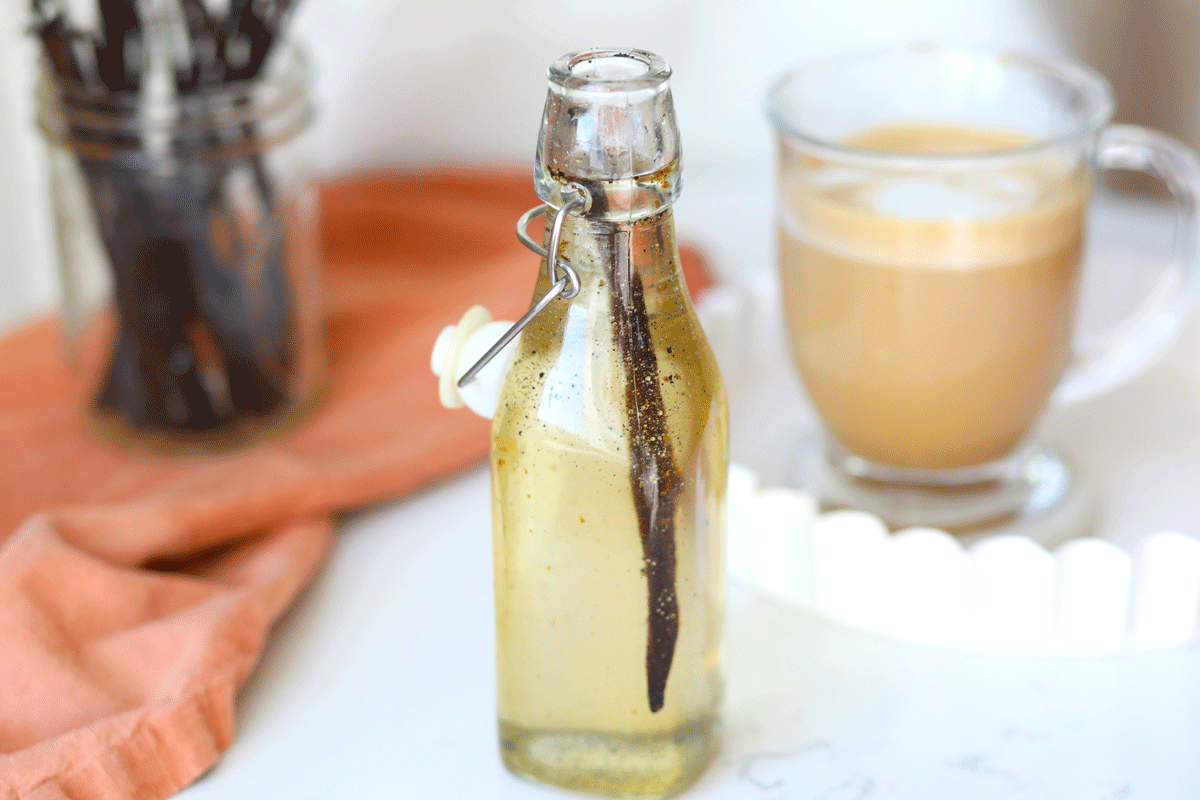
Vanilla syrup is a simple syrup (sugar dissolved in water) flavored with vanilla. Think of it as liquid sweetener that mixes smoothly into cold and hot drinks without the gritty sugar-at-the-bottom problem. You can make it with vanilla extract, vanilla paste, or a vanilla bean, depending on what you have and how fancy you want the flavor to be.
Why this recipe works
- It dissolves completely: Turning sugar into syrup means it mixes smoothly into hot and cold drinks without leaving gritty sugar at the bottom.
- Gentle heat preserves flavor: Heating just until dissolved (and adding vanilla off heat) keeps the vanilla tasting fresh rather than cooked.
- Flexible strength and sweetness: You can control the sweetness and vanilla intensity, and scale the batch up or down easily.
- Choose your ratio: A 1:1 syrup is light and pourable; a 2:1 rich syrup is thicker, sweeter, and tends to keep longer when handled cleanly.
Ingredient notes
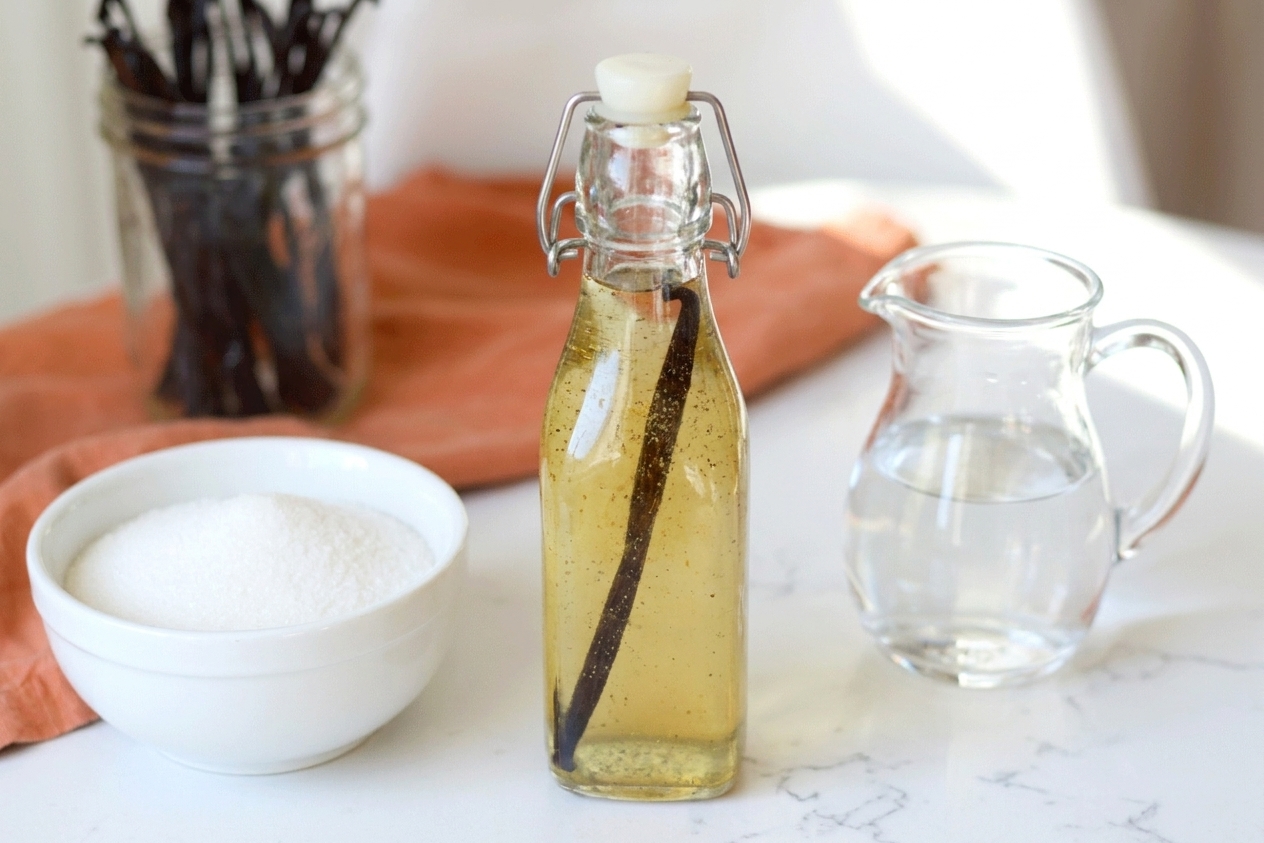
- Sugar: Granulated sugar is the classic. Use it for the cleanest flavor and clearest syrup.
- Water: Plain tap water is fine. Filtered water can help the flavor taste extra crisp.
- Vanilla: Choose one: pure vanilla extract (easiest), vanilla bean paste (strong and speckled), or a whole vanilla bean (deepest aroma).
- Optional pinch of salt: Tiny, but it sharpens the vanilla and keeps the sweetness from tasting flat.
Equipment you will need
- Small saucepan: For dissolving the sugar and warming the syrup.
- Spoon or whisk: To stir until fully dissolved.
- Very clean jar or bottle: For storing in the refrigerator (dishwasher-clean, or hot-rinsed and thoroughly dried).
- Optional: Fine-mesh strainer (if using vanilla bean or paste and you prefer it perfectly smooth).
- Optional: Ice cube tray and freezer bag (for freezing syrup in cubes).
Pro tips
- Stop at dissolved, not boiled: Once the syrup is clear, remove it from the heat. If it simmers for a minute, that is fine. A hard boil reduces water, making a thicker syrup that can crystallize sooner.
- Add extracts off heat: Stir in vanilla extract (and salt, if using) after removing from the heat to keep the vanilla tasting fresh.
- Look for visual cues: You want a clear liquid with no visible grains when you swirl the pan.
- Start small, then adjust: For drinks, start with 1 to 2 teaspoons per 8-ounce drink, then adjust. For a sweeter cafe-style drink, use 1 tablespoon per 8 ounces.
- Keep it clean: Pour rather than dipping spoons in to reduce contamination and extend freshness.
Substitutes that work
- Vanilla extract vs imitation: Pure extract tastes cleaner. Imitation works in a pinch (especially for coffee drinks), but start with a little less and adjust.
- Vanilla bean paste: Swap for extract for a stronger flavor with specks; a little sediment is normal.
- Whole vanilla bean: Use for deepest aroma; steep after dissolving and strain if you want it smooth.
- Alternative sweeteners: Coconut sugar and brown sugar work (darker, more caramel). Liquid sweeteners like maple syrup can be used, but the result is more maple-vanilla than true vanilla syrup.
- Sugar-free: Non-sugar sweeteners behave differently and can recrystallize or taste bitter when heated. Look for one labeled for syrups and follow package guidance.
Variations
Think of vanilla syrup as a base. Keep the technique the same and swap in extras.
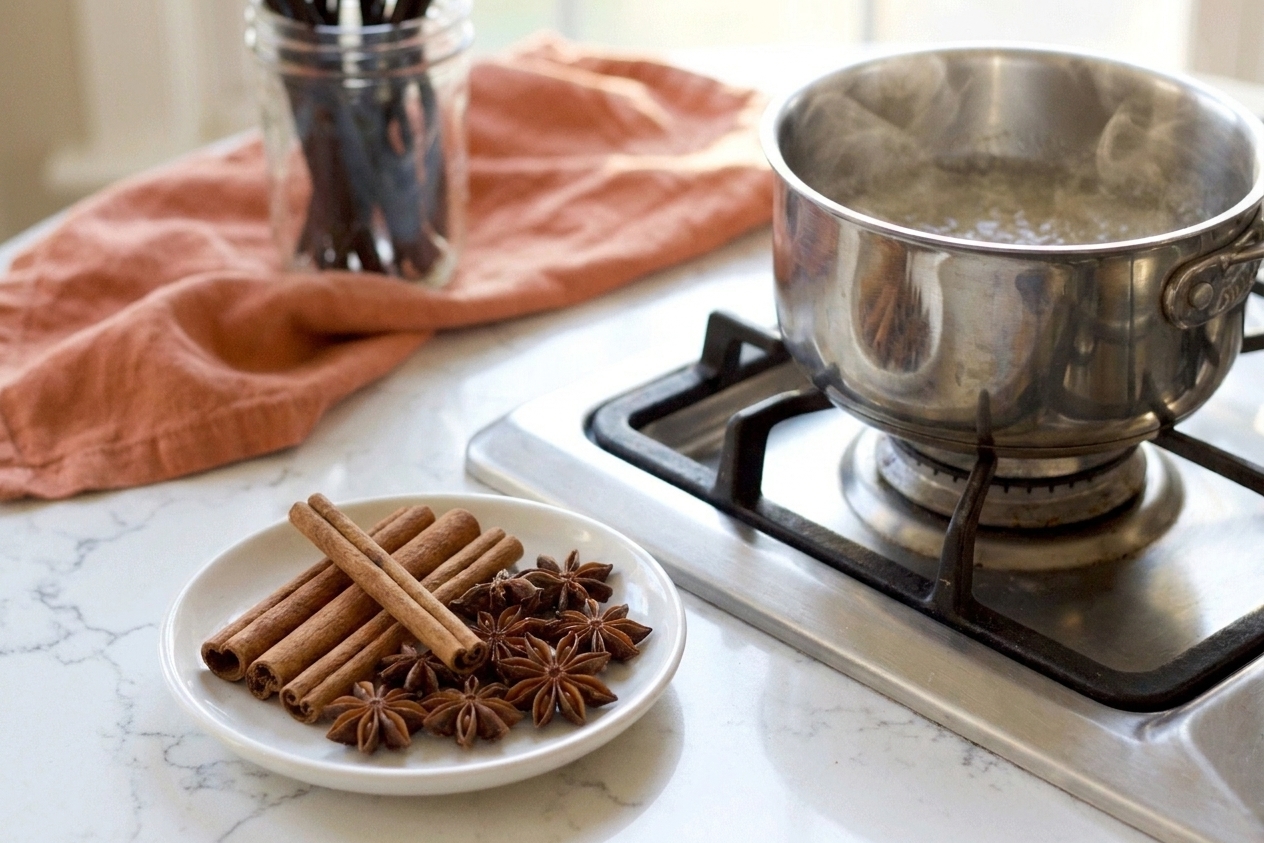
- Vanilla cinnamon: Add 1 to 2 cinnamon sticks while the syrup warms. Steep 20 minutes, then remove.
- Vanilla honey: Replace up to 1/3 of the sugar with honey. Warm gently to dissolve.
- Vanilla brown sugar: Use light brown sugar for caramel notes. Expect a darker syrup and a slightly molasses finish.
- Vanilla citrus: Add 2 wide strips of orange peel (no white pith) while heating, then steep 15 minutes.
- Vanilla almond: Add 1/8 teaspoon almond extract along with vanilla. Tiny amount, big payoff.
Rule of thumb: Add spices and peels during heating or steeping. Add extracts off heat.
Serving ideas
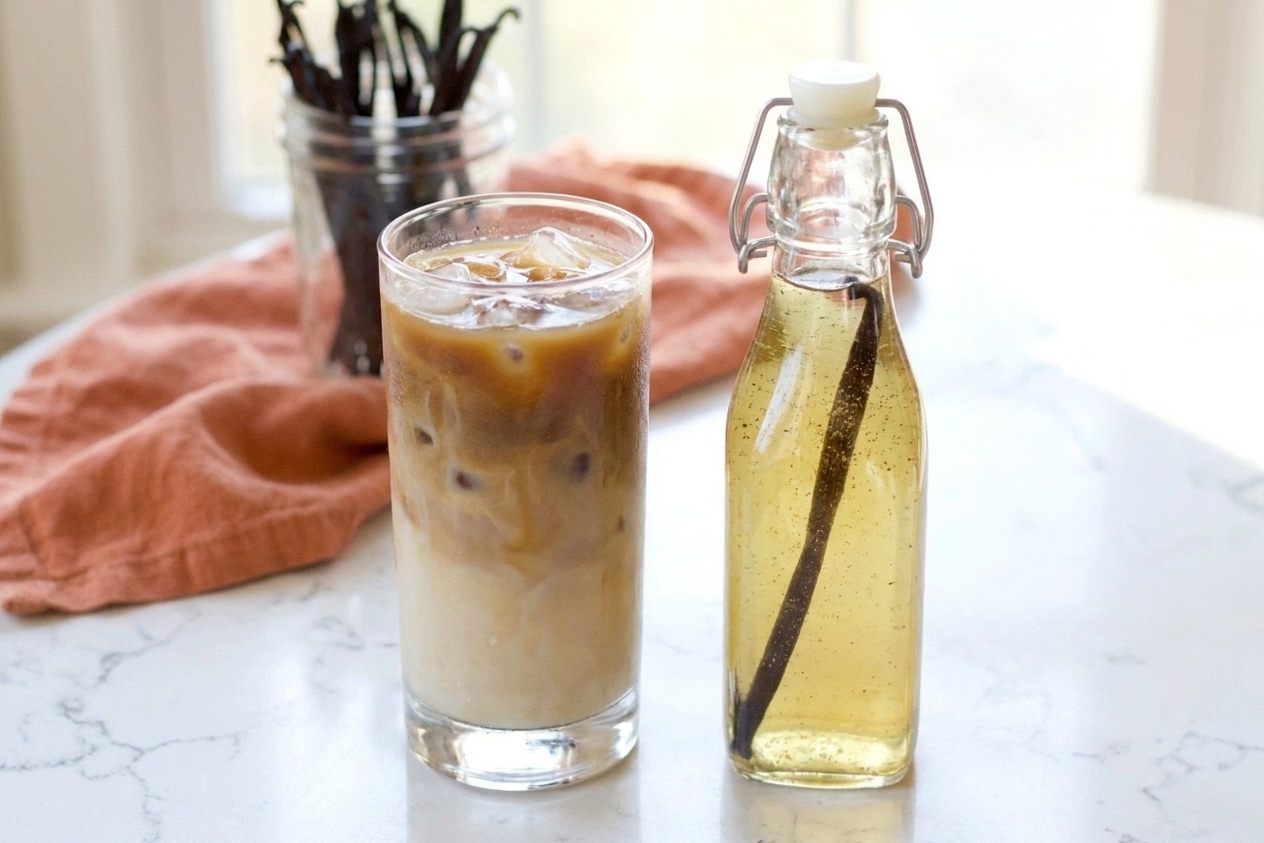
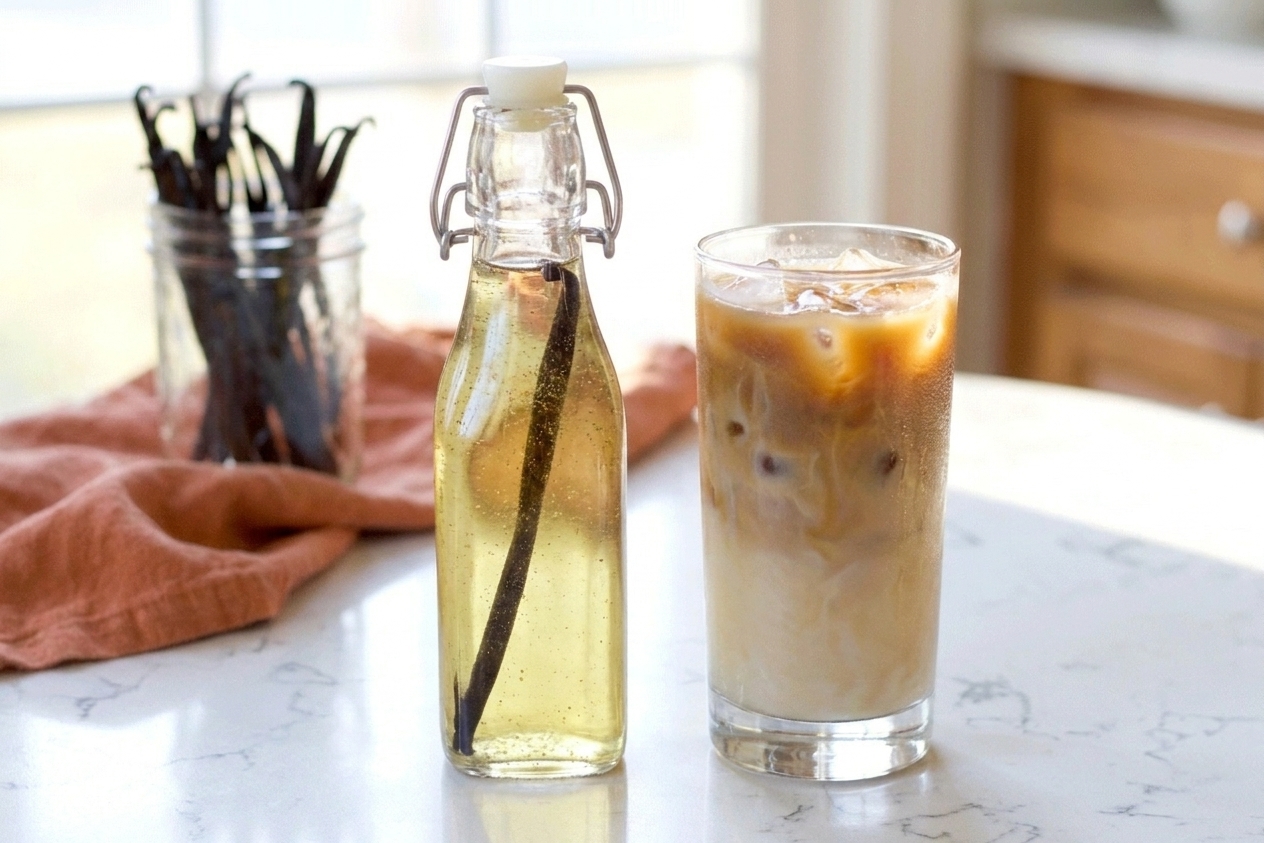
- Coffee and espresso: Lattes, cold brew, iced coffee, shaken espresso.
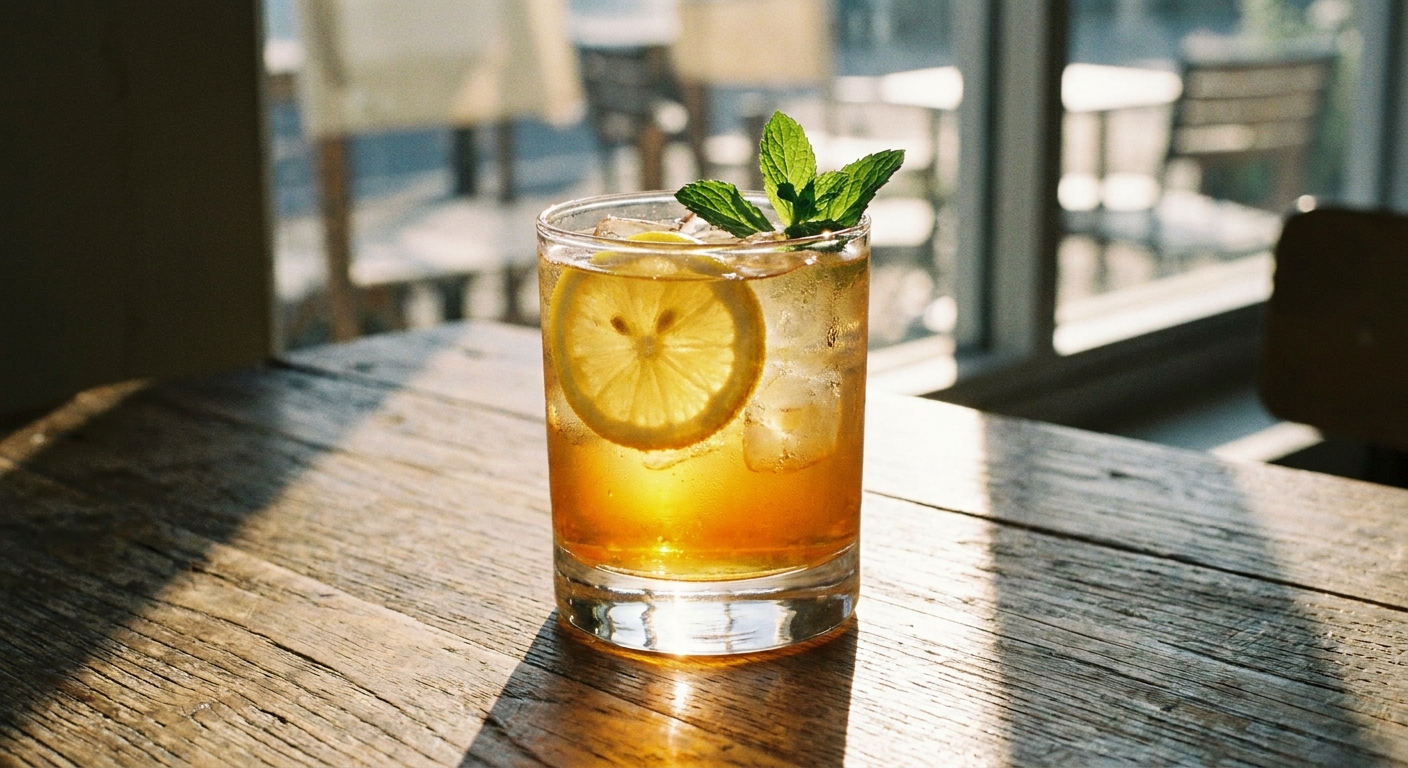
- Tea and matcha: Especially iced black tea, chai, matcha lattes.
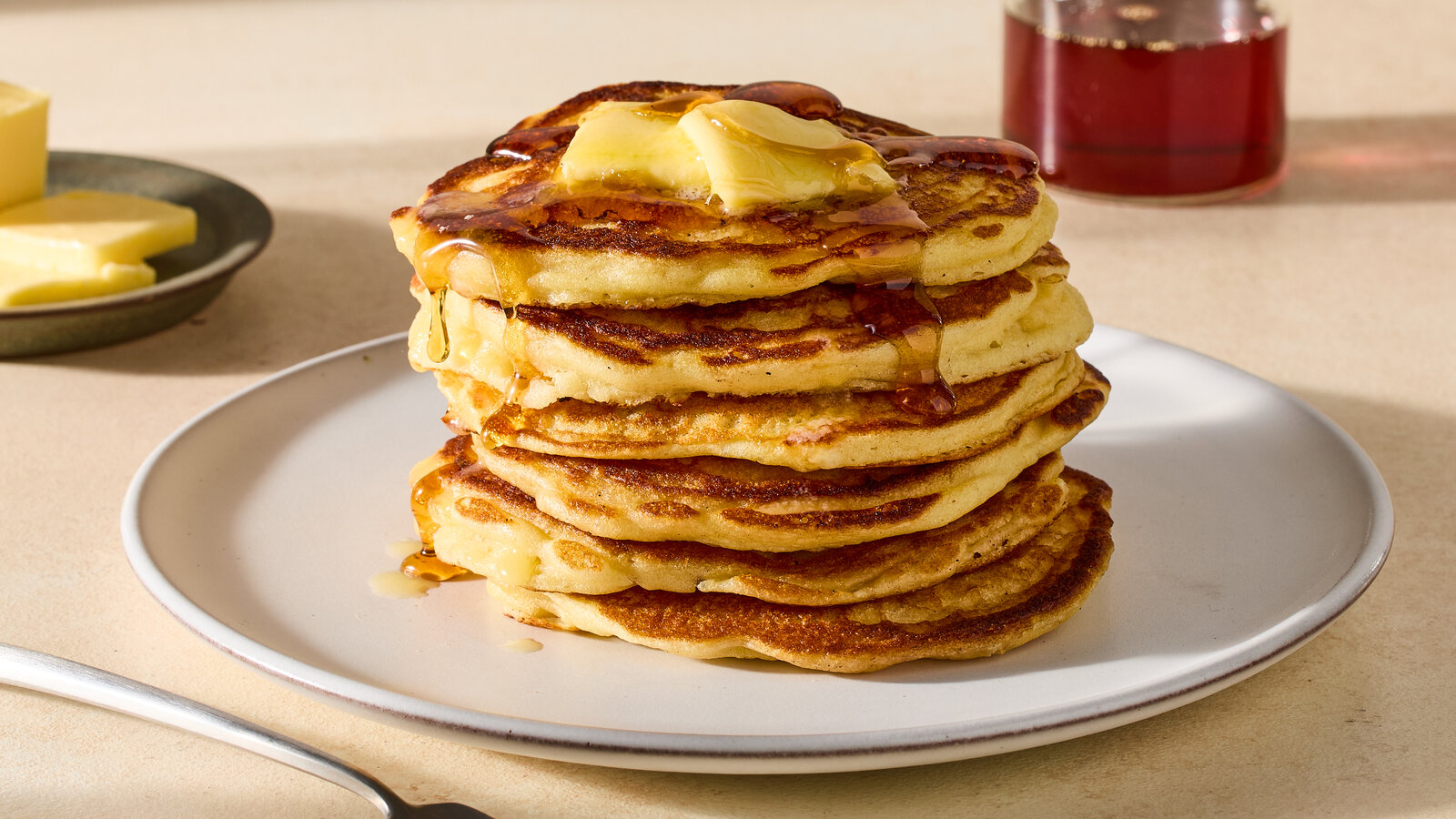
- Breakfast: Pancakes, waffles, French toast, oatmeal, yogurt bowls.
- Fruit and desserts: Brush on berries, macerate sliced peaches, drizzle on pound cake.
- Cocktails and mocktails: Old Fashioned variations, espresso martinis, vanilla lemonade, soda water with a squeeze of lime.
If you are sweetening something cold, syrup is the secret weapon because it blends instantly.
Storage and reheating
Vanilla syrup is simple, but treat it like a perishable because it contains water.
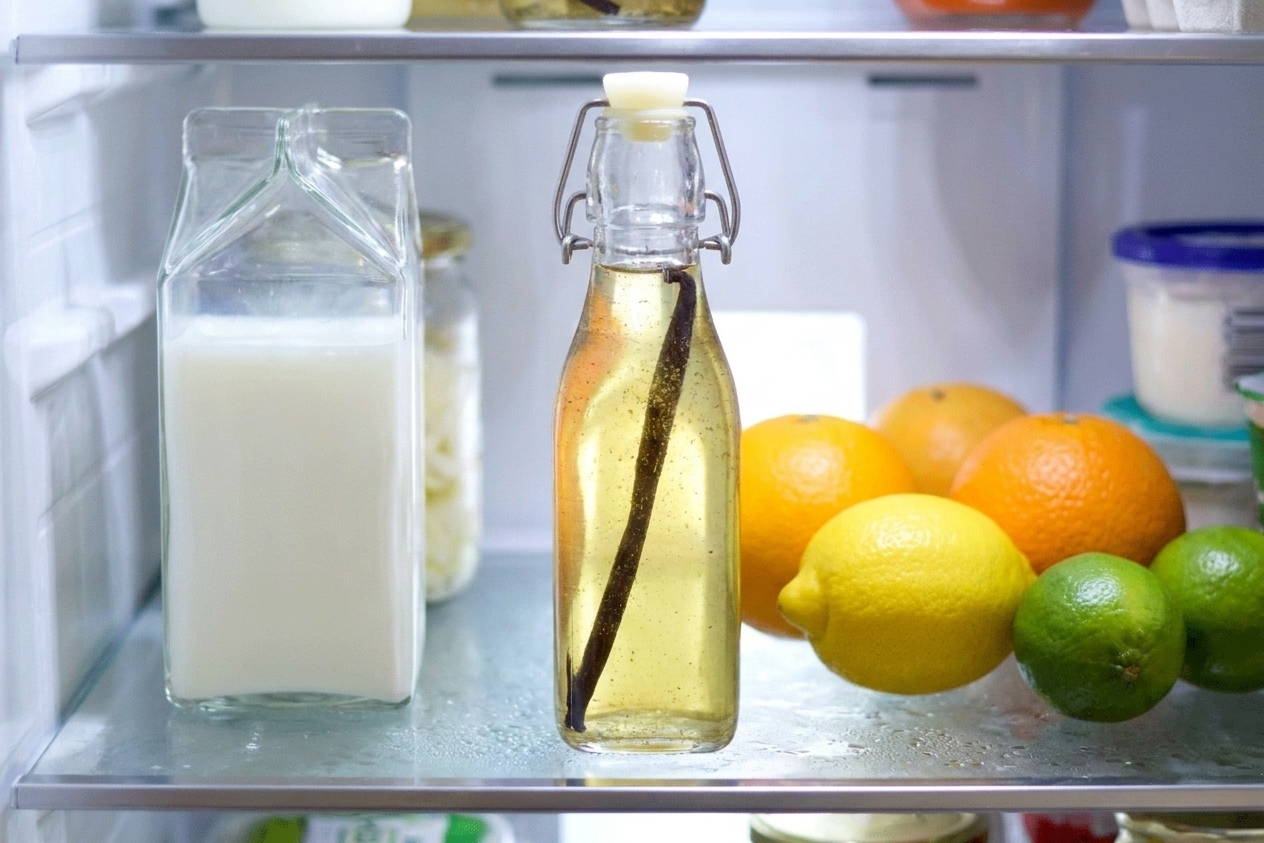
- Refrigerate: Always, once cooled.
- Start with a very clean bottle: A dishwasher-clean jar or a quick hot rinse and thorough dry helps extend freshness.
- Use clean tools: Pour rather than dipping in spoons to reduce contamination.
- How long it lasts: 1:1 syrup is best within about 2 to 4 weeks. 2:1 rich syrup often keeps about 1 to 2 months. Vanilla paste or beans can add particles, which is not automatically a problem, but it can shorten the practical window.
- Signs it is time to toss: Off smell, visible mold, fizzing, or new cloudiness plus a questionable vibe. When in doubt, toss it and make a fresh batch.
Freezer option: Freeze syrup in an ice cube tray, then pop cubes into a freezer bag. Thaw a cube in the fridge overnight or melt into hot coffee.
Common mistakes
- Boiling too hard or too long: A hard boil reduces water, making a thicker syrup that can crystallize sooner.
- Adding vanilla on the heat: Vanilla tastes freshest when added off heat, not cooked.
- Not dissolving the sugar fully: Undissolved sugar clinging to the sides of the pot can contribute to crystallization.
- Letting it get contaminated: Dipping spoons in (instead of pouring) and using less-than-clean bottles can shorten shelf life.
- Ignoring spoilage signs: Toss if you notice off smell, visible mold, fizzing, or new cloudiness that comes with a questionable vibe.
FAQ
Do I need to boil simple syrup?
No. Heating just until the sugar dissolves is enough. Boiling is not necessary and can reduce the water too much, which makes the syrup thicker and more prone to crystallizing.
Can I make vanilla syrup without a saucepan?
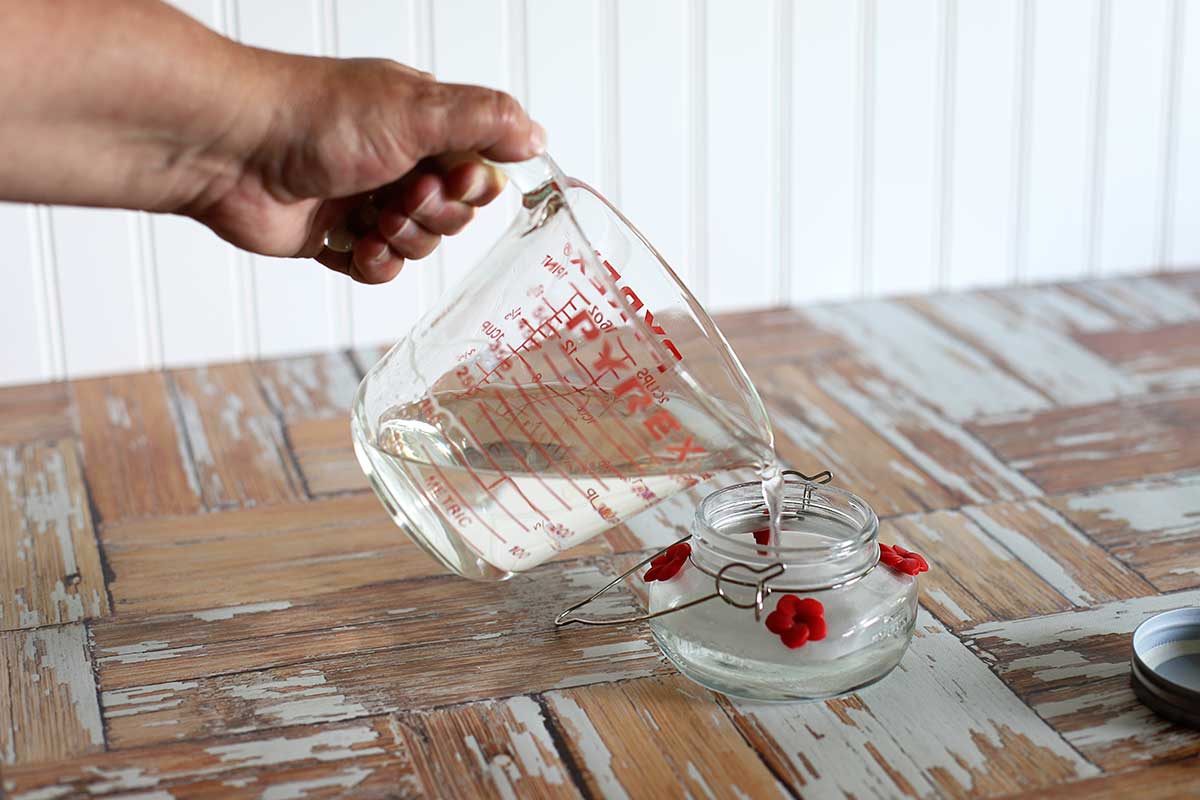
Yes, if you are using very hot water. Combine sugar and hot water in a heat-safe jar, stir until fully dissolved, then add vanilla. It may take a little longer to dissolve, but it works.
How much vanilla syrup goes in coffee?
For an 8-ounce coffee or latte, start with 1 to 2 teaspoons for lightly sweet. For a sweeter, cafe-style drink, use 1 tablespoon, then adjust to taste. Cold brew sometimes wants a touch more since it is less bitter.
Can I reuse a vanilla bean after making syrup?
Absolutely. Rinse it, dry it, and put it into a jar of sugar, or steep it in warm milk for oatmeal or rice pudding. Just know the second round will be softer than the first.
Vanilla Syrup
A quick homemade vanilla syrup (simple syrup flavored with vanilla) that dissolves smoothly into coffee, tea, matcha, cocktails, and desserts. This base version takes about 10 minutes and makes about 1 1/2 cups; sweetness and vanilla intensity are easy to adjust.
- Prep
- 2 minutes
- Cook
- 8 minutes
- Total
- 10 minutes
- Yield
- Makes about 1 1/2 cups (about 12 servings at 2 tablespoons each)
Ingredients
- 1 cup granulated sugar
- 1 cup water
- 1 tablespoon pure vanilla extract (or 2 teaspoons vanilla bean paste)
- Pinch of fine salt (optional)
Instructions
- Dissolve the sugar: Add sugar and water to a small saucepan. Set over medium heat and stir until the sugar is fully dissolved. You are looking for a clear liquid with no visible grains when you swirl the pan.
- Stop at dissolved, not boiled: Once it is clear, you can remove it from the heat. If it simmers for a minute, that is fine. A hard boil reduces water, making a thicker syrup that can crystallize sooner.
- Add vanilla off heat: Stir in vanilla extract (and salt, if using) after you take the pan off the heat. This keeps the vanilla tasting fresh and not cooked.
- Cool, then bottle: Let cool to room temp, then pour into a very clean jar or bottle. Refrigerate.
Notes
- How to use: Start with 1 to 2 teaspoons per 8-ounce drink, then adjust. For a sweeter, coffee shop-style drink, use 1 tablespoon per 8 ounces. For pancakes or French toast, drizzle like you would maple syrup, or mix into whipped cream.
- Vanilla bean method (optional): Split 1 vanilla bean lengthwise and scrape the seeds. Combine sugar and water in a saucepan, add both seeds and the pod. Heat just until the sugar dissolves, then remove from heat. Steep 20 to 30 minutes (longer for stronger flavor), then remove the pod. Strain if you prefer it perfectly smooth. Specks and a little sediment are normal, especially with beans and paste.
- Waste-not tip: Rinse the used pod, pat dry, and bury it in a jar of sugar to make vanilla sugar. Or tuck it into a container of coffee grounds for a subtly scented brew.
- Ratio notes: A 1:1 syrup (equal sugar and water) is light and pourable. A 2:1 rich syrup is thicker, glossier, sweeter, and often keeps longer when handled cleanly.
- Troubleshooting crystallization: Gently rewarm the syrup and stir until clear again. Next time, keep the heat moderate and stop once everything is dissolved.
- If it tastes flat or overly sweet: Add a tiny pinch of salt, add 1/4 teaspoon more vanilla at a time off heat, or balance in the drink with acid (a squeeze of lemon in tea or a little extra coffee bitterness) rather than adding more syrup.
- Cloudiness: Cloudiness can happen from tiny sugar crystals, agitation, or vanilla bean paste and vanilla seeds. A little sediment is normal with beans and paste. If it smells good and there is no mold or fizzing, it is usually fine. If the cloudiness is new and it smells off, toss it.
Nutrition
- Calories: 52
- Fat: 0 g
- Carbs: 13 g
- Protein: 0 g
- Fiber: 0 g
- Sugar: 13 g
- Sodium: 0 mg
Approximate per 2-tablespoon serving; values will vary with exact ingredients and any added salt.