Fried rice should feel like a small miracle: leftovers turning into something steamy, savory, and a little crisp at the edges. If yours tends to go soft or gummy, it is almost never your skill. It is usually one of three things: rice that is too warm, a pan that is not hot enough, or ingredients added in a traffic jam, meaning piled in too fast without giving the pan time to stay hot.
This version is my weeknight baseline: a big handful of vegetables, optional egg, and a flexible seasoning path that works whether you want classic soy sauce vibes, a little curry warmth, or a spicy chili crunch moment.
The baseline formula
If you like the flexible, mix-and-match approach but still want something to anchor you, here is the ratio I come back to over and over.
- 3 cups cold cooked rice
- About 1 1/2 cups vegetables total (for example: 1/2 cup diced carrot + 1/2 cup cabbage + 1/2 cup peas)
- 2 to 3 tablespoons neutral, high-heat oil total (enough to fry, not scorch)
- 1 to 2 eggs (optional)
- 2 to 3 tablespoons soy sauce or tamari, plus more to taste
- 1 teaspoon rice vinegar or 2 teaspoons lime juice for brightness
- 1 teaspoon toasted sesame oil at the end
That is dinner for about 3 to 4 servings, depending on appetite and what else is on the table.
The three rules for not-mushy fried rice
1) Start with cold, dry rice
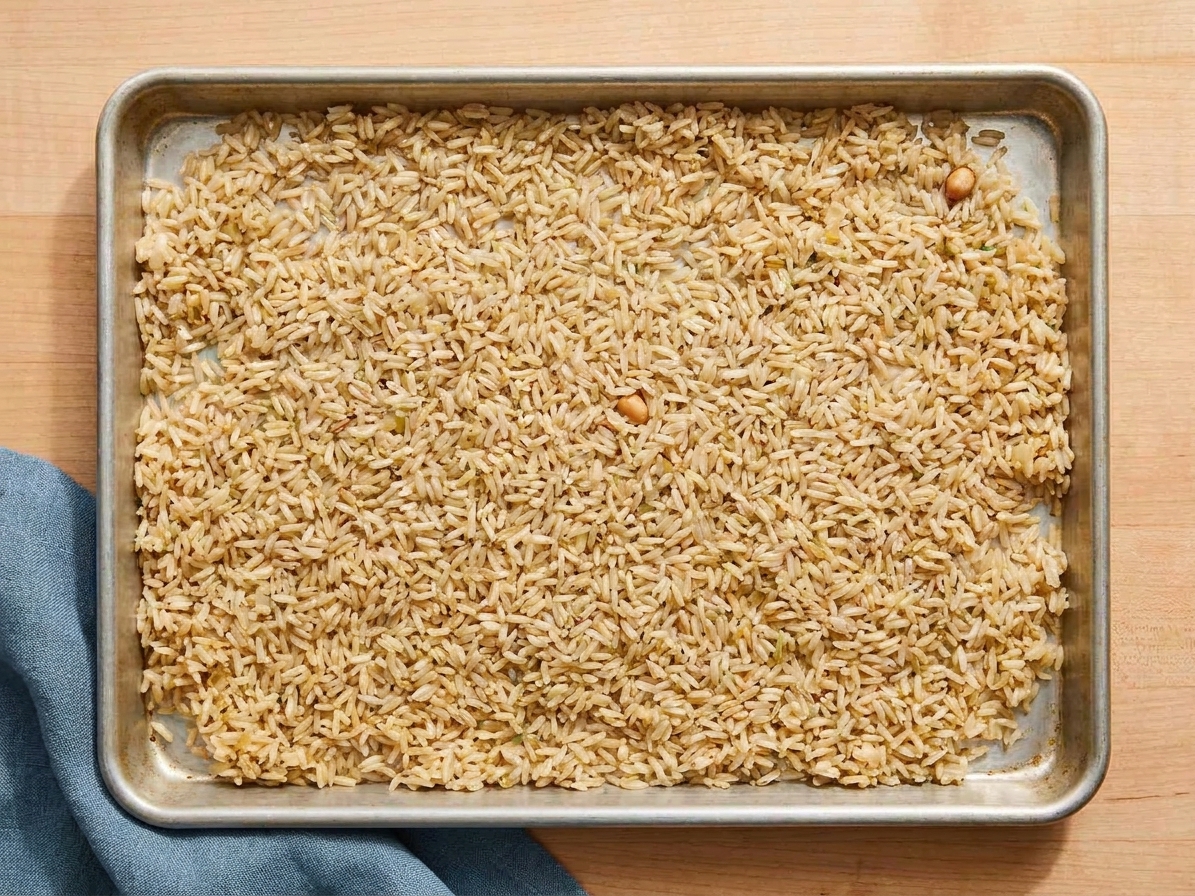
Cold rice fries, hot rice steams. Day-old rice is ideal because it chills and firms up, and any extra surface moisture has time to dry off. If your rice is fresh, you can still make great fried rice. You just have to dry it out first.
- Best: rice that has been chilled overnight, uncovered or loosely covered.
- Good: rice chilled for at least 2 hours, spread on a sheet pan.
- Emergency fix: spread warm rice on a sheet pan, drizzle with a tiny bit of neutral oil, and refrigerate 20 to 30 minutes until cold.
2) Use high heat and a wide pan
You want fast evaporation and a little browning. That means high heat and lots of surface area. A wok is great, but a 12 inch skillet works beautifully. If your pan is small, cook in two batches. Crowding is the fastest way to get steamed, pale rice.
3) Add ingredients in the right order
Think: aromatics first, then hard vegetables, then rice, then sauces, then tender add-ins. Sauce goes in late so it coats the grains instead of soaking into them while they sit.
Oil: what to use and how much
High heat needs an oil that can handle it. Use a neutral, high-smoke-point oil like avocado, canola, grapeseed, peanut, or vegetable oil. Plan on 2 to 3 tablespoons total for a 12 inch skillet and 3 cups of rice, split across steps.
- If your rice looks dry and squeaky in the pan, add a little more oil.
- If your pan is smoking aggressively, your heat is too high for your stove and skillet combo. Back it down slightly and keep moving.
Toasted sesame oil is best as a finishing oil. It is all aroma. A drizzle at the end tastes louder than a spoonful cooked over high heat.
Vegetable combinations that actually work
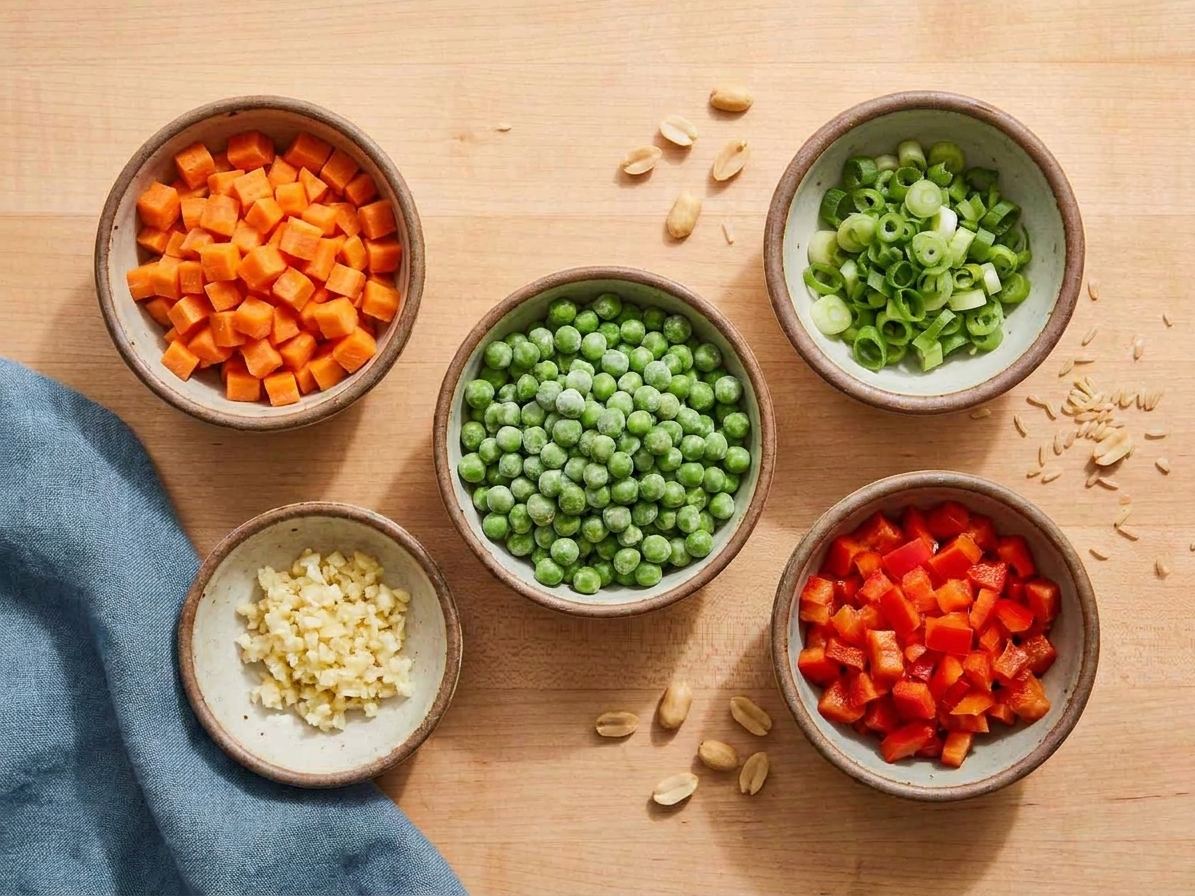
I like to mix one aromatic, one hard vegetable, and one quick-cooking vegetable. This keeps your bite interesting and prevents the pan from filling with watery veg.
Great veggie sets
- Classic: carrot + peas + scallions
- Clean out the crisper: cabbage + carrot + frozen corn
- Green and fresh: broccoli florets (small) + snap peas + spinach (added at the end)
- Sweet and smoky: red bell pepper + corn + green onion
- Mushroom lover: mushrooms + cabbage + scallions (use high heat for mushrooms so they brown, not weep)
High-moisture vegetables (use carefully): zucchini and tomatoes can dump water into the pan. They can work, just cook them hard and fast first, then remove to a plate and add back at the end. Mushrooms also release moisture, so give them space and heat so they brown instead of simmer.
Egg options
Egg in fried rice is non-negotiable in my house, but you have options depending on the texture you want.
- Scramble first, then remove: soft curds, clean look. Cook beaten eggs in oil, slide out, then add back at the end.
- Push-and-scramble method: the fastest. Push veggies to the side, scramble eggs in the open space, then mix.
- Egg ribbons: cook a thin omelet, roll, slice, and stir in at the end. This looks fancy and takes 2 extra minutes.
- No egg: skip it, or add cubed tofu or edamame for protein.
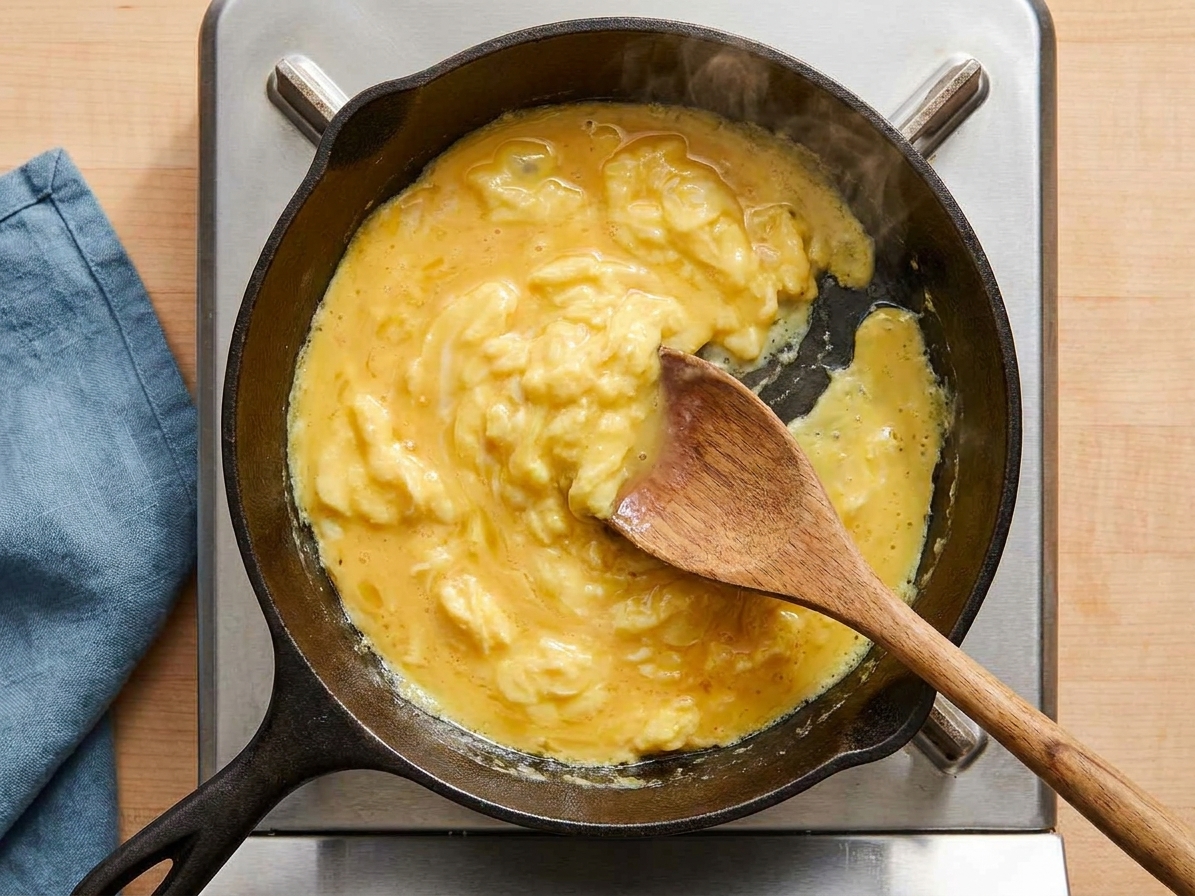
Egg safety note: if you add egg directly into the rice, make sure it fully sets before serving.
Seasoning paths
At minimum, you need salt, umami, and a little acid. Soy sauce brings salt and umami. Vinegar or lime brings brightness. Toasted sesame oil finishes the whole thing with that roasted, nutty aroma.
Salt tip: soy sauce varies a lot. Start with less, toss, then taste once it has reduced and the rice no longer looks wet.
Classic soy sauce
- Soy sauce or tamari + a pinch of sugar + black pepper
- Optional: oyster sauce for sweetness and depth
Garlic-ginger
- Add grated ginger with the garlic
- Finish with a squeeze of lime
Spicy
- Chili crisp, sambal oelek, or sriracha
- Finish with rice vinegar to balance heat
Curry-ish
- 1 to 2 teaspoons mild curry powder toasted briefly in oil
- Great with peas, carrots, and cashews
Allium-forward
- Extra scallions, plus a little toasted sesame oil at the end
- Optional: a few drops of fish sauce for depth (go easy)
Why this recipe works
- Cold rice stays separate: chilling firms the starches so the grains fry instead of clump.
- High heat drives off moisture fast: less steaming means better texture and lightly toasted edges.
- Sequencing prevents sogginess: vegetables and aromatics get their cook time before rice and sauces go in.
- Sauce added late coats, not soaks: you get savory rice, not soy-flavored porridge.
- Oil supports frying: the right neutral oil and enough of it helps the grains toast instead of stick and scorch.
- Flexible formula: once you understand the order and the ratio, you can swap vegetables and seasonings without breaking the dish.
Ingredient notes
Cooked rice
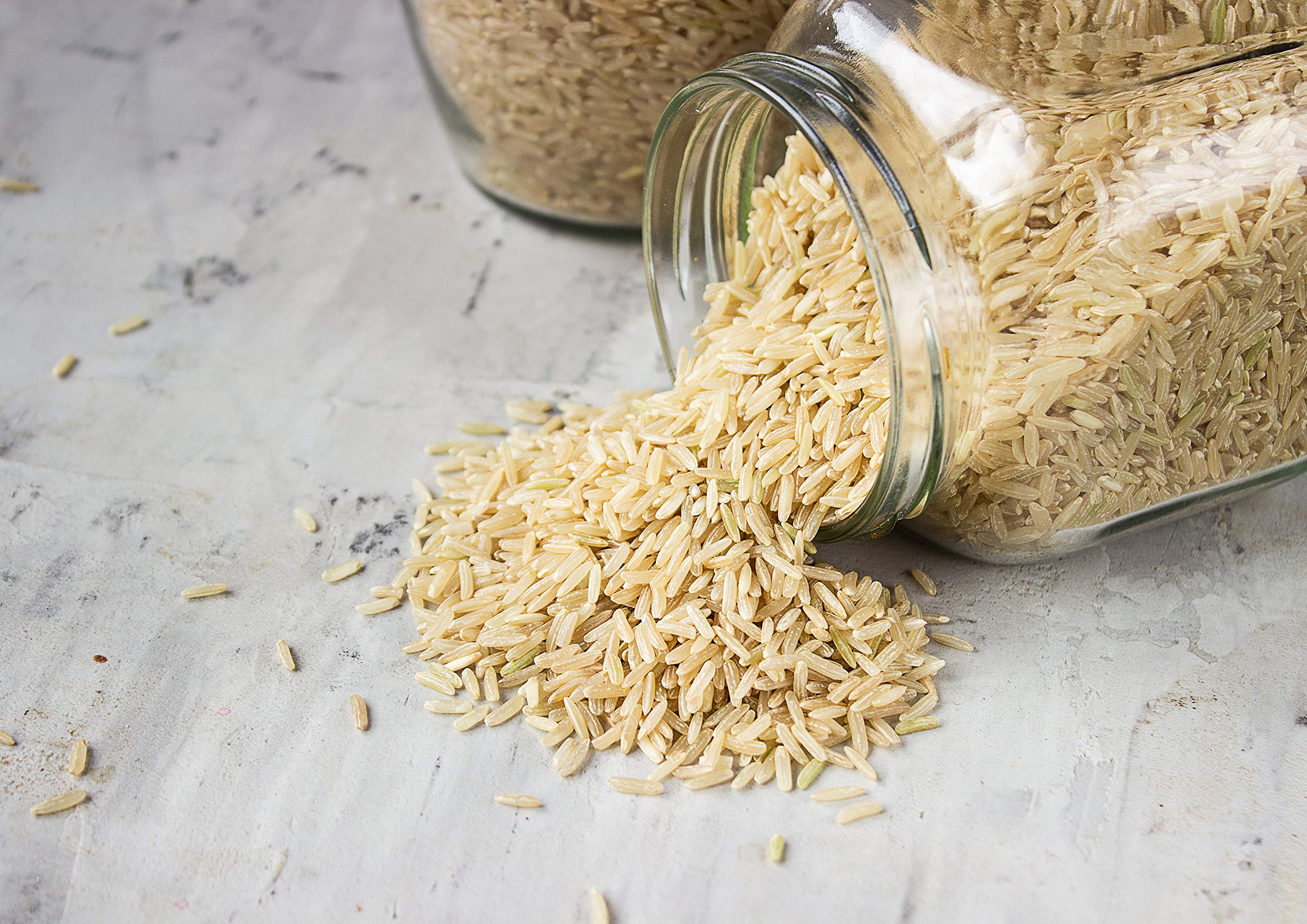
Any long grain or medium grain white rice works. Jasmine is my favorite for aroma and separate grains. Brown rice is great too, just expect a chewier texture. Avoid freshly cooked hot rice unless you can chill it first.
Vegetables
Use a mix of fresh and frozen. Frozen peas, corn, and mixed veg are weeknight heroes. Thaw frozen veg first so they do not drop the pan temperature.
Soy sauce
Use regular soy sauce for balanced salt. If you use low-sodium, you might need an extra pinch of salt at the end. Tamari is a great gluten-free option.
Neutral oil
Use a high-smoke-point oil for frying. This is not the place for butter or extra-virgin olive oil, which can burn and turn bitter at high heat.
Toasted sesame oil
Finish with it for the strongest flavor. High heat can mute its aroma, so it is best as a final drizzle.
Vinegar or citrus
A splash at the end makes everything taste more awake. Rice vinegar is gentle; lime is brighter.
Equipment you will need
- Large wok or 12 inch skillet: wide surface area is key for frying, not steaming.
- Spatula: a flat metal spatula is great for scraping up browned bits.
- Small bowl: to pre-mix sauce so you are not measuring over a hot pan.
- Sheet pan (optional): for quickly chilling and drying rice.
Pro tips
- Break up the rice before it hits the pan: use your hands to gently rub clumps apart. A tiny drizzle of neutral oil helps if it is sticky.
- Pre-mix your sauce: soy sauce plus anything sweet or acidic should be ready to pour in one go.
- Let the rice sit: after tossing, press it into the pan and leave it untouched for 30 to 60 seconds to build light crisping.
- Cook high-moisture veg separately: mushrooms and zucchini brown better when they have space and time.
- Salt at the end: soy sauce varies a lot. Taste after the sauce reduces and adjust.
- Oil is part of texture: you are not deep-frying, but you do need enough oil for the grains to actually fry instead of drag and burn.
Substitutes that work
- No soy sauce: use tamari, coconut aminos (sweeter), or a mix of broth plus a little salt and a tiny splash of Worcestershire.
- No oyster sauce: use hoisin (sweeter) or a pinch more sugar plus soy sauce.
- No fresh garlic or ginger: use garlic paste, ginger paste, or a small pinch of garlic powder added to the sauce.
- No scallions: use thin sliced yellow onion cooked until translucent, or chives added at the end.
- Want more protein: add diced leftover chicken, shrimp, tofu, edamame, or a handful of cashews.
Variations
Vegetable fried rice with kimchi
Chop kimchi and cook it briefly before the rice. Add a splash of kimchi brine at the end for tang.
Pineapple veggie fried rice
Add pineapple chunks at the end so they stay juicy. Great with cashews and a squeeze of lime.
Extra-garlic stir-fried rice
Double the garlic, and let it sizzle in oil just until fragrant. Do not brown it.
Vegan fried rice
Skip egg. Add cubed tofu or edamame. Use tamari plus a tiny splash of rice vinegar and finish with sesame oil.
Gluten-free
Use tamari and confirm your oyster sauce or chili crisp is gluten-free, or skip oyster sauce entirely.
Serving ideas
- Top with extra scallions, toasted sesame seeds, and chili crisp.
- Serve with quick cucumber salad (rice vinegar, sugar, salt) for crunch and acid.
- Add a fried egg on top for a fast dinner upgrade.
- Pair with miso soup or a simple brothy veggie soup when you want something cozy.
- Turn it into a bowl night with sliced avocado, pickled carrots, or leftover roasted vegetables.
Storage and reheating
Refrigerate
Cool quickly, then store in an airtight container for up to 4 days.
Freeze
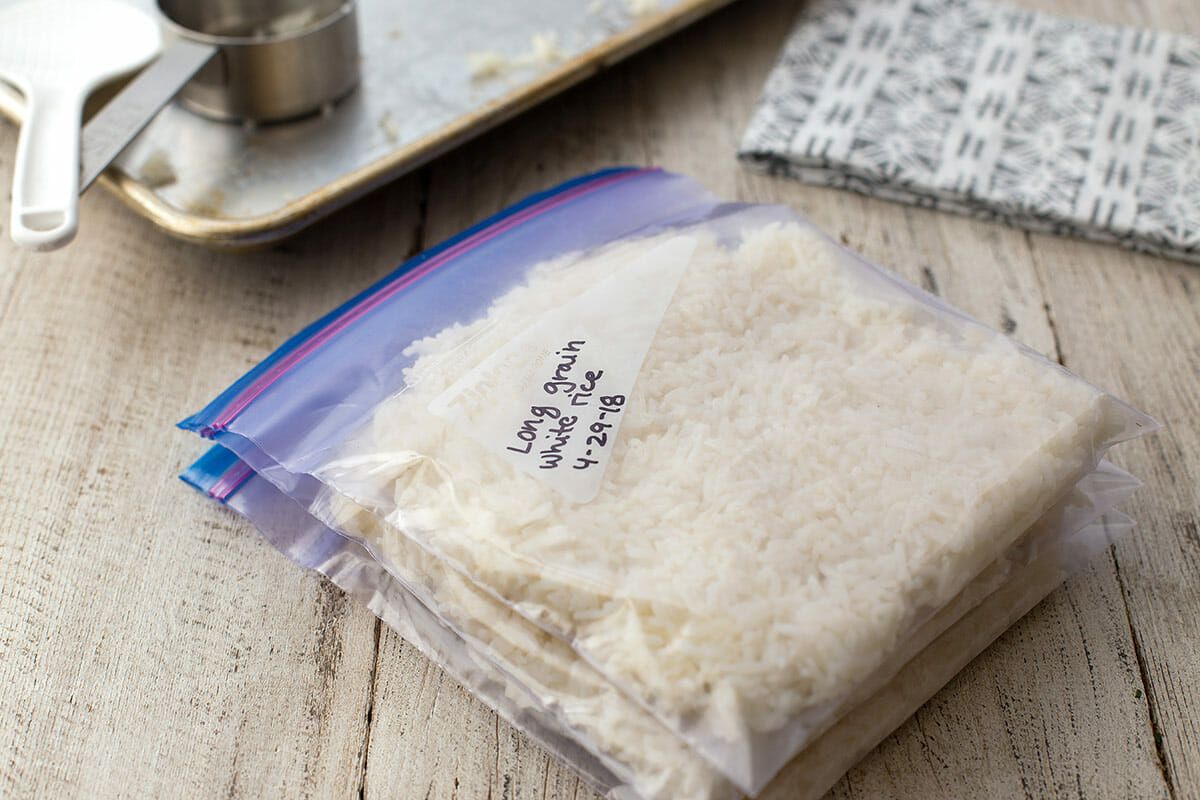
Freeze in flat portions for up to 2 months. Thaw overnight in the fridge for best texture.
Reheat
- Skillet (best): a splash of water or broth, then medium-high heat until hot, stirring occasionally.
- Microwave: cover loosely and reheat in bursts, stirring halfway through.
Food safety: Reheat until steaming hot throughout.
Common mistakes
- Using warm rice: it steams and clumps. Chill it first.
- Overloading the pan: too many vegetables at once drops the heat and creates sogginess. Cook in batches if needed.
- Adding sauce too early: the rice absorbs it and turns soft. Sauce goes in late.
- Not prepping ahead: fried rice cooks fast. If you stop to chop mid-cook, aromatics can burn.
- Using the wrong oil: low-smoke-point oils can scorch at high heat. Use a neutral, high-heat oil, then finish with toasted sesame oil.
FAQ
Do I have to use day-old rice?
No, but it helps. If your rice is fresh, spread it on a sheet pan and chill it until cold. The goal is cold, dry grains.
Why is my fried rice mushy even with cold rice?
Usually the pan is not hot enough or it is overcrowded. Use a wide skillet and cook in batches. Also add sauce at the end, not at the beginning.
Can I use frozen vegetables?
Absolutely. Thaw first and pat dry if they look icy or wet, so you do not cool the pan.
What is the best oil for fried rice?
Use a neutral, high-heat oil like avocado, canola, grapeseed, peanut, or vegetable oil. Plan on 2 to 3 tablespoons total for 3 cups of rice. Save toasted sesame oil for finishing.
How do I keep the garlic from burning?
Add garlic after onions and carrots have started to soften, and stir constantly for 15 to 30 seconds. If your pan is ripping hot, lower the heat briefly for the garlic step.
How do I get a little crisp on the rice?
After tossing, press the rice into the pan and leave it alone for 30 to 60 seconds. Then toss and repeat once more. That short, undisturbed contact time is where the magic happens.
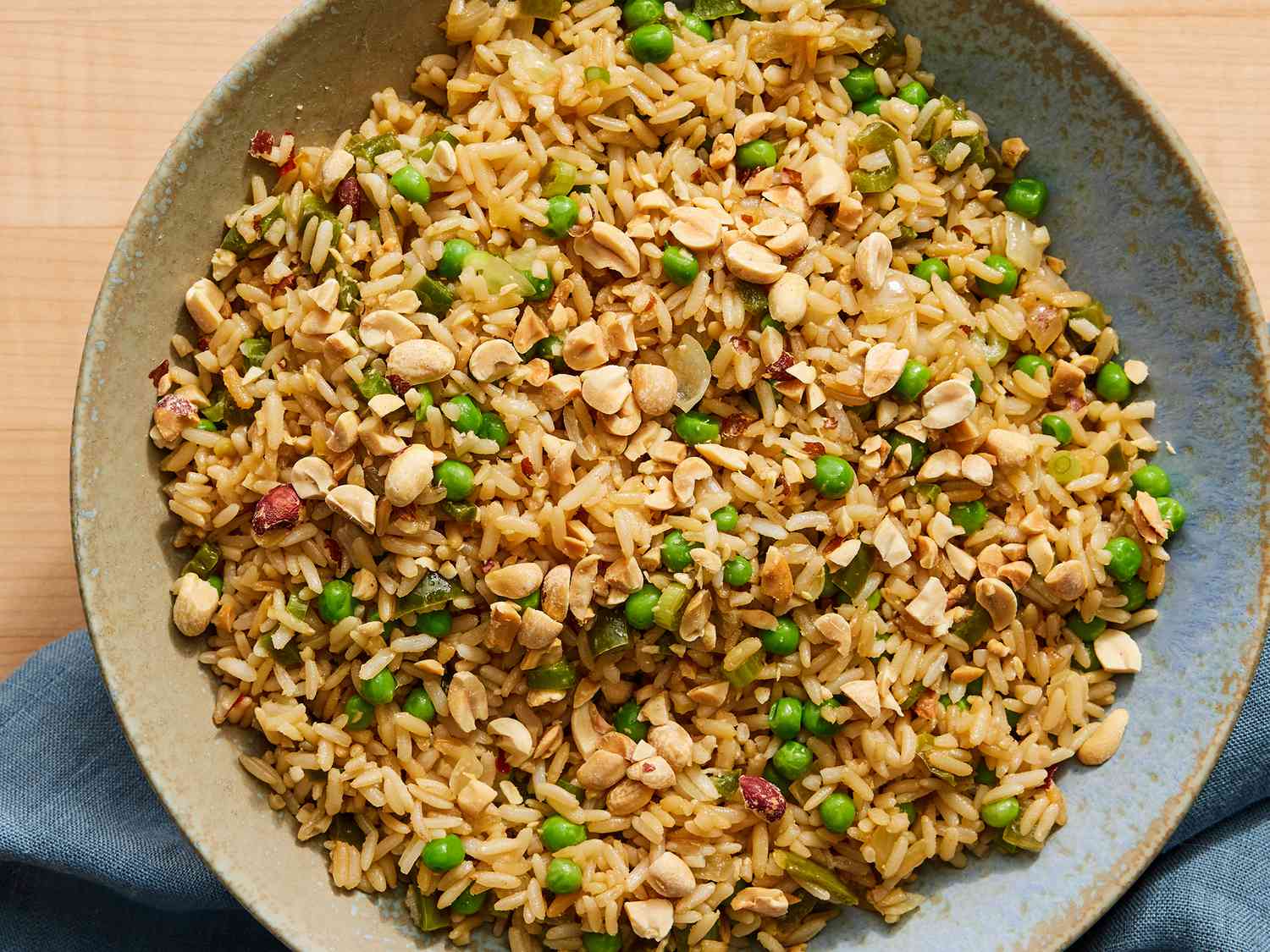
Vegetable Fried Rice With Leftover Rice
A flexible, weeknight vegetable fried rice that uses cold leftover rice, high heat, and the right ingredient order for fluffy grains and crisp edges. Includes oil guidance, a simple baseline ratio, an easy egg option, and simple seasoning tweaks.
- Prep
- 10 minutes
- Cook
- 10 minutes
- Total
- 20 minutes
- Yield
- 4 servings
Ingredients
- 3 cups cold cooked rice (preferably day-old), clumps broken up
- 2 to 3 tbsp neutral oil (avocado, canola, grapeseed), divided
- 2 large eggs, beaten (optional)
- 1 small yellow onion, finely diced (or 4 scallions, whites and greens separated)
- 2 medium carrots, diced small
- 2 cloves garlic, minced
- 1 cup frozen peas (thawed)
- 1 cup chopped cabbage or diced bell pepper (optional but great)
- 3 tbsp soy sauce or tamari, plus more to taste
- 1 tbsp oyster sauce (optional)
- 1 tsp rice vinegar or 2 tsp lime juice
- 1 tsp toasted sesame oil
- 1/4 tsp sugar (optional, helps balance)
- Black pepper, to taste
- Kosher salt, to taste (only if needed after tasting)
Instructions
- Prep your station. Break up the cold rice so it is loose. If using scallions, keep whites and greens separate. In a small bowl, stir together soy sauce, oyster sauce (if using), sugar (if using), and rice vinegar. Set by the stove.
- Cook the egg (optional). Heat a large wok or 12 inch skillet over medium-high heat. Add 1/2 tbsp oil. Pour in beaten eggs and scramble into soft curds. Transfer to a plate.
- Start the aromatics and hard vegetables. Return the pan to medium-high heat and add 1 1/2 tbsp oil. Add onion (or scallion whites) and carrots. Stir-fry 2 to 3 minutes until the onion is turning translucent and the carrots are just starting to soften.
- Add garlic, then quick vegetables. Add garlic and stir constantly for 20 to 30 seconds until fragrant. Add cabbage or bell pepper (if using) and stir-fry 1 minute. Add peas and stir 30 seconds.
- Fry the rice. Add the cold rice. Stir and press it into the pan to break up any last clumps. If the pan looks dry, add the remaining 1 tbsp oil. Let the rice sit untouched for 30 to 60 seconds to toast, then toss. Repeat once more if you want more browning.
- Sauce late. Pour the sauce mixture around the edges of the pan, then toss to coat the rice evenly. Cook 30 to 60 seconds until the rice looks evenly colored and no longer wet.
- Finish and taste. Stir in the cooked egg (if using). Turn off the heat. Drizzle in toasted sesame oil and add scallion greens (if using). Taste and adjust with black pepper, a splash more soy sauce, or a pinch of salt only if needed.
Notes
Baseline ratio: For beginners, aim for 3 cups cold cooked rice to about 1 1/2 cups vegetables, with 2 to 3 tablespoons neutral oil total. Once you have the texture down, you can push the vegetables higher.
Batching tip: If your skillet is smaller than 12 inches, cook the vegetables, then fry the rice in two batches for the best texture.
Make it spicy: Stir in 1 to 2 teaspoons chili crisp at the end, or serve it on top so everyone can choose their heat level.
Make it more filling: Add 1 to 2 cups diced leftover chicken, shrimp, or tofu. Warm it through right before adding the rice.
Sesame oil: It is best at the end for flavor. If you love it, you can cook with a tiny bit at moderate heat, but the big payoff is the finishing drizzle.
Nutrition
Estimated per serving (without optional oyster sauce, with egg): 360 calories, 10 g protein, 10 g fat, 56 g carbohydrates, 4 g fiber, 7 g sugar, 780 mg sodium. Nutrition will vary based on rice type, vegetables, and exact sauces used.