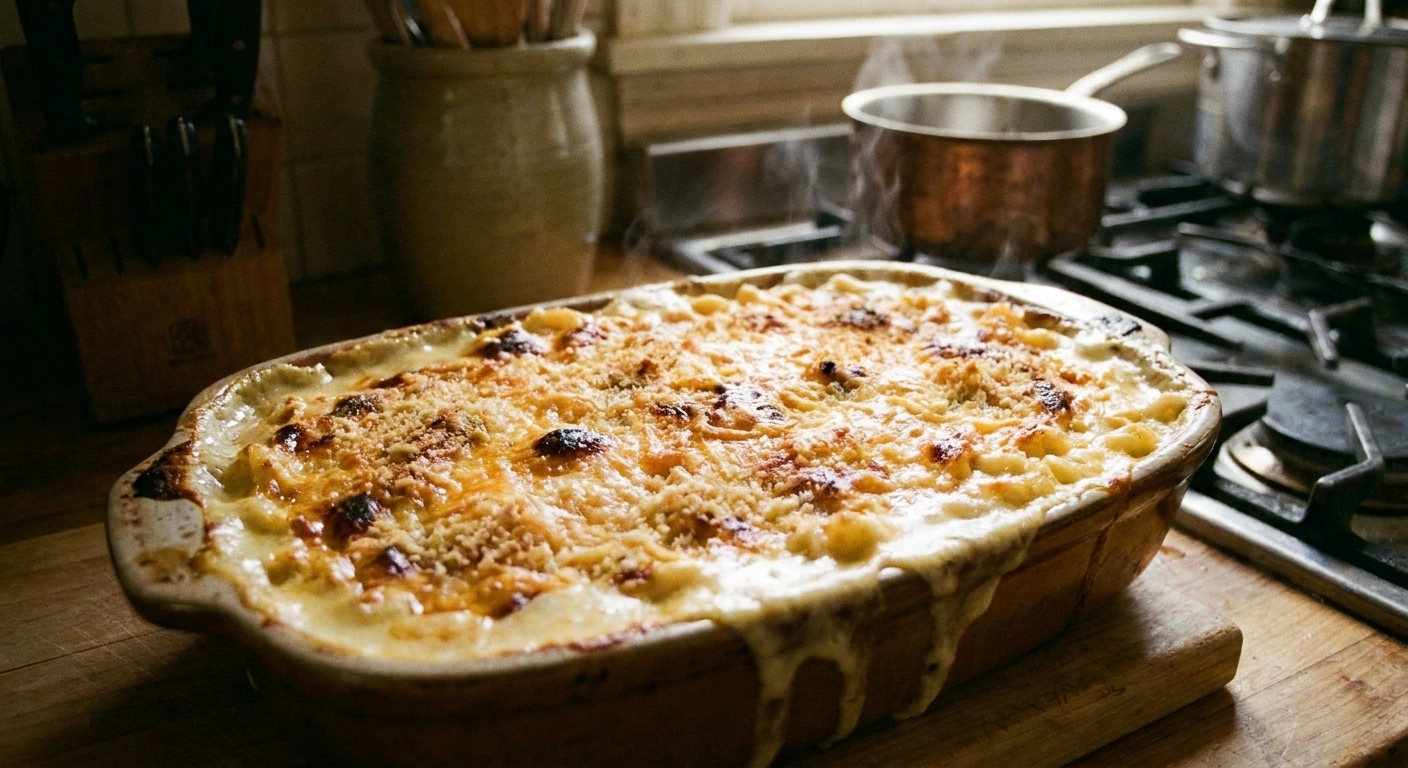

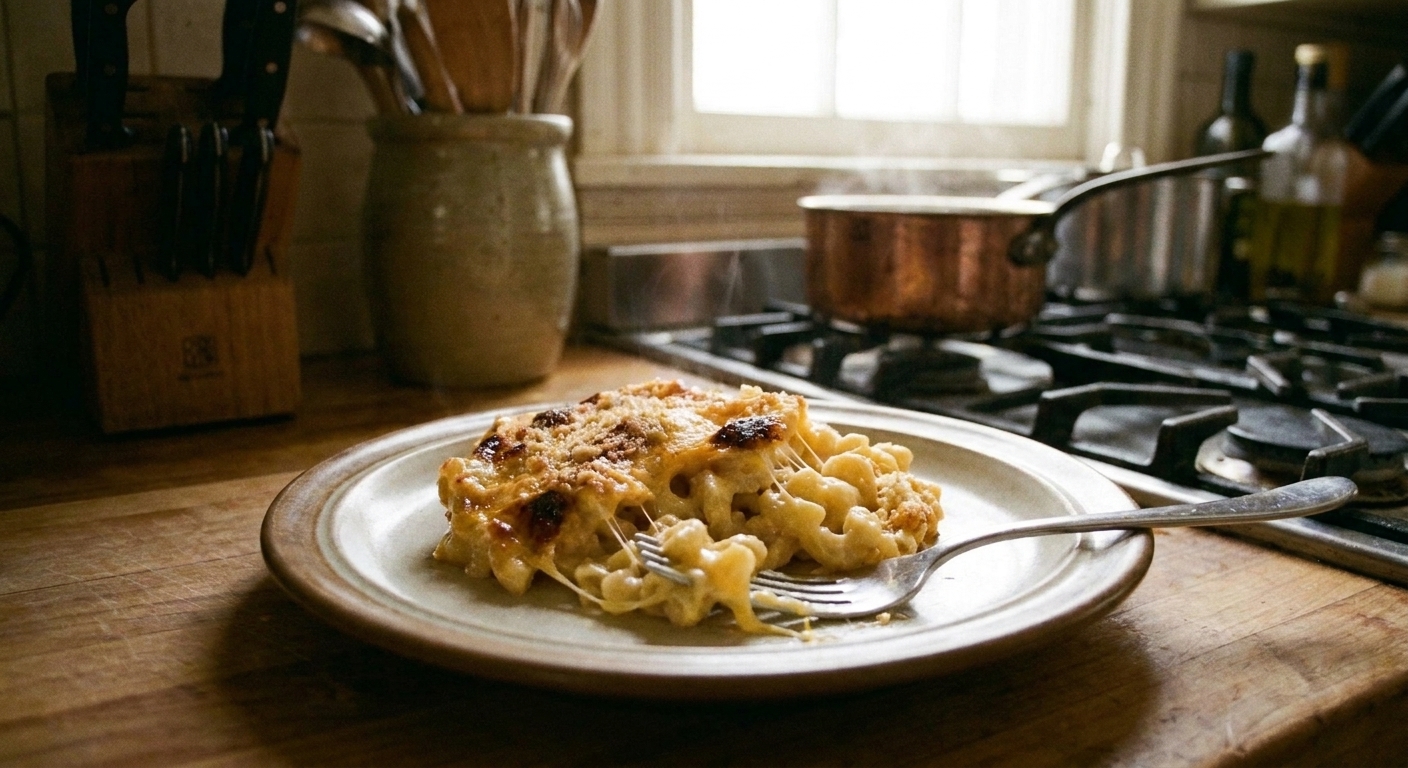
If there is one dish I will happily babysit in the oven for about 20 minutes, it is baked macaroni and cheese. Not the dry, tight kind that eats like noodles in cheddar paste. I mean the kind with a sauce that stays creamy in the middle, edges that set into little golden corners, and a top that browns like it knows it is the main character.

The key is balance. Too much sauce and you get a soupy pan that never quite sets. Too little sauce, and the pasta drinks it up while it bakes. In this recipe, I aim for a sauce-to-pasta ratio that gives you a creamy scoop that still holds its shape, with enough extra sauce to stay luscious after baking.
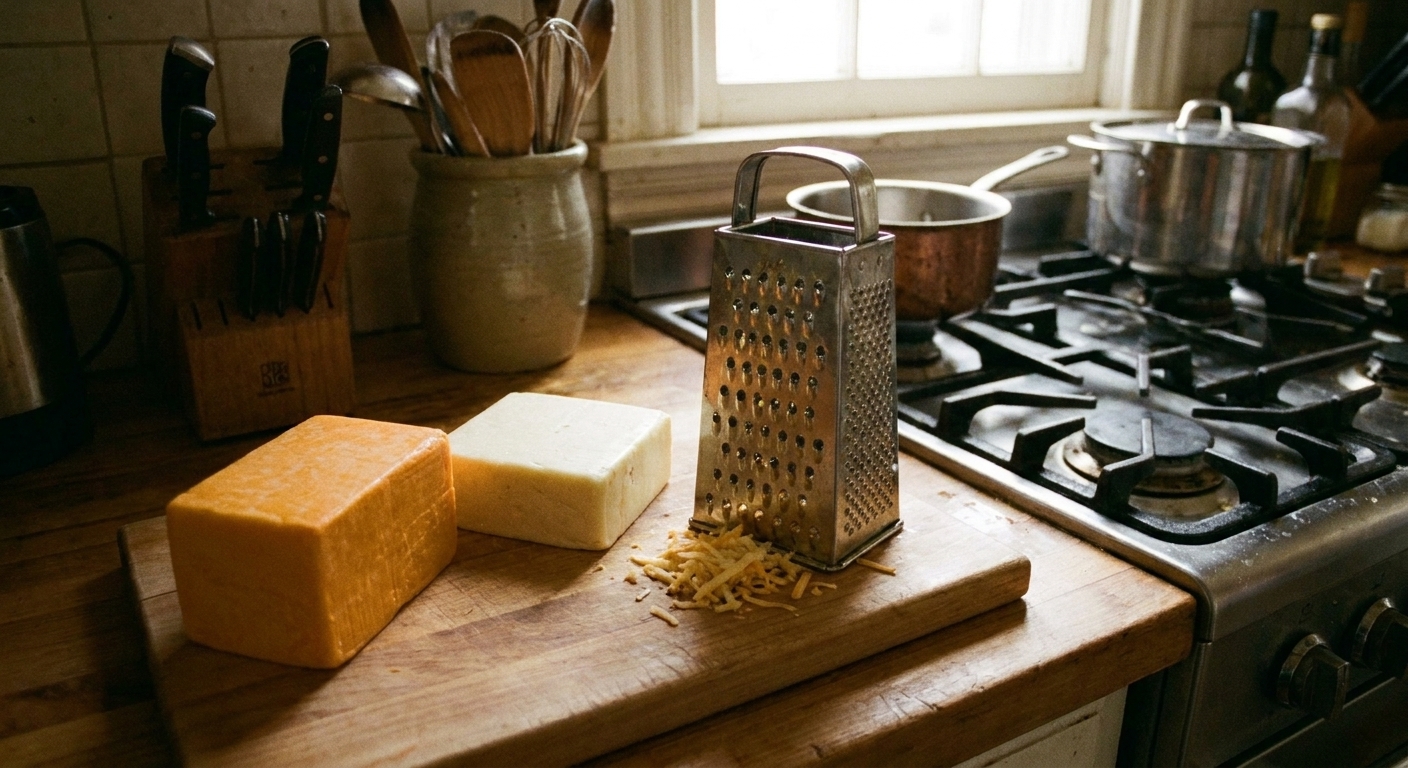
I also built this one around cheeses that melt cleanly. Think Monterey Jack, fontina, young gouda, or low-moisture mozzarella for that smooth, glossy pull, then bring in sharp cheddar for the classic bite. (And yes, grating your own cheese helps. Pre-shredded works in a pinch, but the anti-caking agents can make the sauce a little less silky.)
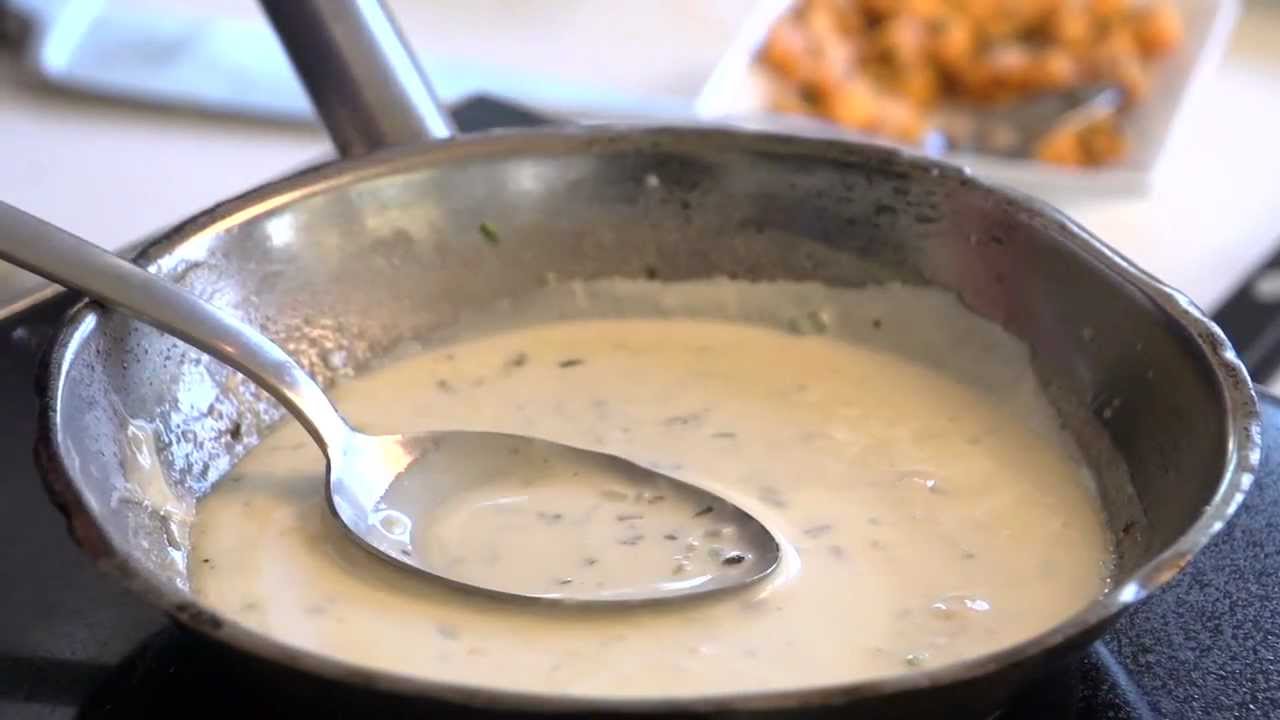
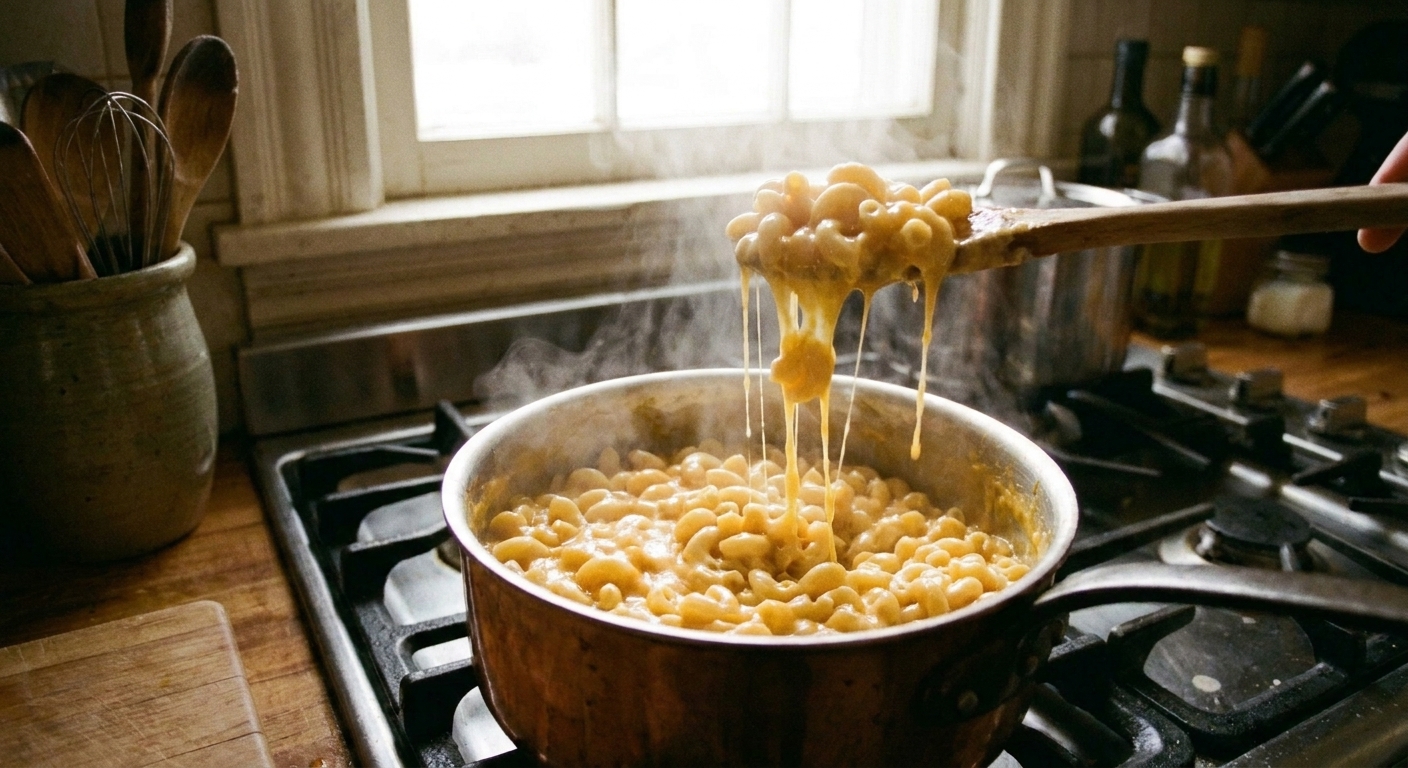
My sauce goal is simple: thick enough to coat the back of a spoon before it ever touches the pasta, so it bakes up creamy instead of watery. Then I undercook the noodles just a bit so they finish in the oven, not in a sad, mushy pile.
Because mac and cheese always shows up when you are already juggling a dozen dishes, I also included a make-ahead plan (assemble, chill, and bake until bubbling) and a reheat method that keeps things creamy: gentle heat, a small splash of milk, and a quick stir halfway through. No big promises, just a lot fewer broken-sauce leftovers.
Why this recipe works
Right sauce-to-pasta ratio
Elbow macaroni keeps soaking up liquid as it sits and again as it bakes. This recipe uses enough sauce to account for that, so the finished casserole is creamy in the center and not dry the next day.
A two-cheese strategy for flavor and melt
Sharp cheddar brings the classic punch, while a smoother melter like Monterey Jack or low-moisture mozzarella keeps the sauce cohesive. Think: cheddar for taste, Jack for texture.
Gentle thickening for a sauce that bakes well
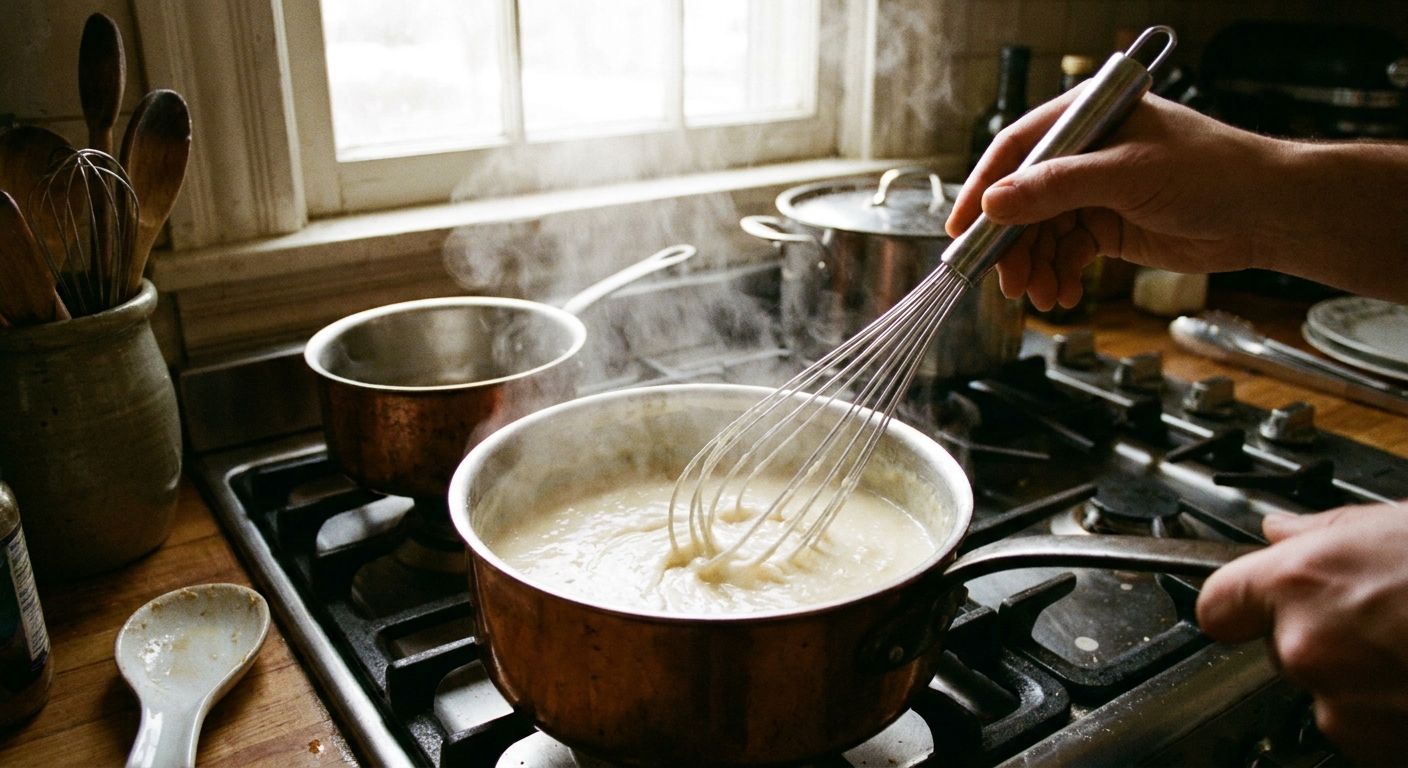
A light roux thickens the dairy so it clings to the pasta instead of pooling. It also helps the sauce handle oven heat without turning grainy.
Undercooked pasta prevents mush
Cooking the macaroni just shy of al dente means it finishes in the oven, absorbing sauce without collapsing.
Ingredient notes
Elbow macaroni
Classic for a reason: elbows trap sauce inside the curve. If you swap shapes, use something similarly scoopable (cavatappi, small shells) and keep the total dry pasta amount the same.
Cheese choices that melt cleanly
- Best smooth melters: Monterey Jack, young gouda, fontina, low-moisture mozzarella.
- For big flavor (use with a smooth melter): sharp cheddar, aged gouda, parmesan.
- Use carefully: pre-shredded cheese (anti-caking agents can make sauces a little grainy). It works in a pinch, but freshly grated is silkier.
Milk and cream
Whole milk gives body without heaviness. A little heavy cream adds cushion so reheats stay creamy. If you only have milk, you can use all milk. The sauce will be a touch leaner but still good.
Mustard and hot sauce
Neither should scream “mustard” or “hot sauce.” They quietly sharpen the cheese flavor, especially if your cheddar is mild.
Equipment you will need
- Large pot for boiling pasta
- Colander
- Medium to large saucepan for cheese sauce
- Whisk
- Rubber spatula
- 9x13-inch baking dish (or similar 3-quart casserole dish)
- Box grater (recommended for best melt)
Pro tips
Cook the pasta 1 to 2 minutes less than the box says
It should be flexible but still have a firm center when you bite it. If it tastes perfect in the pot, it will be overdone after baking.
Let the béchamel thicken before adding cheese
You want it to coat the back of a spoon. If it is too thin, the casserole can bake up loose and oily.
Take the pot off the heat before you add the cheese
High heat is the fastest route to a grainy or split sauce. Off-heat, add cheese gradually, stir until smooth, then return to very low heat only if needed.
Season in layers
Salt the pasta water well, then taste the sauce before mixing with pasta. Cheese varies wildly in saltiness.
For a browned top without overbaking
Bake until the edges are gently bubbling, then broil briefly to finish the top. Watch it like a hawk.
Substitutes that work
- No Monterey Jack: swap in fontina, young gouda, or low-moisture mozzarella for the “smooth melter” portion.
- No heavy cream: use more whole milk, or evaporated milk for extra silkiness.
- Gluten-free: use your favorite gluten-free elbow pasta and a 1:1 gluten-free flour blend for the roux. Keep the pasta slightly undercooked.
- No panko: use crushed crackers, toasted breadcrumbs, or skip the topping and rely on broiling the cheese.
Variations
Holiday green chile mac
Fold in a drained can of diced green chiles and use a pepper Jack and cheddar blend. Finish with scallions.
Broccoli cheddar bake
Stir in small steamed broccoli florets right before baking. (Dry them well so you do not water down the sauce.)
Stovetop to baked deluxe
For ultra-creamy texture, stir in 2 ounces of cream cheese with the shredded cheeses, then bake as directed.
Smoky bacon and thyme
Add cooked crumbled bacon and a pinch of fresh thyme leaves. Reduce added salt until you taste.
Serving ideas
- A sharp, crunchy salad (arugula with lemon and olive oil is my go-to)
- Roasted broccoli or Brussels sprouts to balance the richness
- Simple tomato soup for a cozy pairing
- Pickles or quick-pickled onions for an acidic bite
Storage and reheating
Storing
Cool completely, then cover and refrigerate for up to 4 days. Mac and cheese thickens as it chills, which is normal.
Make-ahead for holidays
Best method: Assemble the casserole, cool the pasta and sauce slightly first so it is not steaming hot, then cover tightly and refrigerate up to 24 hours.
- Before baking: let the dish sit at room temperature for 30 to 45 minutes if you have time, just to take the chill off.
- Bake: cover with foil for the first part of baking if the top is browning too fast, then uncover to finish. Plan on a longer bake time straight from the fridge.
Reheating without breaking the sauce (single portion)
Microwaves are convenient, but they can cause the cheese proteins to tighten and squeeze out fat. My fix is gentle heat plus a tiny splash of liquid.
- Place a portion in a microwave-safe bowl.
- Add 1 to 2 teaspoons milk (or water in a pinch) per cup of mac and cheese.
- Cover loosely.
- Microwave at 50% power in 45-second bursts, stirring each time, until hot.
Oven method: put the portion in a small baking dish, add a splash of milk, cover with foil, and warm at 325°F until hot.
Common mistakes
Overcooking the pasta
It keeps cooking in the oven. Slightly under is the sweet spot.
Adding cheese over high heat
This is the big one. High heat can make the sauce grainy or split. Add cheese off the heat and stir gently.
Using only aged cheddar
Aged cheeses are delicious, but they are more prone to a rough, oily melt. Pair sharp cheddar with a smoother melter for the creamiest result.
Underseasoning
Mac and cheese needs enough salt to taste like cheese, not like dairy. Taste the sauce before combining with pasta.
Baking until it is “set like a brick”
You want bubbling edges and a lightly set center. If you bake too long, the sauce tightens and turns dry.
FAQ
What is the best cheese for mac and cheese?
For the smoothest sauce, use at least one great melter like Monterey Jack, fontina, young gouda, or low-moisture mozzarella. For classic flavor, add sharp cheddar. My favorite combo is about half cheddar and half Jack.
Why did my cheese sauce turn grainy?
Usually it is heat. If the sauce is boiling when the cheese goes in, the proteins can seize. Take the pot off the heat, add the cheese gradually, and keep the sauce below a simmer.
How do I keep baked mac and cheese creamy?
Undercook the pasta slightly, make a sauce that is thick enough to cling, and do not overbake. Pull it when the edges are bubbling and the center looks creamy, not when the whole pan is stiff. If you are making it ahead, expect it to need longer in the oven, and consider baking covered partway through so the top does not dry out.
Can I freeze baked mac and cheese?
You can, but the texture can get a bit grainy when thawed and reheated. If you do freeze it, thaw overnight in the fridge and reheat gently with a splash of milk, covered, to help the sauce smooth back out.
Baked Macaroni and Cheese
Elbow macaroni in a creamy, cheesy sauce, baked until the edges set and the top turns golden brown. Built for clean-melting cheese, make-ahead convenience, and reheating with a smooth, creamy sauce.
- Prep
- 20 minutes
- Cook
- 30 minutes
- Total
- 50 minutes
- Yield
- 8 servings
Ingredients
- 1 lb (16 oz) elbow macaroni
- 1 tbsp kosher salt, plus more for pasta water
- 6 tbsp unsalted butter
- 1/3 cup all-purpose flour
- 3 1/2 cups whole milk, warmed
- 1/2 cup heavy cream
- 1 tsp Dijon mustard
- 1/4 tsp garlic powder
- 1/8 tsp cayenne pepper or 1 tsp hot sauce (optional)
- 4 cups (about 16 oz) freshly grated sharp cheddar cheese, divided
- 2 cups (about 8 oz) freshly grated Monterey Jack cheese
- 1/2 cup grated Parmesan cheese (optional, for extra savory depth)
- 1/2 cup panko breadcrumbs
- 1 tbsp olive oil or melted butter (for topping)
- Freshly ground black pepper, to taste
Instructions
- Heat the oven to 375°F. Butter or lightly grease a 9x13-inch baking dish.
- Bring a large pot of water to a boil. Salt it generously. Add the elbow macaroni and cook 1 to 2 minutes less than the package directions, until just shy of al dente. Drain well and set aside.
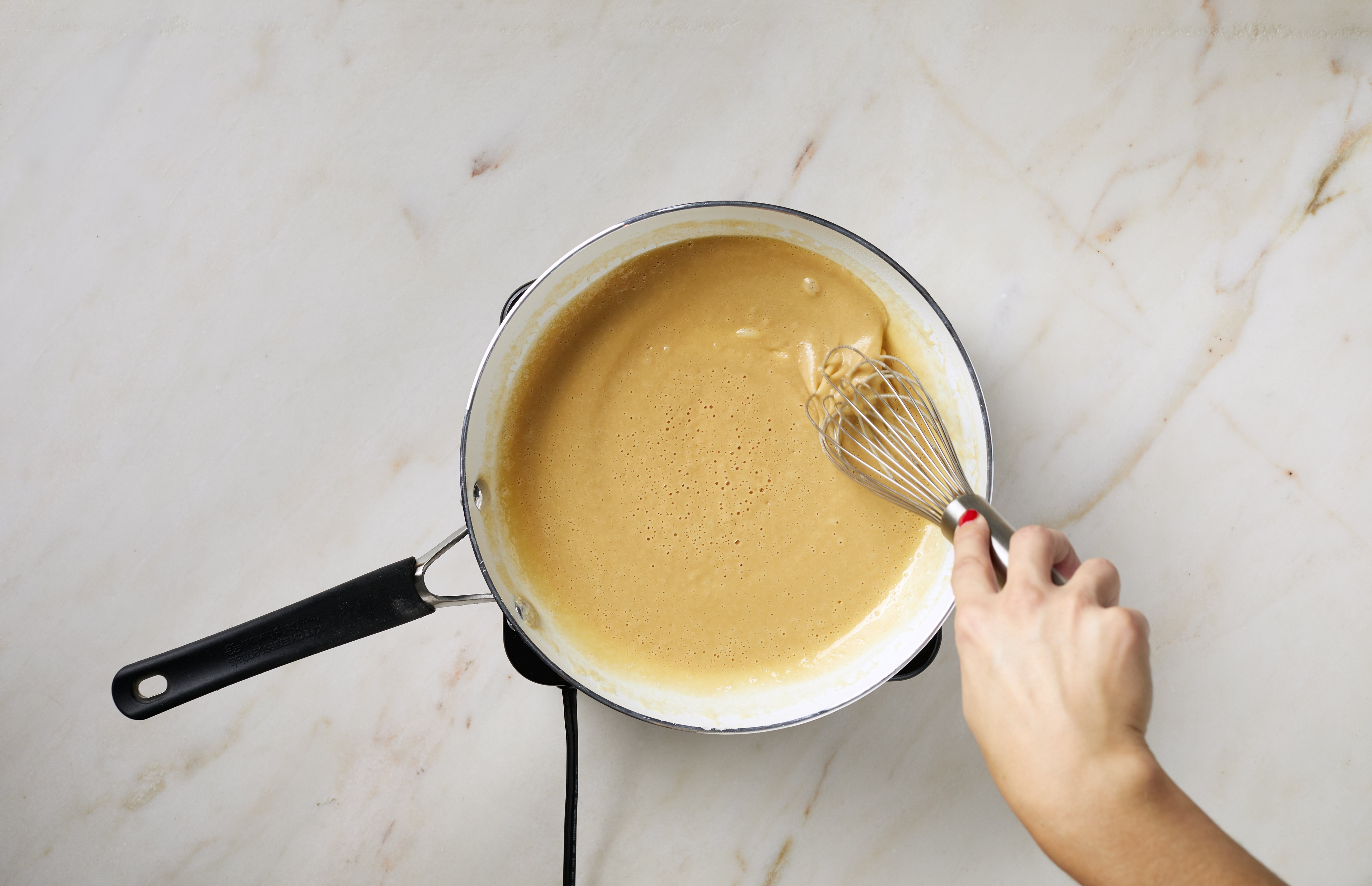
- Make the roux: In a large saucepan over medium heat, melt the butter. Whisk in the flour and cook, whisking constantly, for 1 minute, until it smells lightly toasted and looks like wet sand.
- Thicken the sauce: Slowly whisk in the warm milk, then whisk in the cream. Bring to a gentle simmer, whisking often, and cook 2 to 4 minutes until the sauce thickens enough to coat the back of a spoon. Whisk in the Dijon mustard, garlic powder, cayenne or hot sauce (if using), 1 teaspoon kosher salt, and a few grinds of black pepper.
- Add the cheese off-heat: Turn the heat to low, then remove the pan from the burner. Add 3 cups cheddar and all of the Monterey Jack, a handful at a time, stirring until fully melted and smooth before adding more. Stir in Parmesan if using. Taste and adjust salt and pepper as needed.
- Combine: Add the drained macaroni to the cheese sauce and fold until evenly coated.
- Assemble: Pour into the prepared baking dish and spread into an even layer. Sprinkle the remaining 1 cup cheddar evenly over the top.
- Top: In a small bowl, mix the panko with the olive oil (or melted butter) and a pinch of black pepper. Sprinkle evenly over the casserole.
- Bake: Bake 20 to 25 minutes, until the edges are bubbling and the center looks creamy but not liquid.
- Brown the top: Switch to broil for 1 to 3 minutes to deepen the color on top. Stay close. It can go from golden to scorched quickly.
- Rest: Let stand 10 minutes before scooping. This helps the sauce set slightly so you get creamy slices instead of a runny scoop.
Notes
Cheese note: For the smoothest melt, grate cheese yourself. If using pre-shredded, expect the sauce to be slightly less silky.
Make-ahead: Assemble, cool slightly, cover, and refrigerate up to 24 hours. Bake from cold at 375°F until bubbling throughout, usually 30 to 40 minutes. If the top browns too fast, cover loosely with foil for the first 15 to 20 minutes, then uncover to finish and broil briefly at the end.
Reheating a portion: Add a small splash of milk and reheat gently (microwave at 50% power in short bursts, stirring) to help the sauce stay smooth.