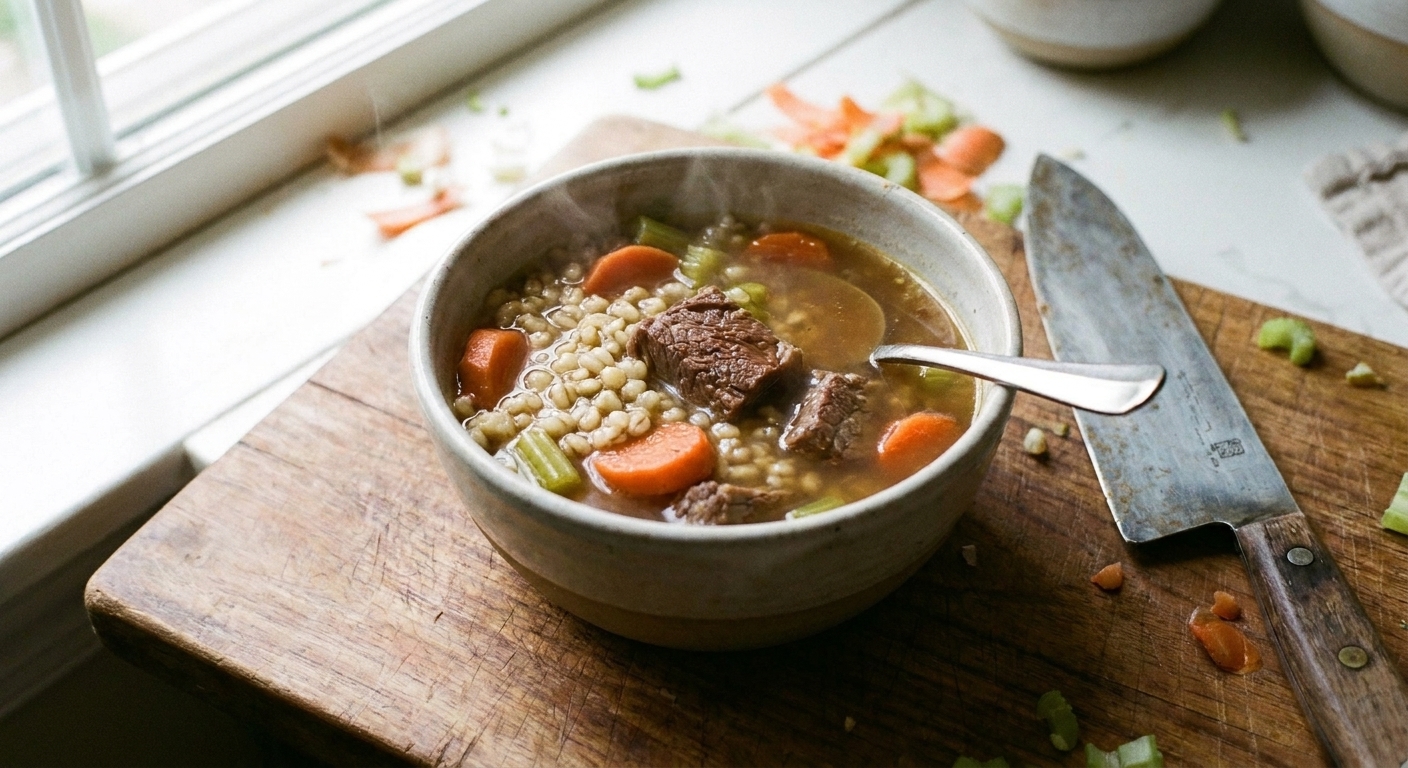

Beef barley soup is what I make when I want something that feels like a hug, but I do not want a thick, starchy stew that turns into gravy the second it cools. This one stays proudly brothy: savory beef, sweet carrots, aromatic celery and onion, and barley that gives you body without taking over the whole bowl.
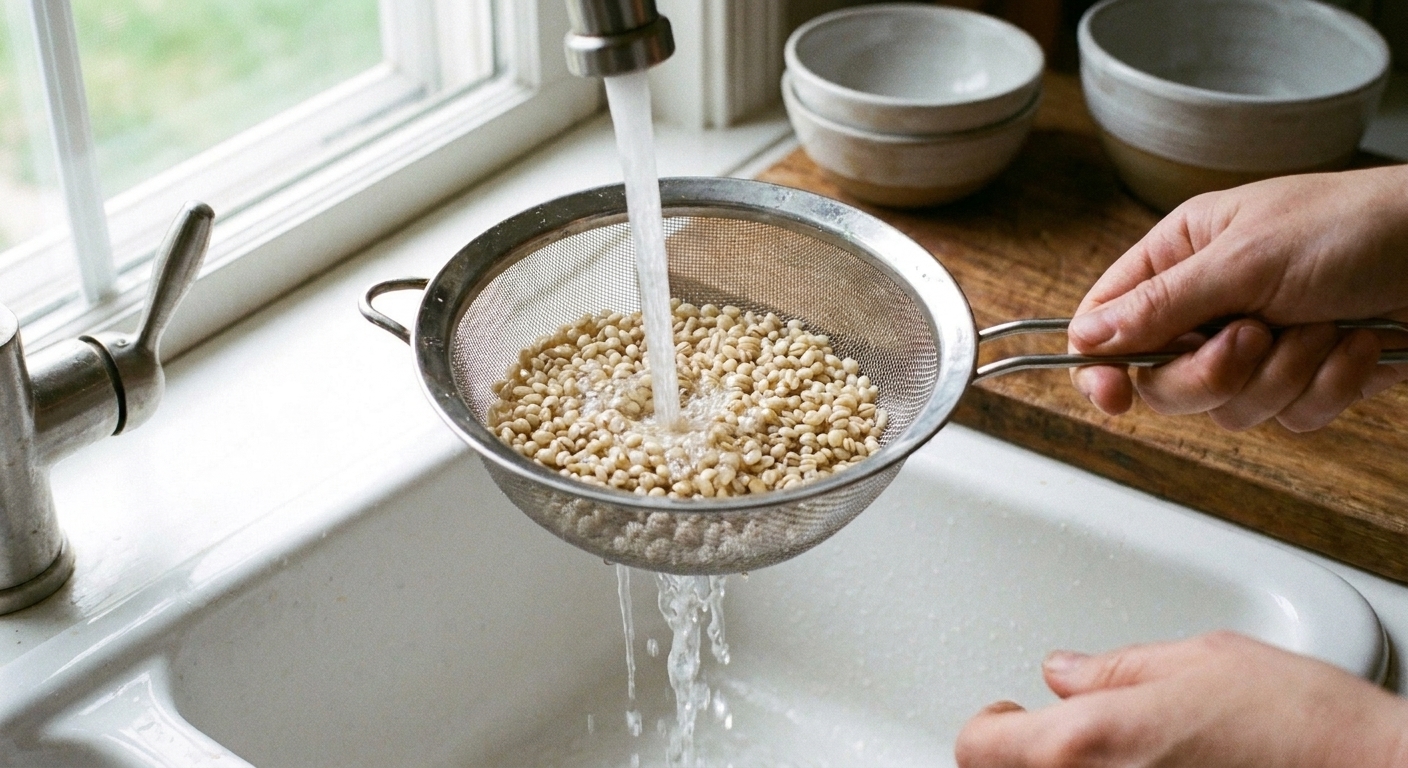
I built this recipe around three very practical home cook questions: should you rinse barley (it is optional, but I usually do to rinse off dust and keep the broth a little clearer), when should you add it (after the beef is on its way to tender), and how much liquid do you need to keep it a soup (more than you think, because barley drinks broth like a sponge, especially overnight, so plan on loosening leftovers with a splash of broth or water).
One quick barley note before you start: I am using pearl barley here because it cooks faster and still gives that chewy, cozy texture. Hulled barley is great too, but it takes longer and stays a bit firmer.

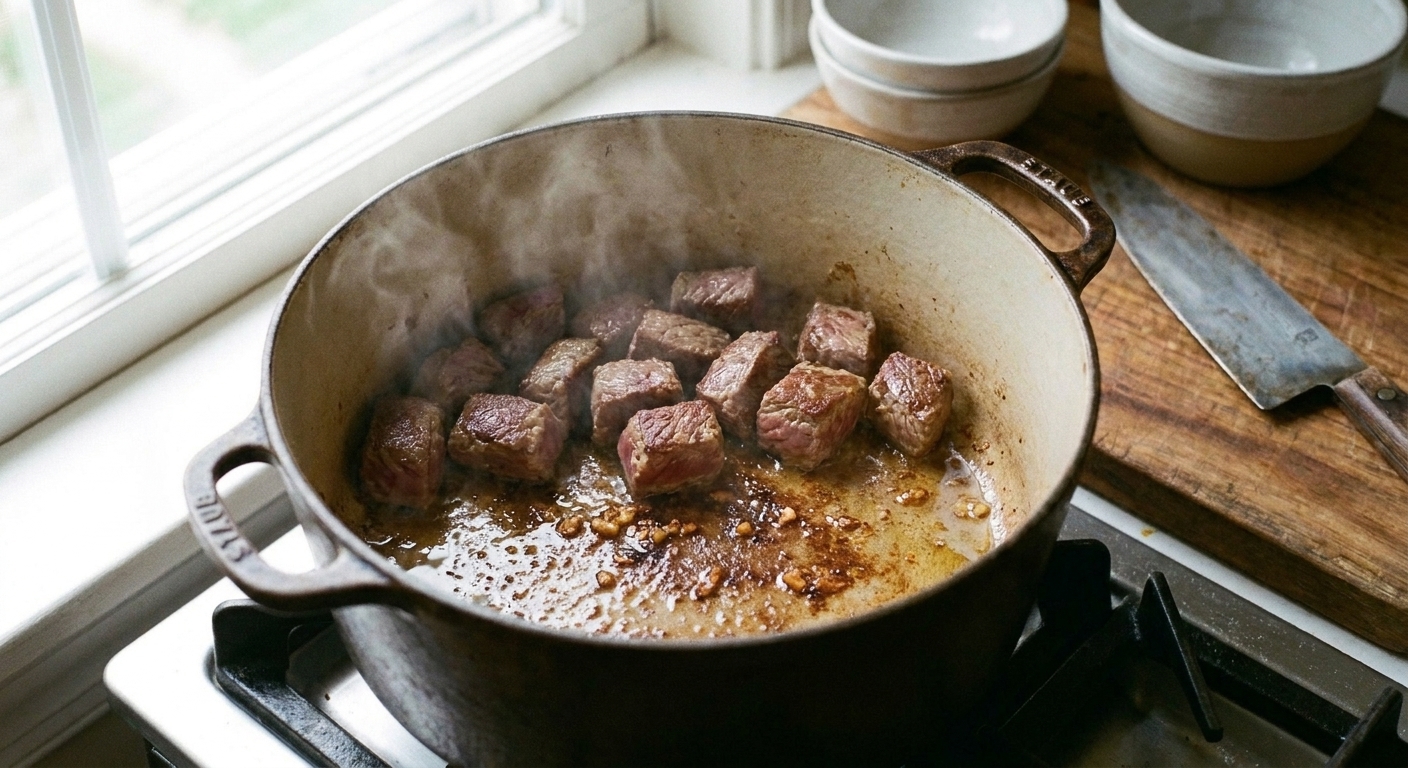
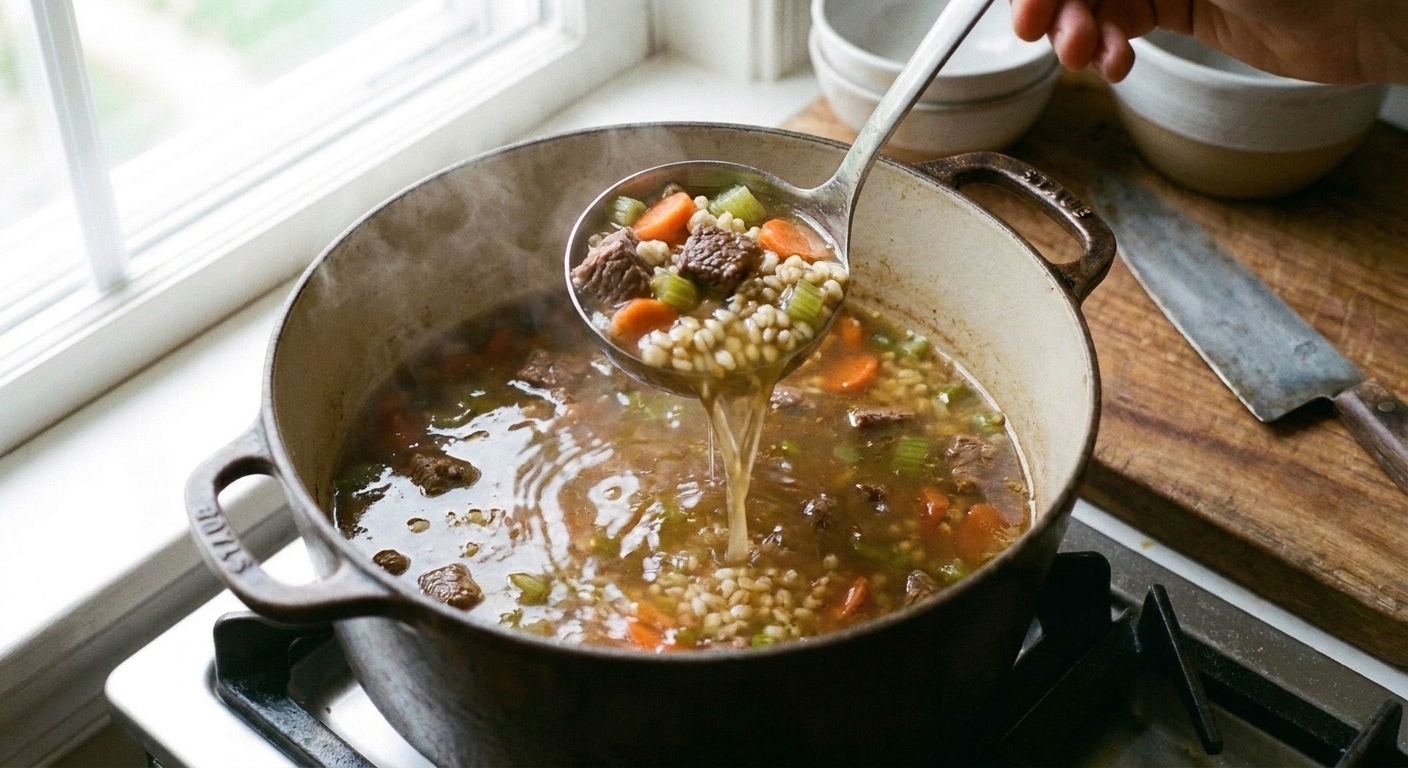
My favorite part is the simmer cue. You are not trying to braise this into shreddy stew meat. You want beef that yields easily when you bite it, but still holds its shape in a spoonful. That is easiest to hit at a gentle simmer, not a hard boil. Look for small, lazy bubbles that break the surface here and there, not violent bubbling across the whole pot.
Brothy, not thick
Barley adds a gorgeous, silky body, but it also thickens your soup as it cooks and even more as it sits. To keep the texture in the soup lane, we start with plenty of broth and add a little more near the end if needed. Think: spoonable broth that flows around the ingredients, not a pot that mounds up on the ladle.
What to expect
- A deep beefy broth built from browning the meat and sweating the aromatics
- Barley that is tender but still pleasantly chewy
- Vegetables that stay intact instead of dissolving
- Leftovers that reheat well with a simple splash of extra broth or water
Why this recipe works
- Rinsing the barley is optional, but it can remove dust and excess surface starch so the broth tastes cleaner and less gummy.
- Barley goes in after the beef starts to tenderize, so your grain finishes right as the beef turns spoon-tender. This helps prevent mushy barley or overcooked beef.
- A gentle simmer cue keeps the beef tender without turning it into stew: look for small, steady, lazy bubbles, not a rolling boil.
- Enough liquid from the start accounts for barley absorption. You get a brothy bowl on day one and an easy path to re-loosen leftovers.
- Layered seasoning (salt in stages plus an acidic finish) makes a simple ingredient list taste restaurant-complete.
Ingredient notes
Beef: Chuck roast is ideal here because it becomes tender at a simmer while still holding its shape. Cut into 3/4 to 1-inch pieces for the best spoon feel.
Pearl barley: Pearl barley cooks faster and is easier for weeknights. Rinse it well, then drain. If you use hulled barley, expect a longer cook time and consider adding more broth as it simmers.
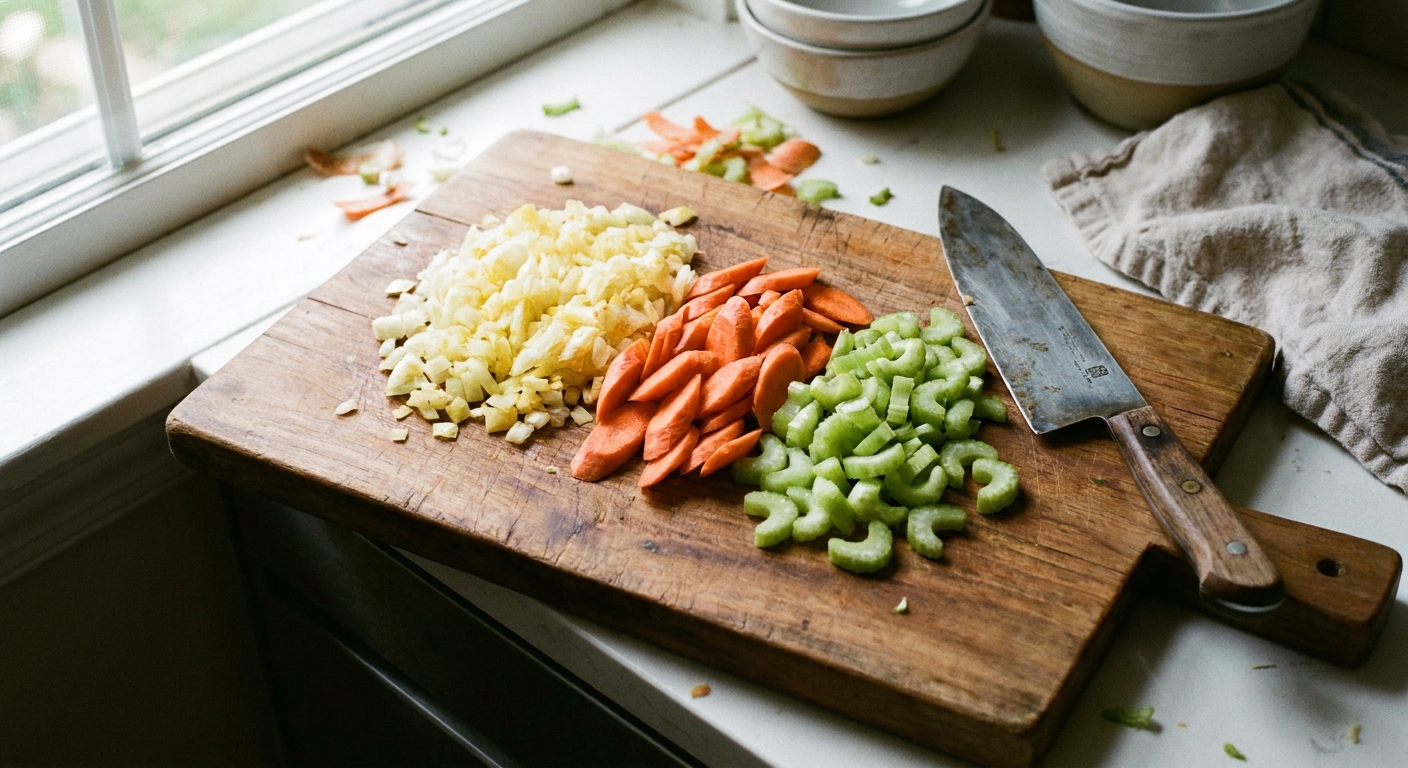
Onion, carrot, celery: This classic base builds sweetness and aroma. Cut them evenly so they cook at the same pace. If your celery is a little limp, use it anyway. Soup is one of my favorite low-waste destinations.
Broth: Use low-sodium beef broth if possible. It gives you room to season correctly. Water plus a spoon of better-than-bouillon style paste also works.
Tomato paste (optional but recommended): A small amount adds color and savory depth without making the soup taste like tomato.
Acid at the end: A splash of red wine vinegar or lemon brightens the whole pot. This is the salt and acid balance moment I obsess over in the best way.
Equipment you will need
- Large Dutch oven or heavy-bottomed soup pot (5 to 7 quarts)
- Fine-mesh strainer for rinsing barley
- Wooden spoon for scraping up browned bits
- Sharp knife and cutting board
- Ladle for serving
Pro tips
- Brown in batches: If you crowd the pot, the beef steams and you lose that deep flavor. Give the pieces breathing room.
- Deglaze like you mean it: When you add broth, scrape the browned bits off the bottom. That is free flavor.
- Simmer cue for tender beef: Keep the pot at a gentle simmer, with small, lazy bubbles popping around the edges and a few in the center. If it is rolling hard, lower the heat. Boiling can make beef tighten up and feel dry.
- When to add the barley: Add it once the beef is about halfway to tender. Practically, that is when you can cut a piece with the side of a spoon but it still has some chew.
- Keep it brothy: If the soup starts to look like it is thickening into porridge, add 1/2 to 1 cup hot broth or water, then re-taste for salt.
- Salt and acid finish: Taste at the end and adjust with salt first, then a small splash of vinegar or lemon. Do not add the acid too early or it can slow tenderizing.
Substitutes that work
- Beef chuck: Substitute stew meat, bottom round, or brisket point. Bottom round is leaner and can be less forgiving, so keep the simmer gentle and start checking earlier.
- Pearl barley: Farro (pearled) is a nice swap. It is slightly nuttier and may take a similar amount of time. Rice works in a pinch, but the texture is different and it can cloud the broth more.
- Beef broth: Chicken broth works if that is what you have. To deepen it, add a little soy sauce or Worcestershire and a spoon of tomato paste.
- Wine: If you do not cook with wine, skip it and add a bit more broth. You can still finish with vinegar for brightness.
- Gluten-free: Barley contains gluten. Swap with rice, sorghum, or buckwheat groats and adjust simmer time until the grain is tender.
Variations
- Mushroom beef barley: Add 8 ounces sliced cremini mushrooms with the onion, carrot, and celery. Brown them lightly for extra savory depth.
- Herby finish: Stir in chopped parsley and dill right before serving for a fresher, lighter bowl.
- Spiced winter version: Add a pinch of smoked paprika and a bay leaf. Keep it subtle so the broth stays clean and classic.
- Extra-vegetable: Add diced parsnip with the carrots, or stir in a few handfuls of baby spinach at the end until just wilted.
Serving ideas
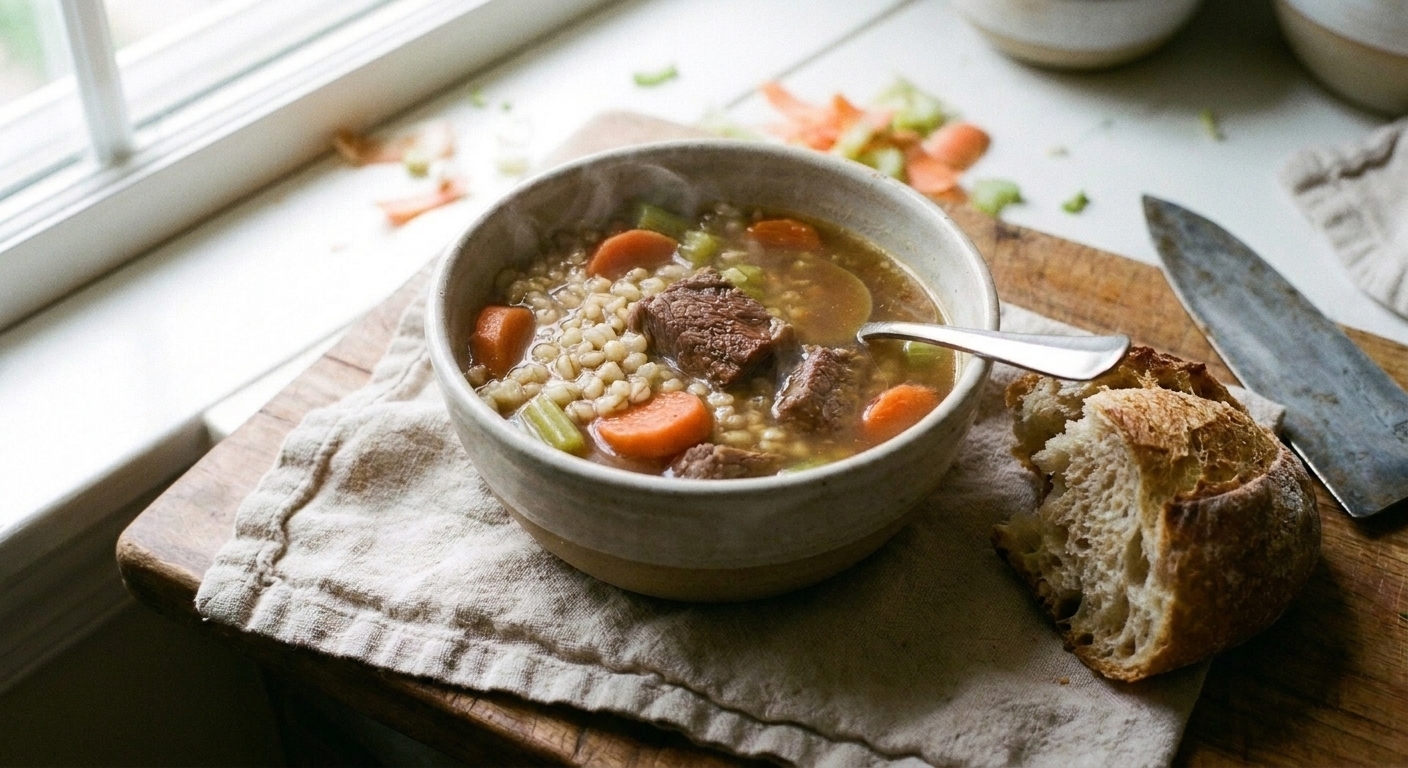
- Serve with crusty bread or a toasted baguette for dunking.
- Add a simple green salad with a sharp vinaigrette to balance the richness.
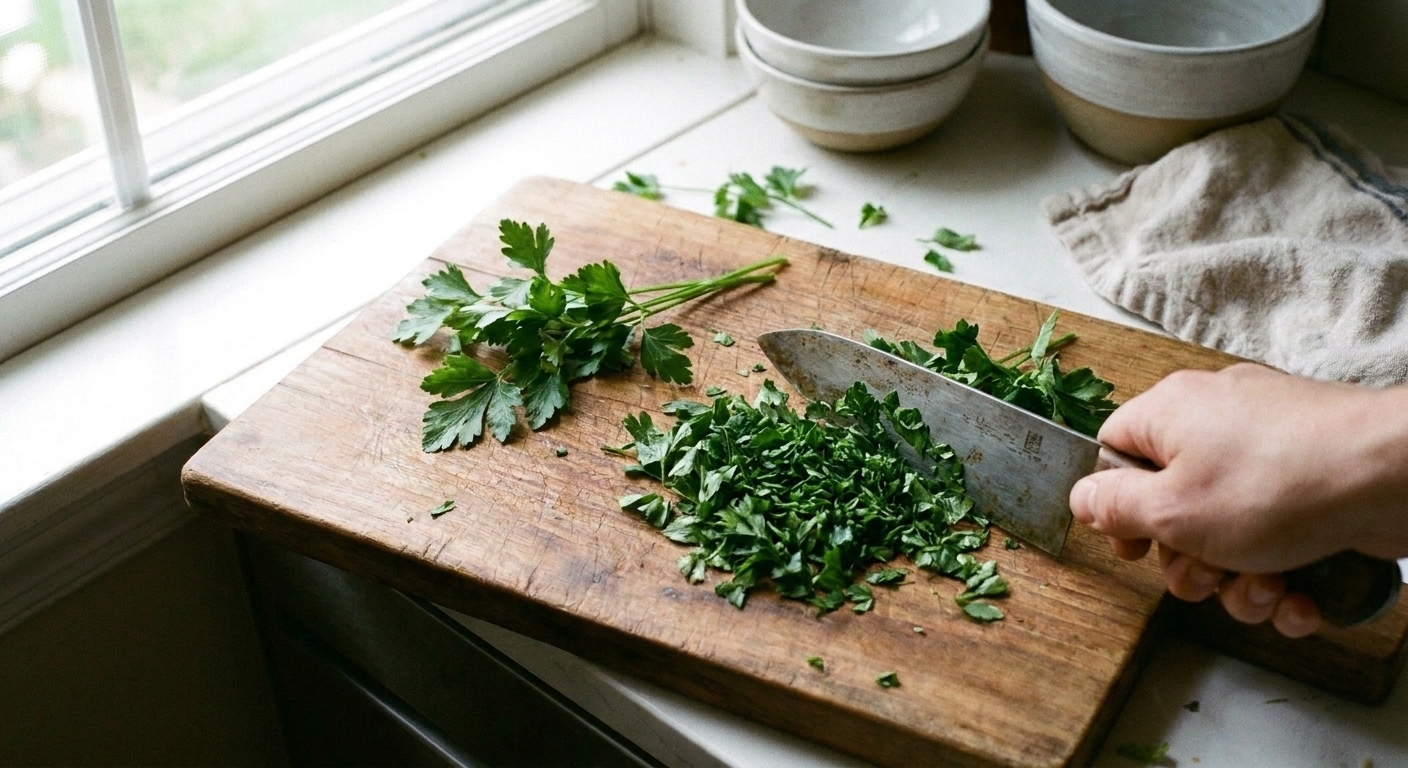
- Top each bowl with minced parsley and a few grinds of black pepper.
- If you want it extra cozy, add a small spoon of grated horseradish on the side and swirl it in.
Storage and reheating
Refrigerator: Store in an airtight container for up to 4 days. Expect the barley to keep absorbing broth as it sits.
Reheating: Warm gently on the stove or in the microwave. Add a splash of broth or water as needed to bring it back to a brothy consistency, then re-taste for salt.
Freezing: You can freeze it, but barley can soften further after thawing. If you are making it specifically to freeze, consider cooking the barley separately and adding it to each portion when reheating.
Common mistakes
- Skipping the barley rinse: Your soup will still work, but it can taste a little dusty and the broth may turn more starchy.
- Boiling the soup: A hard boil can make the beef tougher and can break down vegetables too fast.
- Adding barley too early: You risk mushy barley by the time the beef is tender, or you overcook the beef to wait for the barley.
- Not using enough liquid: Barley swells and thickens. Start brothy, then adjust near the end.
- Under-seasoning at the end: Long-simmered soups often need a final salt check plus a small hit of acid to taste bright and finished.
FAQ
Do I have to rinse pearl barley?
No. It is optional, but I recommend it. A quick rinse in a fine-mesh strainer removes dust and some surface starch, which can help the broth taste cleaner and less gummy.
How do I keep beef barley soup from getting too thick?
Use a generous amount of broth from the start and plan to add more as needed. Barley continues to absorb liquid as it sits, so leftovers almost always need a splash of broth or water when reheating.
When should I add barley to the soup?
Add it after the beef has simmered for a while and is on its way to tender. That timing lets the barley finish cooking right as the beef becomes spoon-tender.
How do I know when the beef is tender but not falling apart?
Lift out a piece and press it with the side of a spoon. It should yield easily and feel pleasant to chew, but still hold its edges instead of shredding.
Can I make it ahead?
Absolutely. The flavor gets even better the next day. Just be ready to add extra broth or water when reheating to keep it brothy.
Beef Barley Soup
A classic, brothy beef barley soup with onion, carrot, and celery. Rinse the barley, add it once the beef is on its way to tender, and keep the pot comfortably soup-like with plenty of broth and a bright finish.
- Prep
- 20 minutes
- Cook
- 1 hour 20 minutes
- Total
- 1 hour 40 minutes
- Yield
- 6 servings
Ingredients
- 1 cup pearl barley
- 2 tbsp olive oil (or other neutral cooking oil)
- 1 1/2 lb beef chuck roast, cut into 3/4 to 1-inch cubes
- 1 1/2 tsp kosher salt, plus more to taste
- 1/2 tsp black pepper, plus more to taste
- 1 large yellow onion, diced
- 2 medium carrots, sliced into 1/4-inch rounds
- 2 celery ribs, sliced
- 3 garlic cloves, minced
- 2 tbsp tomato paste (optional)
- 1/2 cup dry red wine (optional)
- 8 cups low-sodium beef broth, plus more as needed
- 2 tsp Worcestershire sauce (optional but recommended)
- 1 bay leaf (optional)
- 1 to 2 tsp red wine vinegar or lemon juice, to finish
- 2 tbsp chopped fresh parsley, for serving (optional)
Instructions
- Rinse the barley: Add the barley to a fine-mesh strainer and rinse under cold running water until the water runs mostly clear, 30 to 60 seconds. Drain well and set aside.
- Brown the beef: Heat the oil in a large Dutch oven or heavy pot over medium-high heat. Pat the beef dry, then season with the salt and pepper. Working in batches so you do not crowd the pot, brown the beef on 2 to 3 sides until you get deep golden edges, 6 to 10 minutes total per batch. Transfer browned beef to a plate.
- Sweat the vegetables: Reduce heat to medium. Add the onion, carrots, and celery to the pot. Cook, stirring and scraping up browned bits, until the onion softens and looks translucent, 6 to 8 minutes. Stir in the garlic and cook 30 seconds.
- Build flavor: If using tomato paste, stir it in and cook for 1 minute to lightly caramelize. If using wine, pour it in and simmer, scraping the bottom, until reduced by about half, 2 to 3 minutes.
- Simmer the beef gently: Return the beef and any juices to the pot. Add the beef broth, Worcestershire sauce (if using), and bay leaf (if using). Bring to a boil, then immediately reduce to a gentle simmer. Cook partially covered for 35 minutes, adjusting heat to maintain small, steady bubbles rather than a rolling boil.
- Add the barley at the right moment: Stir in the rinsed barley. Continue to simmer gently, partially covered, until the barley is tender and the beef is spoon-tender but still holds its shape, 30 to 40 minutes. Stir occasionally to prevent barley from sticking to the bottom.
- Keep it brothy: If the soup looks too thick at any point, stir in 1/2 to 1 cup additional hot broth or water, then return to a gentle simmer for a few minutes.
- Finish and serve: Remove bay leaf. Taste and adjust salt and pepper. Stir in 1 to 2 teaspoons vinegar or lemon juice to brighten. Ladle into bowls and top with parsley, if using.
Notes
Barley absorption: This soup will thicken as it sits. When reheating, add broth or water a splash at a time until it is nicely brothy again, then re-taste for seasoning.
Simmer cue: Aim for small bubbles that gently break the surface. If it is boiling hard, the beef can tighten and the broth can turn cloudy.
Make-ahead tip: For the brothiests leftovers, store extra broth separately or plan to add 1 to 2 cups water or broth when reheating.