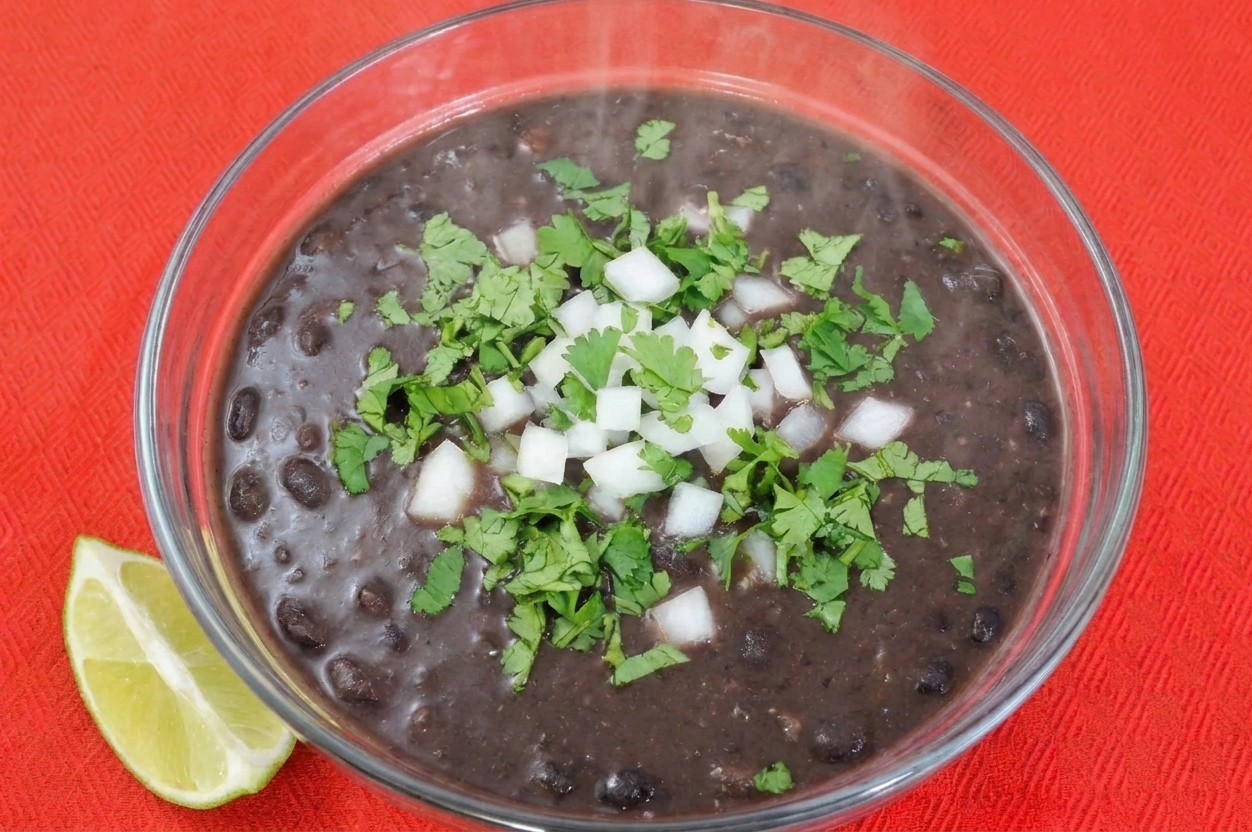

Black bean soup is one of those back-pocket dinners I lean on when I want something deeply savory without a long ingredient list. You get that slow-cooked-tasting, restaurant-worthy flavor from everyday pantry staples: onion, garlic, cumin, and broth. Whether you start with canned beans for speed or dried beans when you have more time, the trick is the same: build a flavorful base first, then choose your texture, silky and blended, or brothy with more whole beans.

Two things tend to make or break black bean soup for me at home. First, acid at the end (lime, vinegar, or even a little pickled jalapeño brine) to wake everything up. Second, keeping the soup from going thick and pasty. Black beans are high in starch, which is a good thing, but if you blend too much and then let the pot boil hard, the starch can make the soup feel gluey as the liquid reduces. I like a spoon-coating body that still feels like soup, not a dip, and this recipe shows you how to get there.
Why this recipe works
- Onion and garlic first: Sautéing them until soft creates a sweet, savory foundation that makes a short ingredient list taste like more.
- Cumin blooms in oil: Toasty cumin in the pot before liquids go in gives you deeper flavor than sprinkling it into broth.
- Starch works for you: Blending just part of the soup creates a naturally creamy texture without dairy.
- Acid at the end: Lime juice or vinegar brightens the beans and keeps the soup from tasting heavy.
- Gentle heat: A calm simmer helps the soup stay silky instead of gluey.
Ingredient notes
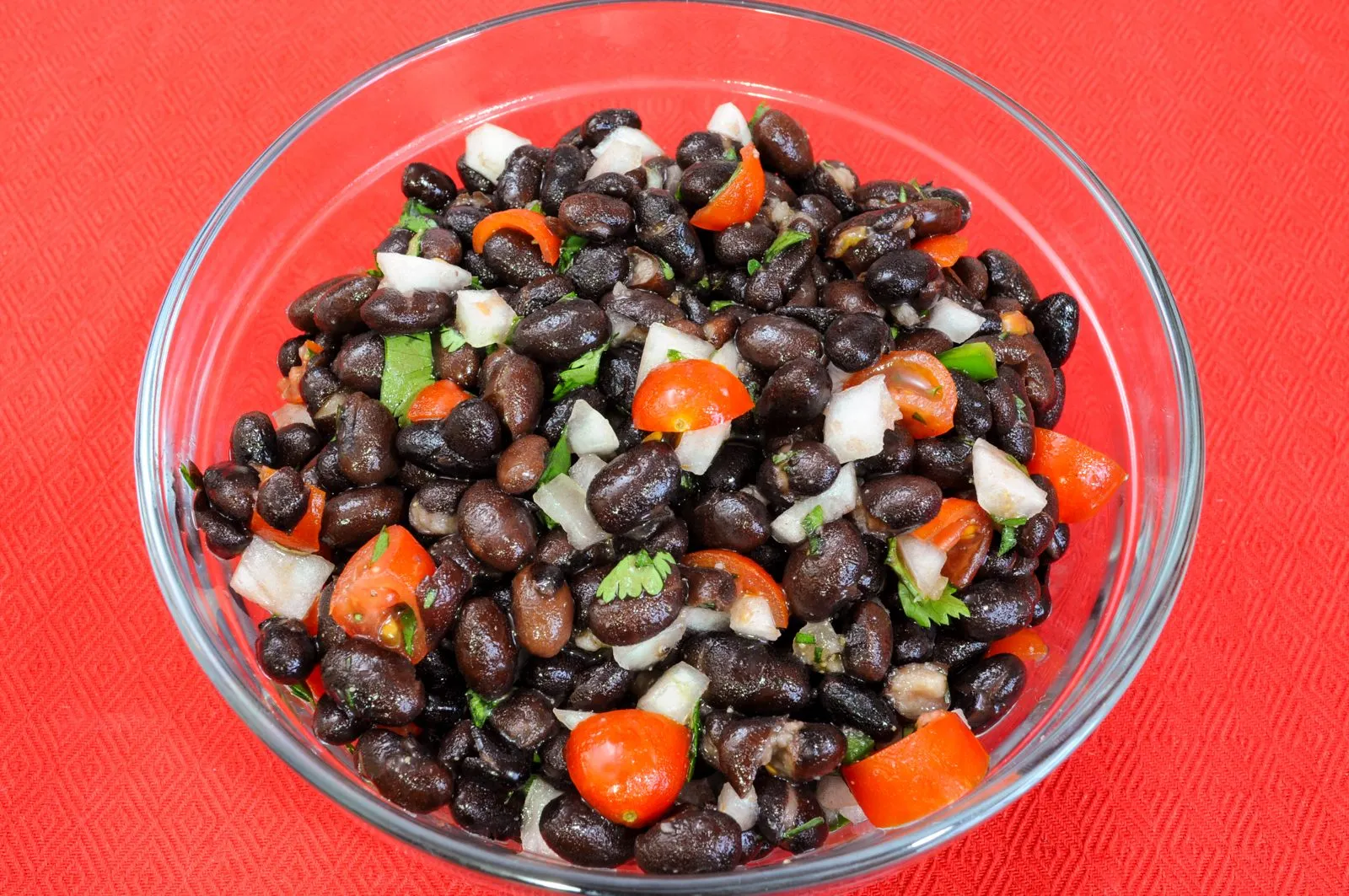
- Black beans (cooked or dried): Cooked beans are the fastest route and make this a true weeknight meal. If you start with dried beans, you will simmer them right in the seasoned broth until tender.
- Onion: Yellow onion is my default for sweetness and body.
- Garlic: Fresh is best here. If you only have garlic powder, use it with the cumin when you bloom spices.
- Ground cumin: Earthy and essential. If your cumin has been in the back of a drawer for years, consider replacing it. Old cumin tastes like dust.
- Broth: Vegetable or chicken broth both work. If your broth is low sodium, you will likely need more salt at the end.
- Acid to finish: Lime juice is classic. Red wine vinegar, apple cider vinegar, or a splash of hot sauce also works.
- Optional flavor builders: A bay leaf, oregano, smoked paprika, or a pinch of chili flakes are all welcome, but not required.
Equipment you will need
- Large heavy-bottomed pot or Dutch oven
- Cutting board and knife
- Wooden spoon
- Immersion blender (easiest) or countertop blender
- Measuring spoons
Pro tips
- For maximum flavor: Sauté the onion until it turns translucent and smells sweet, then add garlic and cumin for 30 to 60 seconds before adding liquids.
- Blender safety: If using a countertop blender, vent the lid and cover with a towel. Hot soup expands and can pop the lid.
- Thin it the right way: Use hot broth or hot water so the soup stays at serving temperature.
- Salt in layers: Season the onion base lightly, then finish seasoning after blending. Blending changes how you perceive salt.
- Want it more soupy: Add broth and simmer 5 minutes after thinning so it tastes cohesive, not watered down.
Substitutes that work
- No broth: Water works. Add an extra pinch of salt and consider a bay leaf for depth.
- No lime: Use vinegar. Start with 1 teaspoon, taste, then add more.
- No onion: In a pinch, use 1 to 2 teaspoons onion powder added with the cumin.
- No immersion blender: Mash beans with a potato masher for a rustic, thickened broth.
Variations
- Smoky: Add 1 teaspoon smoked paprika with the cumin.
- Spicy: Add a pinch of cayenne or a chopped chipotle in adobo (start small, it builds).
- Extra veg: Sauté diced bell pepper with the onion, or add a handful of baby spinach at the end to wilt.
- Creamy swirl: Top bowls with a spoonful of plain yogurt or sour cream and a squeeze of lime.
Serving ideas
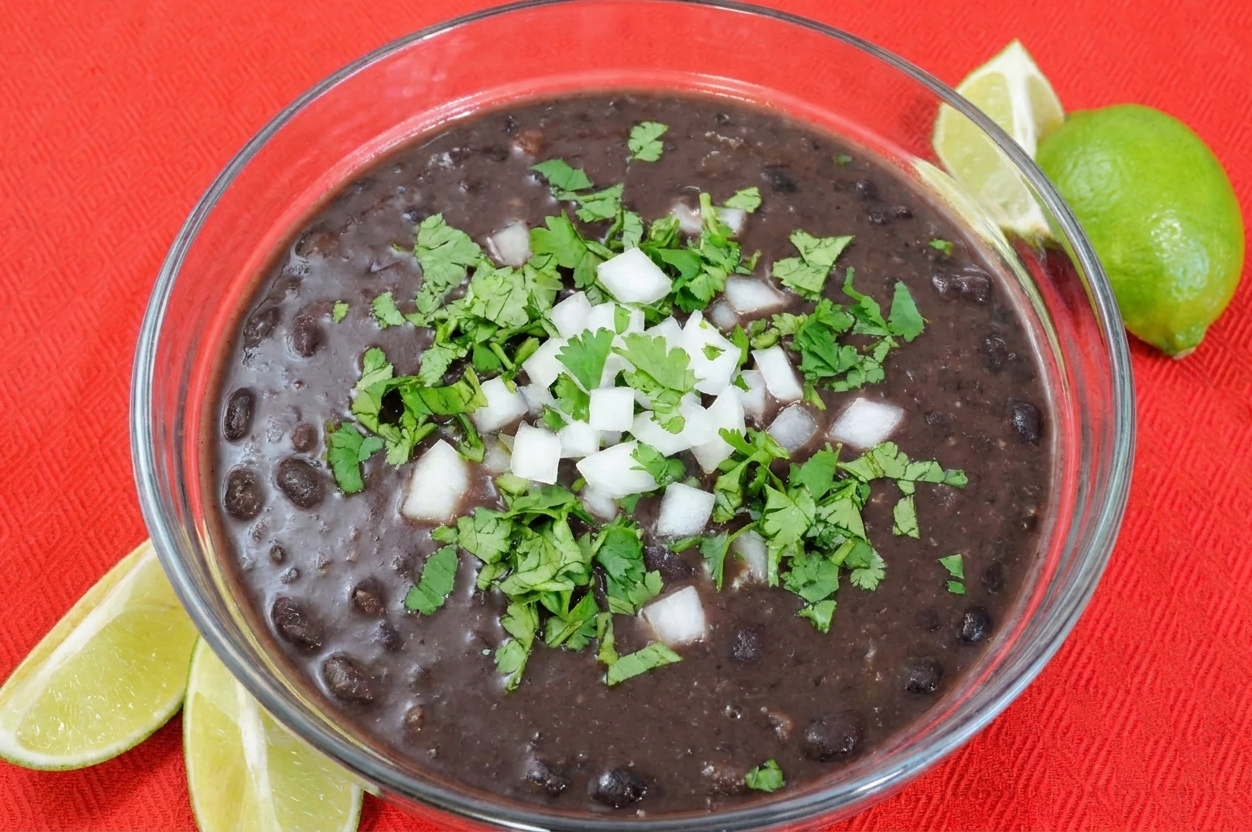
- Toppings: cilantro, diced onion, scallions, sliced jalapeño, avocado, or crushed tortilla chips
- Serve with warm tortillas, cornbread, or a simple green salad
- For meal prep: pack lime wedges separately and add right before eating
Storage and reheating
- Refrigerate: Cool, then store in an airtight container for up to 5 days.
- Freeze: Freeze up to 3 months. Leave a little headspace for expansion.
- Reheat: Warm gently over medium-low heat, stirring often. Add broth or water as needed because the soup thickens as it sits.
Common mistakes
- Blending the entire pot: This is the fastest route to pasty soup. Blend part, then decide if you want more.
- Boiling hard: A rolling boil reduces the liquid quickly and concentrates starch. Keep it at a gentle simmer.
- Skipping the acid: The soup can taste heavy or dull without that final squeeze of lime or splash of vinegar.
- Underseasoning: Beans can take more salt than you think. Season gradually and taste after blending.
FAQ
Can I make this with canned black beans?
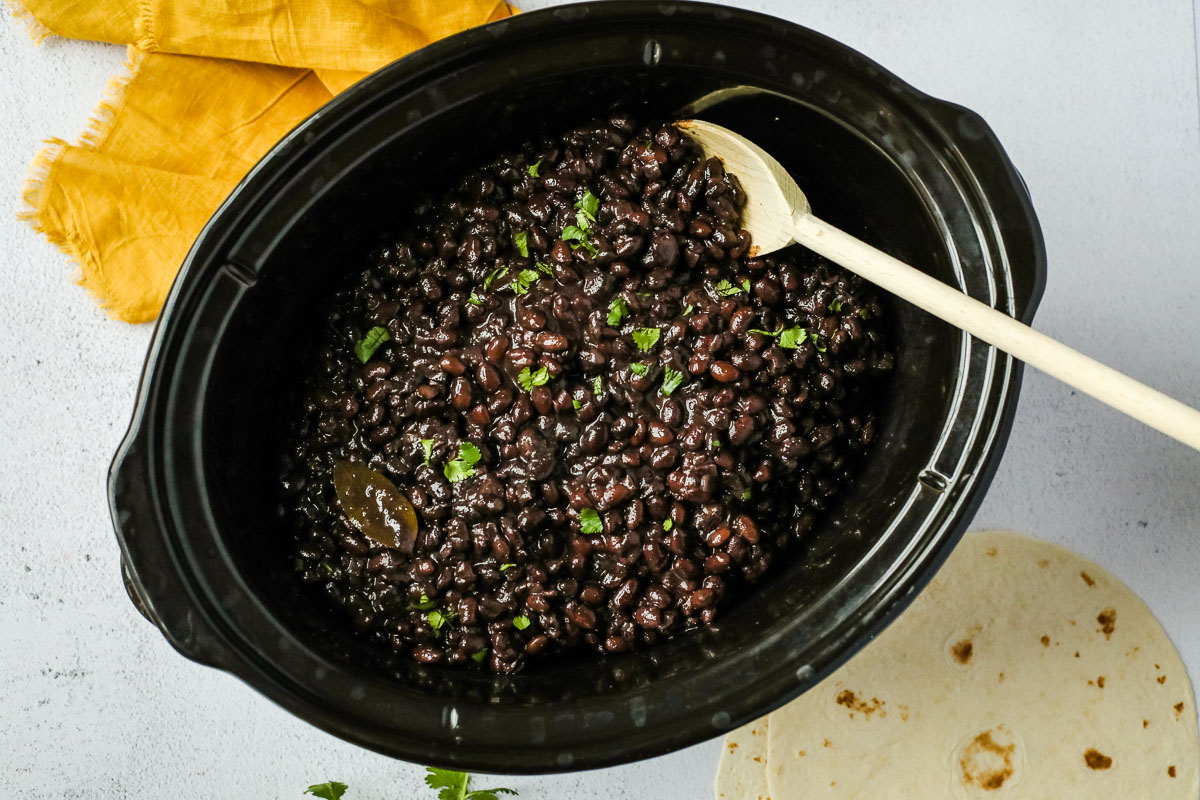
Yes. It is the fastest option. Rinse and drain the beans, then simmer them in the sautéed onion, garlic, cumin, and broth long enough for the flavors to meld.
Can I start with dried black beans?
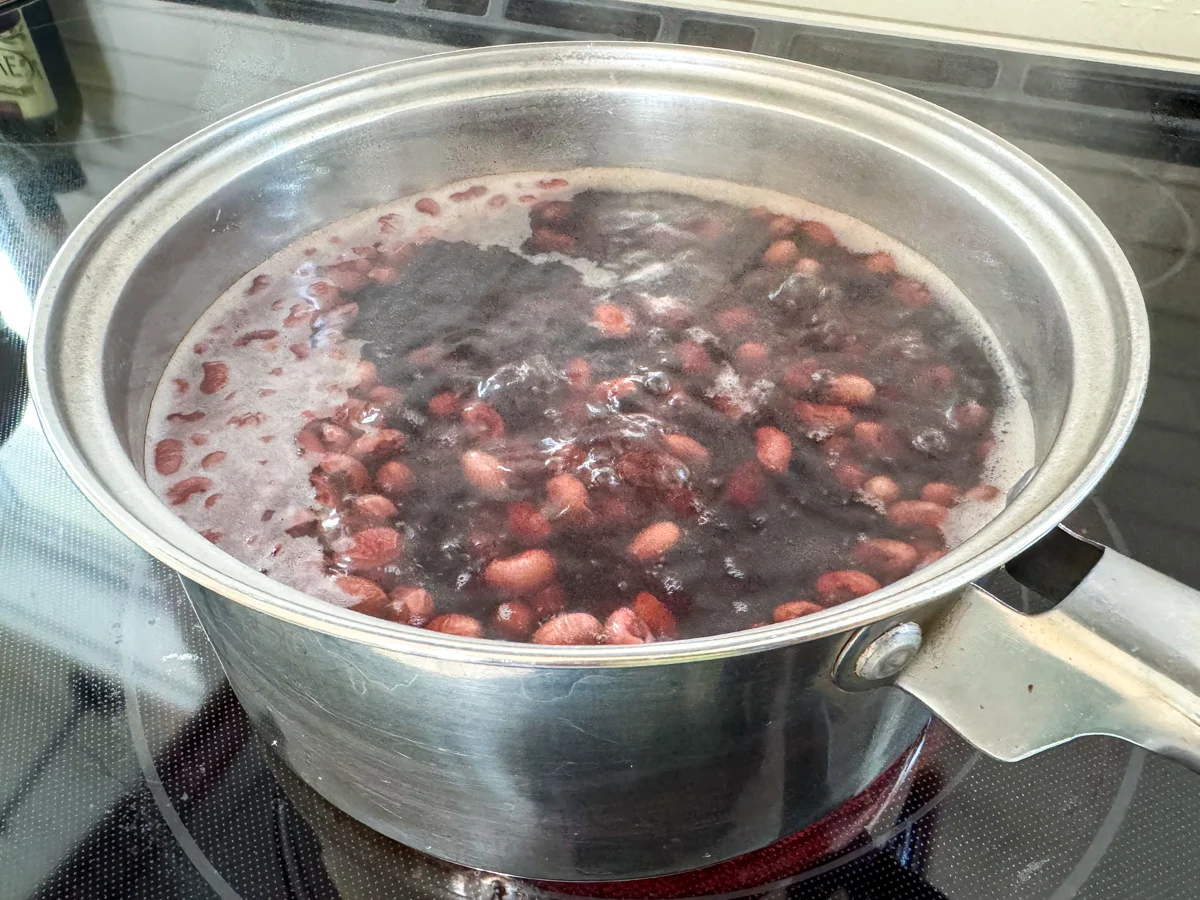
Yes. You will need more time, but the method is still simple: sauté your aromatics and cumin, add broth and dried beans, then simmer until the beans are fully tender before blending. Do not add your finishing acid until the end.
Why did my black bean soup turn thick and gluey?
Usually it is overblended and the liquid reduced too much, often from a hard boil. Thin with hot broth or water, then keep the heat at a gentle simmer. Next time, blend only 25 to 50 percent of the pot.
When should I add lime juice or vinegar?
Add it off heat or at the very end of cooking. I like to adjust acid first, then fine-tune salt, because acidity can shift what tastes seasoned.
Black Bean Soup
Savory black bean soup with onion, garlic, cumin, and broth, finished with a bright hit of acid. Blend it smooth or keep it brothy, with simple tricks to prevent a pasty texture.
- Prep
- 15 minutes
- Cook
- 45 minutes
- Total
- 1 hour
- Yield
- 6 servings
Ingredients
- 2 tbsp olive oil
- 1 large yellow onion, diced
- 4 garlic cloves, minced
- 2 tsp ground cumin
- 1/2 tsp kosher salt, plus more to taste
- 1/4 tsp black pepper
- 6 cups broth (vegetable or chicken), plus more as needed
- If using cooked beans: 4 cups cooked black beans (or 2 (15 oz) cans), rinsed and drained
- If using dried beans: 1 lb dried black beans, rinsed and picked over
- 1 bay leaf (optional)
- 1 tbsp fresh lime juice or 2 tsp vinegar, plus more to taste
Instructions
- Sauté the base: Heat olive oil in a large pot or Dutch oven over medium heat. Add onion and cook, stirring occasionally, until softened and translucent, 6 to 8 minutes.
- Add garlic and cumin: Add garlic, cumin, salt, and pepper. Cook, stirring constantly, until very fragrant, 30 to 60 seconds.
- Add liquid and beans: Pour in broth. Add the beans (cooked or dried) and bay leaf, if using. Bring to a boil, then immediately reduce to a gentle simmer.
- Simmer until tender:
- If using cooked beans: Simmer 15 to 20 minutes to meld flavors.
- If using dried beans: Simmer uncovered or partially covered until the beans are fully tender, 60 to 90 minutes. Stir occasionally and add more broth or water if the liquid level drops below the beans.
- Blend for your texture: Remove bay leaf. For a creamy but not pasty soup, blend about 25 to 50 percent of the soup with an immersion blender, leaving plenty of whole beans. Alternatively, carefully blend 2 to 3 cups in a countertop blender and stir it back into the pot.
- Adjust thickness: If the soup feels too thick, add hot broth or hot water a splash at a time until it is spoonable and silky. Keep the heat low and avoid a hard boil.
- Finish with acid: Turn off the heat. Stir in lime juice or vinegar. Taste and add more acid and salt as needed until the flavor tastes bright and balanced. (I usually adjust acid first, then salt, because the acidity changes what tastes “salty” to me.)
- Serve: Ladle into bowls and top as you like (cilantro, diced onion, avocado, tortilla chips, or a drizzle of yogurt).
Notes
Brothy version: Blend less, then thin with an extra 1 to 2 cups broth if desired. Simmer 5 minutes after thinning so the broth tastes integrated.
Blender safety: If using a countertop blender, do not fill more than halfway. Vent the lid and cover with a towel to prevent hot soup from forcing the lid off.
Make-ahead: The soup thickens as it sits. Reheat gently and loosen with broth or water.