
If you have ever walked past your slow cooker and thought, Surely you can handle beans while I do literally anything else, you are my kind of cook.
Slow-cooker beans are hands-off, budget-friendly, and one of my favorite low-effort ways to keep my fridge stocked with building blocks for fast meals. The key is using enough water, understanding timing ranges (slow cookers vary wildly), and knowing when not to use the slow cooker for certain beans.

Quick rules for slow-cooker beans
- Sort and rinse first. Pour beans onto a sheet pan to pick out stones or broken beans, then rinse well.
- Do not fill past two-thirds. Beans expand a lot.
- Start with hot water if you can. It helps the slow cooker get into a safe, steady simmer sooner. (If your insert is cold ceramic, check your manual and avoid thermal shock. Hot tap water is plenty.)
- Keep beans covered. Times below assume beans stay under at least 1 to 2 inches of water. If your slow cooker runs dry or you notice evaporation, add more hot water as needed.
- Avoid acidic ingredients early. Tomatoes, vinegar, wine, citrus, and molasses can slow softening. Add once beans are tender.
- Salt timing is flexible. Salting early gives the best overall seasoning, but if you routinely struggle with tough skins, try salting later. I give both options below.
- Kidney-family beans need a safety step. More on that below. This is not negotiable.
Water ratios and cooking times (soaked vs unsoaked)
These ratios are written for 1 cup dry beans. Scale up as needed, keeping the pot no more than two-thirds full. Times assume beans are covered by at least 1 to 2 inches of water throughout cooking.
Slow-cooker reality check: “Low” on one model can be “barely warm,” while another runs like a gentle simmer. Use the hour ranges as a guide, but trust doneness cues: beans should be creamy inside, not chalky, and skins should be intact but tender.
Two things that stretch cook times: older beans and higher altitude. If you live at elevation, plan on the higher end of the ranges (and sometimes beyond).
Black beans
- Unsoaked: 1 cup beans + 4 cups water. Cook on LOW 7 to 9 hours or HIGH 3 to 5 hours.
- Soaked (8 to 12 hours): 1 cup beans + 3 cups water. Cook on LOW 4 to 6 hours or HIGH 2 to 3 hours.
Pinto beans
- Unsoaked: 1 cup beans + 4 cups water. Cook on LOW 7 to 10 hours or HIGH 3 to 5 hours.
- Soaked (8 to 12 hours): 1 cup beans + 3 cups water. Cook on LOW 4 to 6 hours or HIGH 2 to 3 hours.
Chickpeas (garbanzo beans)
- Unsoaked: 1 cup chickpeas + 5 cups water. Cook on LOW 8 to 10 hours or HIGH 4 to 6 hours.
- Soaked (8 to 12 hours): 1 cup chickpeas + 4 cups water. Cook on LOW 5 to 7 hours or HIGH 2.5 to 4 hours.
My base method (works for most beans)
This is my weeknight-friendly approach for black beans, pintos, and chickpeas.
What you need
- 1 cup dry beans (black, pinto, or chickpeas)
- Water (use the ratios above)
- Optional aromatics: 1/2 onion, a couple garlic cloves, a bay leaf
- Optional fat for flavor: 1 tablespoon olive oil, or a small piece of bacon for pintos
- Salt (timing guidance below)
Step-by-step
- Sort and rinse. Check for stones, then rinse beans under cool water until the water runs mostly clear.
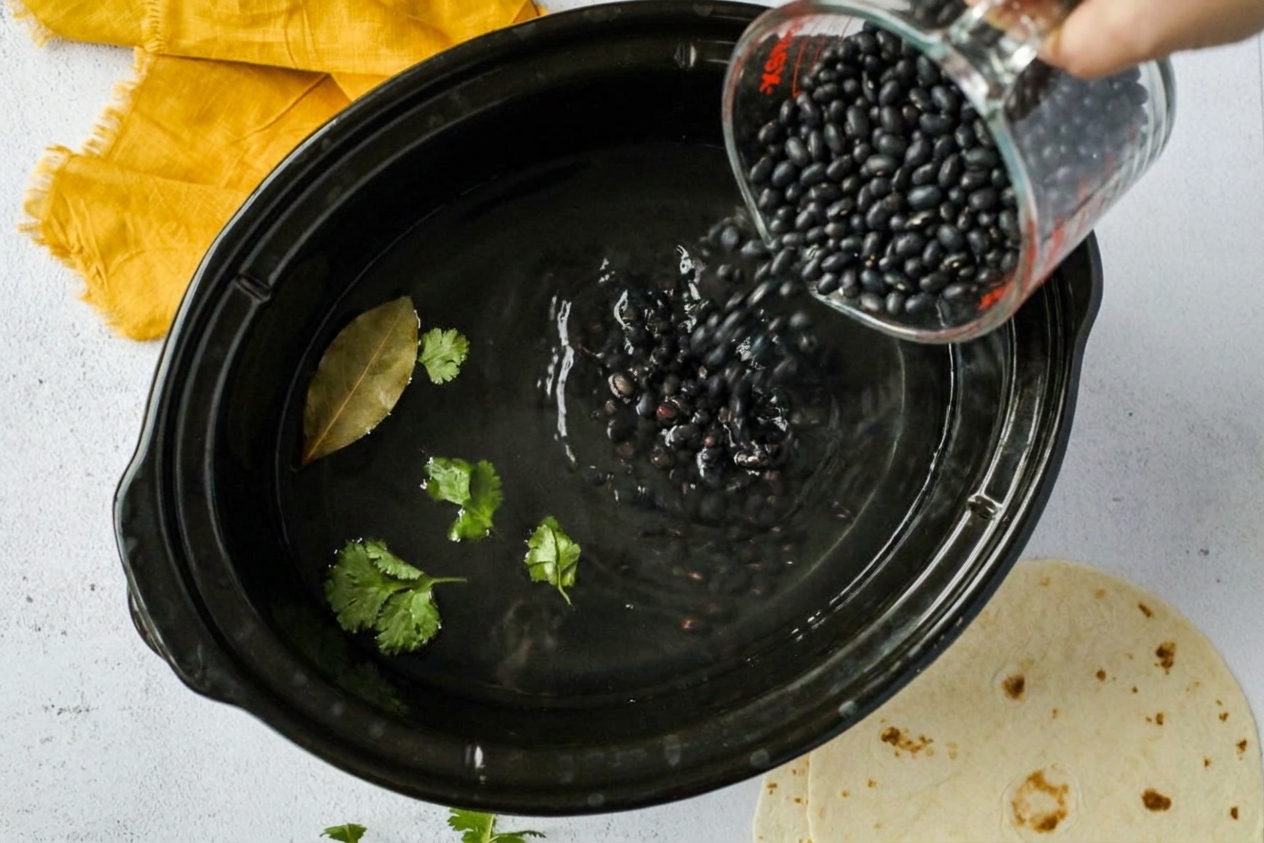
- Add to slow cooker. Add beans, water, and any aromatics. Keep everything submerged.
- Cook. Cover and cook on LOW or HIGH using the timing ranges above. Avoid lifting the lid repeatedly, especially early on.
- Start checking for tenderness. Check earlier than you think the first time you use your slow cooker. If the liquid level looks low, top off with hot water.
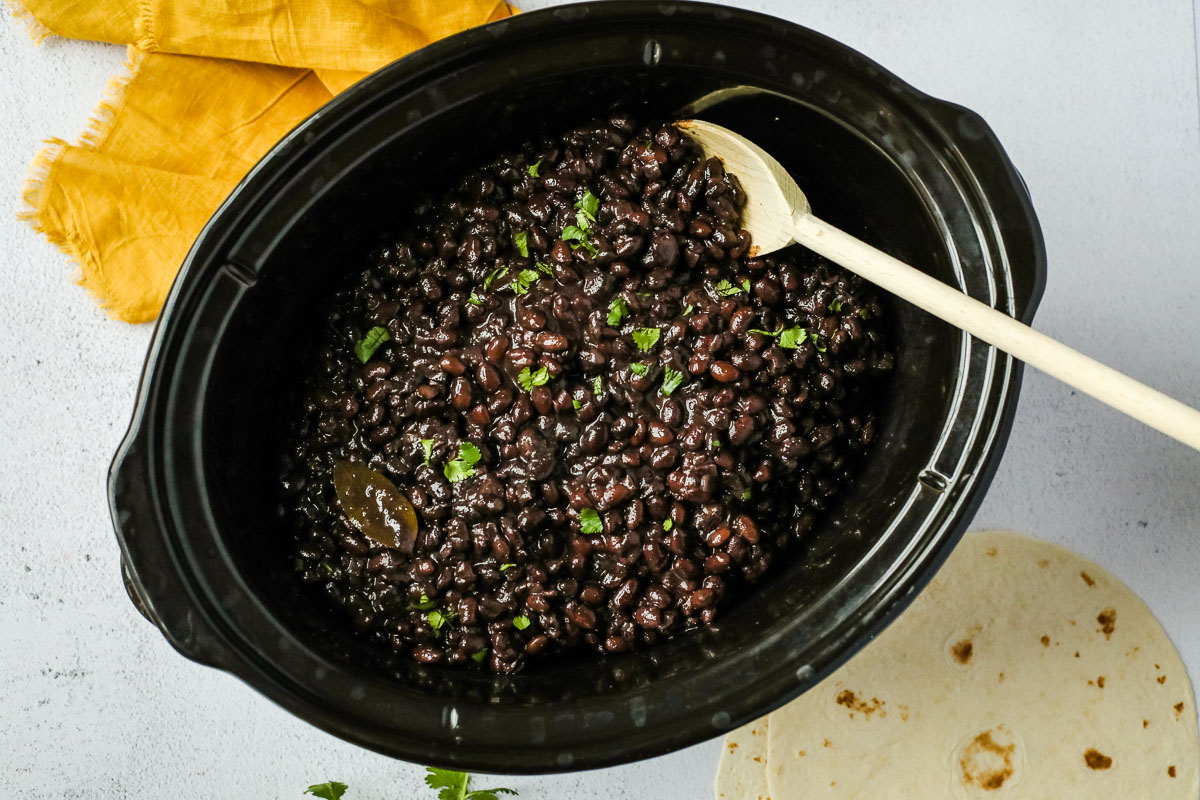
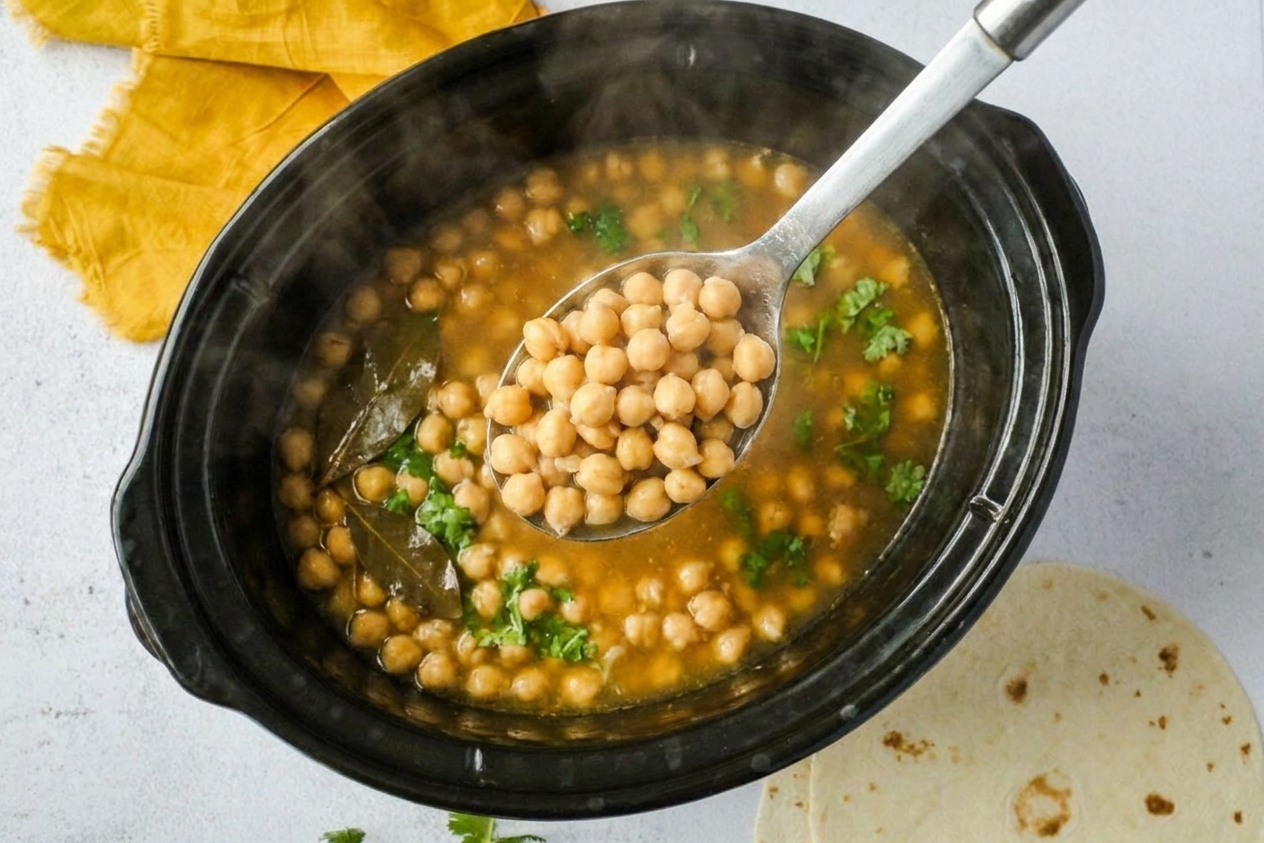
- Salt and finish. Either salt at the start (Option A) or salt at the end (Option B). Remove aromatics and store beans with some cooking liquid.
When to add salt (and how much)
There are two good approaches here, and which one I choose depends on the beans, their age, and whether I have had issues with tough skins in the past.
Option A: Salt at the start
If your beans are fairly fresh, go ahead and salt early. The result tastes seasoned all the way through.
- For 1 cup dry beans cooked with 4 to 5 cups water, add 3/4 to 1 teaspoon kosher salt near the beginning.
Option B: Salt at the end
If you routinely find your beans stay a little stubborn (often older beans or hard water), try holding the salt until they are tender. It is not a magic trick, but it can help if you have had trouble with texture.
- Once beans are tender, start with 3/4 teaspoon kosher salt, then cook 10 to 15 minutes longer on HIGH if you want it to meld. Adjust to taste.
My sensory cue: the cooking liquid should taste pleasantly seasoned, like a light broth. Beans stored in under-seasoned liquid taste flat the next day.
Kidney-bean safety
Do not cook dry kidney-family beans from scratch in a slow cooker unless you do a stovetop hard-boil step first.
Kidney beans (including red kidney beans and white kidney beans, sometimes sold as cannellini) contain a natural toxin called phytohaemagglutinin (PHA). Slow cookers often cook at temperatures that are not high enough early in the process to reliably neutralize it.
Safe method for kidney-family beans
- Soak 8 to 12 hours (optional but helpful).
- Drain and rinse, discarding the soaking water.
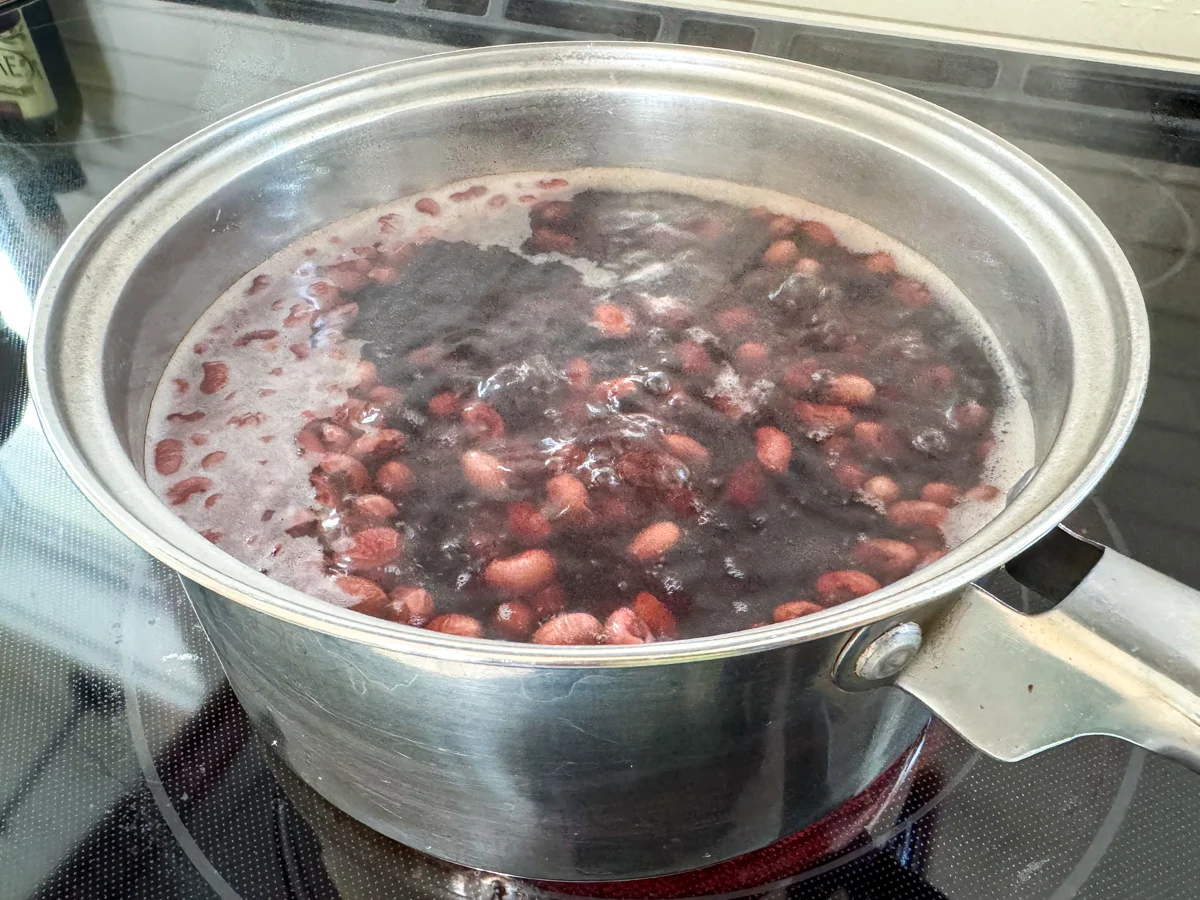
- Transfer to a pot and boil on the stovetop at a true rolling boil for at least 10 minutes. A slow-cooker “HIGH” does not count here.
- Transfer to the slow cooker with fresh water and cook until tender.
If you want truly hands-off kidney-family beans, this is where stovetop simmering or pressure cooking tends to be the better fit.
Flavor ideas
Once you have the base method down, you can nudge the beans in different directions without complicating your life.
- Black beans: onion + garlic + cumin. Add a squeeze of lime after they are tender.
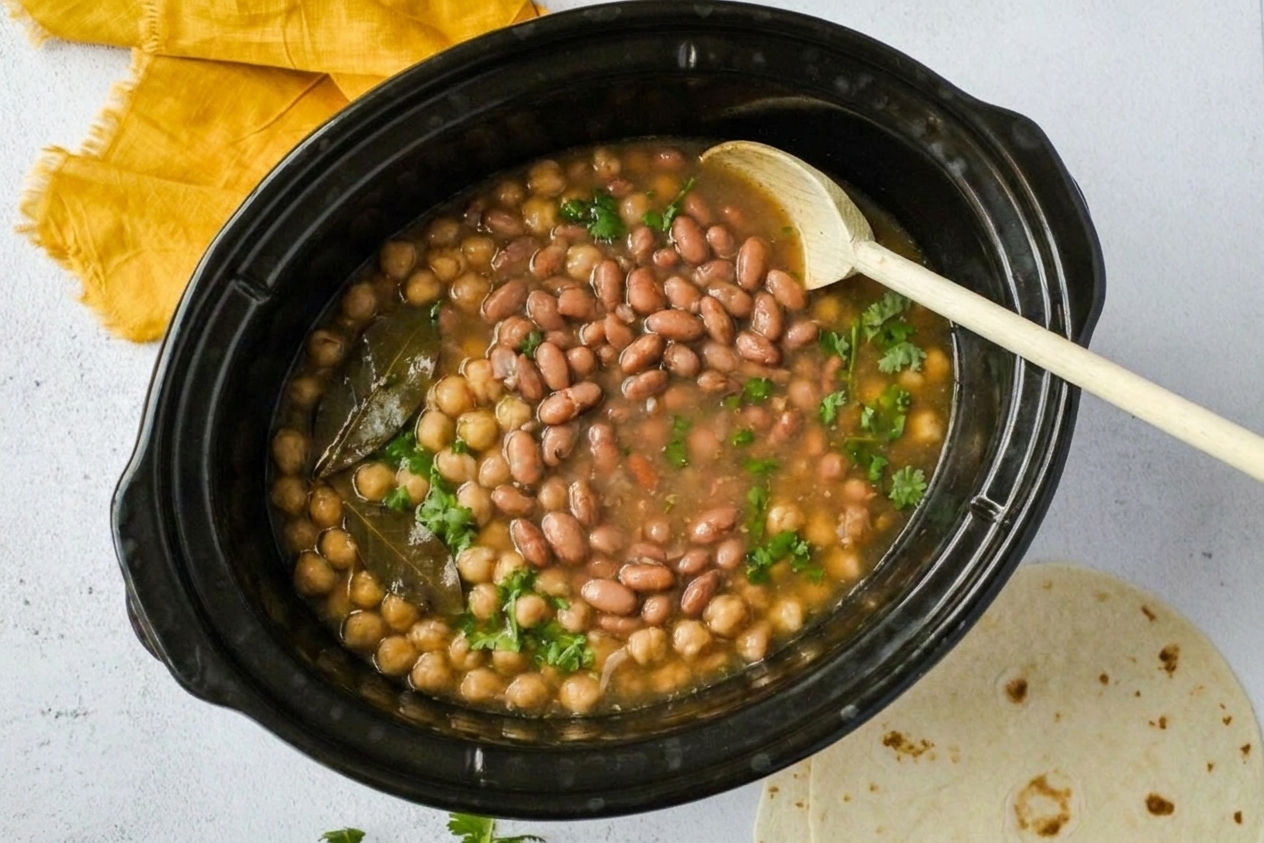
- Pinto beans: onion + bay leaf + a small piece of bacon (or a drizzle of oil). Add salsa at the end if you want them saucy.
- Chickpeas: garlic + bay leaf, then finish with olive oil and salt for salads. If you like, tuck in a small piece of kombu for a subtle savory note (remove before storing).
Common slow-cooker bean problems
Beans are still hard after the max time
- Old beans: They can take much longer. Keep cooking and plan to buy from a higher-turnover source next time.
- Acid too early: If you added tomatoes or vinegar early, it can stall softening. Keep cooking and add extra time.
- Hard water: Try cooking with filtered water next time. (Portland water is soft, so I only remember this one when I visit family.)
- Slow cooker runs cool: Switch to HIGH for 30 to 60 minutes and check again.
- Altitude: At higher elevations, beans simply take longer. Add time and keep the water level up.
Beans split and get mushy
- Too long or too hot. Start checking earlier next time.
- Too much stirring can break skins, especially for black beans.
Foam on top
Normal. You can skim it if you want, but it is not harmful.
Batch storage
This is where slow-cooker beans really shine. Cook once, eat multiple times, and you just quietly saved yourself from a midweek takeout spiral.
How to store
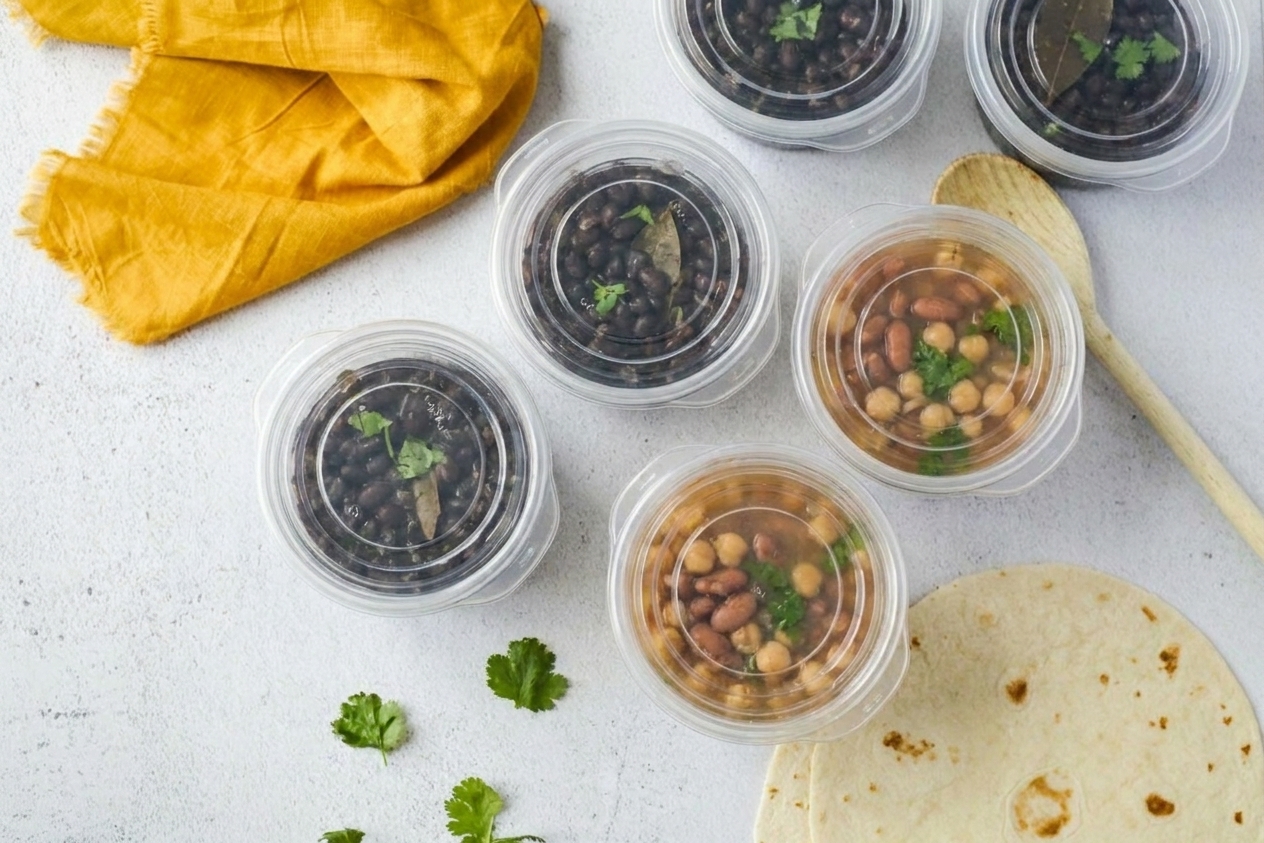
- Cool quickly: Spread beans and liquid in a shallow container to cool faster, then refrigerate.
- Store with liquid: Keep beans in some of their cooking liquid to prevent drying out.
- Fridge: 4 to 5 days, tightly covered.
- Freezer: 2 to 3 months for best texture. They stay safe longer when kept frozen solid, but quality slowly declines.
My favorite portioning trick
Freeze in 1 1/2 to 2 cup portions (beans plus a little liquid). That is roughly one standard can of beans, and it makes recipe substitutions effortless.
Slow cooker vs stovetop vs pressure cooker
Each method has its place. Here is how I think about it in a real week of cooking.
- Slow cooker: Best for hands-off cooking and big batches when you will be home anyway. Great for meal prep days. Timing is forgiving, but not instant.
- Stovetop simmer: Best when you want more control over texture and evaporation, or you need a rolling boil for kidney-family beans. It is also easier to check and adjust as you go.
- Pressure cooker: Best when you forgot to plan ahead. Fast and consistent, especially for chickpeas and black beans, but less “set it and forget it” if you are new to it.
FAQ
Do I need to soak beans before slow cooking?
No, you can cook many beans unsoaked in a slow cooker. Soaking usually shortens cook time and can help beans cook more evenly, especially chickpeas.
Can I cook beans on LOW overnight?
For black beans, pintos, and chickpeas, yes, that is a common approach. Use enough water, do not overfill the cooker, and plan to check tenderness in the morning. For kidney-family beans, use the safety method above.
Should I drain beans after cooking?
Only if your recipe needs drained beans. Otherwise, keep the cooking liquid. It is flavorful and helps beans stay creamy in storage.
Why do my chickpeas take forever?
Chickpeas are naturally slower to soften. Older beans, hard water, higher altitude, or an extra-cool slow cooker can push them to the high end of the range. Soaking helps a lot here.