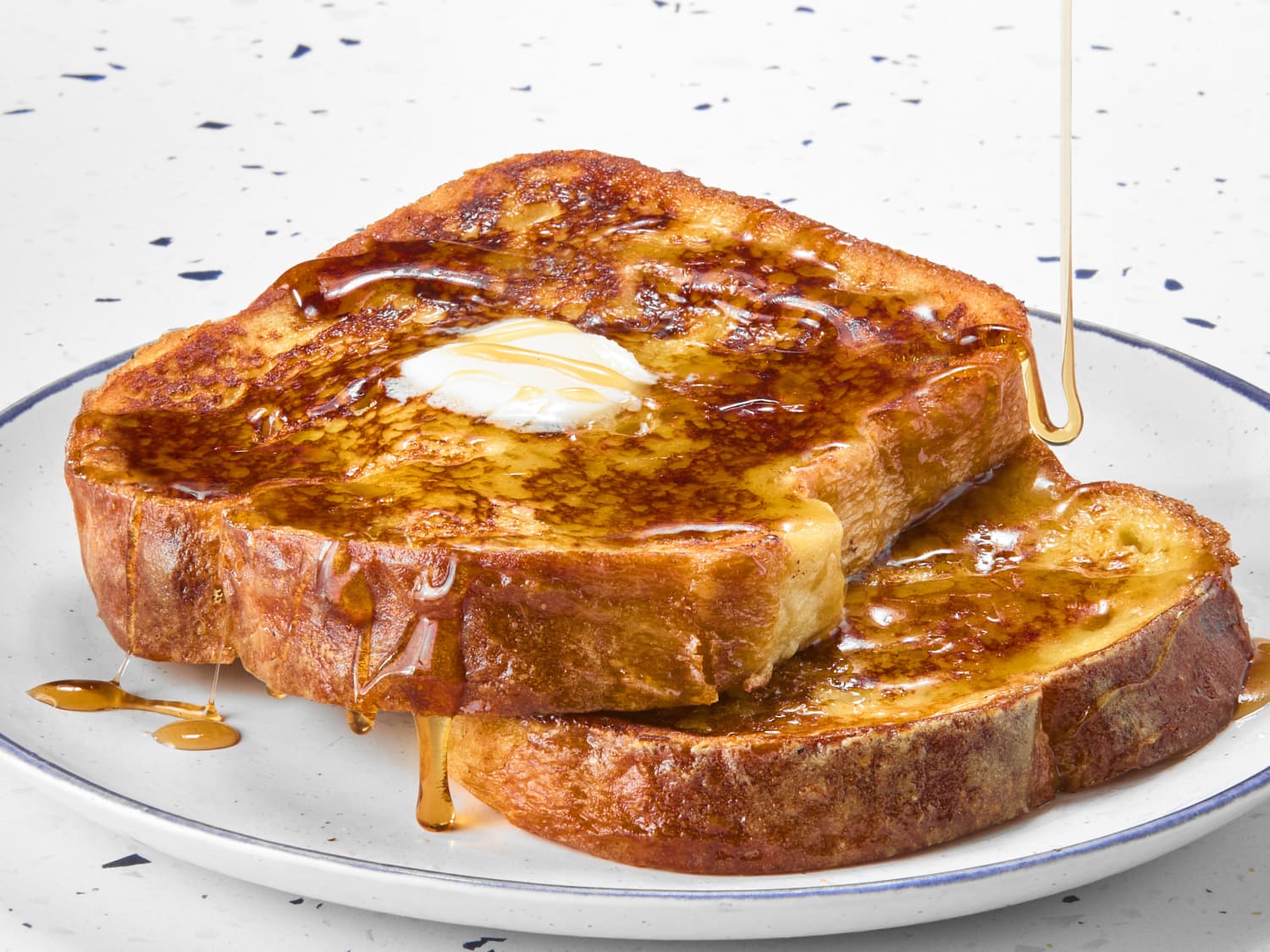

If you have ever bitten into French toast that is browned on the outside but weirdly dry inside, or worse, soggy and eggy, this is the fix. Classic skillet French toast is all about three things: sturdy, thick-sliced bread, a quick but intentional dip, and calm, steady heat so the custard sets before the surface gets too dark.

I teach this the same way I taught weeknight cooking classes: set up a simple assembly line, keep your pan temperature consistent, and let your senses do the work. You are looking for a slice that feels lightly springy when you press the center, with edges that look bronzed. The surface should feel set, and when you press gently, nothing should ooze out.
This is not a casserole, and it does not need a long overnight soak. You dip each slice for just a few seconds per side, let the excess drip off, and cook it in the skillet until the custard is just set. The payoff is immediate: a creamy, vanilla-scented interior and that buttery, caramelized crust that makes French toast feel like a real treat, even on a random Tuesday.
Why this recipe works
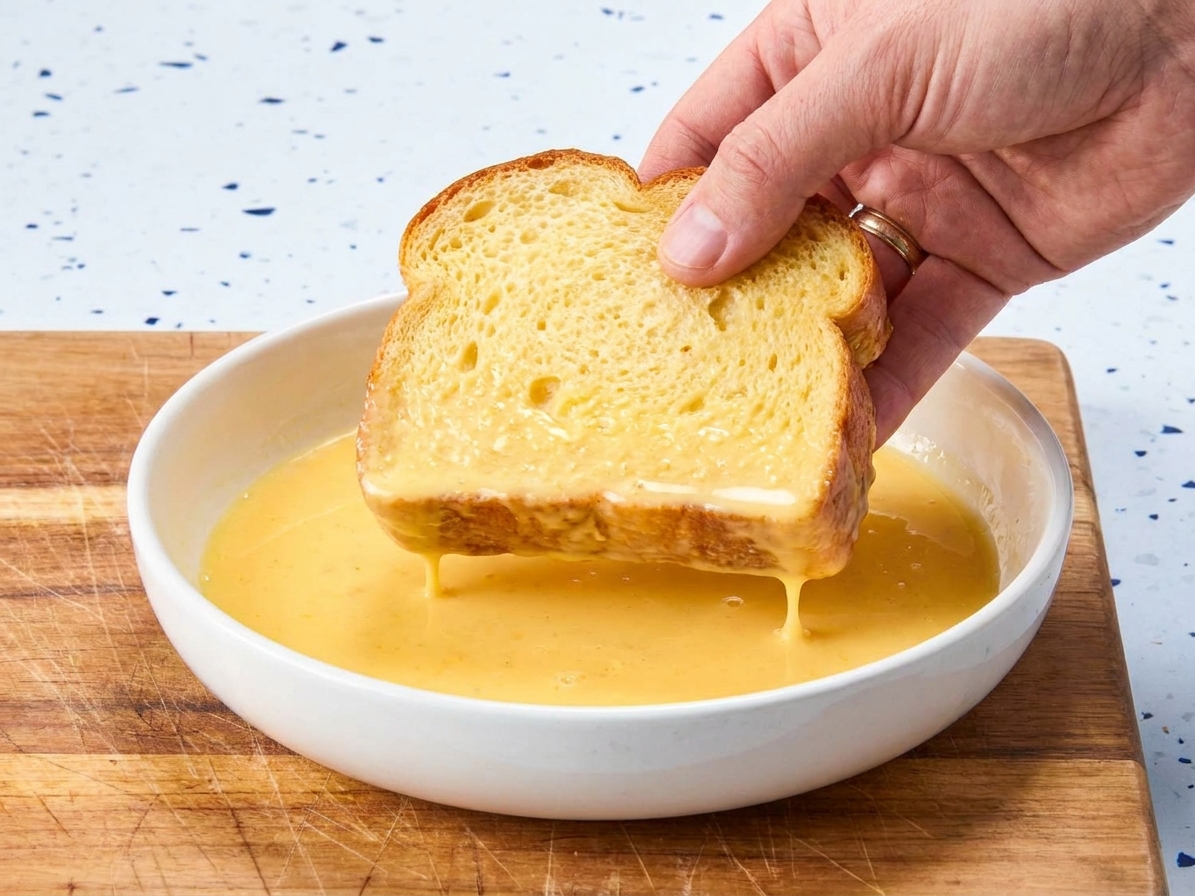
- Quick soak, not a swim: A brief dip hydrates the bread without collapsing the crumb, so you get a custardy center instead of a wet one.
- Moderate heat prevents burnt outsides: Cooking over medium to medium-low gives the egg time to set through the middle before the surface over-browns.
- Real dairy and a little sugar help browning: Milk or half-and-half plus a small amount of sugar encourage a deep golden crust.
- Resting after dipping matters: Letting the dipped slice sit for a moment allows the custard to start absorbing evenly, which reduces patchy cooking.
- Butter plus a neutral oil is the best of both worlds: Butter brings flavor, oil raises the smoke point so you can brown steadily without scorching.
Ingredient notes
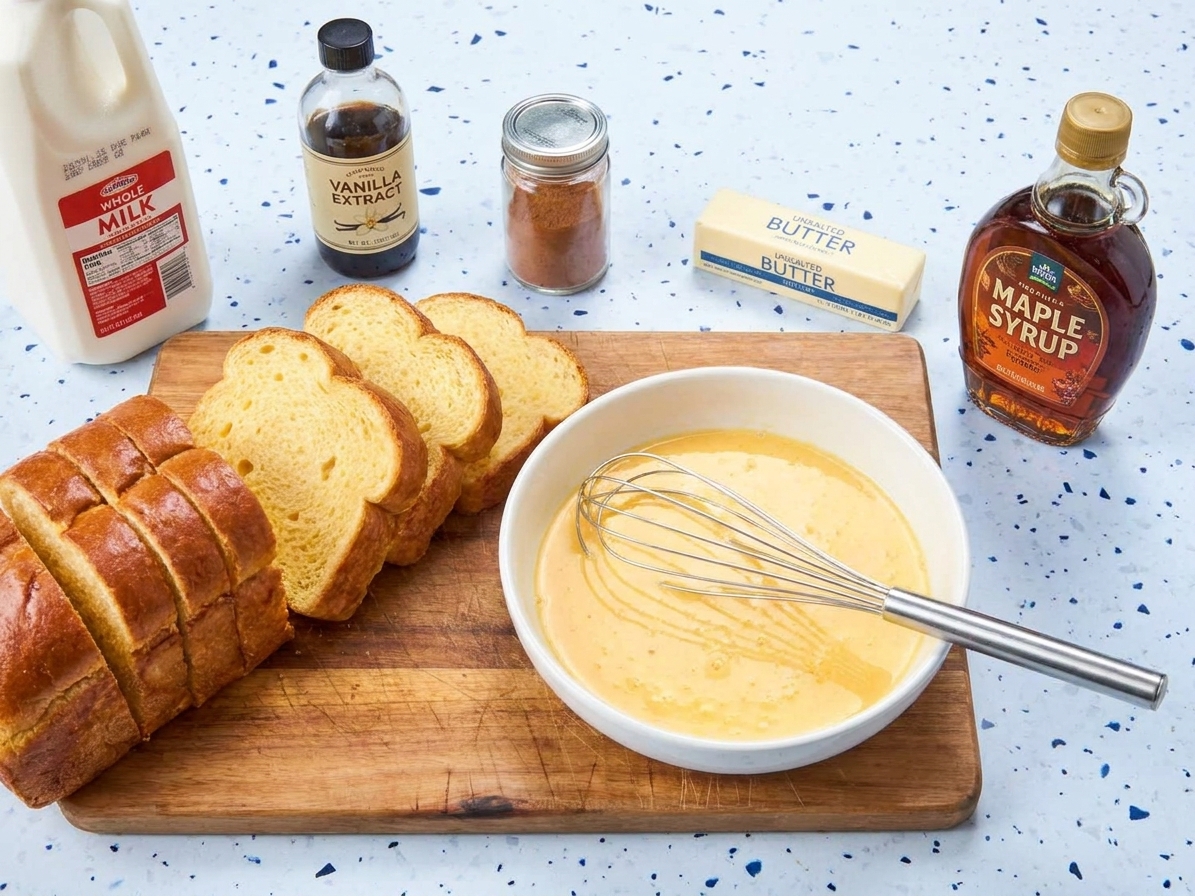
Bread: Slightly stale, thick-sliced bread is your best friend. Brioche and challah make a rich, classic diner-style French toast. Texas toast works too. If your bread is very fresh and soft, leave slices out for 20 to 30 minutes, or toast lightly to dry the surface.
Eggs: Eggs set the custard. Whisk until no streaks remain, especially around the bowl edges. Unmixed whites create rubbery patches.
Dairy: Whole milk is classic. Half-and-half makes it more custardy and restaurant-like. Avoid nonfat milk if you can since it tends to taste thin.
Sugar: Just a little helps with browning and balance. Too much can burn before the center cooks.
Vanilla and cinnamon: Vanilla is non-negotiable in my kitchen. Cinnamon is optional but lovely. If you use cinnamon, whisk well and re-whisk between dips since it settles.
Salt: A small pinch makes everything taste more like itself. French toast without salt tastes flat, even with syrup.
Equipment you will need
- Large nonstick skillet or well-seasoned cast iron: You want steady heat and enough surface area for at least 2 slices at a time.
- Wide shallow bowl or pie dish: Makes dipping easy and even.
- Whisk: For a smooth custard with no eggy streaks.
- Thin spatula: For confident flips without tearing.
- Wire rack and sheet pan (optional but great): Keeps finished slices warm in the oven without steaming.
Pro tips
Dial in the heat
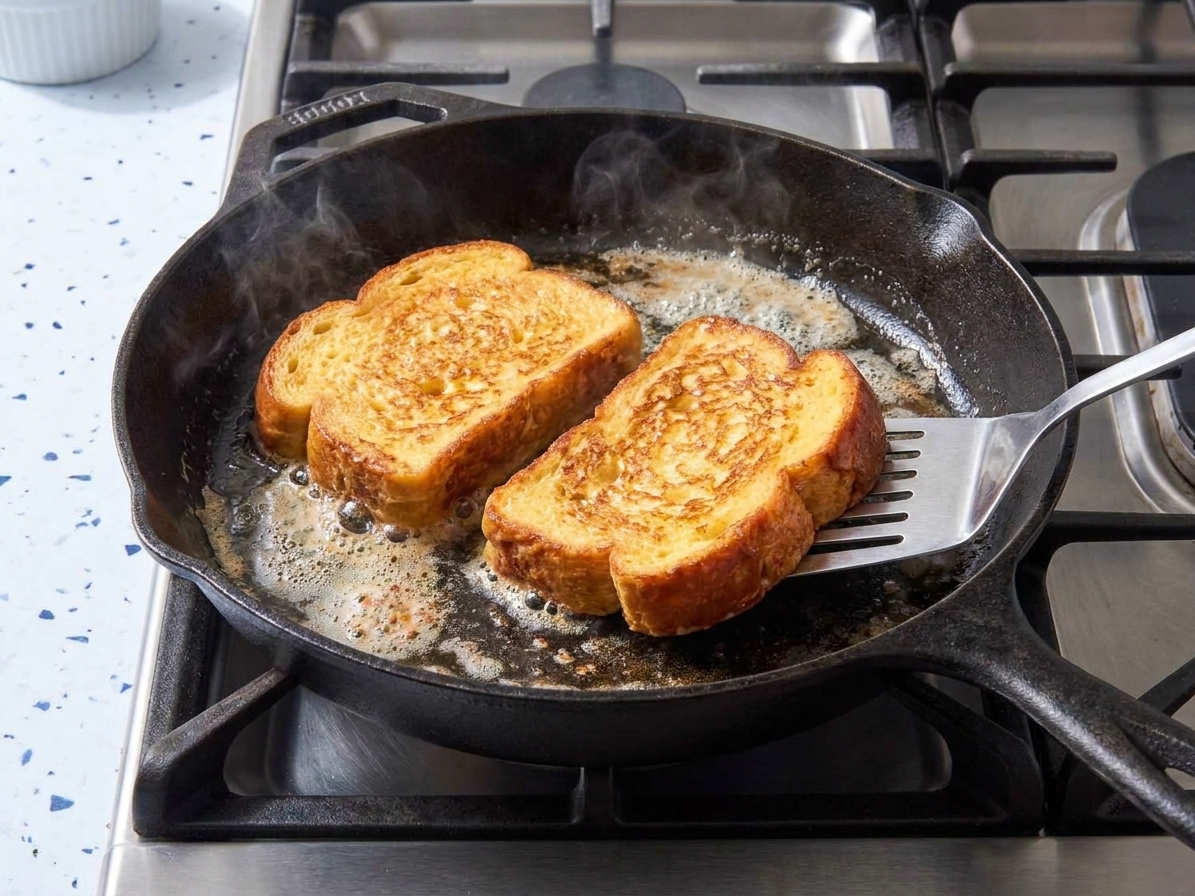
Preheat the skillet over medium for a few minutes, then cook closer to medium-low once the first batch starts. If the butter browns instantly and smokes, the pan is too hot. If the bread sits pale for a full minute, increase the heat slightly.
Use sensory doneness cues
- Ready to flip: The underside is deep golden, the edges look set, and the top surface has gone from glossy wet to lightly matte.
- Ready to serve: The center feels gently springy when pressed. If it feels squishy and wet, it needs another minute on lower heat.
Keep batches crisp
If you are cooking for more than two people, keep finished slices on a wire rack in a 200°F oven. A plate traps steam and softens the crust.
Substitutes that work
- Half-and-half: Swap with whole milk, or use a mix of milk and a splash of cream.
- Vanilla: Substitute with a small pinch of nutmeg plus a little extra cinnamon if needed.
- Butter: Use all neutral oil if you must, but you will miss the classic flavor. If dairy-free, use a good plant-based butter plus a little oil.
- Maple syrup: Honey, fruit compote, or jam loosened with a spoonful of hot water all work.
Variations
Orange zest French toast
Whisk a little orange zest into the custard. It lifts the whole plate, especially if you serve with berries.
Brown sugar cinnamon
Use brown sugar instead of white and add cinnamon. Watch the pan temperature because brown sugar browns quickly.
Extra-custardy (restaurant style)
Use half-and-half and cut the bread thicker. Keep heat on the lower side so the center sets before the crust over-browns.
Savory French toast
Skip sugar and cinnamon, add extra black pepper and a little grated Parmesan to the custard. Top with sautéed greens or a fried egg.
Serving ideas
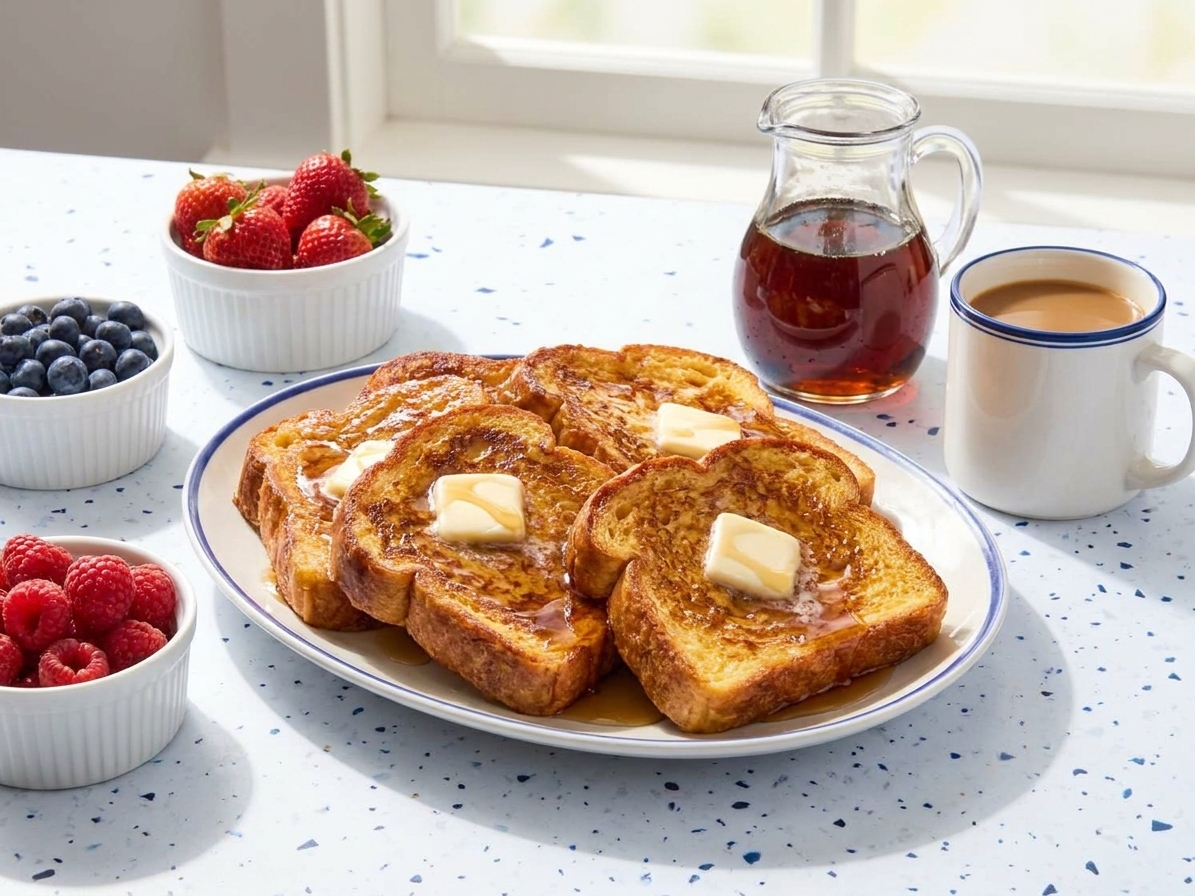
- Classic: Butter and warm maple syrup.
- Bright and balanced: Greek yogurt, berries, and a drizzle of honey.
- Reduce food waste: Use up soft berries by cooking them down with a spoonful of sugar and a squeeze of lemon for a quick compote.
- Brunch plate: Serve with crispy bacon or breakfast sausage and a bowl of citrus.
- Dessert vibe: Powdered sugar, whipped cream, and shaved chocolate.
Storage and reheating
Refrigerate
Cool leftovers completely, then store in an airtight container for up to 3 days.
Freeze
Freeze slices in a single layer on a sheet pan, then transfer to a bag or container. They keep well for about 1 month.
Reheat without turning soggy
- Toaster: Best for crisp edges.
- Oven: Reheat on a rack at 350°F until hot, about 8 to 12 minutes depending on thickness.
- Skillet: Warm over medium-low with a tiny bit of butter.
Common mistakes
- Soaking too long: The bread can collapse and turn custard-wet in the center. Dip with intention and let excess drip off.
- Pan too hot: You get a dark surface and an undercooked interior. Turn the heat down and be patient.
- Not whisking the custard thoroughly: Streaks of egg white cook into firm, scrambled patches.
- Crowding the skillet: Crowding drops the heat and creates steam, which leads to pale, soft French toast.
- Serving on a plate while batching: The bottom steams and softens. Use a rack to keep texture.
FAQ
What is the best bread for French toast?
Brioche and challah are my top picks for a classic, rich result. For a sturdier, less sweet slice, use thick-cut white sandwich bread or Texas toast. Avoid very thin slices since they overcook before the center turns custardy.
How long should I soak French toast?
Long enough to coat and lightly absorb, usually just a few seconds per side, then let it drip briefly. Very dry, thick bread can take a bit longer. The bread should feel heavy but still hold its shape.
Why is my French toast soggy?
Most often it is either over-soaked bread or heat that is too high at first and then too low, so the exterior browns while the center never fully sets. Use moderate heat and cook a little longer if needed.
Why is my French toast eggy?
Two common causes: too much egg relative to milk, or custard that is not fully whisked. Vanilla and a small pinch of salt also help the flavor read as custard, not scrambled egg.
Can I make it for a crowd?
Yes. Cook in batches and keep slices warm on a rack in a low oven so they stay crisp at the edges.
Classic Skillet French Toast
Golden, buttery skillet French toast with a custardy center. Includes the soak time, heat level, and visual cues to get tender insides and browned, crisp edges every time.
- Prep
- 10 minutes
- Cook
- 15 minutes
- Total
- 25 minutes
- Yield
- 4 servings (8 slices)
Ingredients
- 4 large eggs
- 1 cup whole milk or half-and-half
- 1 tbsp granulated sugar
- 2 tsp vanilla extract
- 1/2 tsp ground cinnamon (optional)
- 1/4 tsp fine salt
- 8 thick slices brioche, challah, or Texas toast (about 3/4 to 1 inch thick)
- 2 tbsp unsalted butter, plus more as needed
- 1 tbsp neutral oil (such as canola or avocado)
Instructions
- Set up for success. If your bread is very fresh, lay the slices out for 15 to 20 minutes to slightly dry. If cooking for a crowd, set a wire rack on a sheet pan and warm the oven to 200°F to hold finished slices.
- Make the custard. In a wide shallow bowl or pie dish, whisk the eggs until completely smooth with no streaks. Whisk in the milk (or half-and-half), sugar, vanilla, cinnamon (if using), and salt.
- Preheat the skillet. Heat a large skillet or griddle over medium for 2 to 3 minutes. Add 1 tbsp butter and 1 tbsp oil and swirl to coat. The butter should foam but not aggressively brown.
- Dip, do not soak. Working with 1 to 2 slices at a time, dip bread into the custard for about 5 to 10 seconds per side, just until coated and slightly heavy. Lift and let excess custard drip back into the bowl for a few seconds.
- Cook the first side. Place the dipped bread in the skillet and cook until the underside is deeply golden brown, 2 to 4 minutes. Cues: edges look set, and the top surface goes from glossy-wet to more matte.
- Flip and finish. Flip and cook the second side until golden and the center feels gently springy when pressed, 2 to 3 minutes more. If the surface browns too quickly, reduce heat to medium-low and cook a bit longer.
- Hold warm and repeat. Transfer to the wire rack in the warm oven while you cook remaining slices, adding a little more butter to the skillet as needed between batches.
- Serve. Serve immediately with your favorite toppings like butter and warm maple syrup, berries, or yogurt.
Notes
Heat control tip: If your French toast is browning fast but the center feels wet, the pan is too hot. Turn it down to medium-low and give it time so the custard can set through.
Batching tip: Use the oven and wire rack method to avoid steamed, soggy bottoms.
Food waste note: This recipe is perfect for bread that is a day or two old. Slightly stale slices soak more evenly and brown beautifully.