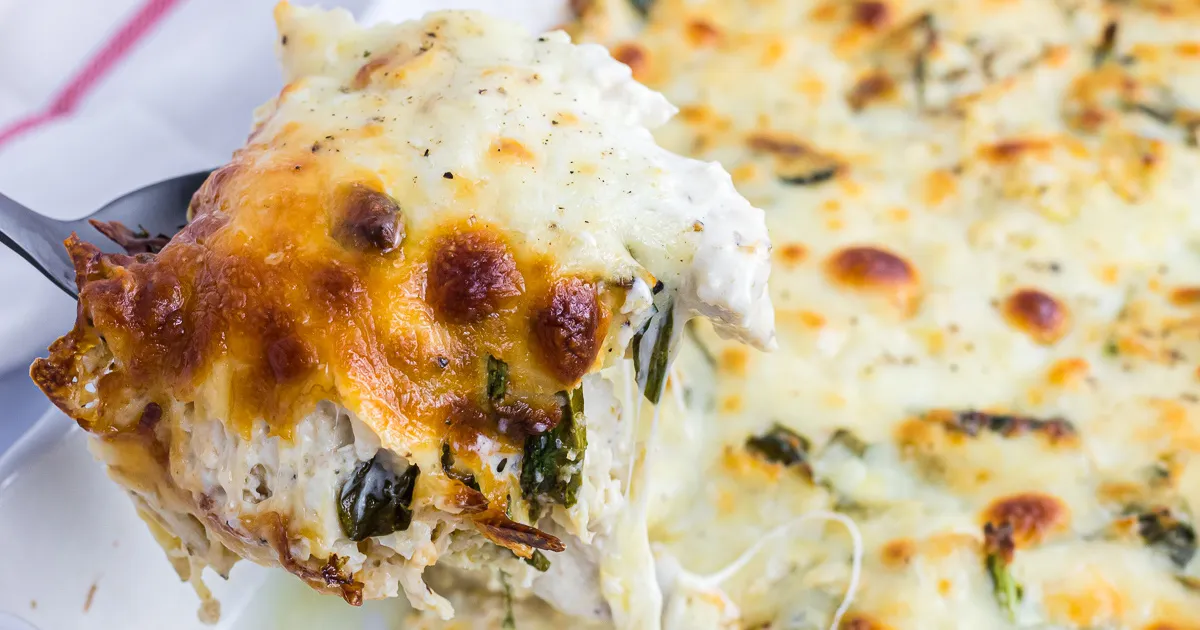
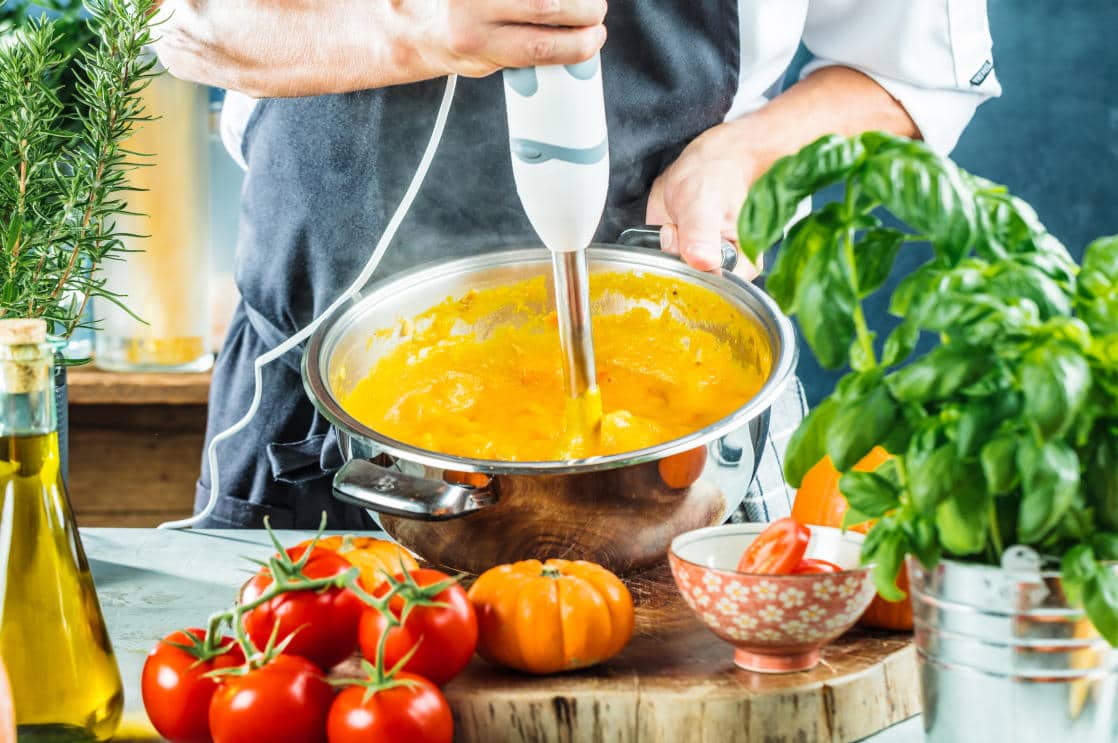
Comfort food is emotional food. It is the pot of chili that appears when someone has had a rough week, the baked pasta that shows up at every family gathering, the cookie recipe written on a stained index card. If you are managing diabetes, you should not have to choose between your health and those traditions.
The goal is not to “make it diet food.” The goal is to keep the soul of the dish while lowering the glycemic impact by adjusting carb type, added sugars, fiber, fat and protein balance, and portion size. Think: small, strategic edits that add up.

Quick note before we cook
I am not a medical provider. Carb needs and blood sugar responses vary a lot person to person, and medications matter. If you use insulin or other glucose-lowering meds, timing and dosing can change what works for you. Keep your targets in mind and partner with your clinician or dietitian.
That said, the kitchen tactics below are the same ones I taught in home cooking classes: reduce highly refined carbs when you can, add fiber and protein, and make the plate more balanced without turning dinner into a math exam.
The 5 levers that make comfort food more diabetes-friendly
1) Swap refined carbs for slower carbs
White flour, white rice, and regular pasta are often quicker to digest, but the response can vary based on the food, how it is cooked, and your body. A “slower-carb” swap often means more fiber and a gentler rise for many people, but it is not guaranteed. Your meter or CGM gets the final vote.
- Rice: brown rice, quinoa, farro, barley, or a half-and-half mix with cauliflower rice.
- Pasta: chickpea or lentil pasta, whole wheat pasta, or portion-controlled regular pasta with extra vegetables and protein.
- Bread crumbs and breading: crushed nuts, ground flax, whole wheat panko, or savory oat flour.
- Thickening: use less roux, thicken with pureed beans or vegetables, or try a small amount of cornstarch slurry. Cornstarch thickens efficiently, so you may be able to use less total starch than a flour roux, but the carbs still count.
2) Keep the comfort, cut the sugar
Comfort recipes often sneak in sugar where you would not expect it: pasta sauce, marinades, salad dressings, even “savory” casseroles. Start by cutting added sugar in half. Then taste.
- Use caramelized onions, roasted carrots, or a spoon of tomato paste for sweetness.
- Add vanilla, cinnamon, cocoa, or citrus zest in desserts to make them taste sweeter without adding much sugar.
- If you use non-nutritive sweeteners, choose one you tolerate well and keep it minimal. Some people notice GI upset or cravings with certain options, so it is okay to keep experimenting.
3) Add fiber on purpose
Fiber can slow glucose absorption and help you feel fuller. This is the easiest lever to pull without changing the “identity” of the dish.
- Stir beans or lentils into soups, chili, taco meat, and pasta sauces.
- Add vegetables to casseroles and pasta bakes: chopped spinach, mushrooms, zucchini, riced cauliflower, shredded cabbage.
- Use berries, pears, apples, or citrus instead of juice or syrups in desserts.
4) Balance carbs with protein and fat
Carbs often hit differently when they are paired with protein and fat. This does not “cancel” a high-carb portion, but it can help slow the rise for many people and makes the meal more satisfying.
- Add chicken, turkey, tofu, Greek yogurt, or beans to carb-heavy favorites.
- Finish dishes with a small amount of flavorful fat: olive oil, nuts, avocado, or a sprinkle of cheese.
5) Portion with a comfort food strategy
You do not need tiny portions. You need intentional portions, plus volume from lower-carb sides.
- Start with a smaller scoop of the starch and add more non-starchy vegetables.
- Use a smaller bowl for mac and cheese or mashed potatoes. It sounds silly. It works.
- Serve comfort foods with a big salad, roasted broccoli, green beans, or slaw so the meal feels abundant.
A simple before and after:
Before: a big bowl of pasta with sauce.
After: about 1 cup cooked pasta + 1 to 2 cups sauteed vegetables folded into the sauce + a palm-sized protein, plus a salad on the side.

Ingredient swaps that actually taste good
Smarter starches
- Potatoes: keep them, but change the format. Try smashed roasted potatoes (more crisp edges, less need for butter) or mix mashed potatoes half-and-half with cauliflower.
- Sweet potatoes: still carbs, but often higher fiber and satisfaction. Roast instead of candied.
- Oats: great for meatloaf binders, crisps, and some cookie recipes.
- Beans and lentils: blend white beans into creamy soups, or mash them into taco filling to replace some of the rice or tortillas.
Better thick and creamy
Many comfort foods rely on flour plus a lot of fat for “creamy.” You can keep the vibe while shifting the structure.
- Greek yogurt: stir in off heat for tangy creaminess in soups and sauces.
- Pureed cauliflower: adds body to mac and cheese sauce, chowders, and mashed potatoes.
- Blended cottage cheese: makes an excellent creamy base for baked pasta, lasagna filling, and dips.
- Evaporated milk: often gives richness with less fat than heavy cream.
Sweetness without the spike
- Fruit-forward desserts: baked apples, berry crisps with oat topping, chia pudding.
- Reduce sugar: in many baking recipes, you can cut 25 to 35 percent and keep texture surprisingly well. Some recipes (like candy, meringues, and certain cakes) are less flexible.
- Use salt and acid: a pinch of salt and a squeeze of lemon make desserts taste more “complete,” so you miss sugar less.

Classic comfort foods, adapted
Mac and cheese
Keep: the cheesy, saucy hug.
Adjust: the pasta amount and the sauce structure.
- Use chickpea or lentil pasta, or do a half regular, half legume pasta blend.
- Fold in steamed cauliflower florets or chopped broccoli before baking.
- Make sauce with evaporated milk plus sharp cheddar for big flavor with less cheese.
- Serve with a side salad and call it a win.

Mashed potatoes and gravy
Keep: buttery comfort.
Adjust: the portion and the fiber.
- Try 50 percent potatoes, 50 percent cauliflower. Steam both, then mash together with garlic and a little butter.
- Use olive oil for part of the butter and add tang with a spoonful of Greek yogurt.
- For gravy, thicken with pureed mushrooms or reduce the flour and rely on reduction for body.

Chili
Keep: the cozy spice and long-simmered flavor.
Adjust: the carb balance in the bowl and what you serve with it.
- Use beans, but watch portion if you are sensitive to carbs. Beans are nutritious, just not “free.”
- Add extra non-starchy vegetables like zucchini, bell peppers, mushrooms, or riced cauliflower.
- Serve with Greek yogurt instead of sour cream and a small sprinkle of cheese.
- If you love cornbread, do one small wedge and skip the sweet drink.

Chicken and dumplings
Keep: the creamy broth and tender bites.
Adjust: dumpling size and flour choice.
- Make smaller dumplings and add more chicken and vegetables (carrots, celery, green beans).
- Try half whole wheat flour in dumplings. It tastes nutty, not “healthy.”
- Thicken the broth with pureed white beans instead of lots of flour.
Meatloaf and mashed sides
Keep: the nostalgic slice-and-serve dinner.
Adjust: the binder and the glaze.
- Use rolled oats instead of bread crumbs.
- For glaze, use no-sugar-added ketchup and a small amount of vinegar and spices. You can add a teaspoon of sweetener if needed.
- Serve with roasted Brussels sprouts or green beans and a modest scoop of potatoes.

Spaghetti and meatballs
Keep: the tomato sauce and twirl factor.
Adjust: the noodle base and the plate ratio.
- Do half pasta, half zucchini noodles, or switch to whole wheat or legume pasta.
- Bulk up sauce with mushrooms and shredded carrots.
- Make meatballs with extra herbs, garlic, and Parmesan so one or two feels satisfying.
Fried rice
Keep: savory stir-fry flavor.
Adjust: the rice proportion.
- Use cauliflower rice or a half-and-half mix with brown rice.
- Add more egg, tofu, chicken, or shrimp.
- Go big on vegetables: peas, carrots, cabbage, scallions, bean sprouts.

Dessert favorites
You can absolutely have dessert. The trick is choosing versions that feel satisfying with less added sugar and pairing them smartly.
- Apple crisp: reduce sugar, increase cinnamon and lemon, use an oat and chopped nut topping.
- Brownies: try a smaller square, add walnuts, and serve with unsweetened Greek yogurt and berries.
- Ice cream nights: scoop a smaller portion into a small bowl and add berries and chopped nuts for volume and balance.

Flavor first checklist
- Salt properly: many low-sugar or high-fiber swaps taste flat until you season.
- Add acid at the end: lemon juice, vinegar, or pickled onions brighten heavy dishes.
- Use bold aromatics: garlic, onions, ginger, spices, fresh herbs.
- Choose sharp cheeses: a little aged cheddar, Parmesan, or pecorino goes further than mild cheese.
- Texture matters: add crunch with toasted nuts, seeds, or roasted chickpeas so you do not miss refined carbs.
Build the plate
If you want one simple template, try this:
- Half the plate: non-starchy vegetables (salad, broccoli, green beans, slaw).
- One quarter: protein (chicken, fish, tofu, beans).
- One quarter: comfort carb (mac, potatoes, rice, pasta).
One more sneaky spike driver to watch: beverages and extras. Sweet tea, soda, juice, fancy coffee drinks, and the bread basket can push a comfortable meal into “why is my glucose doing that?” territory. Water or unsweetened drinks and one intentional carb side usually feels better than three accidental ones.
Then give yourself permission to enjoy it slowly. Comfort food is meant to be noticed.

Meal prep tricks
- Cook one “slow carb” base (brown rice, quinoa, barley) and freeze in flat bags for quick portions.
- Keep riced cauliflower in the freezer for easy half-and-half swaps.
- Make a sheet pan of roasted vegetables to add to pasta bakes, soups, and casseroles all week.
- Freeze sauces in 1 cup containers so you can build a meal without starting from scratch.

FAQ
Do I need to cut out carbs completely?
No. Many people do better focusing on carb quality and consistency rather than elimination. Pair carbs with protein, add fiber, and keep portions intentional.
Does this differ for type 1 vs type 2?
The food principles can help both, but the game is different. If you have type 1 diabetes or use insulin, you may need to adjust timing or dosing for higher-carb comfort meals, even when you use smarter swaps. When in doubt, use your care plan and ask your clinician or diabetes educator for personal guidance.
Are “sugar-free” products always better?
Not automatically. Some have sugar alcohols that can cause digestive issues, and some still contain plenty of refined starch. Use them as tools, not a free pass. Taste and check how your body responds.
Are beans okay for diabetes?
For many people, yes. Beans have carbs, but they also bring fiber and protein, which can be helpful. Portion still matters, especially if you are stacking beans with rice, cornbread, and a sweet drink.
What is the easiest comfort food to adapt first?
Chili, soups, and stews. They are naturally flexible, easy to bulk up with vegetables, and still taste like the original even with swaps.
Make it your own
Pick one favorite dish and choose two changes: one that boosts fiber (vegetables or beans) and one that improves balance (protein, portion, or a slower-carb swap). That is usually enough to keep the “this tastes like home” feeling, while treating your blood sugar a little more kindly.