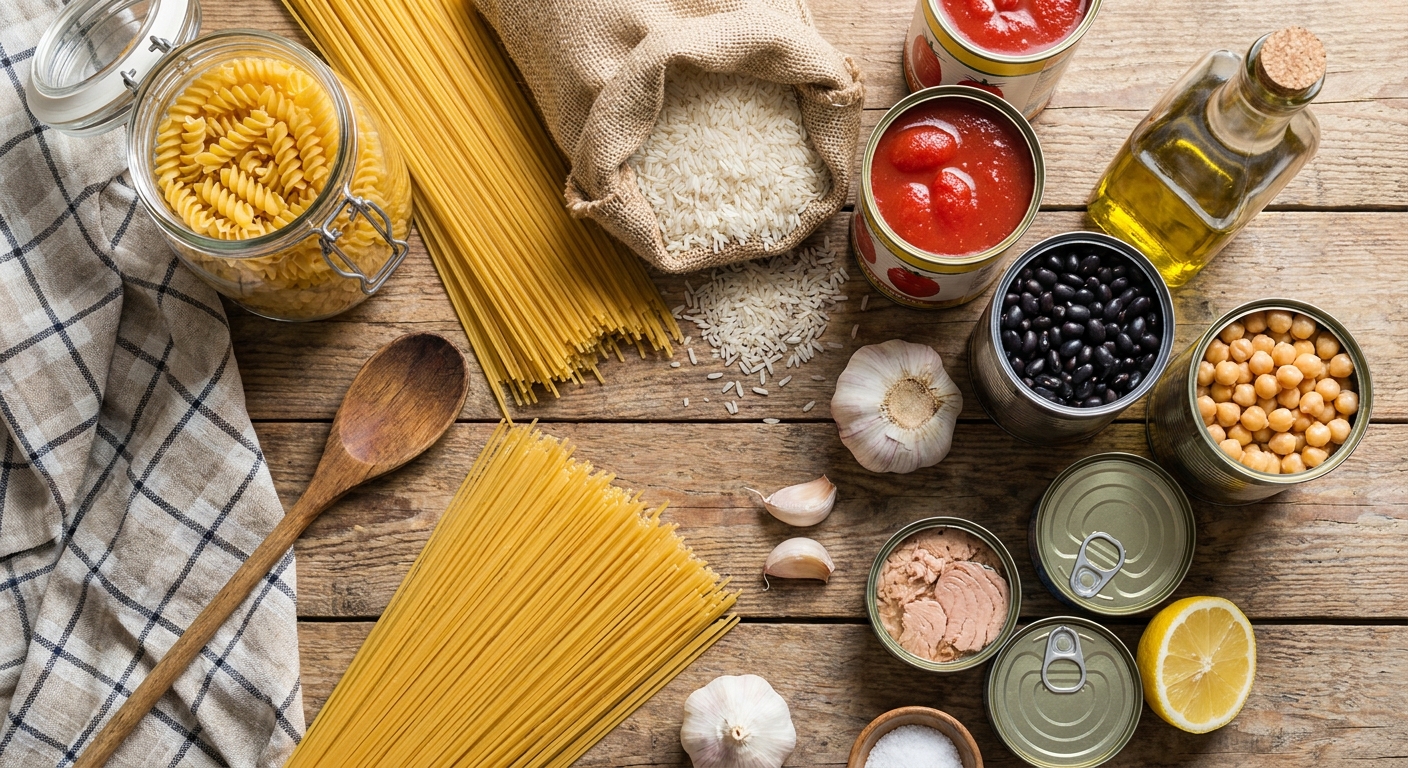
If you have ever stared into the pantry at 5:47 pm hoping dinner would magically appear, this is for you. A heart-healthy pantry is not a “diet pantry.” It is a make-dinner-easier pantry that just happens to support lower sodium, healthier fats, and more fiber. The goal is simple: keep ingredients on hand that make it easy to cook flavor-forward meals without leaning on salty shortcuts.

Quick note: If you have medical guidance for sodium, cholesterol, or blood pressure, follow your clinician’s targets. This guide is designed to be broadly heart-supportive and weeknight-realistic.
What “heart-healthy” means in the pantry
Most heart-supportive pantries prioritize:
- Lower sodium (especially from packaged foods and sauces)
- More fiber (beans, lentils, whole grains, nuts, seeds)
- Healthier fats (olive oil, nuts, seeds, fatty fish) instead of lots of saturated fat
- Less added sugar (a sneaky one in sauces and breakfast items)
My organizing principle is: build flavor with acid, aromatics, herbs, spices, and texture so you do not miss the salt.
Your heart-healthy pantry checklist
Use this as a build-from-scratch list. You do not need everything at once. Start with the “Week 1 essentials,” then add one category per grocery trip.
Week 1 essentials (buy these first)
- Extra-virgin olive oil (your everyday workhorse)
- Two vinegars: red wine or apple cider + balsamic
- Lemons (or 100% lemon juice in a pinch)
- No-salt-added canned beans (black beans, chickpeas, cannellini)
- Low-sodium broth (or unsalted if you can find it)
- Old-fashioned oats
- Brown rice or quinoa
- Canned tomatoes (no-salt-added if available)
- Garlic and onions
- Two spice blends you will actually use (see ideas below)
Whole grains and high-fiber carbs
Fiber is one of the most helpful pantry “nutrients” because it supports cholesterol levels and keeps meals satisfying.
- Oats (old-fashioned; quick oats are fine too)
- Brown rice, quinoa, or farro
- Whole wheat pasta or lentil/chickpea pasta (check the Nutrition Facts for sodium; some flavored varieties run higher)
- Barley (excellent in soups)
- Whole grain tortillas (check sodium)
- Popcorn kernels (air-popped, then season yourself)

Beans, lentils, and plant proteins
This is where weeknight heart-healthy cooking gets easy. Beans plus a grain plus something bright and crunchy is dinner.
- Dried lentils (brown or green for salads and soups, red for quick dals)
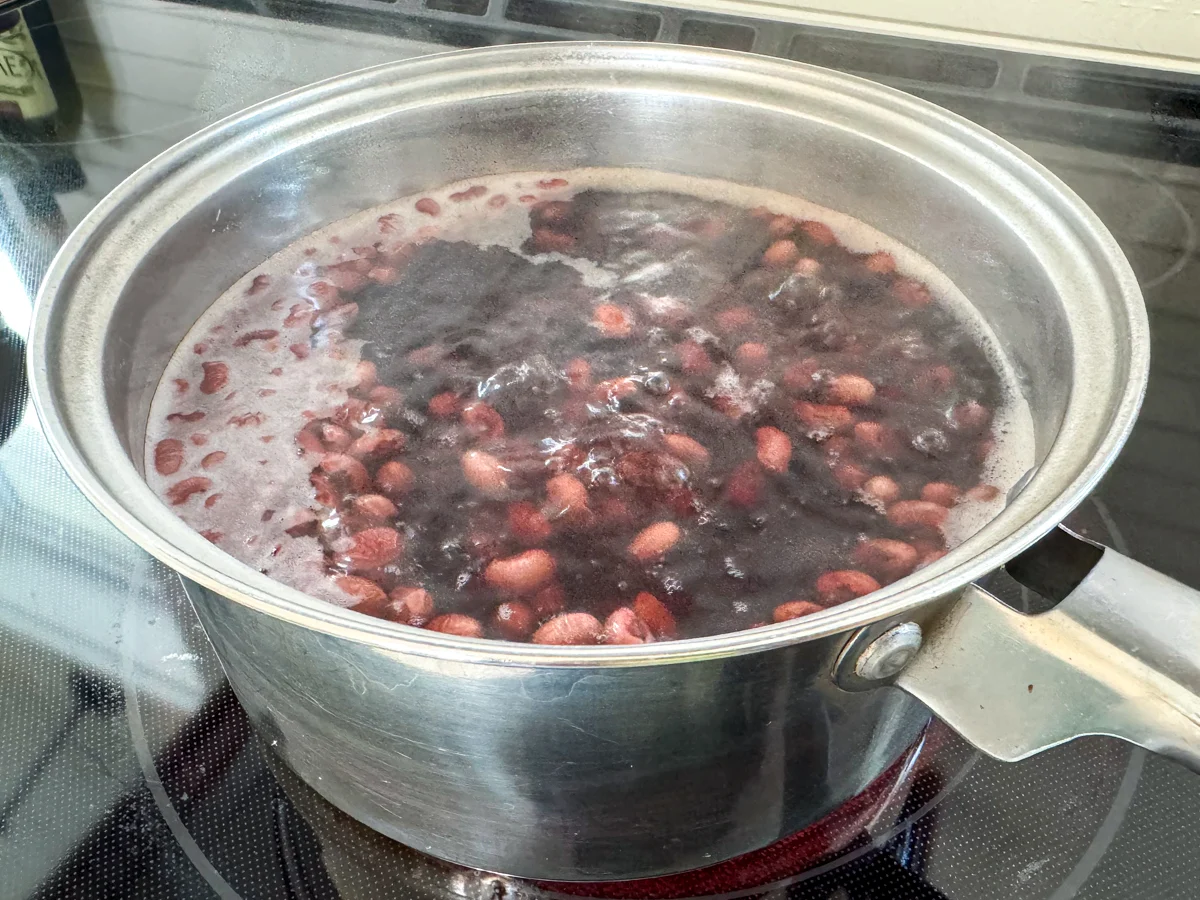
- Dried beans if you like batch cooking (pinto, black, chickpeas)
- Canned no-salt-added beans (your emergency dinner plan)
- Low-sodium canned fish: tuna, salmon, sardines (packed in water or olive oil)
- Tofu (fridge, but worth mentioning as a reliable protein)
Waste-reducing tip: If you open a can of beans and do not use it all, freeze the rest flat in a zip-top bag with a splash of liquid. Future you will be thrilled.
Heart-smart fats and crunchy add-ons
These are small additions that make bowls, salads, and breakfasts taste finished.
- Extra-virgin olive oil (already on the Week 1 list, and yes, it earns the repeat mention)
- Avocado oil (optional; refined avocado oil is a good choice for higher-heat cooking)
- Nuts: walnuts, almonds, pistachios (buy unsalted when possible)
- Nut butter: natural peanut or almond butter (look for minimal ingredients)
- Seeds: chia, ground flax, pumpkin seeds, hemp hearts
- Olives (delicious but salty; use like a garnish)

Low-sodium flavor builders
If you do nothing else, stock flavor. This is how you keep sodium lower without eating bland food.
- Vinegars: red wine, apple cider, rice vinegar
- Citrus: lemons and limes
- Mustard: Dijon (can be salty, use sparingly) or whole grain
- Tomato paste (no-salt-added if you can find it, but not always available; either way, balance with acid and unsalted liquids)
- Unsalted broth or low-sodium broth
- Garlic powder, onion powder, smoked paprika, cumin, coriander
- Dried herbs: oregano, thyme, basil, dill
- Heat: red pepper flakes, chipotle powder
- Umami boosts: nutritional yeast, dried mushrooms (these add depth without relying on salt)
My favorite “weeknight blends”: (1) cumin + smoked paprika + garlic powder (2) oregano + thyme + red pepper flakes.
Canned and jarred staples
- No-salt-added diced tomatoes and crushed tomatoes
- Low-sodium marinara (or an “ingredient list you recognize” option)
- Roasted red peppers (often salty; rinse if needed)
- Low-sodium salsa (or make quick pico with tomato, onion, lime)
- Unsweetened applesauce (baking, breakfast)
Freezer helpers
The freezer is your food waste safety net, and it makes heart-healthy cooking faster.
- Frozen vegetables: spinach, broccoli, cauliflower, peas
- Frozen berries for oatmeal and smoothies
- Frozen edamame (quick protein boost)
- Frozen cooked brown rice or quinoa (batch and freeze)
- Frozen salmon or shrimp (watch brined options for sodium)

Fridge staples that help
- Plain Greek yogurt (or unsweetened plant yogurt) for creamy sauces and dips
- Eggs (if they work for your diet)
- Leafy greens and crunchy veg (cabbage, carrots, cucumbers)
- Fresh herbs when you can (cilantro, parsley, basil)
Label-reading shortcuts
I teach this like a kitchen skill: quick, repeatable, and not emotionally exhausting.
- Compare sodium per serving within the same product type. Choose the lowest you can that still tastes good to you.
- “No salt added” is usually your best bet for beans and tomatoes.
- Know the label terms (US): “Low sodium” generally means 140 mg or less per serving. “Very low sodium” is 35 mg or less. “Reduced sodium” just means lower than the brand’s regular version, not necessarily low.
- Watch sauces: salad dressings, marinades, bottled stir-fry sauces, and condiments are often where sodium and sugar hide.
- Saturated fat matters: choose oils, nuts, seeds, and fish more often than butter, heavy cream, and fatty processed meats.
- Ingredients tell a story: if salt shows up early on the list, it often signals a salt-forward product, but the fastest truth is still the Nutrition Facts sodium line.
My weeknight rule: I would rather buy a lower-sodium base (beans, broth, tomatoes) and add flavor myself than try to “fix” an overly salty sauce.
Smart swaps
Instead of salty shortcuts
- Instead of regular canned beans: use no-salt-added beans, then season with olive oil, lemon, garlic, and pepper.
- Instead of bouillon cubes: use low-sodium broth, then add an umami boost like dried mushrooms or nutritional yeast for depth.
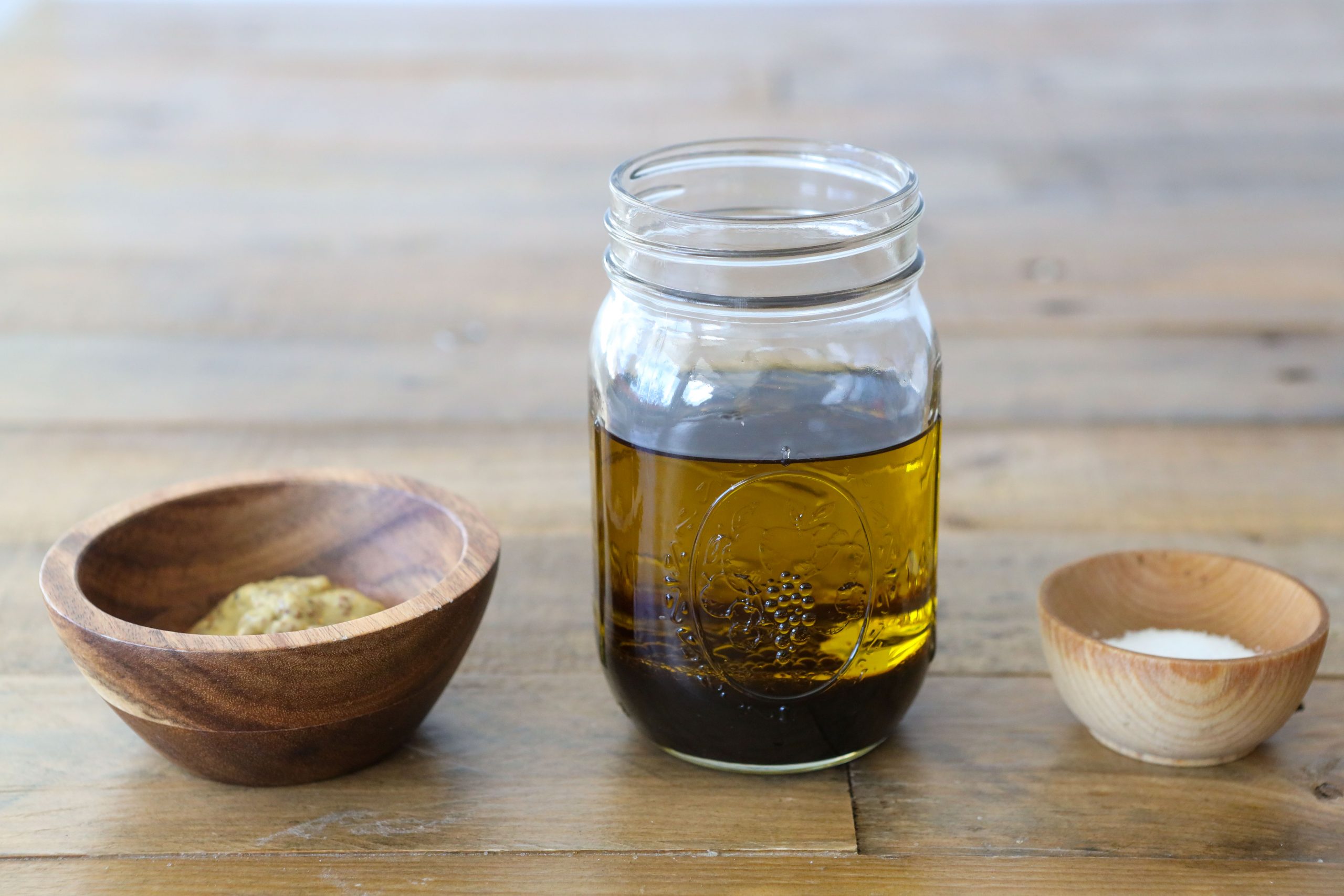
- Instead of bottled dressing: use 3 tablespoons olive oil + 1 tablespoon vinegar + a big pinch of mustard + black pepper. Add a tiny pinch of salt only if needed.
- Instead of deli meat for sandwiches: use mashed chickpea salad with lemon, celery, and herbs.
- Instead of salty snack chips: use air-popped popcorn with smoked paprika, garlic powder, and a squeeze of lime.

Make low sodium taste great
- Use acid early and late. A splash of vinegar in soup and a squeeze of lemon at the end wakes up everything because acid boosts brightness and can make flavors taste more “complete,” even with less salt.
- Toast spices. Warm cumin or smoked paprika in a little olive oil for 30 seconds before adding liquids.
- Add crunch. Toasted nuts, seeds, cabbage, or cucumbers make meals feel complete.
- Finish with something punchy. Fresh herbs, citrus zest, or a spoon of yogurt does wonders.
Salt, but on purpose
You do not have to ban salt to eat in a heart-supportive way. The win is using less overall and using it where it counts. A small pinch in a big pot of soup, lightly salting pasta water, or a tiny finishing pinch on a final serving can be more satisfying than relying on salty packaged foods throughout the whole meal.
About salt substitutes
Potassium-based salt substitutes (often sold as “lite salt”) can help some people reduce sodium. But they are not for everyone. If you have kidney disease, are on dialysis, or take certain medications that affect potassium (including many blood pressure medicines), check with your clinician or pharmacist first.
Build your pantry in 3 phases
Phase 1: Flavor base
Olive oil, vinegar, lemons, garlic, onions, pepper flakes, cumin, smoked paprika.
Phase 2: Meal makers
Oats, brown rice, quinoa or farro, lentils, canned no-salt beans, canned tomatoes, low-sodium broth.
Phase 3: Upgrades
Nuts and seeds, canned salmon or sardines, whole grain pasta, specialty vinegars, dried mushrooms, nutritional yeast.
If you are starting from truly empty, this pacing keeps it manageable and prevents buying a bunch of aspirational items that expire quietly in the back of the cupboard.
6 pantry-first meal ideas
No fancy shopping required. These are “what can I make right now” combinations.
- Lemony chickpea and quinoa bowl: quinoa + chickpeas + chopped cucumber + olive oil + lemon + dill (or dried dill).
- Tomato-lentil soup: sauté onion and garlic, toast cumin, add canned tomatoes + lentils + low-sodium broth. Finish with vinegar.
- Sheet pan salmon and broccoli: salmon + frozen broccoli, olive oil, garlic powder, pepper, squeeze of lemon at the end.
- Warm white bean skillet: cannellini beans + tomato paste + spinach + red pepper flakes. Finish with balsamic.
- Oatmeal that actually tastes good: oats + berries + chia + walnuts + pinch of cinnamon. Add a tiny pinch of salt if it helps the flavor pop.
- Chickpea “tuna” salad: mash chickpeas with a little yogurt or olive oil, mustard, celery, lemon, lots of pepper.

Storage and organization
I am slightly obsessed with pantry order because it directly reduces food waste.
- Put everyday items at eye level. Oils, vinegars, grains, and beans you use weekly should be the easiest to grab.
- Group by function. “Grains,” “beans,” “breakfast,” “soups,” “snacks,” “sauces.”
- Decant only if it helps you cook more. Clear jars for grains and lentils are great if you will actually refill them.
- First in, first out. When you buy new cans, move older ones forward.
- Spice reality check. If a spice has been living above your stove for years, it is probably tired. Replace your top five most-used spices once a year for maximum flavor payoff.
How fast you will use things
- Broth: If you cook soups, grains, or skillet meals, you will likely go through it quickly. Keep a couple shelf-stable cartons on hand, and freeze leftovers in 1-cup portions.
- Canned tomatoes: One of the easiest “dinner starters.” If you use them weekly, buy a few at a time.
- Nuts and seeds: Buy what you will use in a month or two. For best flavor, store extras in the freezer to prevent them from going rancid.

FAQ
Do I have to cut out salt completely?
No. Most home cooks do better focusing on reducing hidden sodium in packaged foods and seasoning intentionally. You can often use less salt overall when you build big flavor with acid, aromatics, and spices.
Are canned foods okay?
Absolutely. Choose no-salt-added or low-sodium options when you can. If you are using regular canned beans, draining and rinsing can reduce sodium by roughly 30 to 40% (it varies by brand). Canned tomatoes, beans, and fish are some of the most weeknight-friendly staples available.
What oils should I keep on hand?
Extra-virgin olive oil is my top pick for everyday use. If you want a second oil, refined avocado oil is a neutral option for higher heat. I treat butter as an accent, not the default.
What are the fastest pantry dinners?
Think in templates: grain + bean + vegetable + bright finish. Quinoa + chickpeas + frozen spinach + lemon. Brown rice + black beans + salsa + avocado (if you have it). Lentils + tomatoes + broth + vinegar.
If I can only buy five things today, what should they be?
Olive oil, canned no-salt beans, oats, low-sodium broth, and vinegar or lemons. That set unlocks breakfasts, soups, bowls, and quick sautés without feeling stuck.
A simple next step
Pick one category to upgrade this week, not your entire kitchen. My favorite first win is swapping to no-salt-added beans and tomatoes, then adding a vinegar and a spice blend you love. The meals you already cook will instantly become more heart-friendly without losing the joy.