When I taught cooking classes, pancakes were one of the quickest confidence-builders. The technique is simple, but timing, heat, and batter texture can feel mysterious at 7 a.m. A homemade pancake mix removes one big variable. You measure once, label the jar, and breakfast becomes: add wet ingredients, stir, cook.
Also, it is a quiet little food-waste hero. That half-empty bag of flour, the last spoonful of sugar, the baking powder that needs using. They all get a job.
This makes a classic, lightly sweet, all-purpose pancake mix that works for buttermilk pancakes, blueberry pancakes, and even waffles with one small tweak.
Why this recipe works
- You measure once. Keeping a labeled jar of mix on hand makes pancakes feel simple: add wet ingredients, stir, cook.
- Even results batch after batch. Whisking the dry ingredients thoroughly disperses the leaveners so every scoop performs the same.
- Flexible for pancakes and waffles. The base mix works for multiple styles, with small adjustments (like baking soda for tangy batters or a bit more fat for waffles).
- Reduces pantry waste. It puts leftover flour, sugar, and baking powder to use.
Ingredient notes
- All-purpose flour: Spoon-and-level for best accuracy; about 120 g per cup.
- Granulated sugar: The mix is lightly sweet; you can bump it up for sweeter pancakes.
- Baking powder: Whisk very well for even lift; if it is clumpy, sift it in or rub lumps between your fingers.
- Fine salt: Balances flavor in both the dry mix and cooked pancakes.
- Optional baking soda: Add if you plan to use buttermilk, yogurt, or acidified milk; it improves browning and tenderness.
- Powdered buttermilk (optional): Adds flavor; check your brand for salt and adjust if needed.
- Milk/buttermilk (when making pancakes): Any milk works; for tang, use buttermilk or yogurt thinned with a splash of milk.
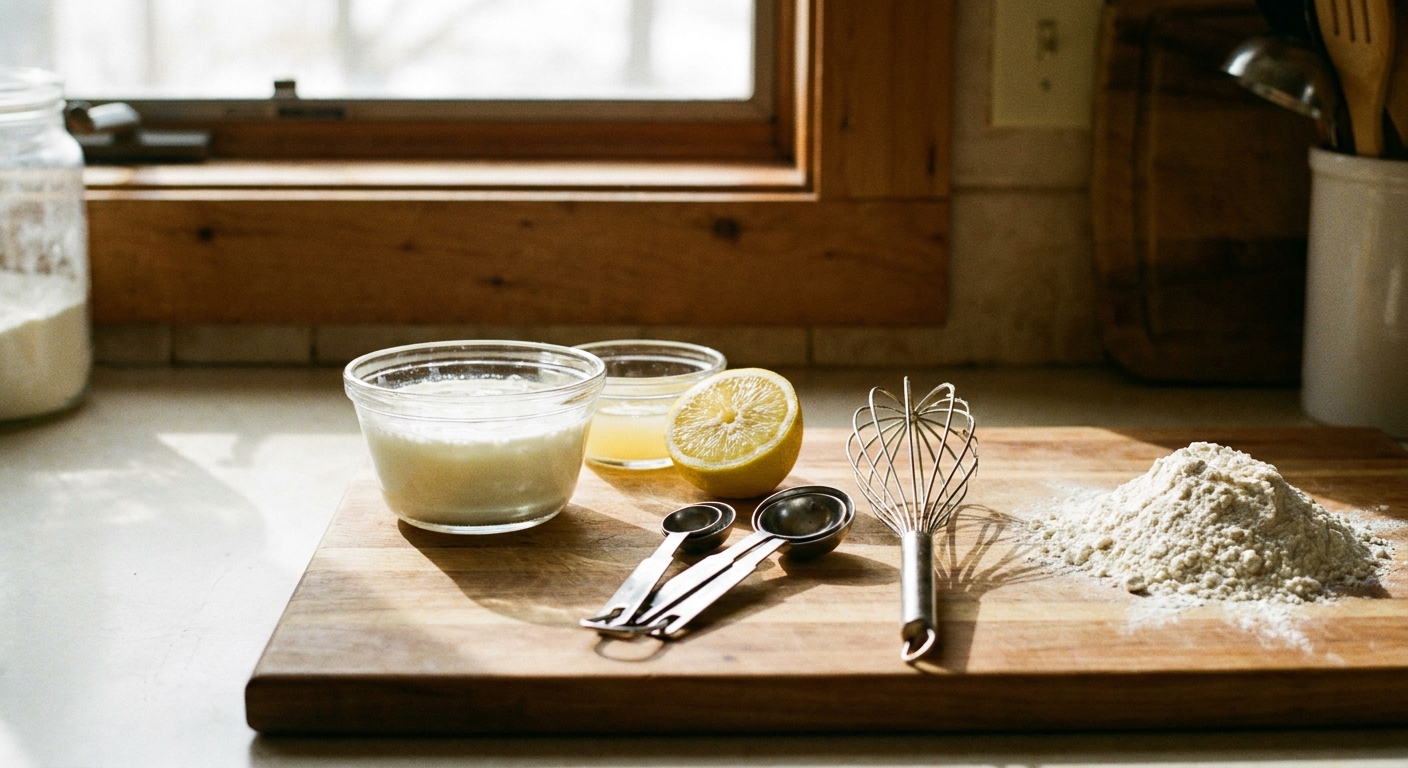
- Acidified milk option: Stir lemon juice or vinegar into milk and let it sit before using; baking soda helps here.
- Butter or neutral oil (when cooking): Butter adds flavor but can burn; a small smear of butter plus a tiny splash of neutral oil is a good compromise.
Equipment you will need
- Large mixing bowl
- Whisk
- Sifter (helpful if baking powder is clumpy)
- Funnel (to transfer mix neatly)
- 2-quart jar or airtight container with a tight lid (enough headspace to shake)
- Measuring cups and spoons
- Spatula (for folding batter)
- Nonstick skillet, well-seasoned cast iron, or flat griddle
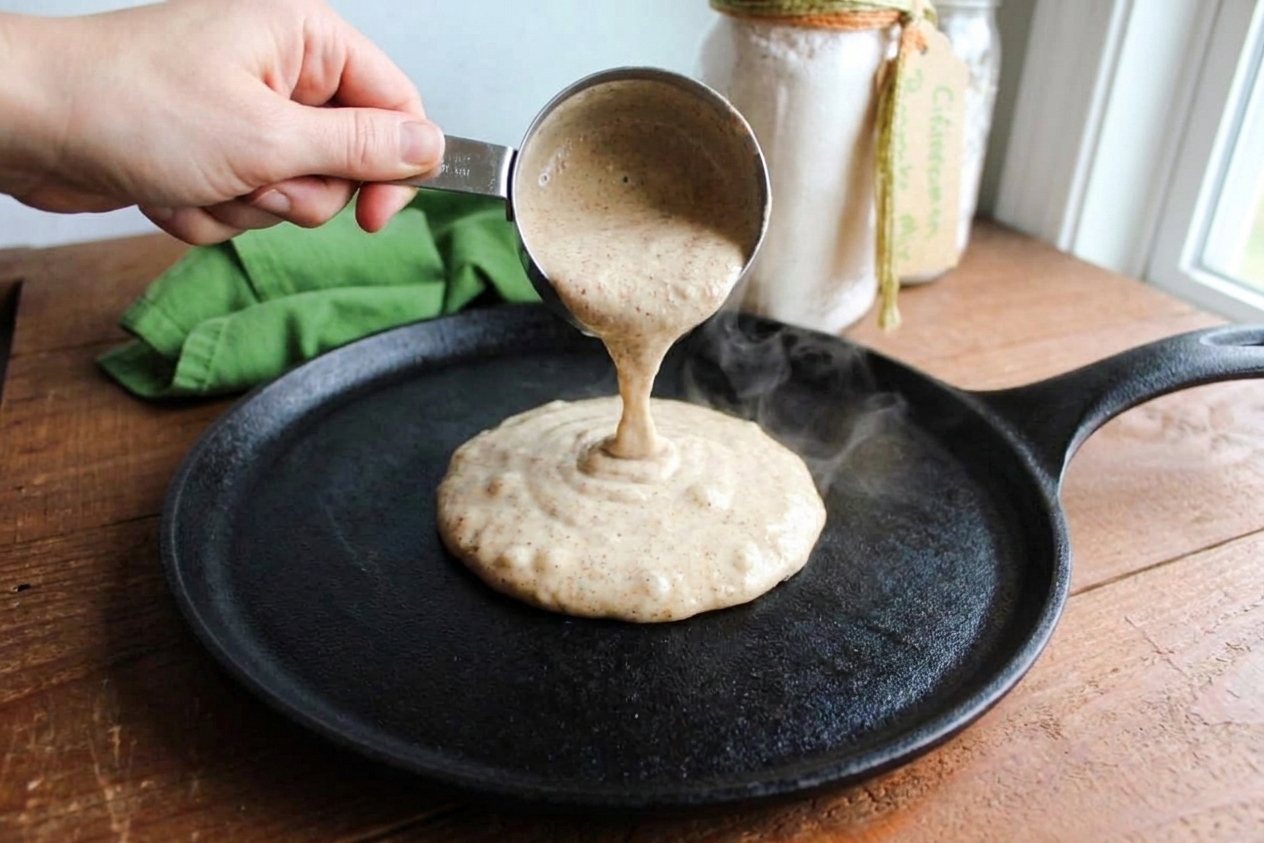
- Measuring cup for portioning batter (about 1/4 cup per pancake)
Pro tips
- Whisk the dry mix for a full 30 seconds. Even dispersion of leaveners keeps performance consistent.
- Shake or stir the jar before scooping. Dry ingredients settle in storage.
- Use a thick but pourable batter. If it is too thick, add milk 1 to 2 tablespoons at a time.
- Rest the batter 5 minutes. This hydrates the flour and gives the leaveners a head start; the batter thickens slightly.
- Keep the pan at medium heat. It is ready when a drop of water sizzles and skitters around. If it smokes, it is too hot.
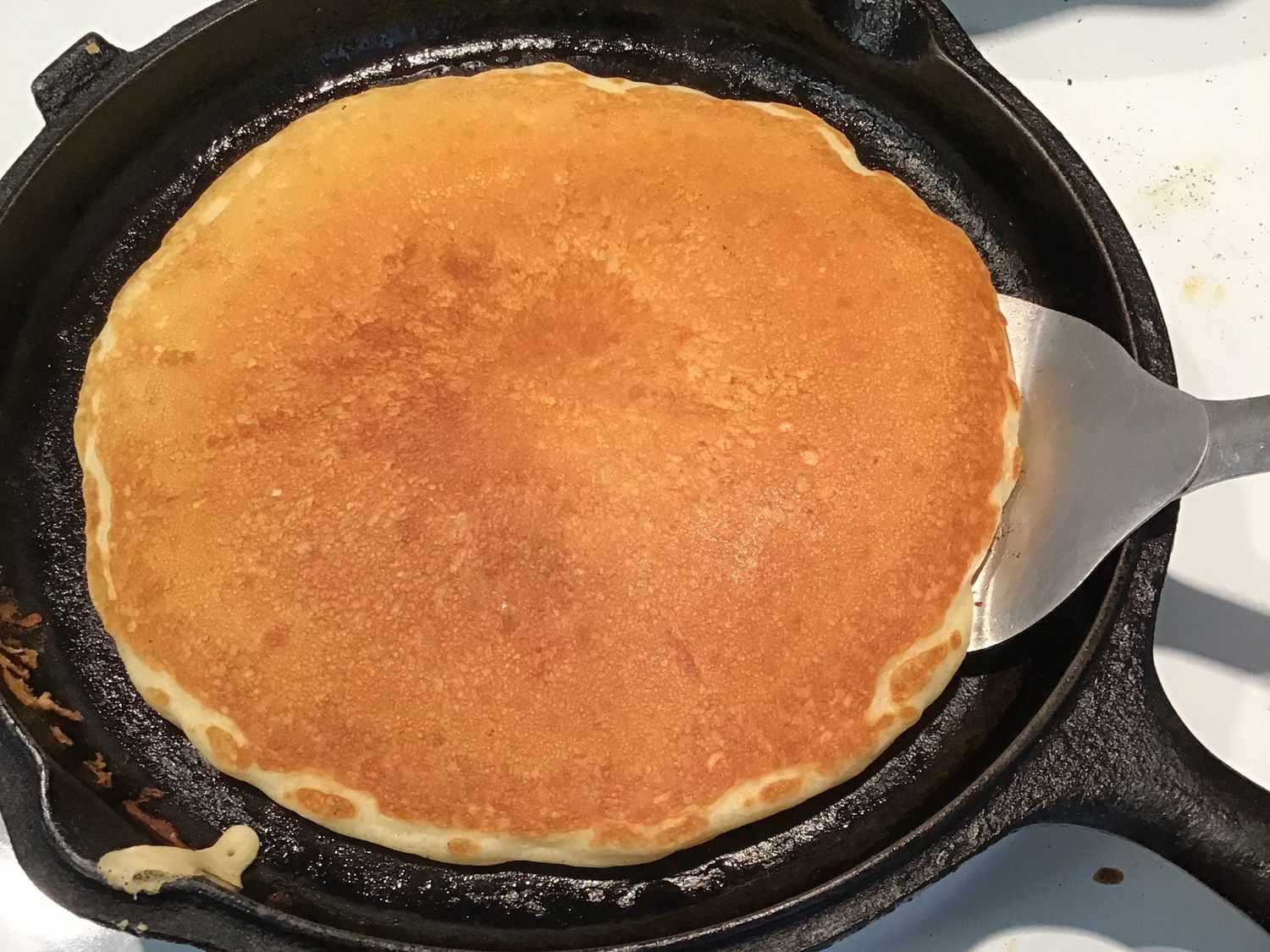
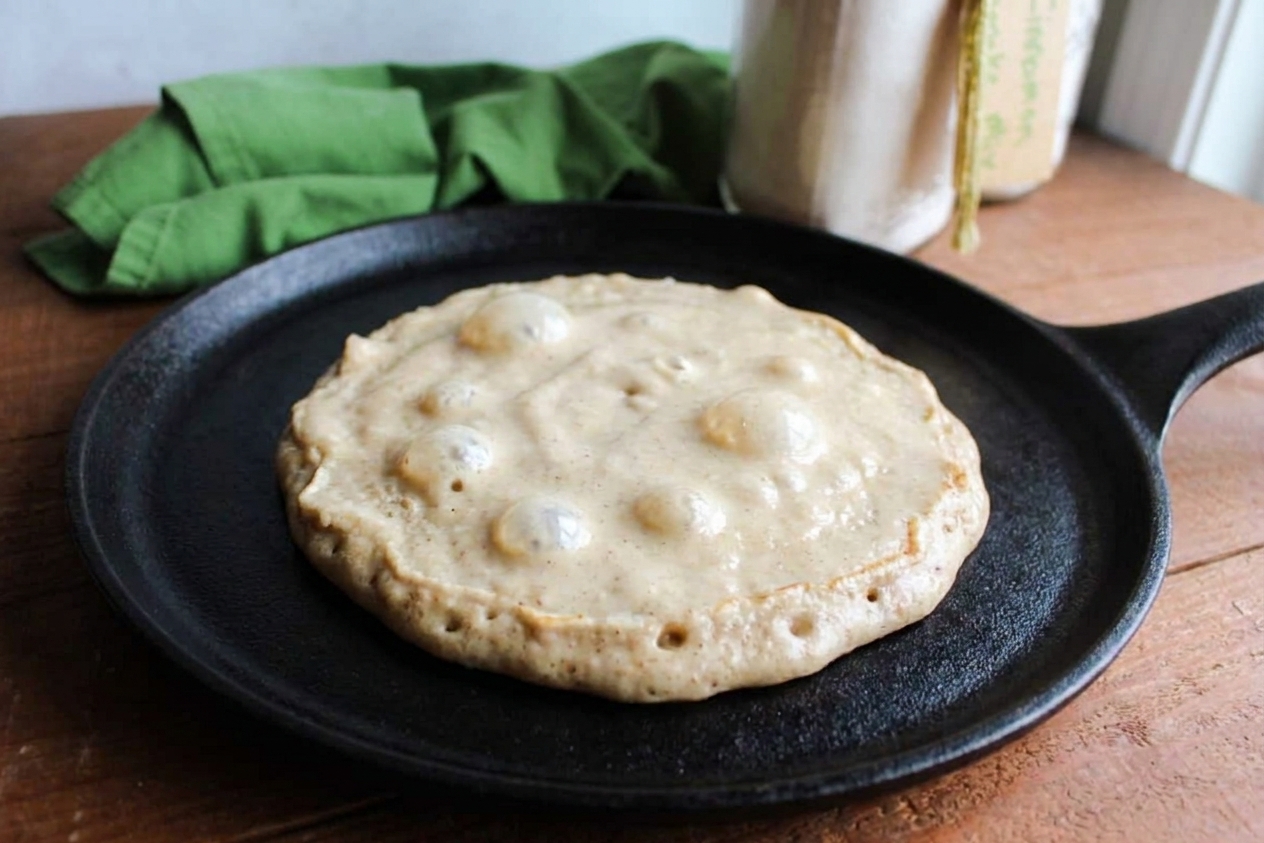
- Flip by visual cues. Flip when bubbles appear on the surface and edges look set and slightly dry (usually 2 to 3 minutes). The second side takes about 1 to 2 minutes.
- For mix storage: Choose a container with enough headspace to shake the mix.
Substitutes that work
Whole wheat
You can swap up to 1/2 of the flour for whole wheat flour without getting heavy pancakes. Whole wheat absorbs more liquid, so you may need an extra splash of milk when mixing the batter.
Dairy-free
Use oat milk or almond milk, and swap melted butter for neutral oil or melted coconut oil. For a little tang, add 1 teaspoon lemon juice or vinegar to the milk and let it sit 5 minutes before mixing. If you use the tangy version often, consider adding the optional baking soda to your jar.
Gluten-free
Use a 1:1 gluten-free baking flour blend that already contains xanthan gum. Gluten-free batters often thicken as they sit, so do not be afraid of an extra tablespoon or two of milk right before cooking.
Lower sugar
You can cut the sugar to 1 tablespoon or omit it. You will lose a bit of browning, so let the pan preheat well and cook a touch longer on the first side.
Variations
Think of pancakes like a blank canvas, but keep the batter ratio in mind. Too many add-ins can weigh things down. Aim for 1/2 to 3/4 cup add-ins per batch.
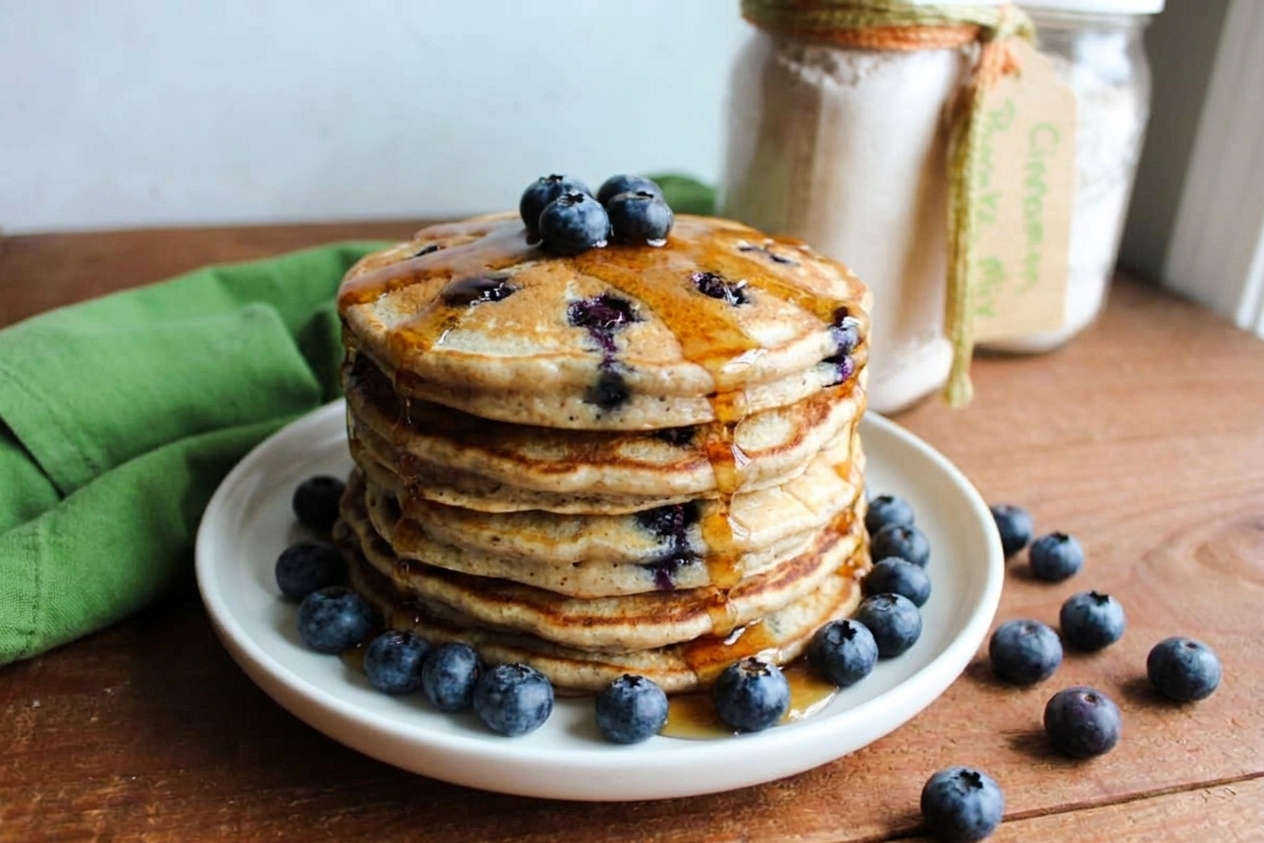
Blueberry
- Sprinkle berries onto the pancakes after you pour batter into the pan. This prevents purple streaks in the bowl and helps berries stay evenly distributed.
Chocolate chip
- Use mini chips for better distribution and cleaner flipping.
Banana walnut
- Fold in 1 mashed ripe banana and 1/3 cup chopped walnuts. Add a splash more milk if the batter gets too thick.
Lemon poppyseed
- Add 1 tablespoon poppyseeds and the zest of 1 lemon to the batter. Serve with a squeeze of lemon and warm maple syrup.
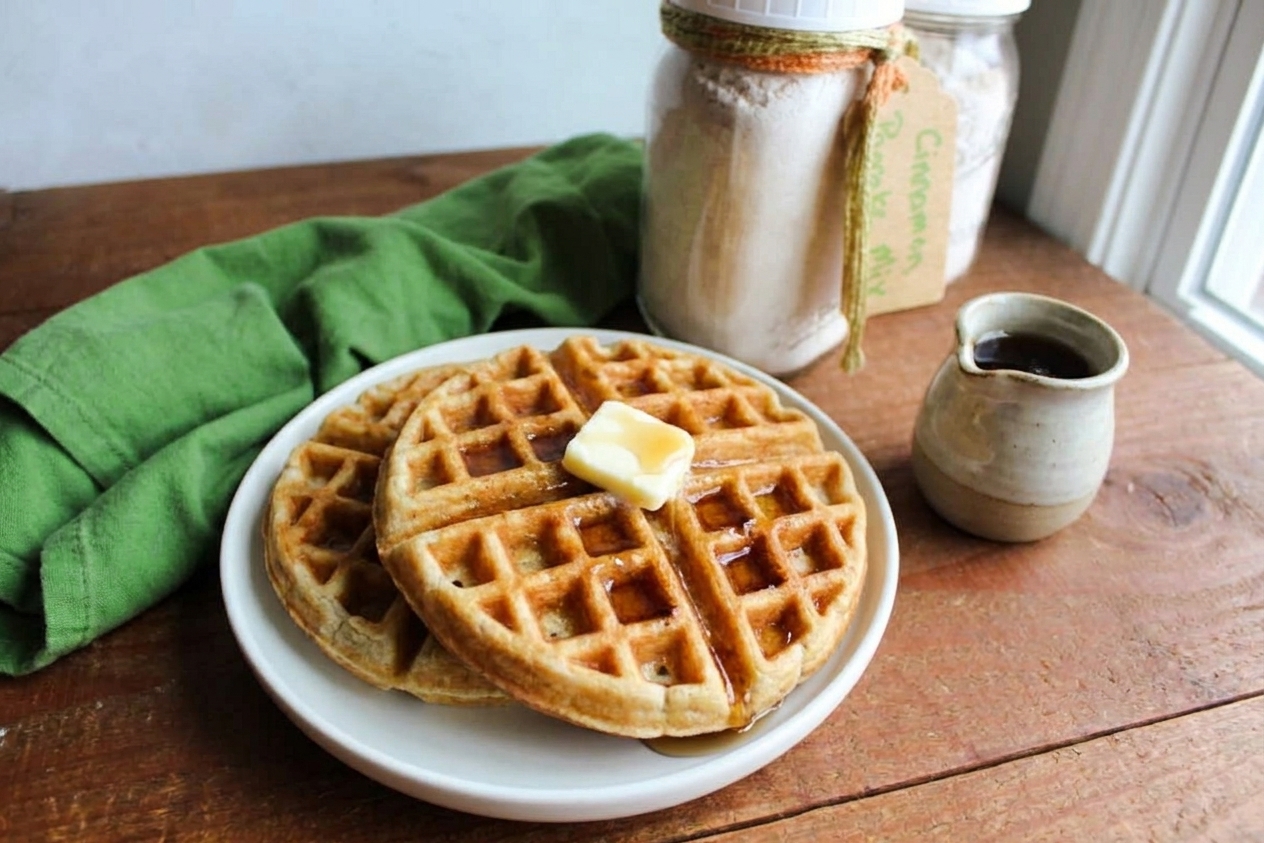
Make it waffles
- Use the same per-batch ratios, but add an extra 1 tablespoon melted butter or oil.
- For extra crispness, separate the egg: stir in the yolk with the wet ingredients, then fold in the whipped white at the end (optional).
- Cook according to your waffle iron instructions. Timing and browning level vary a lot by model.
Serving ideas
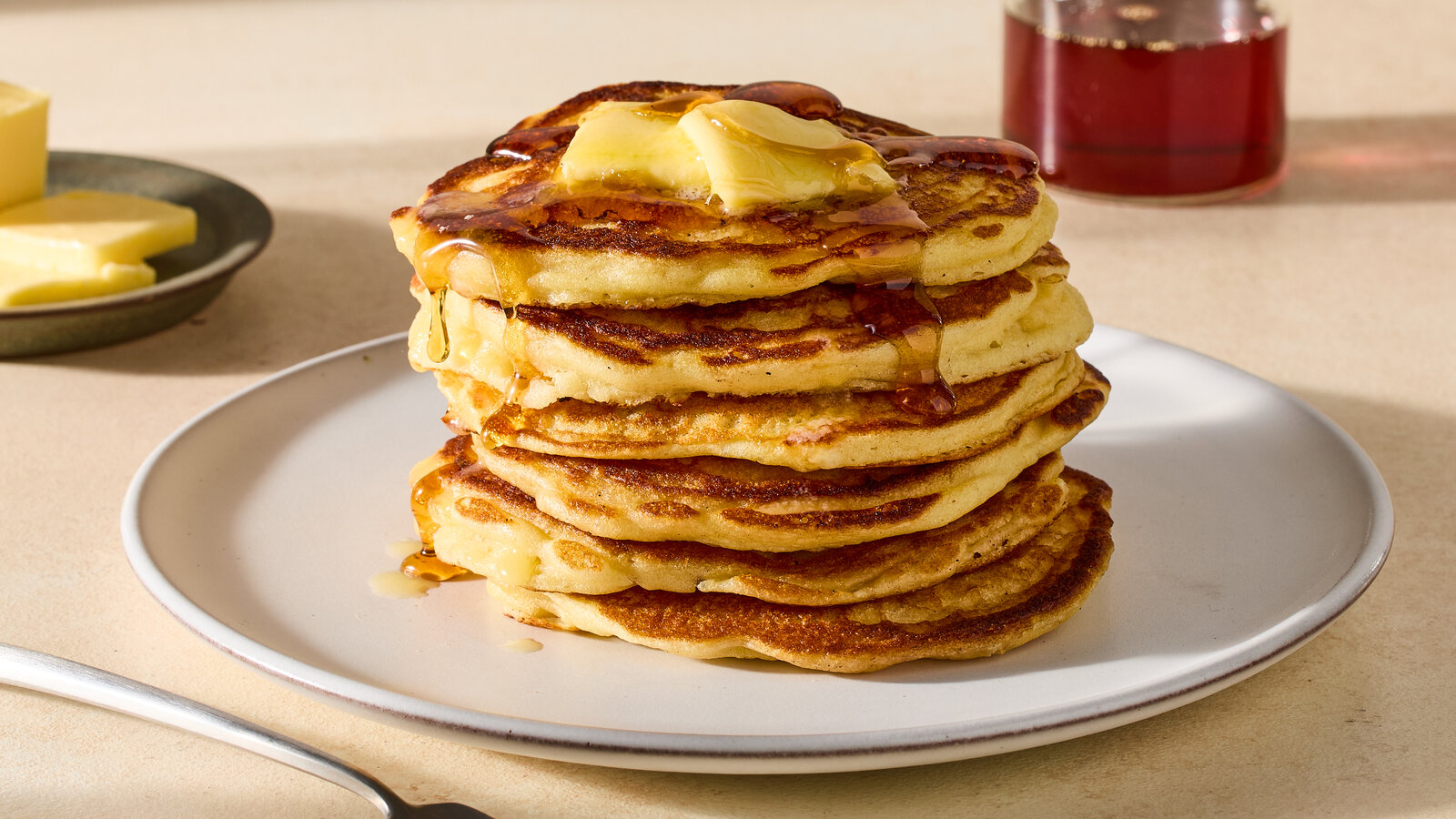
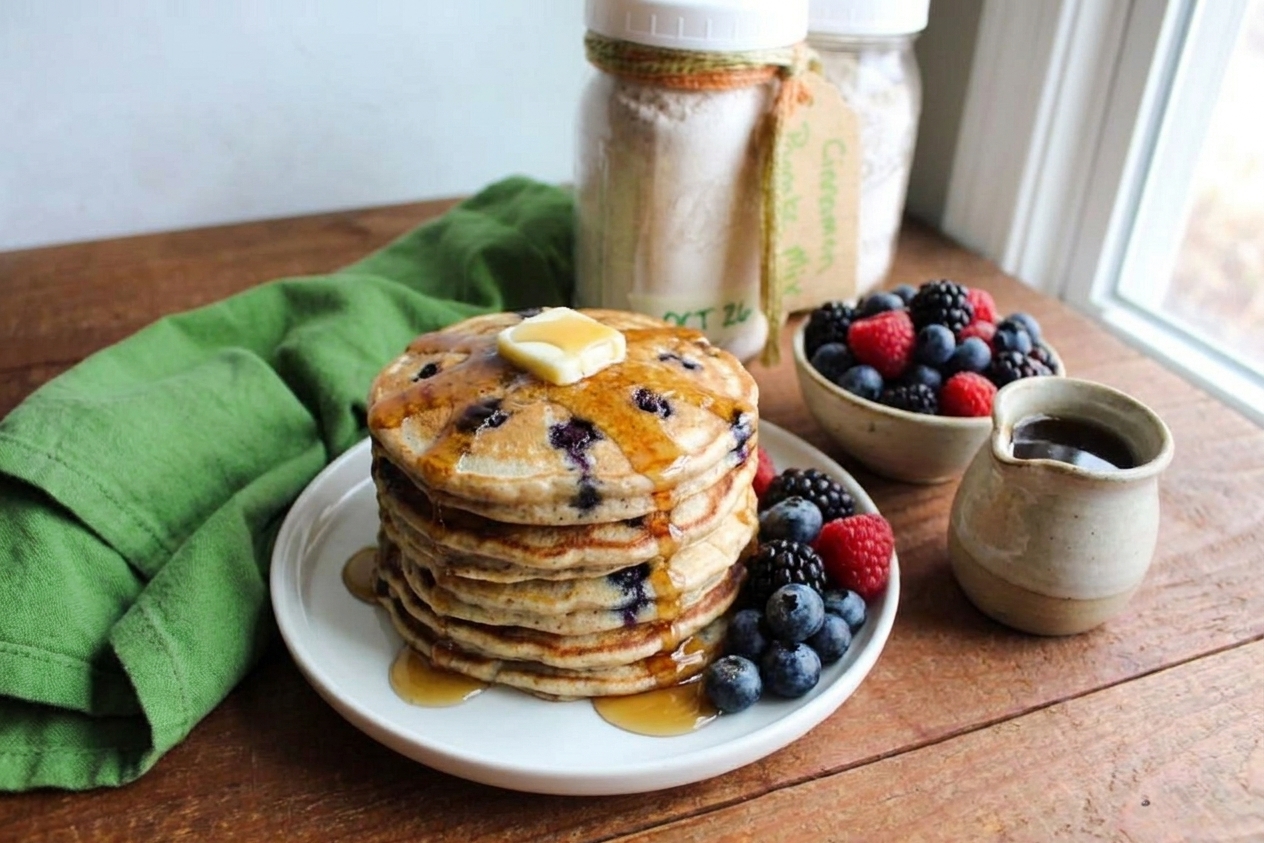
My ideal pancake plate is all about balance: warm maple syrup for sweetness, a pinch of flaky salt to sharpen everything, and something bright like berries or citrus on the side. If you have yogurt in the fridge, a dollop adds tang and keeps the whole thing from feeling like a sugar bomb.
Storage and reheating
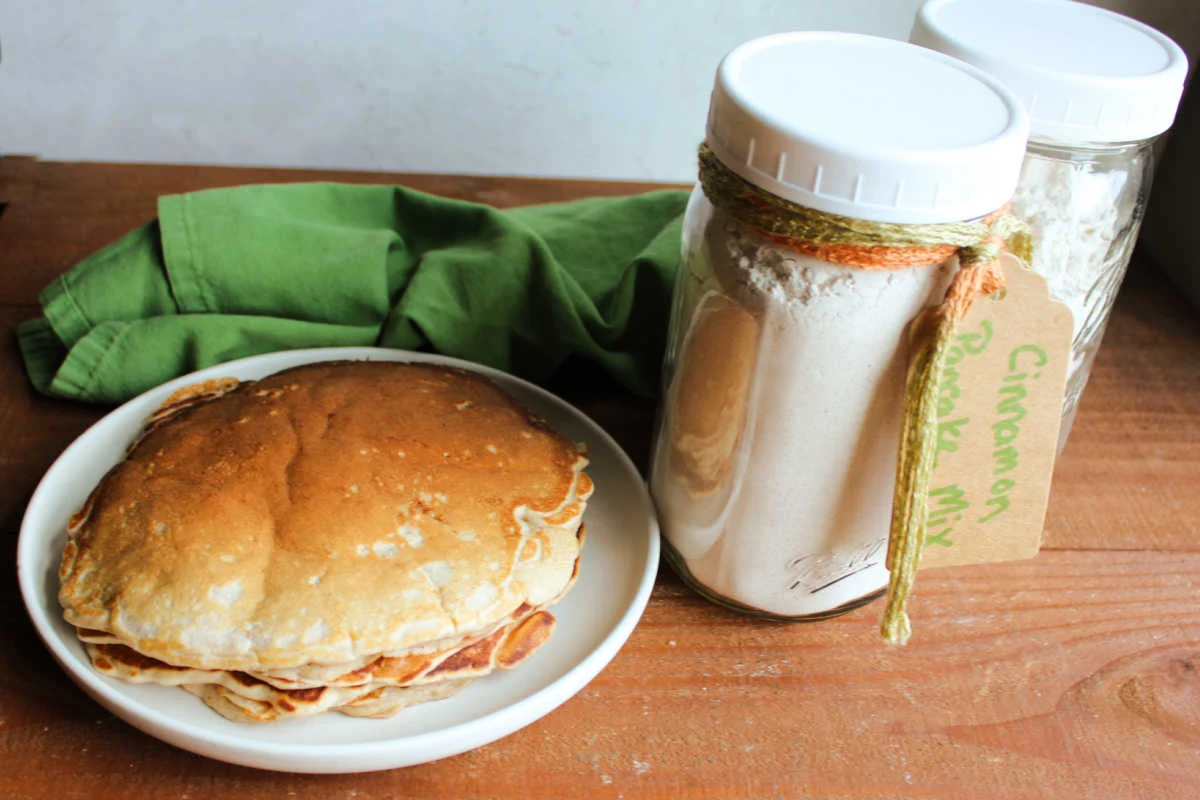
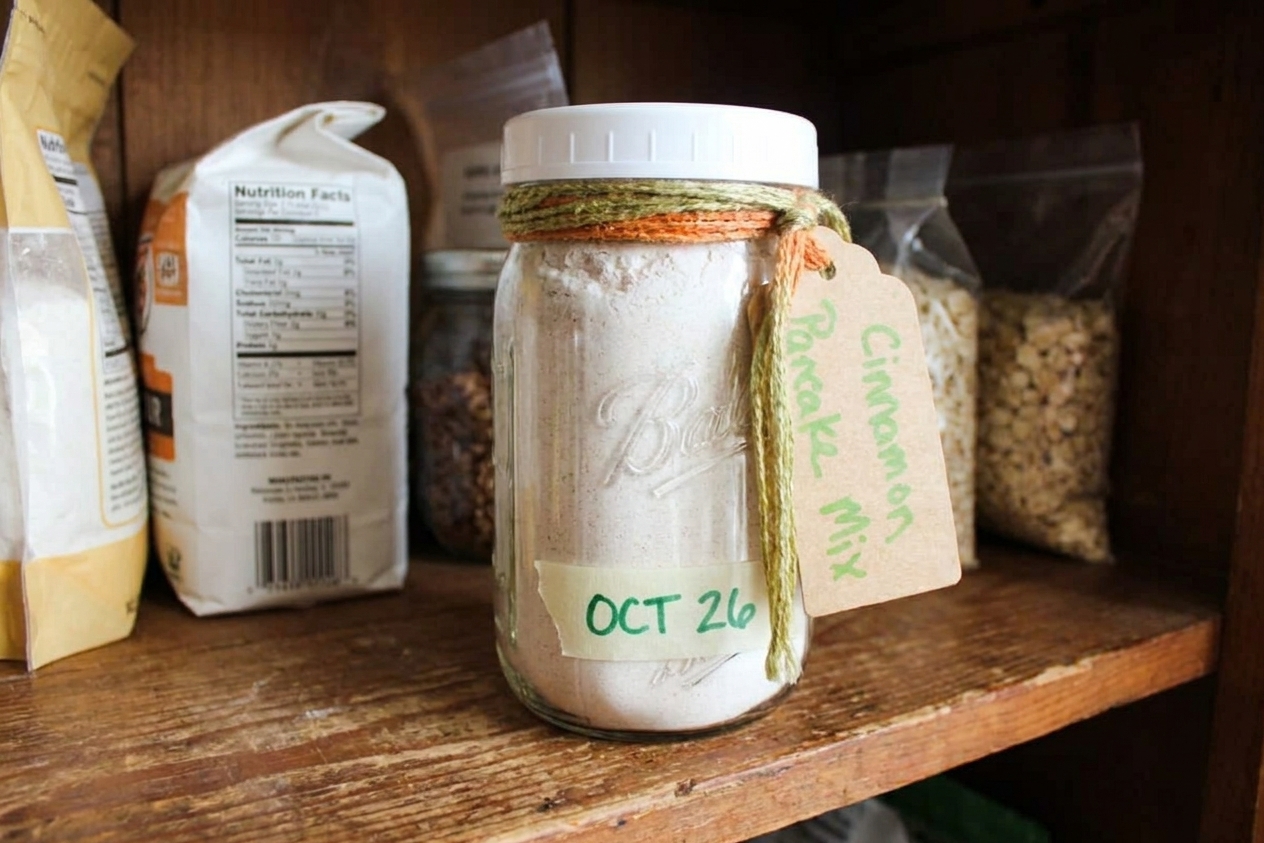
Keep the mix in an airtight container in a cool, dry spot. A wide-mouth jar makes scooping easier.
- Pantry: Best within 3 months for strongest rise (still usable after, but the lift slowly weakens).
- Freezer: Up to 1 year for best performance. Seal it very well to prevent moisture and condensation issues.
Label tip: Write the date you made it and the per-batch wet ingredients ratio on a piece of tape.
Common mistakes
- Under-whisking the dry mix: Leaveners can be unevenly dispersed; whisk thoroughly for consistent pancakes.
- Ignoring clumpy baking powder: Those lumps do not dissolve well in batter; sift or rub them out.
- Skipping the jar shake: Dry ingredients settle during storage; shake or stir before measuring.
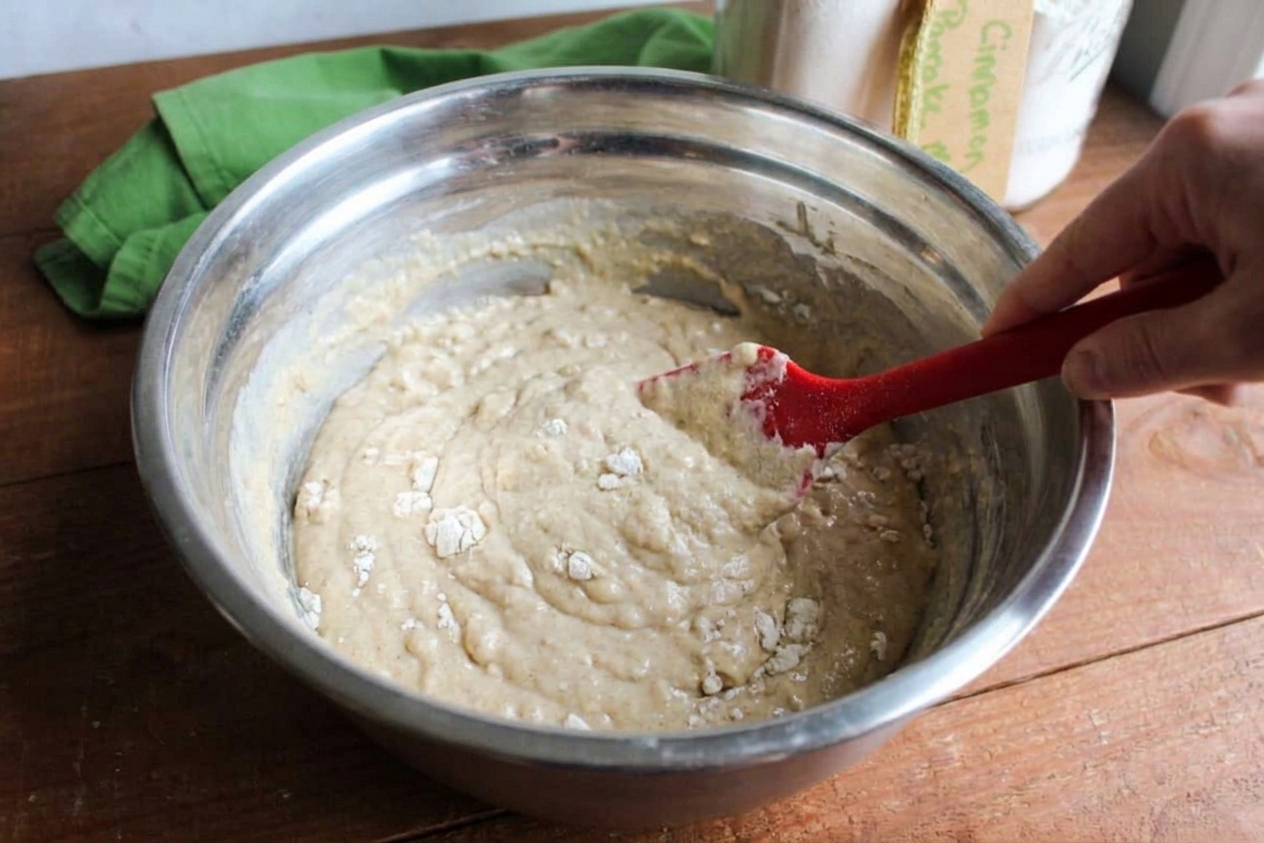
- Over-mixing the batter: Stir just until no dry pockets remain; the batter should look a little lumpy.
- Cooking on the wrong heat: Too hot can brown outside before the inside sets; too cool can lead to pale pancakes.
- Using baking soda without an acidic liquid: Baking soda plus regular milk can taste bitter or soapy.
- Letting butter burn: Butter adds flavor but can burn if the pan runs hot; use a small smear of butter plus a tiny splash of neutral oil for insurance.
FAQ
Can I add powdered milk to the mix?
Yes. You can add 1/2 cup nonfat dry milk powder to the dry mix. Then use water as the liquid when making batter. Milk still works great when you have it.
Do I need baking soda in the mix?
Only sometimes. Add baking soda if you plan to make pancakes with buttermilk, yogurt, or acidified milk (milk mixed with lemon juice or vinegar). If you are using regular milk, you can skip baking soda and rely on baking powder for lift.
How much mix do I use per person?
A rough guide: 1/2 cup mix per adult makes 3 to 4 medium pancakes, depending on your scoop and appetite.
Can I prep batter the night before?
I do not recommend it. Once wet ingredients hit the leaveners, the lift starts. If you need to prep ahead, mix the dry mix and measure your wet ingredients, then combine in the morning.
Homemade Pancake Mix
A big-batch homemade pancake mix (about 4 1/2 cups dry mix) that makes 2 full pancake batches (using 2 cups mix each time) plus a little extra. Use it for classic pancakes, tangy buttermilk pancakes (with the optional baking soda), or waffles with a small fat adjustment.
- Prep
- 15 minutes
- Cook
- 15 minutes
- Total
- 30 minutes
- Yield
- About 8 to 10 medium pancakes (1 batch)
Ingredients
- 4 cups (480 g) all-purpose flour
- 3 tablespoons (36 g) granulated sugar (bump to 1/4 cup if you like sweeter pancakes)
- 2 tablespoons (24 g) baking powder
- 1 1/2 teaspoons fine salt
- 1 teaspoon baking soda (optional; add if you plan to use buttermilk, yogurt, or acidified milk)
- 2 tablespoons powdered buttermilk (optional; check your brand for salt and adjust if needed)
- 1 to 2 teaspoons ground cinnamon (optional)
- 1 teaspoon vanilla powder (optional; or add vanilla later)
- 2 cups (about 240 g) pancake mix (from the jar, for one pancake batch)
- 1 1/2 cups (360 g) milk (any kind)
- 1 large egg
- 2 tablespoons melted butter (or neutral oil)
- 1 teaspoon vanilla extract (optional)
- 1 to 1 1/2 tablespoons lemon juice or vinegar (optional, to acidify milk; let sit 5 minutes)
- Butter and/or neutral oil, as needed for the pan
- Extra 1 tablespoon melted butter or oil (optional, for waffles)
Instructions
- Make the dry mix. In a large bowl, whisk flour, sugar, baking powder, and salt for a full 30 seconds.
- Add optional items. If using baking soda and/or other add-ins (powdered buttermilk, cinnamon, vanilla powder), whisk them in well.
- Deal with lumps. If your baking powder is clumpy, sift it in or rub lumps between your fingers.
- Store airtight. Funnel into a large jar or container with a tight lid. A 2-quart container is a comfortable size with enough headspace to shake.
- Before measuring for pancakes, shake or stir. Dry ingredients settle in storage, so mix them back together quickly.
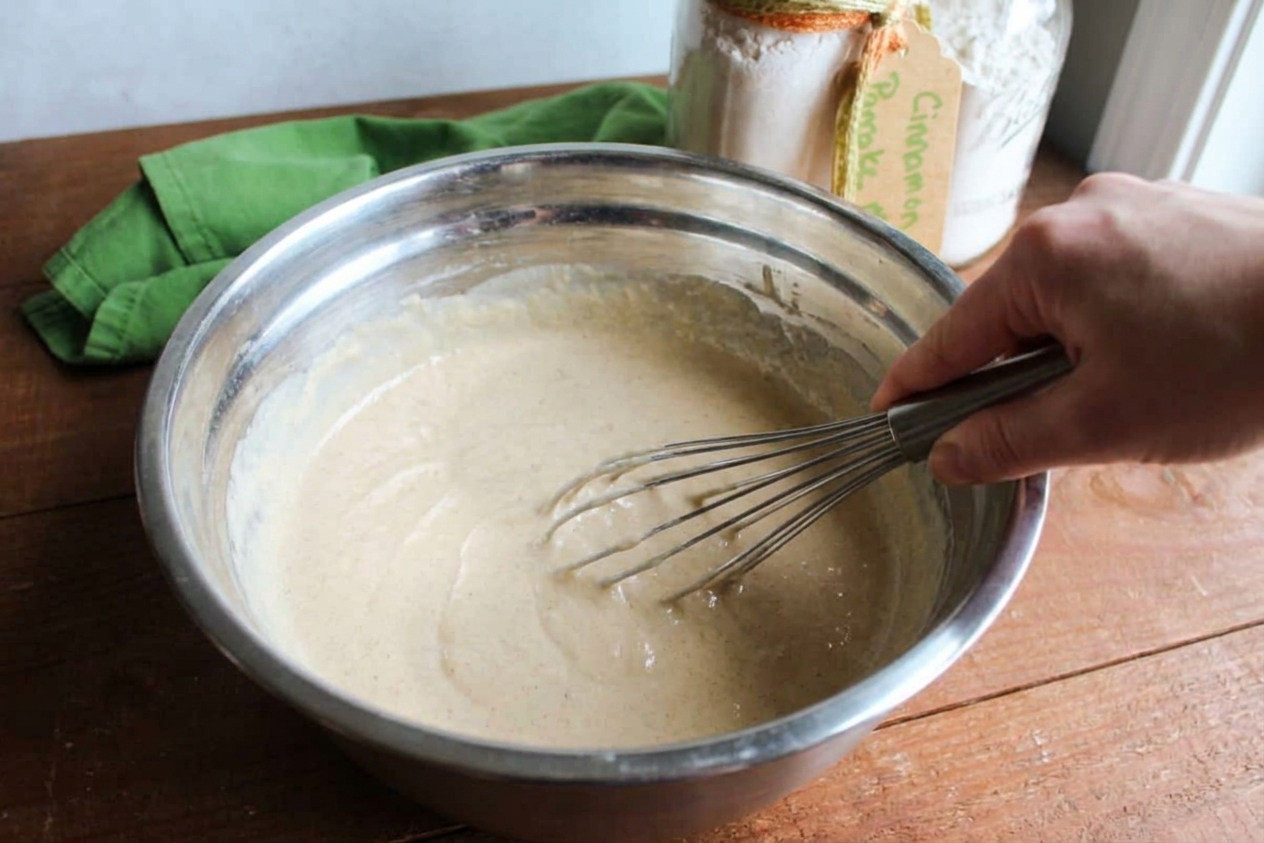
- Mix the wet ingredients. For one pancake batch, whisk milk (or buttermilk), egg, melted butter, and vanilla (if using) until smooth.
- Add the mix and stir gently. Add 2 cups pancake mix and fold with a spatula just until no dry pockets remain. The batter should look a little lumpy.
- Rest 5 minutes. Let the batter stand to hydrate and thicken slightly.
- Preheat the pan. Heat a nonstick skillet, well-seasoned cast iron, or griddle over medium until a drop of water sizzles and skitters around (if it smokes, it is too hot).
- Cook and flip. Lightly grease the pan (a small smear of butter plus a tiny splash of neutral oil works well). Pour about 1/4 cup batter per pancake. Flip when you see bubbles on the surface and edges look set and slightly dry, usually 2 to 3 minutes. Cook the second side about 1 to 2 minutes.
- For waffles (optional). Use the same per-batch ratios, but add an extra 1 tablespoon melted butter or oil. Cook according to your waffle iron instructions.
Notes
- Batch size: This big batch makes about 4 1/2 cups dry mix, which gives you 2 full pancake batches (using 2 cups mix each time) plus a little extra.
- Batter consistency: Thick but pourable. If too thick, add milk 1 to 2 tablespoons at a time.
- Buttermilk option: Swap buttermilk (or yogurt thinned with a splash of milk) for the milk. For best browning and tenderness, make sure your jar includes the optional 1 teaspoon baking soda.
- No buttermilk: Stir 1 to 1 1/2 tablespoons lemon juice or vinegar into the milk and let it sit for 5 minutes, then proceed (baking soda helps here too).
- Mixing: Lumps are fine; over-mixing is not.
Nutrition
- Calories: ~240
- Fat: ~7 g
- Carbs: ~36 g
- Protein: ~8 g
- Fiber: ~1 g
- Sugar: ~5 g
- Sodium: ~520 mg
Approximate values per serving, assuming 1 batch yields 10 medium pancakes and using milk, egg, and butter as written (not including optional add-ins or extra cooking fat).