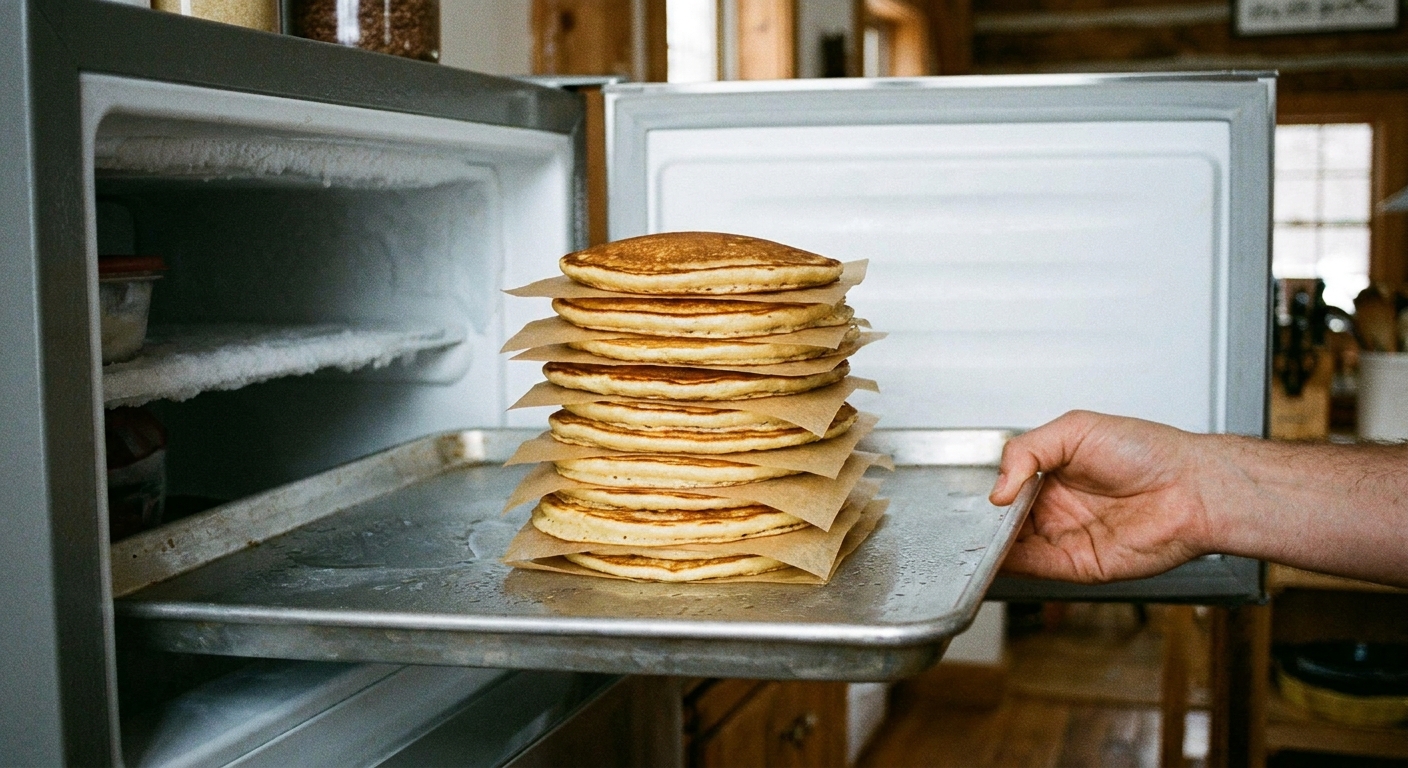

Pancakes are one of my favorite make-ahead breakfasts because they freeze beautifully when you treat them more like fresh bread than like leftovers. The big goals are simple: cool them quickly and uncovered, protect them from freezer burn, and reheat with a little intention so they come back soft and fluffy.

Best way to freeze pancakes (so they stay soft)
This method keeps pancakes from sticking together and prevents the dreaded icy edge that comes from air exposure.
- Make sure they are fully cooked. Freeze pancakes only after they are cooked through. Par-cooked pancakes tend to reheat unevenly and can turn gummy.
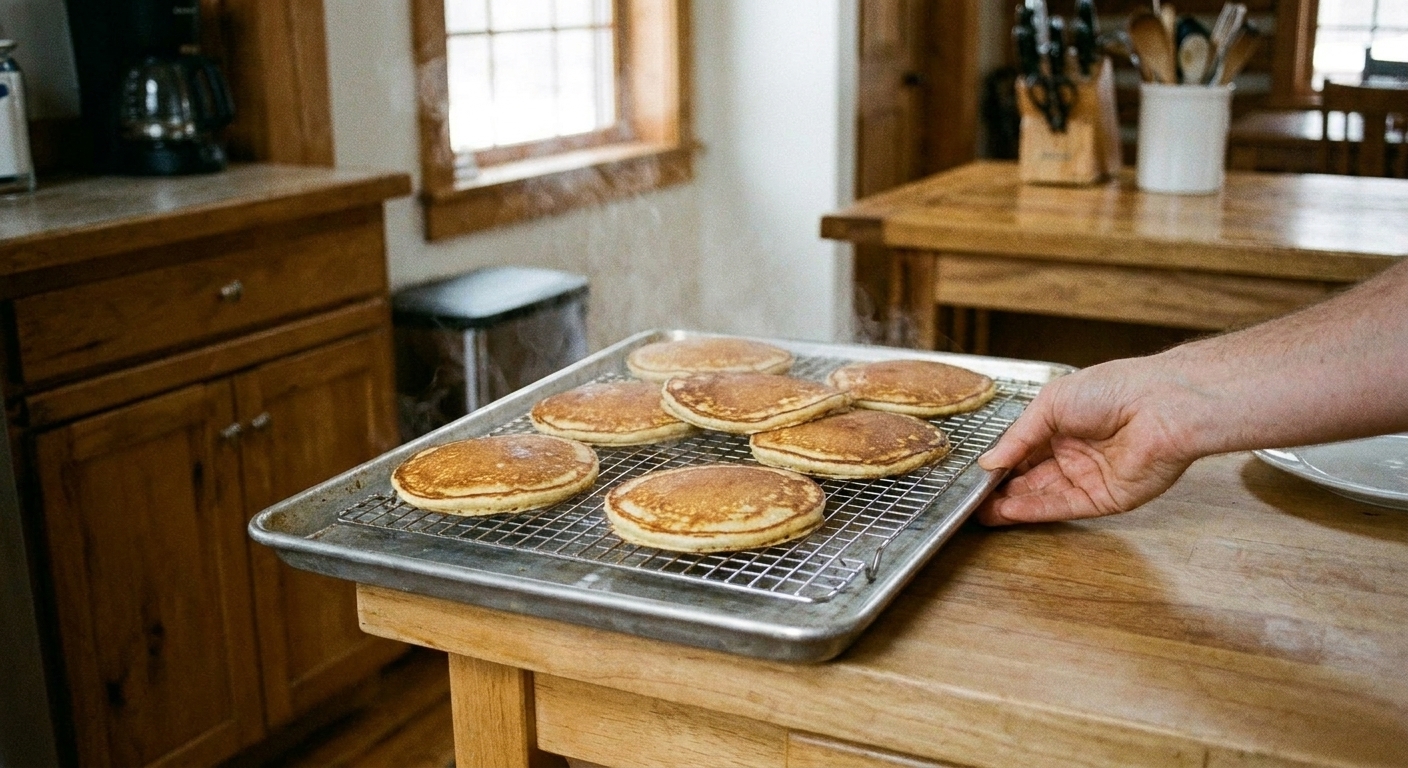
- Cool completely. Spread pancakes in a single layer on a wire rack or a sheet pan. Let them cool until fully cool to the touch (often about 20 to 30 minutes, depending on thickness and your kitchen). Warm pancakes trapped in a bag create steam, and steam becomes ice.
- Flash freeze briefly (optional, but excellent). If you have space, freeze the cooled pancakes in a single layer on a sheet pan for 30 to 60 minutes, until firm. Freezing flat and fast helps protect texture.
- Stack with parchment between each pancake. Cut parchment into squares slightly larger than your pancakes. Stack pancakes with one parchment square between each one so you can grab exactly what you need.
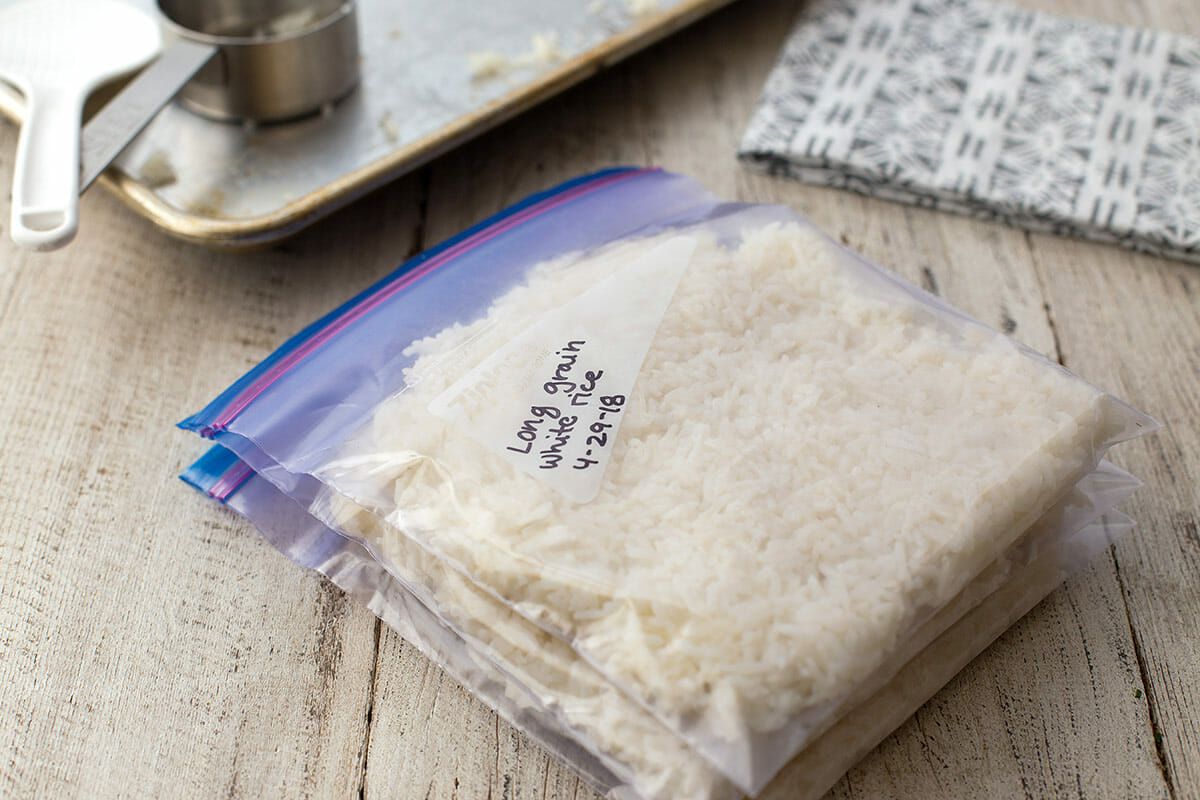
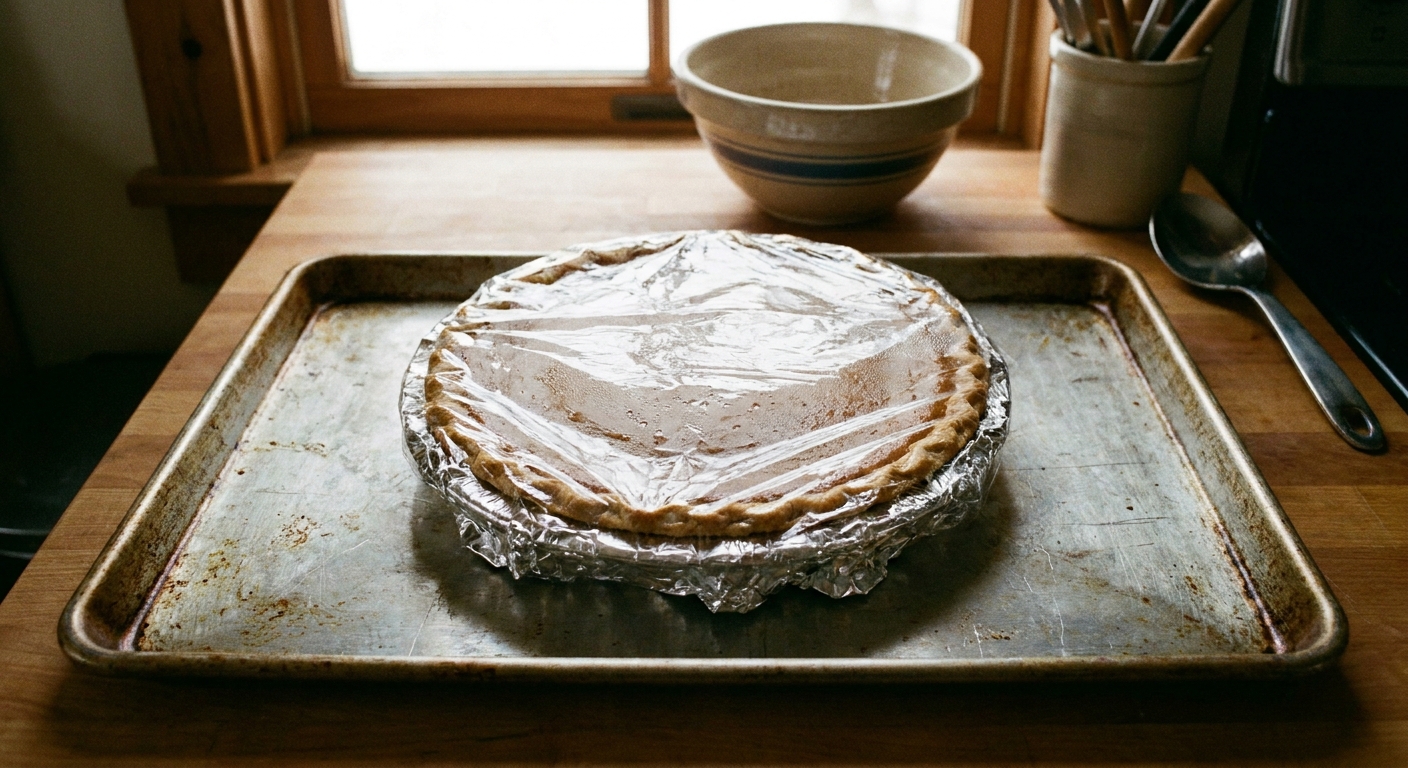
- Wrap, then bag. For best texture, wrap the whole stack tightly in plastic wrap or foil, then slide it into a freezer bag. Press out as much air as possible before sealing. If you vacuum seal at home, this is a great time to use it.
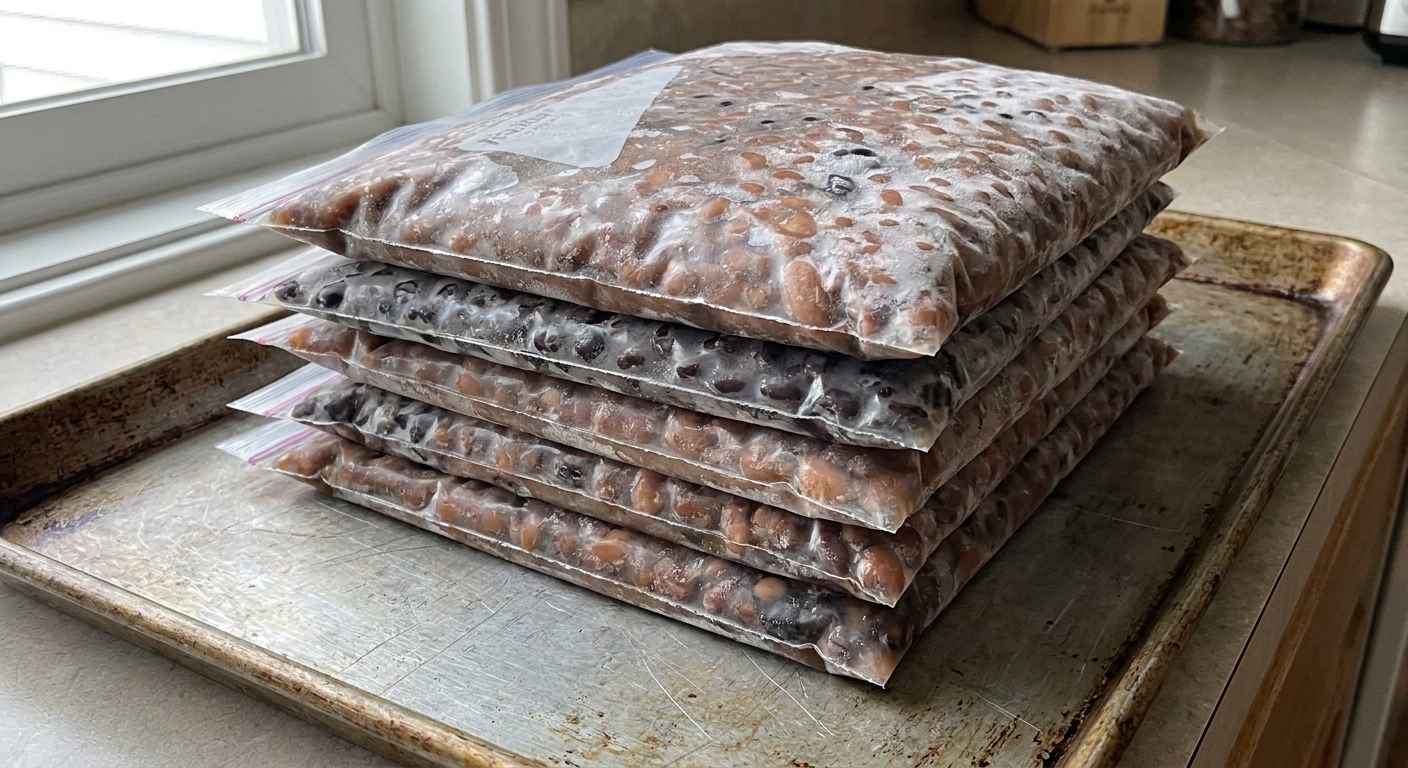
- Label and freeze flat. Write the type of pancake and the date. Freeze the bag flat so they freeze quickly and store neatly.
How long do frozen pancakes last?
Frozen pancakes are typically safe for longer than they taste their best. For best results, keep your freezer at 0°F (minus 18°C) and wrap them tightly to limit air exposure.
- Best quality: 1 to 2 months
- Still ok (but drier, more freezer flavor): up to 3 months
If your freezer runs warm or gets opened constantly, aim for the shorter end. Freezer burn is mostly an air exposure problem, so tight wrapping matters.
Should you freeze pancakes with syrup or toppings?
I strongly recommend freezing pancakes plain. Syrup, fruit compote, and butter change texture in the freezer and tend to leak as they thaw, making pancakes soggy.
- Butter: Add after reheating. A cold pat on a hot pancake is a beautiful thing.
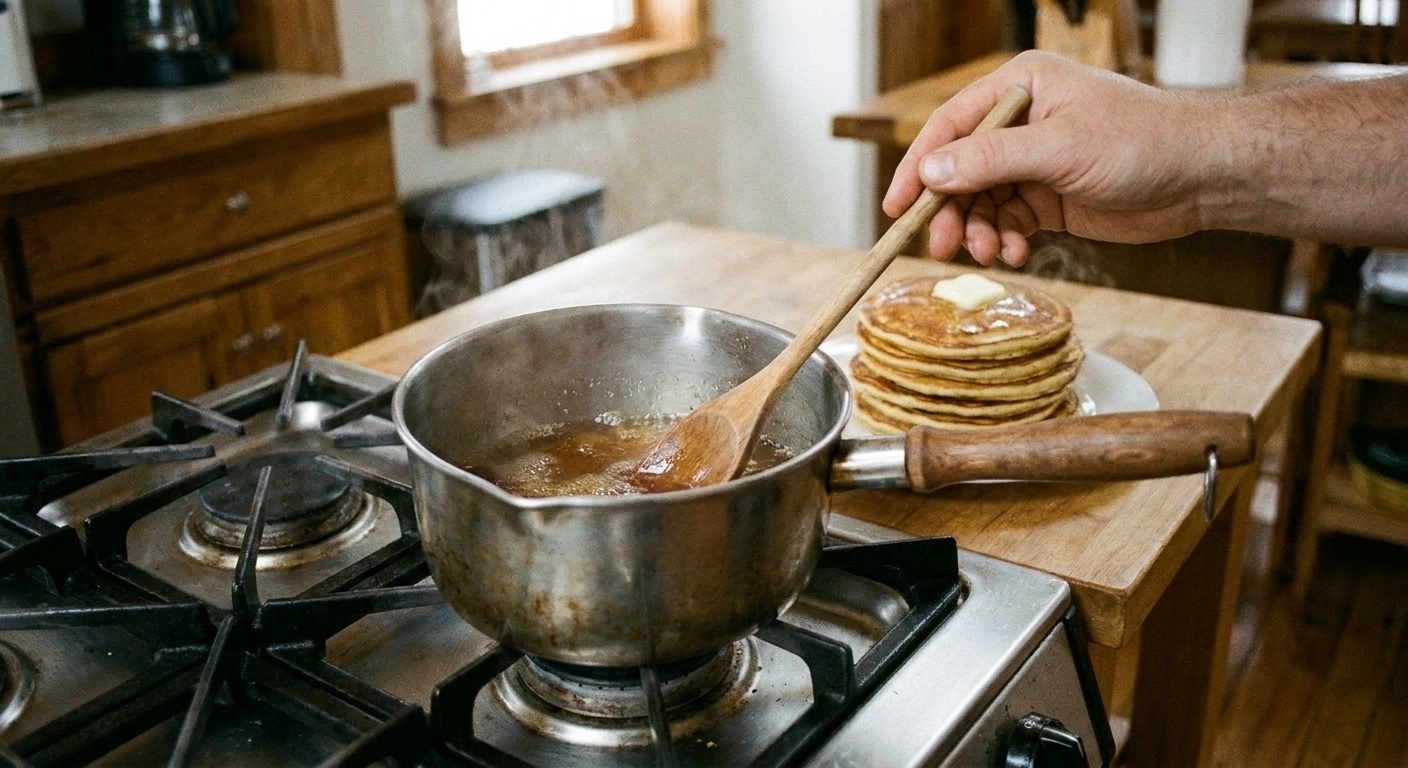
- Syrup: Store separately and warm it while the pancakes reheat.
- Berries or bananas: If they are in the batter, that is fine. If they are on top, freeze separately or add fresh.
- Chocolate chips: Fine to freeze in the pancake. They re-melt quickly.
How to reheat frozen pancakes (3 reliable methods)
You can reheat pancakes straight from frozen. No thawing required. Choose the method based on how many you are making and what texture you like.
1) Toaster (best for speed)
This is my weekday go-to for 1 to 4 pancakes.
- Toast on low to medium so the center heats through before the outside dries.
- Most pancakes need 1 to 2 cycles, depending on thickness and toaster strength.
- If your pancakes are very thick, start with a lower setting and plan on two passes.
Texture cue: They should feel flexible when you bend one slightly, not stiff or brittle.
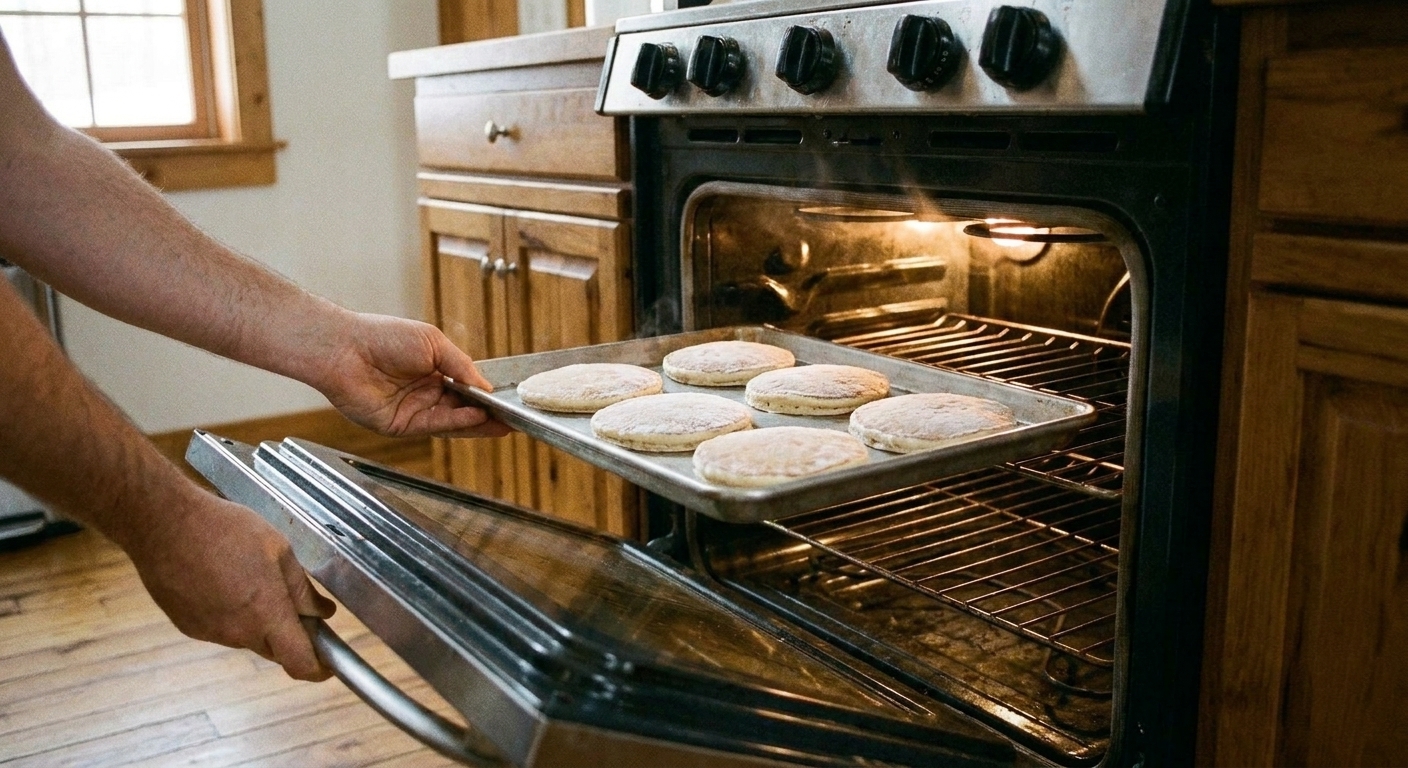
2) Oven (best for a crowd)
This warms pancakes evenly and keeps them soft.
- Heat oven to 350°F.
- Arrange frozen pancakes in a single layer on a sheet pan.
- Cover loosely with foil to trap a little moisture (key for softness).
- Bake 8 to 12 minutes, depending on thickness, until hot in the center.
If you want lightly crisp edges, uncover for the last 1 to 2 minutes.
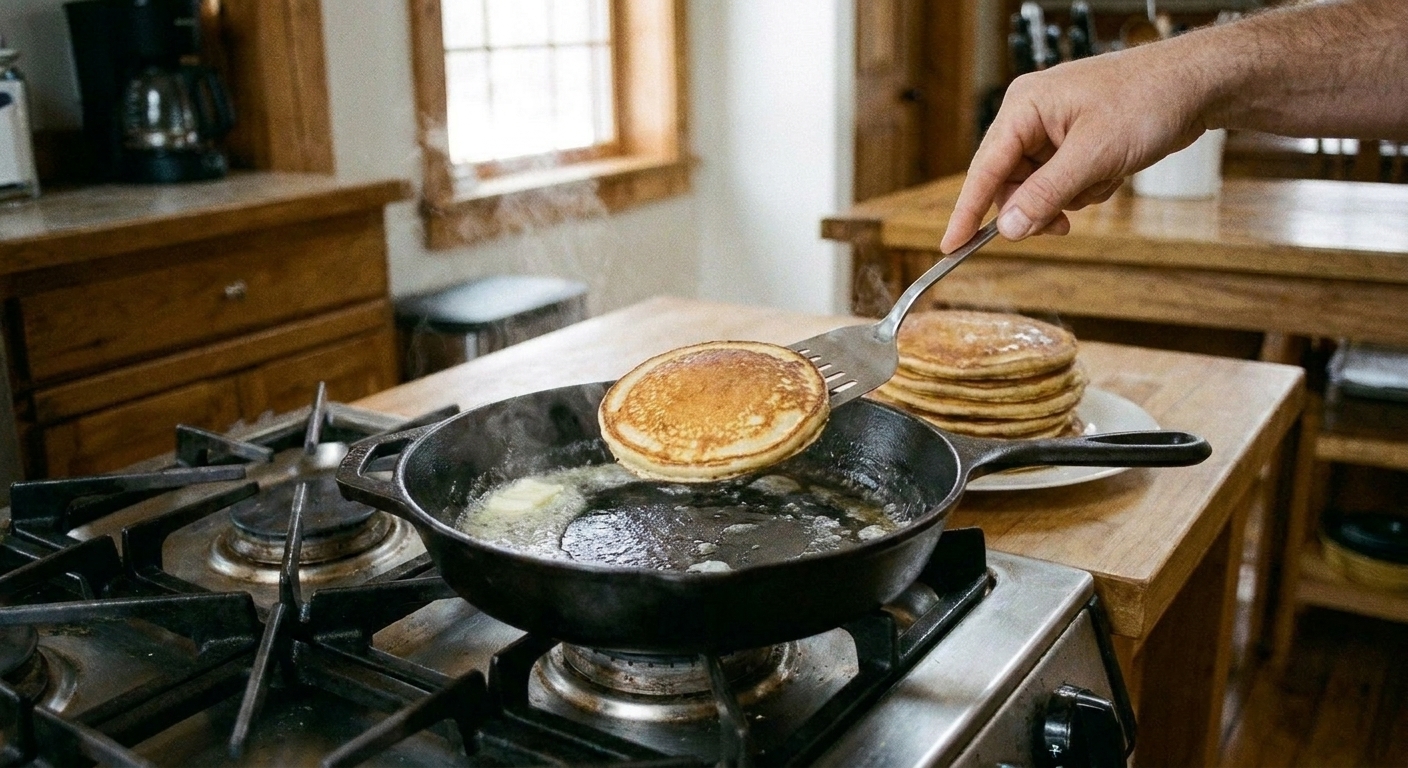
3) Skillet (best for that just-cooked vibe)
This method gives you tender middles with gently browned edges.
- Warm a nonstick or well-seasoned skillet over medium-low.
- Add a tiny bit of butter or neutral oil (optional but delicious).
- Cook pancakes 1 to 2 minutes per side, depending on thickness. Cover with a lid for the first minute to help the center heat.
Texture cue: You should smell warm butter and toasted pancake, not scorched sugar. If it browns too fast, your heat is too high.
My favorite way to portion frozen pancakes
If you are freezing pancakes for busy mornings, think in portions, not in one giant stack.
- Kids: 2 smaller pancakes per packet
- Adults: 2 to 3 standard pancakes per packet
- Hungry weekend you: 4 pancakes per packet, no judgment
Make a few parchment-separated stacks, wrap each stack, then store all stacks together in one larger freezer bag. Less air exposure, faster mornings.
Troubleshooting: keeping frozen pancakes fluffy
My pancakes turned out dry after reheating
- Use a lower toaster setting and do two shorter cycles.
- Try the oven method with foil, which is gentler.
- Check your storage: if pancakes smell like the freezer or look frosty, they likely were not wrapped tightly enough.
My pancakes are icy or have freezer burn
- Cool fully before bagging to avoid trapped moisture.
- Double-protect with wrap plus a freezer bag.
- Press out air or use a straw to gently suck out excess air before sealing.
My pancakes are sticking together
- Always use parchment between pancakes.
- Flash freeze on a sheet pan first if your pancakes are extra tender or you are working in a warm kitchen.
Quick checklist
- Cook pancakes through, then cool completely in a single layer
- Separate with parchment
- Wrap tightly, then bag
- Freeze flat
- Reheat from frozen in toaster, oven, or skillet
Once you get into the rhythm, freezing pancakes feels like printing future breakfasts. And I am always in favor of anything that gives you a calm morning and fewer wasted leftovers.
FAQ
Do I need to thaw pancakes before reheating?
No. Reheating from frozen often gives you better texture because there is less time for pancakes to sit around and get damp from condensation. Thaw only if you plan to microwave, and even then I prefer a toaster or oven.
Can I microwave frozen pancakes?
Yes, but it is the most likely method to make them a bit rubbery. If you need to microwave: place 1 to 2 pancakes on a plate, cover with a barely damp paper towel, and heat in 15 to 20 second bursts until warm.
Can I freeze pancakes made with buttermilk, whole wheat, or bananas?
Absolutely. Buttermilk and whole wheat pancakes freeze very well. Banana pancakes can be a little more delicate, so flash freezing on a sheet pan first helps them stay intact.