
There is a specific kind of kitchen panic that hits when you have chickpeas ready to go and suddenly realize the tahini jar is empty. I have been there, standing in my Portland kitchen with a lemon in one hand and a can opener in the other, trying to decide whether hummus night is canceled. Good news: it is not.
This hummus without tahini is smooth, lemony, and unapologetically garlicky, with olive oil doing a lot of the heavy lifting. Instead of sesame paste, we lean on two pantry-friendly stand-ins: a splash of chickpea liquid (aquafaba) to help add a little body and help everything blend smooth, plus a small optional spoon of nut or seed butter (cashew or sunflower are great) for richness if you want it. No sesame required.

The key is how you blend. If you have ever made hummus that tastes great but feels a little grainy, this recipe is for you. I will walk you through the texture cues so you know exactly when to keep blending, when to add liquid, and how to fix it if it tightens up in the fridge.
What to expect
- Bright, classic flavor: lemon and garlic forward, with enough salt to make it pop.
- Smooth, creamy texture: a quick simmer of canned chickpeas and patient blending make a noticeable difference.
- Flexible add-ins: keep it nut-free, or add a spoon of cashew butter or sunflower seed butter for a plusher finish.
Why this recipe works
- Warm chickpeas blend smoother. A quick simmer softens the chickpeas so they puree into a creamier dip, especially if you are using canned.
- Aquafaba helps build body. The starchy chickpea liquid helps the hummus feel thicker and creamier without extra fat.
- Oil goes in slowly. Drizzling olive oil while the machine runs helps it emulsify instead of separating, giving you that fluffy, cohesive texture.
- Acid and salt are tuned at the end. Lemon and salt flatten out if you add them too timidly. Tasting and adjusting last makes the hummus pop.
Ingredient notes
Chickpeas
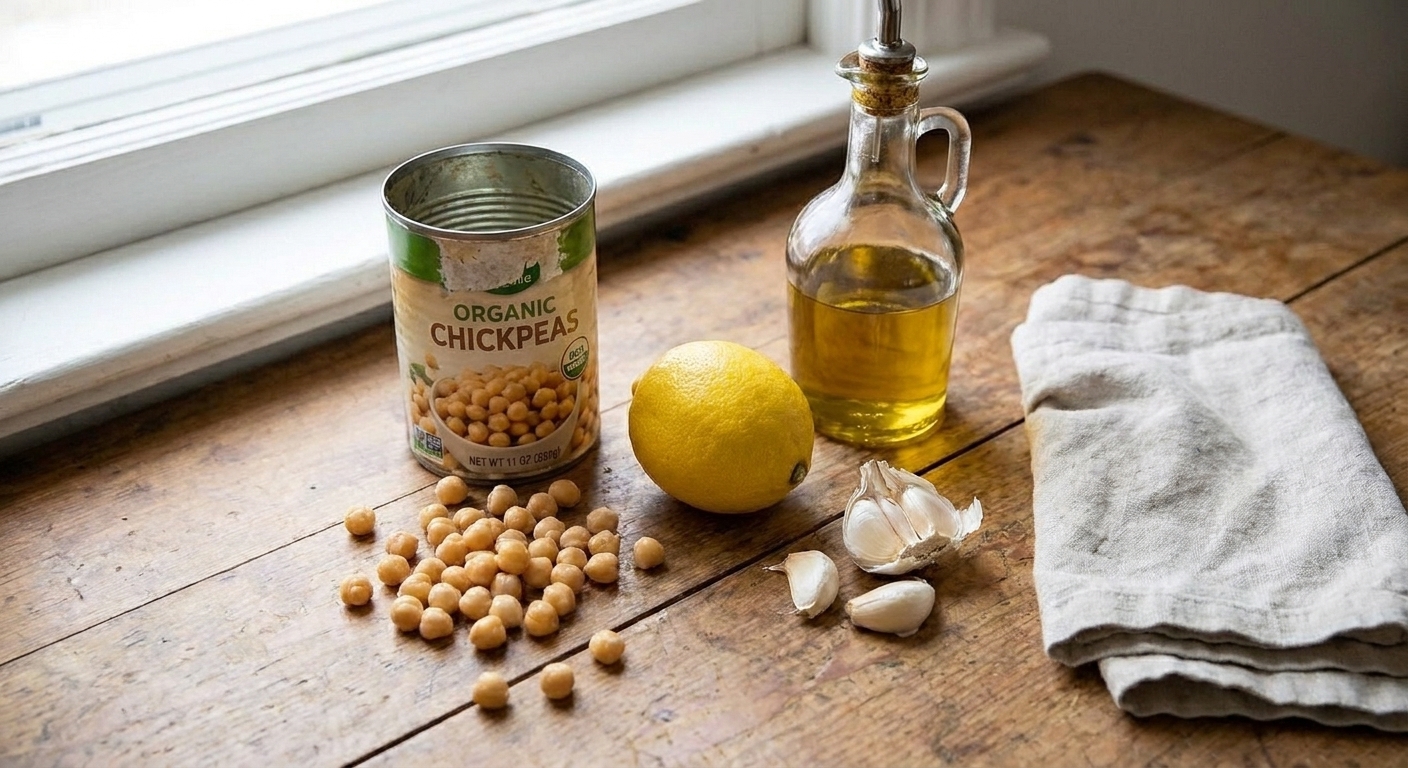
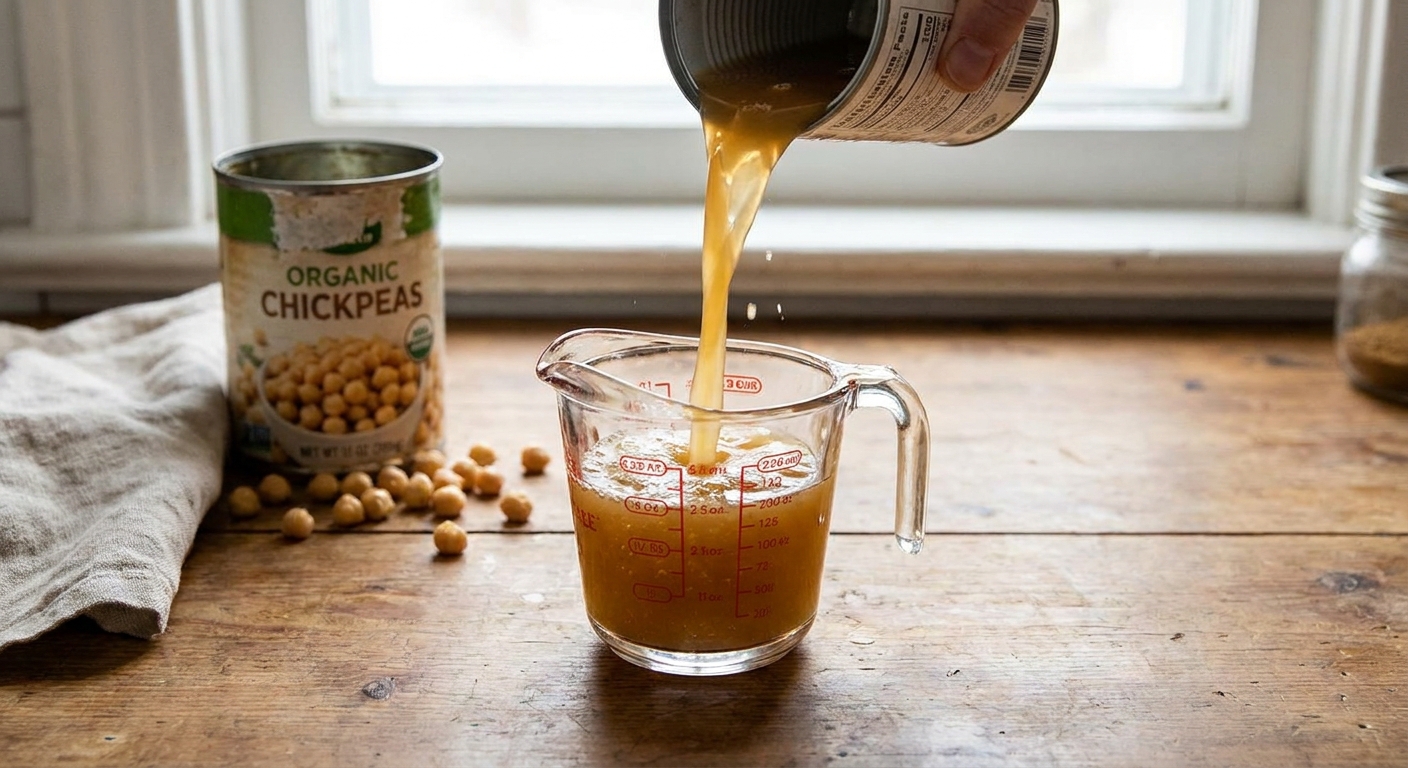
Canned chickpeas are perfect here. Rinse and drain, but reserve the liquid if you are using canned. If you cooked chickpeas from dry, use a few spoonfuls of the cooking liquid instead.
Chickpea liquid (aquafaba)
This is our main backup for tahini. It helps loosen the puree while adding a little body, without watering down flavor the way plain water can. Start with a little and add gradually.
Olive oil
Use a fruity extra-virgin olive oil you actually like. It is a major flavor driver when tahini is not in the picture.
Garlic
Raw garlic can be punchy. If you love that bite, go for it. If you want a gentler hummus, let minced garlic sit in the lemon juice for 5 minutes before blending. It softens the harsh edge.
Lemon juice
Fresh is worth it. Add most at the start, then finish with a small squeeze at the end if it needs more lift.
Optional nut or seed butter
For extra richness, add 1 to 2 tablespoons of a neutral, unsweetened nut or seed butter like cashew butter or sunflower seed butter. Keep it small so it supports the chickpea flavor instead of turning the hummus into a different dip.
Equipment you will need
- Food processor for classic hummus texture, or a high-speed blender for ultra-smooth results
- Small saucepan for a quick chickpea simmer
- Microplane or fine grater for lemon zest (optional but great)
- Rubber spatula for scraping down the sides while blending
Pro tips
Blend longer than you think
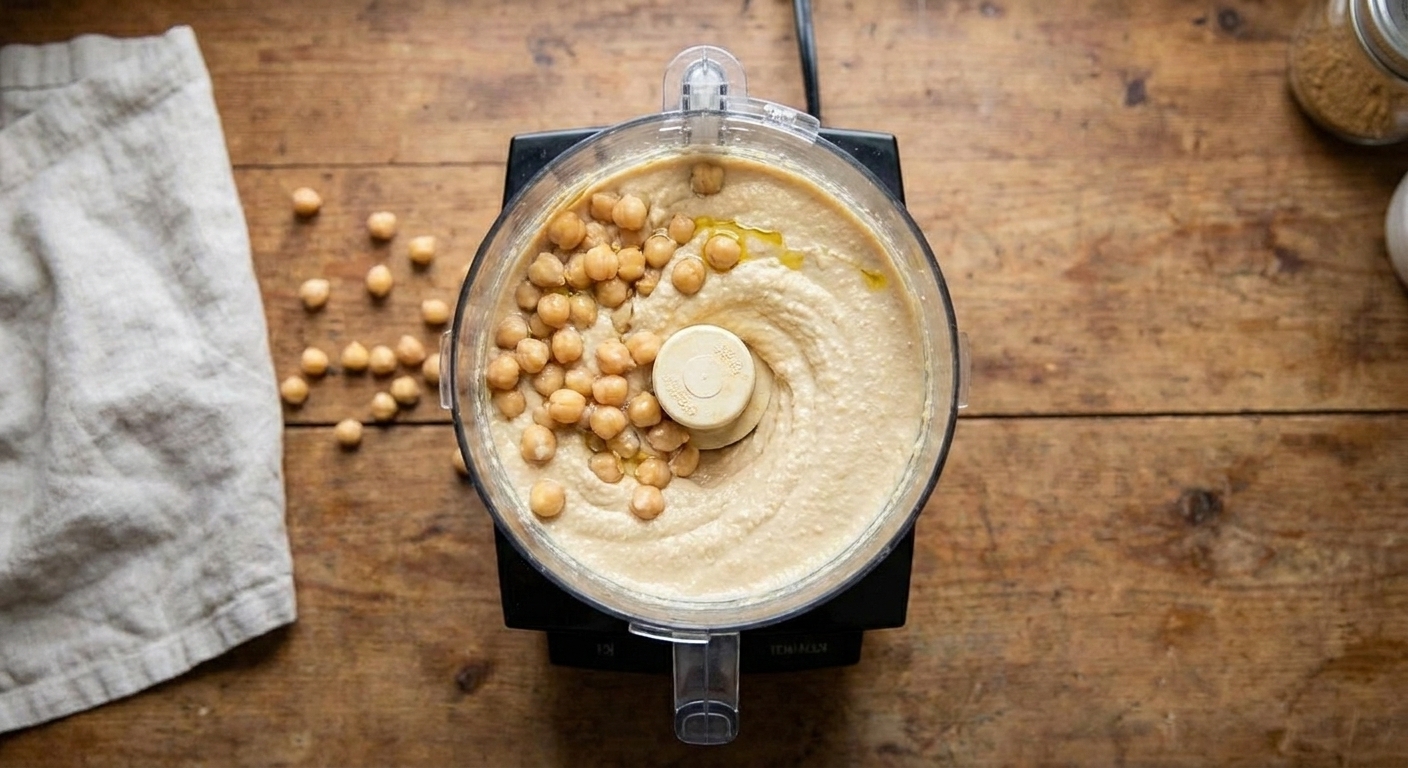
After everything looks combined, keep blending for another 1 to 2 minutes. The texture should go from slightly pebbly to glossy and mousse-like.
Add liquid in small splashes
Hummus can go from perfect to runny fast. Add aquafaba 1 tablespoon at a time, blend, then reassess. The ideal texture is thick but relaxed, like soft frosting.
Use warmth to your advantage
Blend while the chickpeas are still warm from the simmer. Warmth helps the puree turn creamy.
Fix hummus that seized up
If it thickens in the fridge, stir in 1 to 2 teaspoons aquafaba or water plus a tiny pinch of salt, then whip with a spoon until creamy again.
Substitutes that work
- No aquafaba: Use cold water or ice cubes, 1 tablespoon at a time. Ice-cold liquid can help the hummus whip up a bit lighter.
- No fresh lemon: Bottled lemon juice works in a pinch. Start with a smaller amount and add gradually since bottled can taste sharper.
- No food processor: A blender works well, but you will likely need more liquid and more scraping. Blend in bursts, then longer runs to avoid overheating.
- Low-garlic option: Use 1 small clove, or swap in 1/4 teaspoon garlic powder for a softer, rounder flavor.
Variations
- Roasted garlic: Swap raw garlic for 4 to 6 roasted garlic cloves for a sweeter, mellow hummus.
- Smoky paprika: Add 1/2 teaspoon smoked paprika to the processor and finish with a dusting on top.
- Herby green hummus: Blend in a big handful of parsley or cilantro plus an extra squeeze of lemon.
- Spicy: Add 1/2 teaspoon chili flakes or a spoonful of your favorite chili paste, then adjust salt and lemon.
Serving ideas
- Spread on sandwiches and wraps instead of mayo.
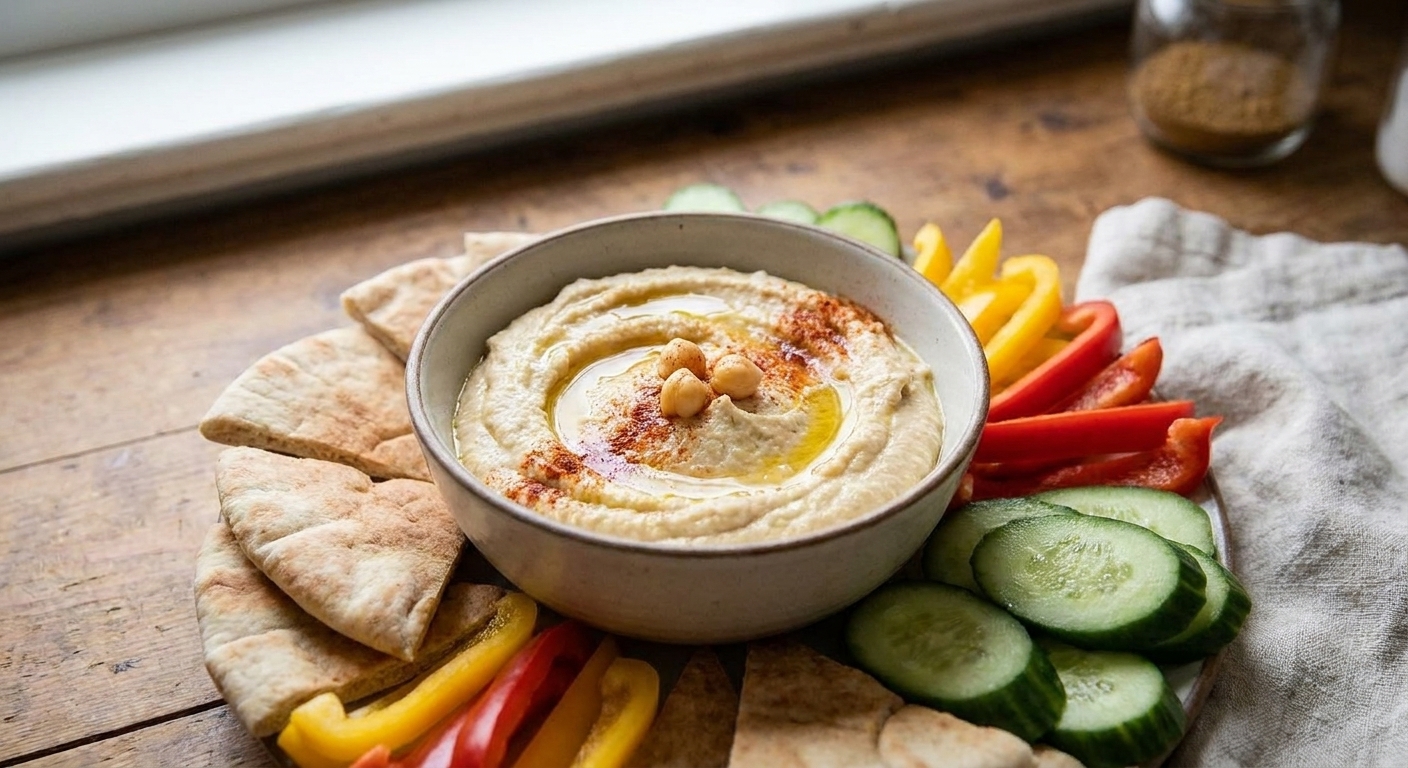
- Serve with cucumbers, bell peppers, cherry tomatoes, and warm pita.
- Spoon onto grain bowls with roasted veggies and a squeeze of lemon.
- Use as a base for a quick dinner plate with olives, sliced tomatoes, and a jammy egg.
Storage and reheating
Store hummus in an airtight container in the refrigerator for up to 4 days. Press a piece of parchment or plastic wrap directly onto the surface if you want to minimize browning, then drizzle with a little olive oil before serving.
Freezing is possible, but the texture can turn slightly crumbly when thawed. If you freeze it, thaw overnight in the fridge, then reblend or whip vigorously with a splash of water or aquafaba to bring back creaminess.
Common mistakes
- It tastes flat: Add salt first, then lemon. A tiny extra pinch of salt often makes the lemon taste brighter without adding more acid.
- It is grainy: Blend longer, and add a tablespoon of aquafaba. Next time, do the quick simmer step and blend warm.
- It is bitter: Too much olive oil or an overly bitter oil can dominate. Balance with more lemon and a pinch more salt. If it is very bitter, blend in a few tablespoons more chickpeas.
- It is runny: Blend in more chickpeas if you have them. Otherwise, chill for 1 to 2 hours to help it thicken.
FAQ
Can I make hummus without tahini and still have it taste like hummus?
Yes. It will be slightly less nutty and less rich than sesame-based hummus, but with enough lemon, garlic, and salt, it still reads unmistakably as hummus. The aquafaba and slow olive oil drizzle help give it a creamy body.
How do I get it really smooth without tahini?
Use warm chickpeas, blend longer than you think, and add liquid gradually. If you want the smoothest possible texture, peel the chickpeas. It is optional, but it helps.
Is this sesame-free?
Yes, as written. Just make sure any optional nut or seed butter you use is sesame-free and processed in a facility you are comfortable with if allergies are a concern.
Can I use dried chickpeas?
Absolutely. Cook them until very tender, then use a few tablespoons of the cooking liquid in place of aquafaba. Warm, well-cooked chickpeas blend beautifully.
Hummus Without Tahini
A creamy, bright hummus made without tahini. Olive oil, garlic, lemon, and chickpea liquid do the heavy lifting, with an optional spoon of nut or seed butter for extra richness.
- Prep
- 10 minutes
- Cook
- 10 minutes
- Total
- 20 minutes
- Yield
- About 2 cups
Ingredients
- 1 (15-ounce) can chickpeas, rinsed and drained, liquid reserved
- 1/3 cup extra-virgin olive oil, plus more for serving
- 2 to 4 tablespoons reserved chickpea liquid (aquafaba), plus more as needed
- 2 tablespoons fresh lemon juice, plus more to taste
- 1 teaspoon finely grated lemon zest (optional)
- 1 small garlic clove, finely grated or minced (or 2 cloves for a stronger garlic bite)
- 1 teaspoon kosher salt, plus more to taste
- 1/2 teaspoon ground cumin (optional)
- 1 to 2 tablespoons unsweetened cashew butter or sunflower seed butter (optional, for extra creaminess)
- Smoked paprika or sweet paprika, for serving (optional)
Instructions
- Warm the chickpeas for smoother blending. Add the drained chickpeas to a small saucepan and cover with water by about 1 inch. Bring to a simmer and cook for 8 to 10 minutes, until the chickpeas look slightly swollen and are very tender when you bite one. Drain well.
- Start the base. Add the warm chickpeas to a food processor (or high-speed blender). Add lemon juice, lemon zest (if using), garlic, salt, and cumin (if using). Process for 30 to 60 seconds, scraping down the sides once, until the chickpeas are broken down and look dry and crumbly.
- Add aquafaba for body. With the machine running, add 2 tablespoons aquafaba and process for 1 minute. Scrape down the sides. The mixture should start to look creamy but still thick.
- Drizzle in olive oil slowly. With the machine running, drizzle in the olive oil in a steady stream. Process for 1 to 2 minutes, stopping once to scrape down the bowl, until the hummus is glossy and very smooth.
- Adjust texture. If it is too thick, add 1 tablespoon aquafaba at a time, blending between additions, until it is thick but swoopy, like soft frosting. If you want extra richness, blend in 1 to 2 tablespoons cashew butter or sunflower seed butter.
- Taste and finish. Taste for salt and lemon. Add a pinch more salt or a small squeeze of lemon as needed, then blend 10 seconds to combine.
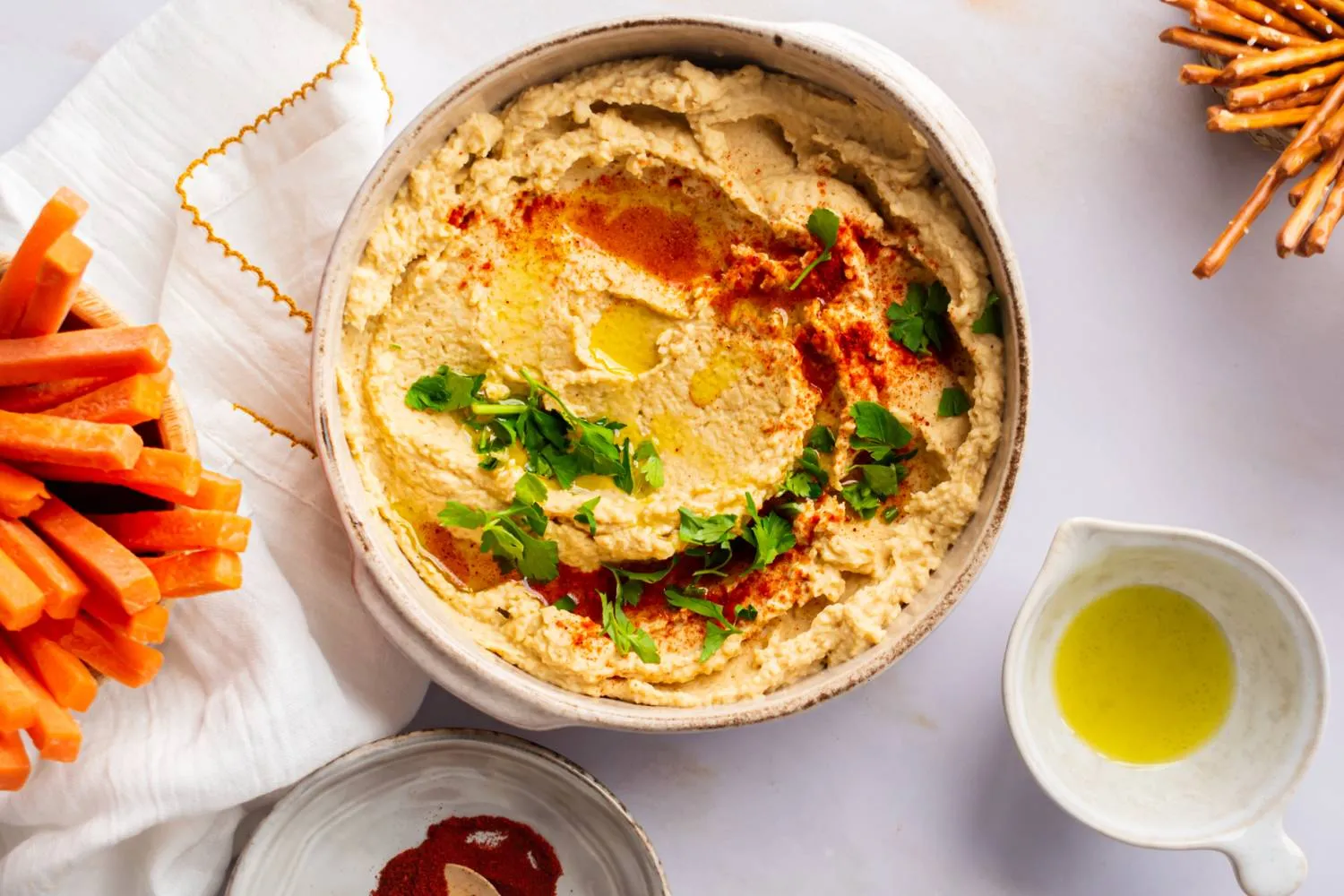
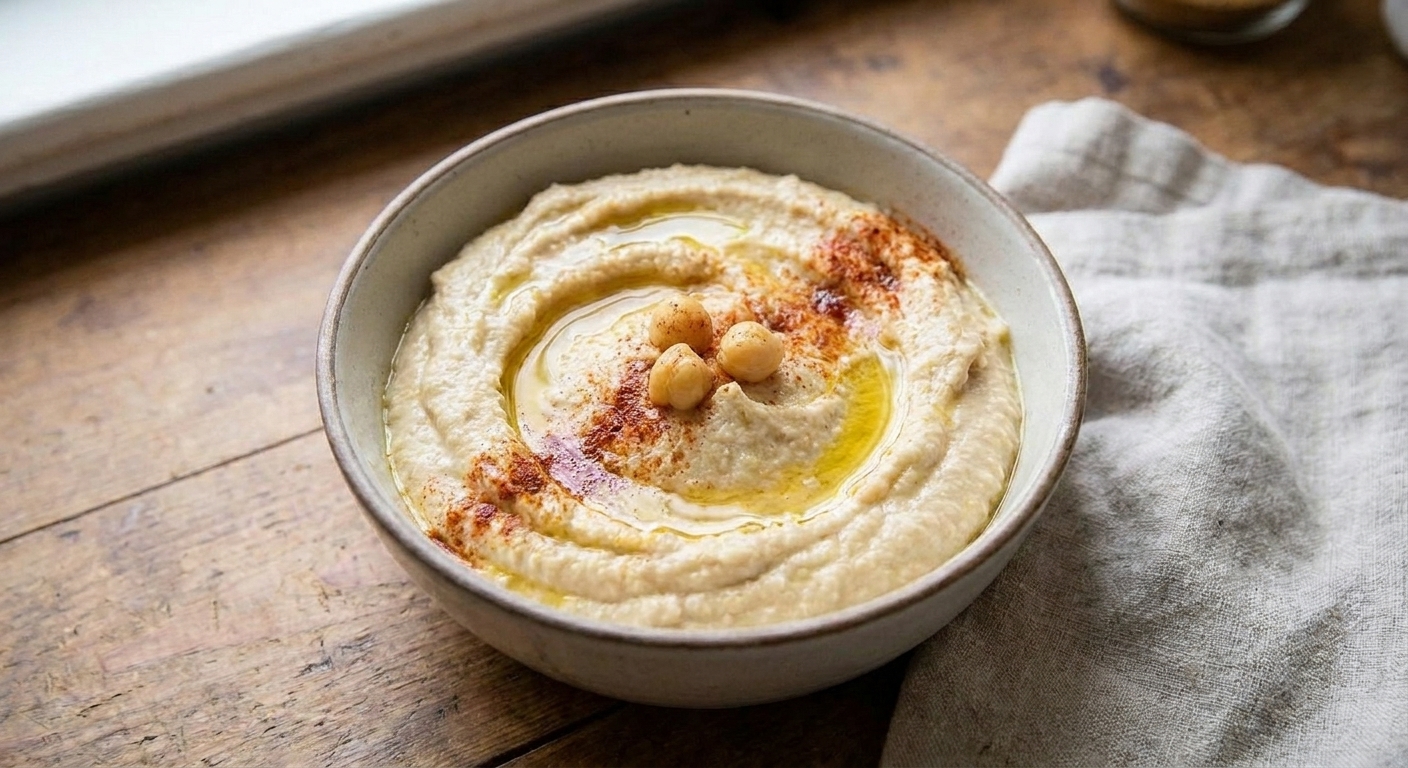
- Serve. Spoon into a bowl and make a swirl with the back of a spoon. Drizzle with olive oil and sprinkle with paprika if you like.
Notes
Garlic tip: For a gentler garlic flavor, let the minced garlic sit in the lemon juice for 5 minutes before adding it to the processor.
Blending cue: If your hummus looks matte or grainy, keep blending. When it turns glossy and holds soft peaks, you are there.
Make ahead: This hummus thickens after chilling. Stir in a teaspoon or two of aquafaba or water to loosen before serving.