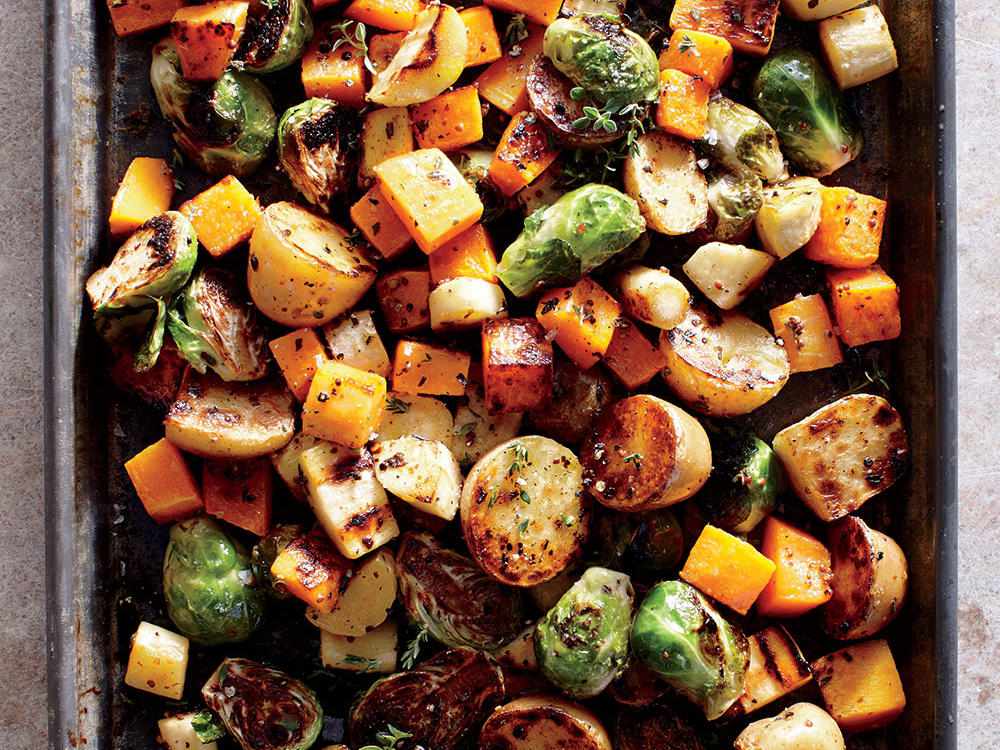
If you have ever stared at a recipe and thought, “Wait, is this Paleo… or Whole30… or both?” you are not alone. They overlap a lot, but they feel very different once you are the one holding the skillet. I am going to walk you through the rules, the real-life cooking implications, and the kinds of recipes that make each approach feel doable on a Tuesday night.

Quick note: This is general food and cooking guidance, not medical advice. If you are pregnant, managing diabetes, dealing with a medical condition, or have a history of disordered eating, it is worth checking in with a qualified clinician before doing a restrictive reset.
Quick takeaway: the cooking vibe
- Paleo is a long-term template. It is flexible enough to become “how you cook,” especially if you like batch cooking, grilling, big salads, and sauces you can reuse all week.
- Whole30 is a short-term reset (30 days) with tighter rules. It is fantastic if you like clear boundaries, simple ingredient lists, and you do not mind reading labels like it is your second job.
If you want the shortest possible decision: choose Paleo if you want sustainability and wiggle room. Choose Whole30 if you want structure, a defined end date, and a clean “yes or no” list.
What you can eat: Paleo vs. Whole30
Foods both diets encourage
- Meat, poultry, seafood
- Eggs
- Vegetables of all kinds (including white potatoes and sweet potatoes)
- Fruit (often in moderation for Whole30)
- Nuts and seeds
- Healthy fats like olive oil, avocado oil, coconut, and ghee (Whole30 allows clarified butter)
Foods both diets avoid
- Grains (wheat, rice, oats, corn, etc.)
- Legumes (beans, lentils, peanuts, soy)
- Most added sugar and sweeteners
- Ultra-processed foods (many followers of both approaches tend to avoid them)
Where they differ most
- Dairy: Paleo often avoids dairy (some people include ghee, and some modern Paleo eaters include limited full-fat or fermented dairy). Whole30 is strict: no dairy except ghee and clarified butter.
- Sweeteners: Paleo may allow occasional natural sweeteners like honey or maple syrup. Whole30 eliminates all added sweeteners, even “natural” ones, during the 30 days.
- Alcohol: Paleo is sometimes flexible depending on the person. Whole30 eliminates alcohol completely for 30 days.
- “Recreation” foods: Whole30 avoids certain re-creations (think pancakes made with almond flour) because the goal is to break habits around treats and snacking. Paleo is usually fine with those, as long as ingredients fit.
- Additives: Whole30 has extra compliance rules beyond food groups, including restrictions on certain additives. That is why label reading matters so much, even for foods that look “healthy.”
The kitchen rules that matter
Let’s translate the rules into what actually happens while you meal plan, shop, and cook.
Paleo in the kitchen
- You will cook around protein + vegetables + fat. Think sheet-pan chicken and broccoli, bunless burgers, salmon with a big crunchy salad, steak with chimichurri.
- Pantry shortcuts are easier. Many Paleo cooks use compliant condiments, occasional sweeteners, and “Paleo baking” ingredients like almond flour or coconut aminos.
- It is easy to scale up. Double a tray of roasted veggies, grill extra chicken, blend a sauce. Paleo meal prep tends to be very repeatable.
Whole30 in the kitchen
- Label reading becomes a skill. Whole30 compliance often comes down to hidden sugar and non-compliant additives in bacon, deli meat, ketchup, mayo, salad dressing, broth, and spice blends.
- Simple is your friend. Protein, roasted vegetables, a big salad, and a quick sauce you trust is the formula that keeps you sane.
- You will lean on sauces and texture. When you remove grains, dairy, and sweeteners, meals can feel flat unless you build in crunch, acidity, herbs, and salt.

Benefits and watch-outs
Potential benefits of Paleo
- Helps many people increase vegetable intake and cook more at home
- Often leads to steadier energy when meals include enough protein and fat
- Can be easier to maintain long-term because you can personalize it
Watch out for: going too heavy on nuts, nut flours, and “Paleo treats,” which can crowd out the simple meals that make the approach work.
Potential benefits of Whole30
- Clear rules can reduce decision fatigue
- Many people become very aware of hidden sugars and packaged-food traps
- Can help identify foods that do not sit well for you when followed by a careful reintroduction
Watch out for: under-eating carbs (especially if you are active), which can leave you tired and snacky. Potatoes (including white potatoes), sweet potatoes, winter squash, and fruit are Whole30-friendly tools, not “cheats.”
Whole30 reintroduction, briefly
Whole30 is not just “30 days of rules.” The point is what you learn afterward. After the 30 days, foods are typically reintroduced in a structured way (one group at a time, with a couple of days in between) so you can notice what affects your energy, digestion, cravings, mood, or sleep. If you skip reintroduction, you miss a lot of the value.
Which fits your cooking style?
Choose Paleo if you…
- Want a flexible, long-term way of cooking
- Enjoy cooking from scratch but still want the option of a “Paleo dessert” now and then
- Like meal prep, grilling, sheet-pan dinners, and sauces you can remix
- Prefer focusing on ingredient quality without strict 30-day boundaries
Choose Whole30 if you…
- Do best with a defined start and finish line
- Want to simplify choices to a clear yes or no
- Are willing to be meticulous about labels and restaurant meals
- Want to learn what foods affect you via reintroduction
If you are torn, try this
Cook Paleo-style dinners most nights (protein + veg + fat), but borrow the Whole30 label-reading habit for condiments and packaged foods. This combo keeps your cooking relaxed while still cutting out a lot of sneaky added sugar.
Paleo vs. Whole30 pantry
I am slightly obsessive about reducing food waste, so I like a pantry that can pivot. Here is a short list that supports both approaches with minimal specialty items.
Proteins (buy what you will actually cook)
- Chicken thighs (for roasting and braising)
- Ground turkey or beef (fast skillet meals)
- Canned wild salmon or tuna (emergency dinner)
- Eggs (frittata, breakfast-for-dinner)
Vegetables that earn their keep
- Onions, garlic, lemons or limes (flavor foundation)
- Sweet potatoes (Whole30-friendly comfort)
- Cauliflower rice or frozen cauliflower florets
- Bagged greens (salad base, quick sautéed sides)
Fats, acids, and salty things
- Olive oil and avocado oil
- Ghee (especially helpful for Whole30)
- Apple cider vinegar and red wine vinegar
- Capers or olives (instant punch)
- Fish sauce (a tiny amount makes sauces taste restaurant-level, check labels for sweeteners if doing Whole30)
Condiments (check labels if doing Whole30)
- Mustard
- Hot sauce
- Salsa
- Mayonnaise made without added sugar
- Coconut aminos (Paleo-friendly, and Whole30-friendly substitute for soy sauce, since soy is a legume)
Easy compliant sauce ideas: chimichurri, salsa verde, or a lemon-garlic mayo (with compliant mayo for Whole30).
Common label traps: dextrose or sugar in bacon, sugar in ketchup, maltodextrin in seasoning blends.

Recipes that work for both
These are the kinds of meals I build when I want dinner to be both compliant and genuinely satisfying. I am including sensory cues so you can cook confidently without overthinking.
1) Sheet-pan lemon-garlic chicken and broccoli
- How to make it: Toss chicken thighs and broccoli with olive oil (or ghee), lots of minced garlic, lemon zest, salt, and pepper. Roast at 425°F until the chicken skin is deeply golden and the broccoli edges are crisp.
- Flavor tip: Finish with a squeeze of lemon and a pinch of flaky salt. That acid + salt combo is the difference between “fine” and “wow.”
- Waste-saving move: Roast extra broccoli. Tomorrow it becomes a salad topping or a quick stir-in for scrambled eggs.

2) Taco bowls with cauliflower rice and pico
- How to make it: Brown ground beef or turkey with cumin, chili powder, garlic powder, and salt. Serve over sautéed cauliflower rice with pico de gallo and shredded lettuce.
- Whole30 note: Double-check your spice blend for added sugar or non-compliant additives (maltodextrin is a common one).
- Make it feel complete: Add sliced avocado and a squeeze of lime.
3) Salmon with herby green sauce
- How to make it: Pan-sear salmon until it releases easily and has a crisp edge. Blend herbs (parsley, cilantro, or basil), lemon, garlic, olive oil, and salt into a spoonable sauce.
- Cooking cue: When the salmon turns opaque about three-quarters up the side, it is time to flip or finish in the oven.
4) Big crunchy salad with a creamy dressing
- How to make it: Start with greens, then add crunch (cucumber, radish, toasted nuts), something briny (olives), and a protein (chicken, tuna, hard-boiled eggs).
- Simple dressing: Mayo + lemon + garlic + water to thin + salt. For Whole30, use compliant mayo.

Paleo-friendly, not Whole30
If you love cooking and want more creativity, Paleo can feel roomy. Here are common Paleo moves that Whole30 usually does not allow during the 30 days.
- Almond flour pancakes or waffles (Paleo, but considered a re-creation on Whole30)
- Honey- or maple-sweetened marinades (Paleo-friendly, not Whole30)
- “Paleo baking” like muffins made with nut flours (Paleo, not Whole30)
If you are doing Whole30 and craving that cozy weekend breakfast feeling, I suggest leaning into savory: eggs, sautéed greens, roasted potatoes, and salsa. Same comfort, fewer rules headaches.
Eating out without stress
Paleo-friendly ordering
- Grilled protein + vegetables + salad, ask for olive oil and lemon
- Bunless burger with extra veg
- Sushi bowls without rice, add avocado and extra cucumber
Whole30-friendly ordering
- Keep it simple: grilled meat or fish + steamed or roasted vegetables
- Ask about oils, sauces, and marinades (sugar and soy are the usual suspects, and soy sauce is off-limits because soy is a legume)
- Bring your own compliant dressing or sauce if you want an easy win
My personal sanity rule: if eating out becomes stressful, cook at home more during your Whole30 and save restaurants for after the 30 days. The goal is to feel better, not to white-knuckle every menu.
FAQ
Is Whole30 basically Paleo?
They are close, but not identical. Whole30 is stricter about added sweeteners, alcohol, certain additives, and some “replacement” foods. Paleo is typically more flexible and is often used as a long-term approach.
Can you do Paleo for 30 days instead of Whole30?
Yes. If you want a short reset without the reintroduction structure, a 30-day Paleo challenge can be a practical alternative. Just be clear with yourself about your rules, especially around sweeteners and treats.
Do potatoes count on Paleo and Whole30?
Generally, yes, including white potatoes. Both approaches allow potatoes and sweet potatoes. For Whole30, they are especially helpful for energy and satisfaction.
What is the biggest mistake people make with either plan?
Not eating enough. If you cut out grains and dairy, you often need to intentionally replace that volume and comfort with starchy vegetables, fats, and flavorful sauces. Otherwise, you end up hungry and frustrated.
My final nudge
Pick the plan that matches how you actually cook, not how you wish you cooked. If you love experimenting and want something sustainable, lean Paleo. If you thrive with boundaries and want a clear 30-day container, choose Whole30 and keep your meals simple, salty, and bright with plenty of acid.
And whichever route you pick, build your plate around this reliable trio: protein + vegetables + a bold sauce. That is the weeknight formula that makes “healthy” taste like something you want to eat again tomorrow.