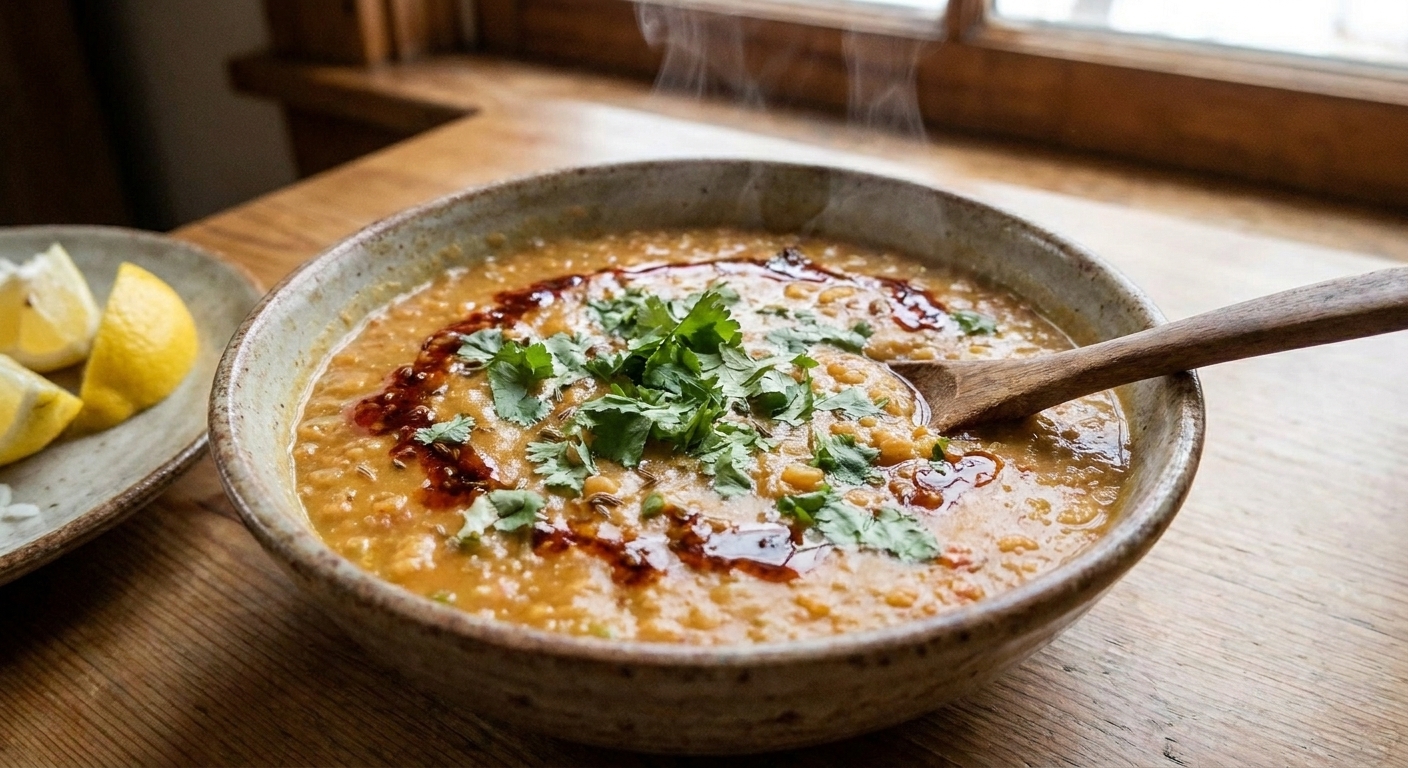


When I want something that feels deeply nourishing but still works on a weeknight, I make red lentil dal. Split red lentils cook fast, break down into a creamy texture without any blending, and they love bold spices. This version starts with onion, garlic, and turmeric, then gets its signature wow moment from a quick cumin-chili tadka poured over the top right before serving.
Two details make the difference between a good dal and a great one: when you add salt and how you judge thickness. Salt timing is not a hard rule either way, and lots of cooks salt from the start without trouble. Its effect on softening is usually modest and can vary with lentil age and your water. (Acid is a more reliable culprit for slowing softening, which is why I save lemon for the end.) Here, you season lightly partway through, then adjust at the end after the lentils are fully tender.
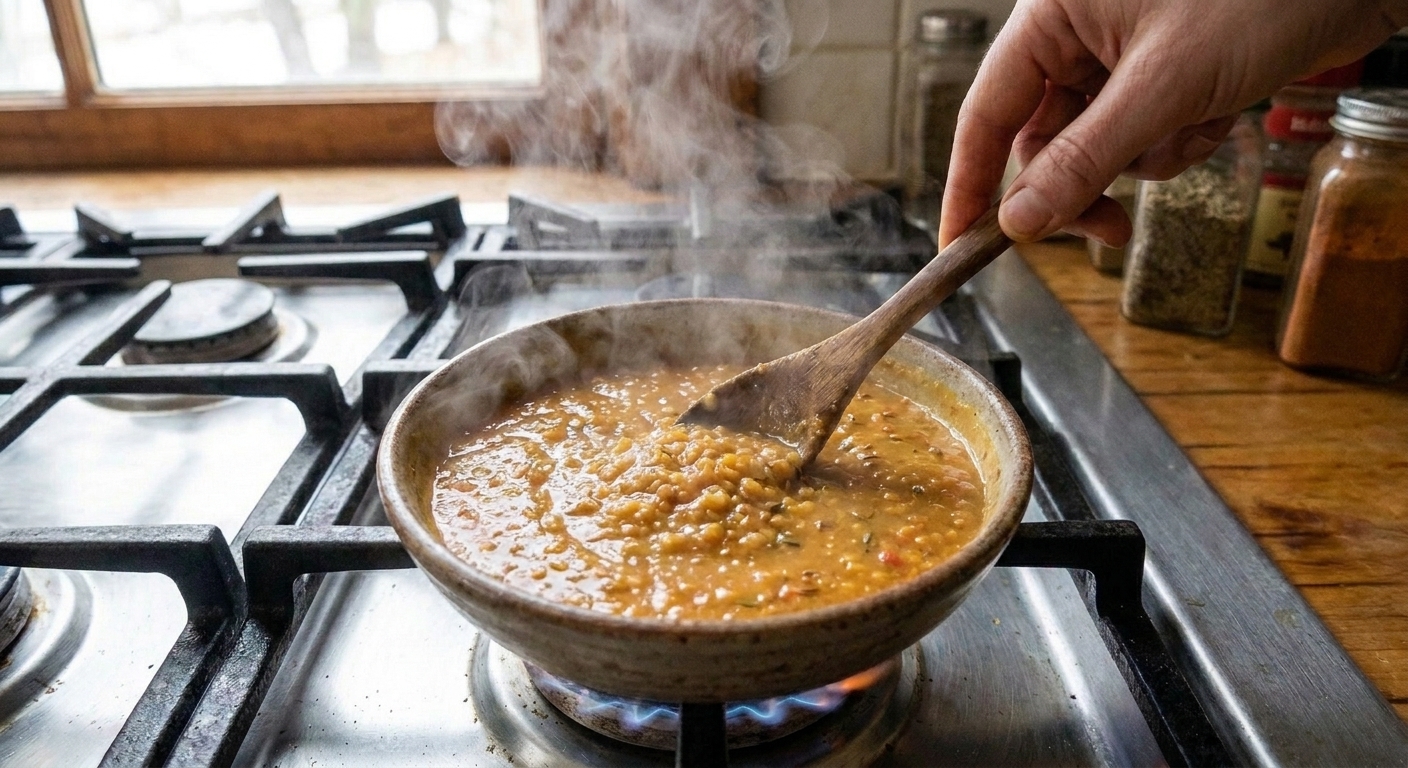
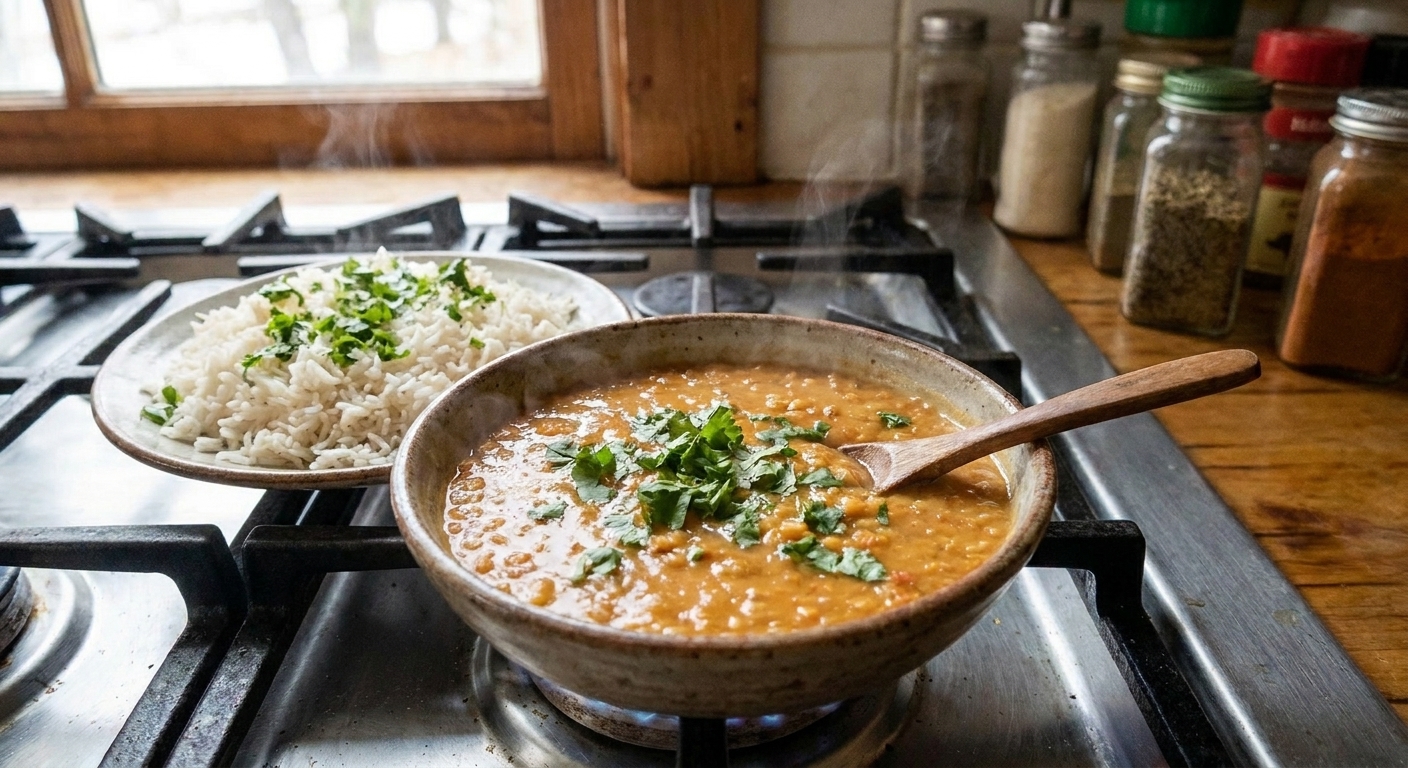
As for texture, you are aiming for spoonable: thick enough to mound slightly on a spoon, loose enough to slowly settle back into the pot. If you drag a spoon across the bottom, it should leave a clear track for about a second before filling in. Not a soup, not a paste.
Why this recipe works
- Red lentils naturally turn creamy. They break down as they cook, giving you that classic dal texture without extra steps.
- Layered seasoning. Onion and garlic build sweetness, turmeric adds earthiness, and the cumin-chili tadka brings fresh toasted spice right at the end.
- Salt timing is flexible. A light season mid-cook, then a final adjustment after the lentils soften, gives you both good texture and full flavor.
- Lemon at the finish. Acid brightens the whole pot and keeps the dal tasting lively, not heavy.
Ingredient notes
Red lentils
Look for split red lentils (often labeled masoor dal). They cook quickly and will soften into a thick, cohesive texture. Rinse until the water runs mostly clear to keep the flavor clean.
Aromatics
Onion and garlic do the heavy lifting here. Take the onion far enough that it is soft and lightly golden at the edges. That sweetness balances the spices.
Turmeric and chili
Turmeric can taste raw if it is just stirred into water. Bloom it briefly in oil with the aromatics first. For heat, use dried chili flakes or a dried red chili in the tadka, and scale to your comfort.
Cumin seeds for tadka
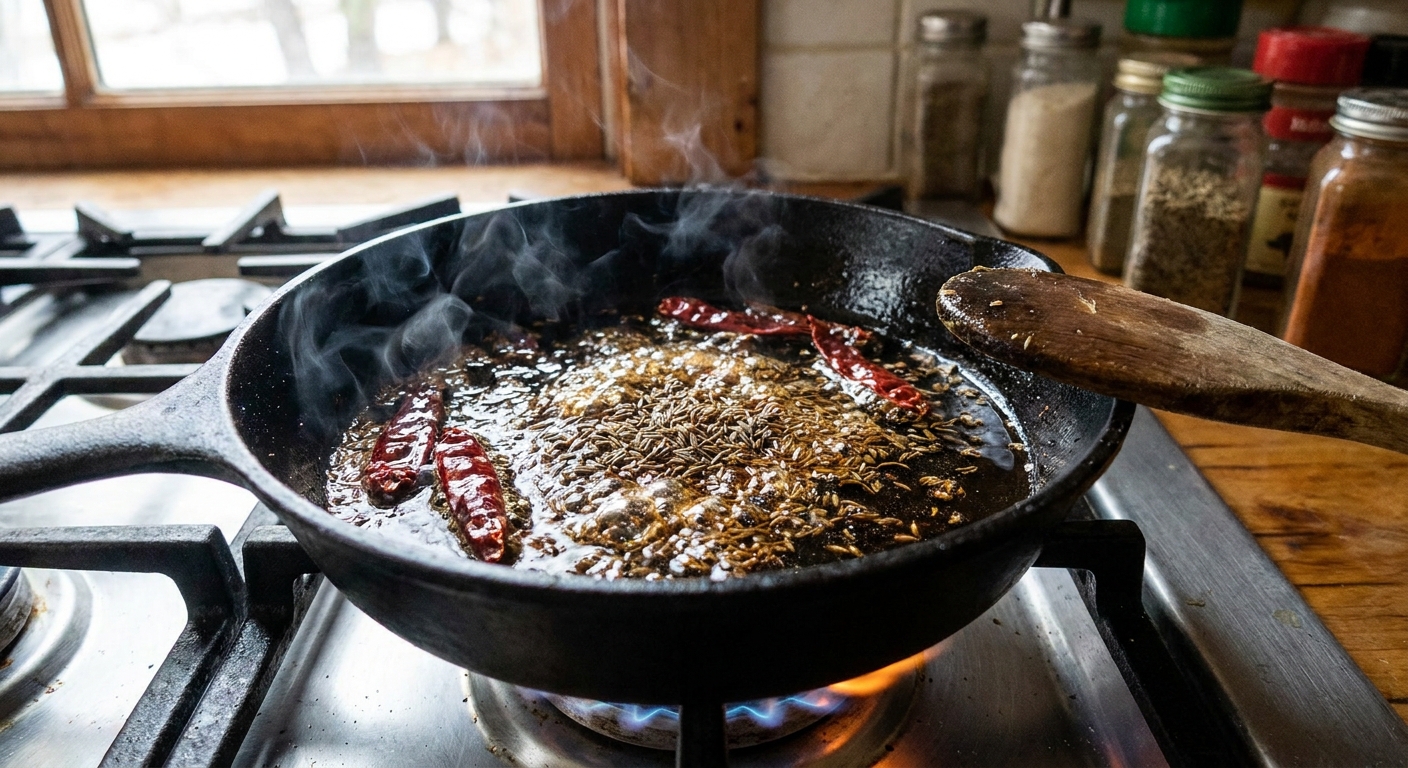
Whole cumin seeds bring a warmer, more complex flavor than ground cumin in this finishing step. You will know they are ready when they darken slightly and smell nutty and intensely cumin-forward.
Lemon
Add lemon juice off the heat. Start small, taste, then add more. You want brightness, not sharpness.
Equipment you will need
- Medium saucepan or Dutch oven (3 to 5 quart)
- Small skillet or tiny saucepan for the tadka
- Wooden spoon or silicone spatula
- Microplane or knife for garlic
- Measuring spoons and cups
Pro tips
- Control thickness with water in the last 5 minutes. If the dal looks stiff, add hot water a splash at a time. If it is too loose, simmer uncovered until it thickens.
- Stir more as it thickens. Red lentils can stick once they start breaking down. A few extra stirs near the end prevents scorching.
- Make the tadka last. It only takes 60 to 90 seconds, and you want those toasted aromas to hit the bowl fresh.
- Taste for salt after lemon. Acid changes how salty a dish tastes. Lemon first, then final salt adjustment.
Substitutes that work
- No cumin seeds: Use 1 teaspoon ground cumin, but add it to the main pot with the turmeric instead of as a tadka.
- No fresh lemon: A small splash of bottled lemon juice works, or use lime. Add gradually and taste as you go.
- No ghee: Use a neutral oil or olive oil. Coconut oil is also nice if you like its aroma.
- Garlic-sensitive: Reduce to 1 clove, or swap in a pinch of asafoetida if you keep it on hand.
Variations
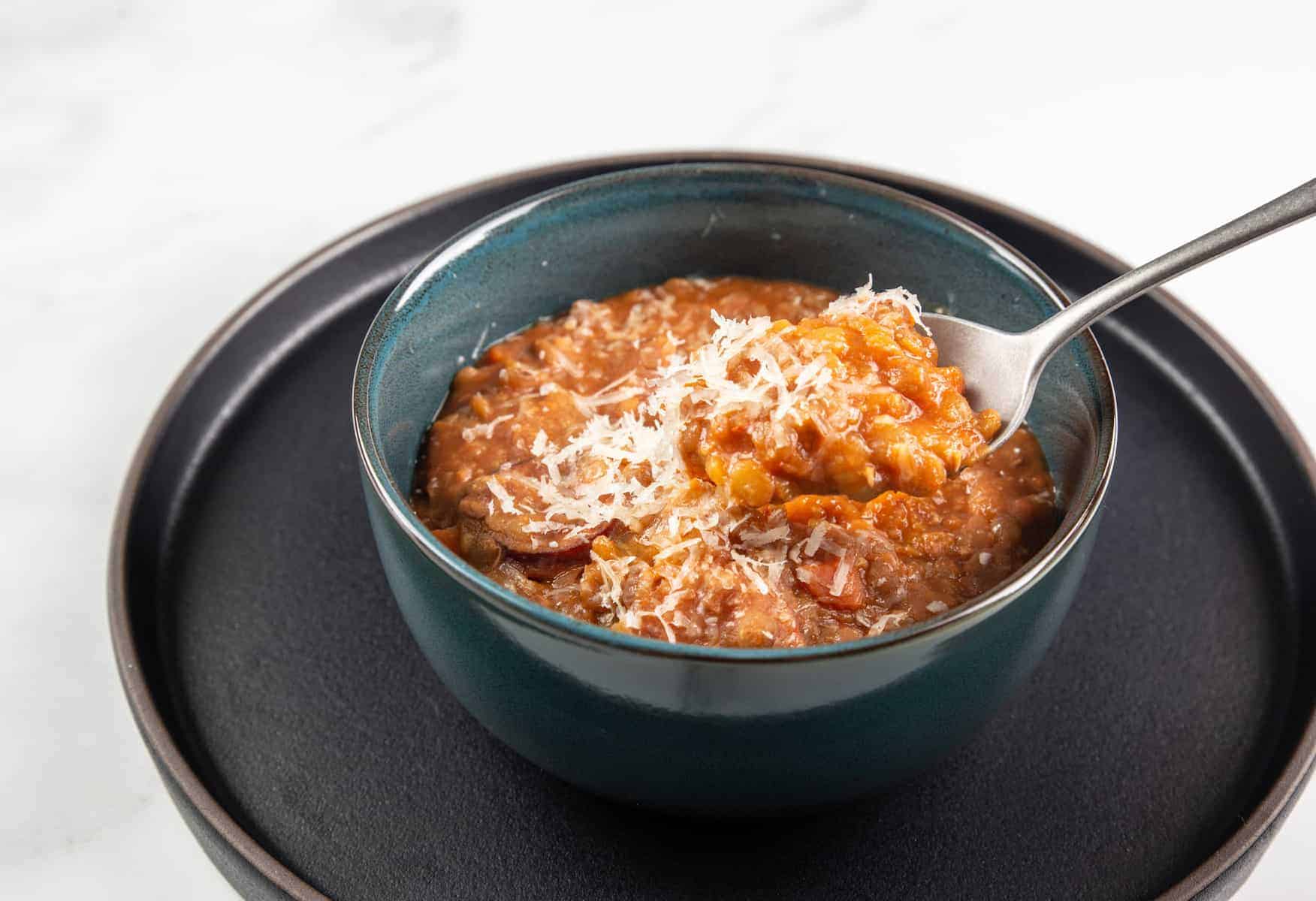
- Tomato dal: Add 1 tablespoon tomato paste with the garlic, or stir in 1 cup chopped tomatoes after the lentils go in.
- Spinach finish: Stir in a few big handfuls of baby spinach during the last 2 minutes of simmering.
- Creamy finish: Add 2 to 4 tablespoons coconut milk at the end for a richer, rounder dal.
- Smokier tadka: Add a pinch of smoked paprika to the tadka off the heat (so it does not burn).
Serving ideas
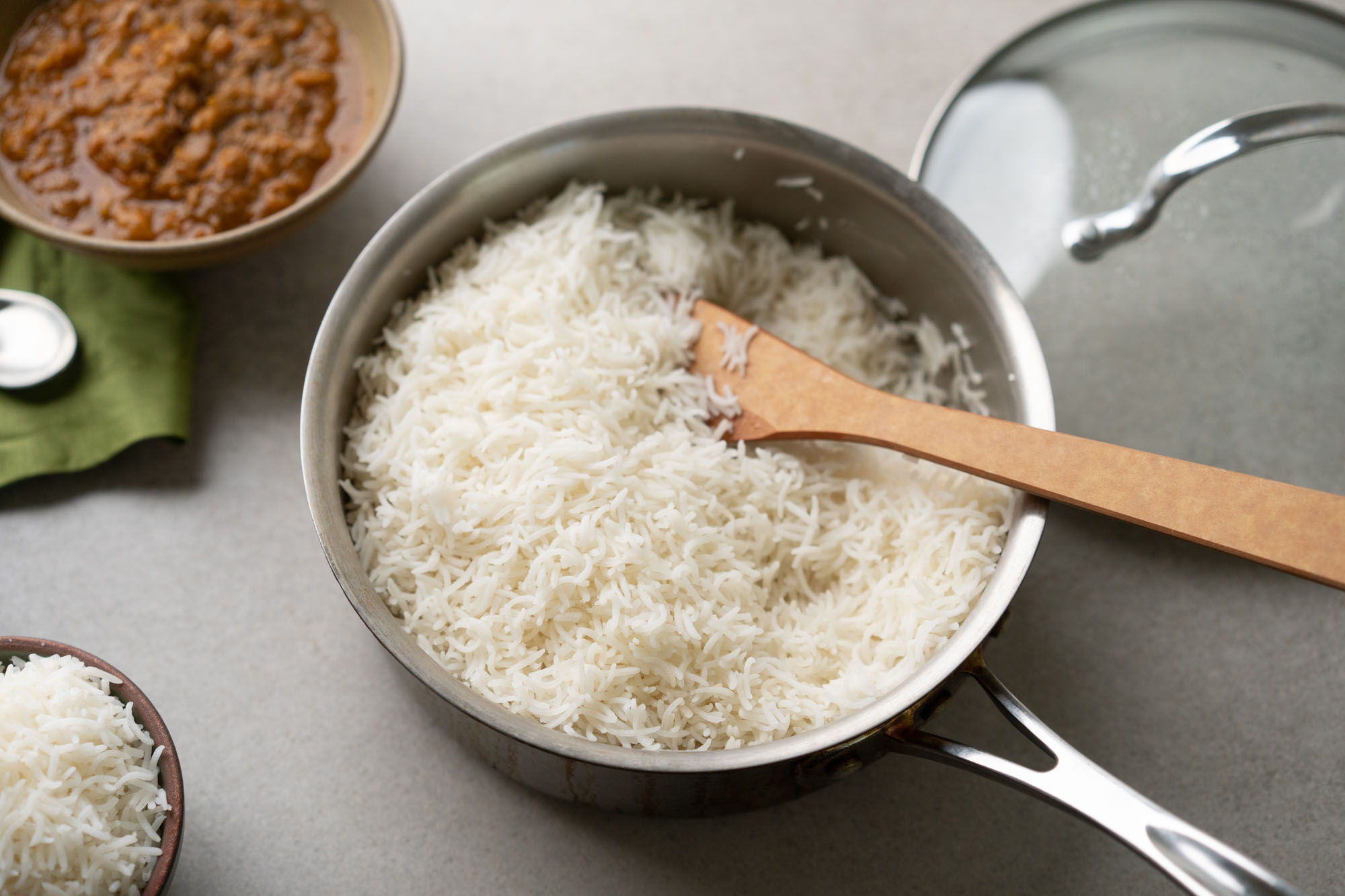
- Serve over basmati rice or jasmine rice to soak up the dal.
- Scoop with warm naan, roti, or toasted pita.
- Top with cilantro, thinly sliced red onion, or a dollop of plain yogurt for contrast.
- Add a simple side like cucumber salad or roasted cauliflower.
Storage and reheating
- Refrigerate: Store in an airtight container for up to 4 days.
- Reheat: Warm gently on the stove with a splash of water, stirring often. Dal thickens as it sits, so expect to loosen it.
- Freeze: Freeze for up to 3 months. Thaw overnight in the fridge, then reheat with added water as needed.
- Tadka tip: If you can, make fresh tadka when reheating. It brings back that just-toasted spice aroma.
Common mistakes
- Dal is bland: You likely need more salt or more lemon. Add in small increments, tasting after each.
- Dal is too thick or dry: Red lentils can tighten quickly. Add hot water a little at a time until it relaxes into a spoonable texture.
- Dal is too soupy: Simmer uncovered, stirring occasionally, until it reduces. It will also thicken as it cools.
- Tadka tastes bitter: The cumin or chili likely burned. Use medium heat and pull the pan off the burner as soon as the cumin is fragrant and slightly darker.
- Scorched bottom: Stir more frequently near the end and lower the heat once the lentils start breaking down.
FAQ
Do I need to soak red lentils for dal?
No. Red lentils cook quickly without soaking. Just rinse them well to remove excess starch and any dust.
When should I add salt to red lentil dal?
Season lightly once the lentils have been simmering a bit and are starting to soften, then do your real salt adjustment at the end. Salt timing varies by cook and its effect on softening is usually modest compared with acids, but this approach builds flavor while keeping the texture on track.
How do I know when dal is the right thickness?
It should be spoonable and creamy. Drag a spoon across the bottom of the pot. If it leaves a track for about a second before slowly filling in, you are in the sweet spot.
Can I make this without the tadka?
You can, but the tadka is what makes it taste like dal rather than simply spiced lentils. If you skip it, add a little extra cumin and chili into the base and finish with a drizzle of oil or ghee plus lemon.
Why add lemon at the end?
Heat dulls citrus, and acid can slow softening. Adding lemon off the heat keeps the flavor bright and lifts the whole pot.
Red Lentil Dal
A cozy, spiced red lentil dal cooked with onion, garlic, and turmeric, then finished with a sizzling cumin-chili tadka and a bright squeeze of lemon. Spoonable, not soupy.
- Prep
- 10 minutes
- Cook
- 25 minutes
- Total
- 35 minutes
- Yield
- 4 servings
Ingredients
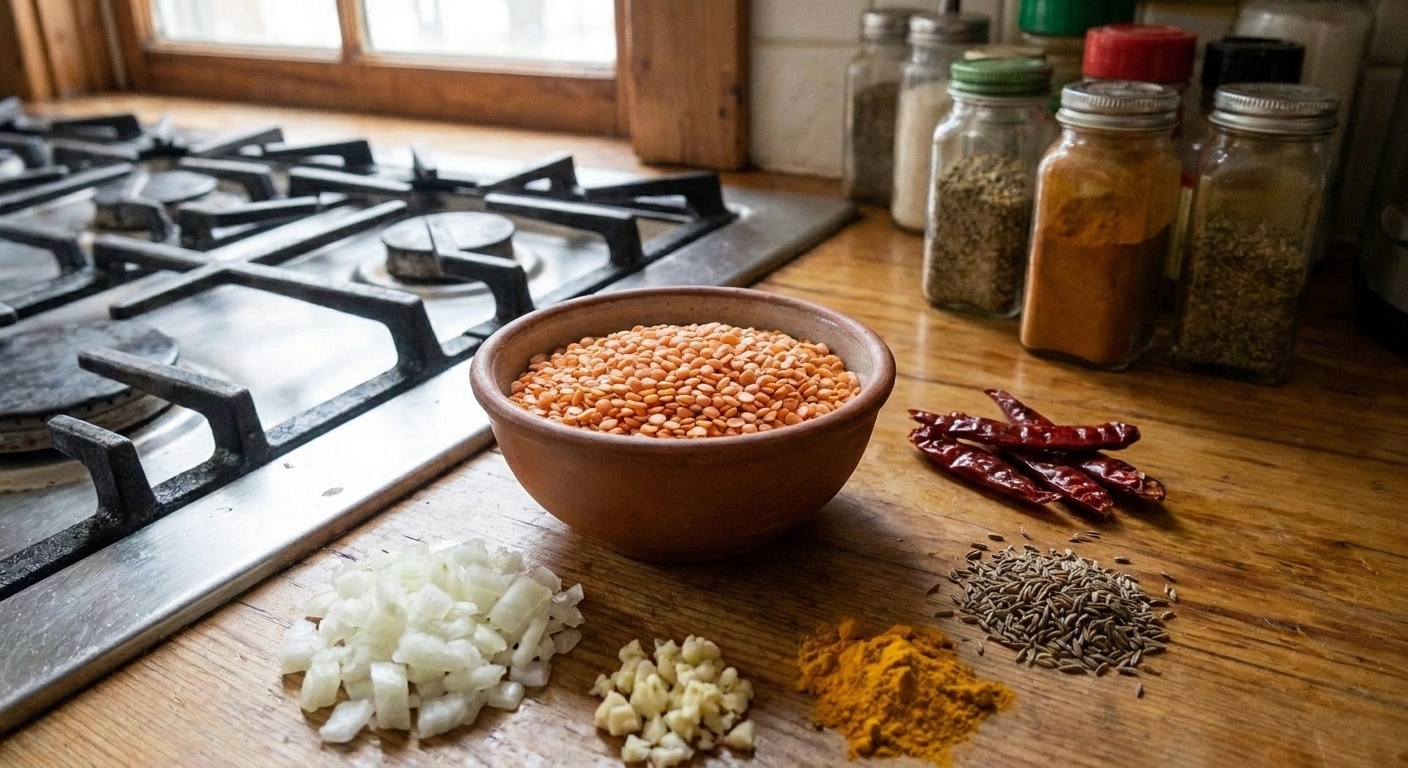
- 1 cup split red lentils (masoor dal), rinsed well
- 2 tablespoons ghee or neutral oil, divided
- 1 medium yellow onion, finely chopped
- 3 garlic cloves, minced
- 1 teaspoon ground turmeric
- 1 teaspoon fine salt, divided, plus more to taste
- 4 cups water, plus more as needed
- 1 small lemon (about 2 tablespoons juice), to finish
- For the tadka
- 1 tablespoon ghee or neutral oil
- 1 teaspoon cumin seeds
- 1/2 teaspoon chili flakes (or 1 dried red chili)
Instructions
- Start the base. Set a medium saucepan over medium heat. Add 1 tablespoon ghee (or oil). Add the chopped onion and cook, stirring occasionally, until soft and lightly golden at the edges, 6 to 8 minutes.
- Bloom the aromatics. Add the minced garlic and cook until fragrant, 30 to 60 seconds. Stir in the turmeric and cook for 15 seconds to bloom it in the fat.
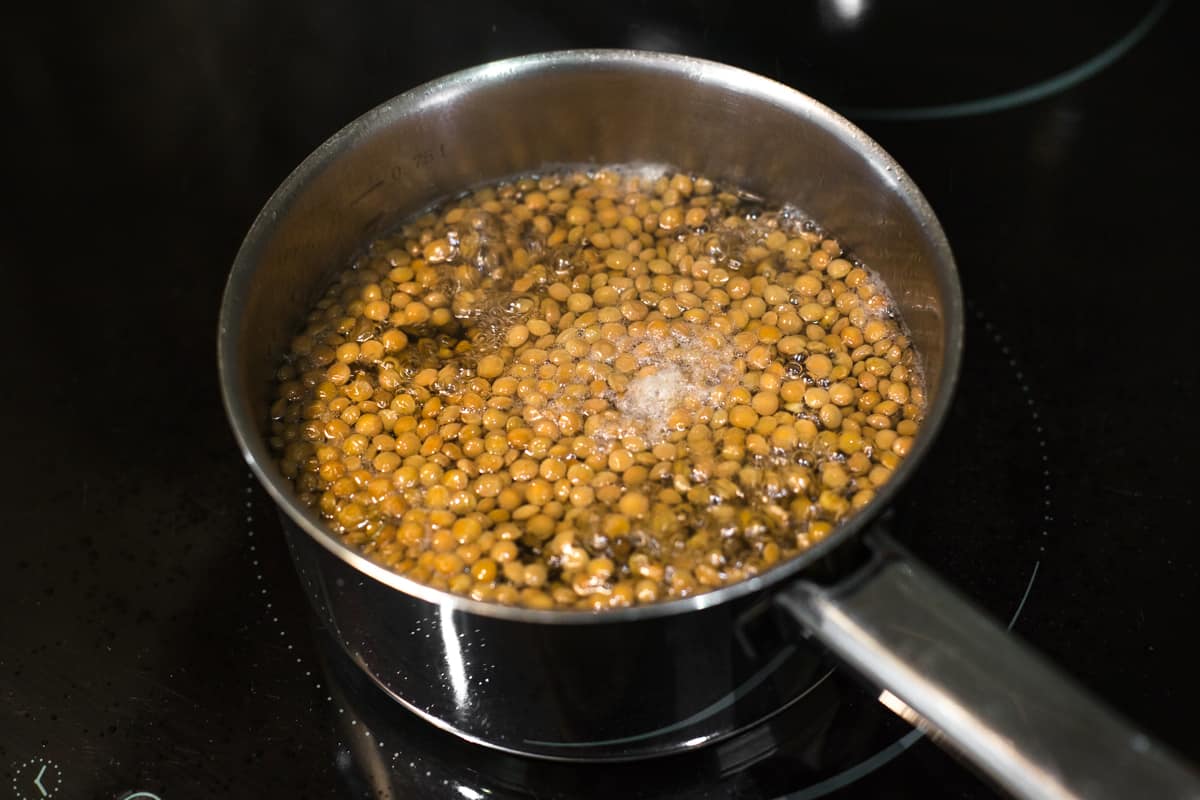
- Add lentils and water. Add the rinsed red lentils and 4 cups water. Stir well, scraping the bottom to lift any stuck-on bits.
- Simmer. Bring to a gentle boil, then reduce to a steady simmer. Partially cover and cook, stirring every few minutes, until the lentils are very soft and breaking down, 15 to 20 minutes.
- Salt timing and thickness cue. Once the lentils are clearly softening (around the 10 minute mark of simmering), stir in 1/2 teaspoon salt. Keep simmering until creamy and spoonable. If it looks too thick, add hot water a splash at a time. If it looks too loose, simmer uncovered for a few minutes. The dal is ready when a spoon dragged across the bottom leaves a track that holds for about a second before filling in.
- Make the tadka. In a small skillet, heat 1 tablespoon ghee (or oil) over medium heat. Add the cumin seeds and chili flakes (or dried chili). Cook, swirling the pan, until the cumin is darker and intensely fragrant, 60 to 90 seconds. Do not let it burn.
- Finish. Turn off the heat under the dal. Stir in 1 tablespoon of lemon juice, then taste and add more lemon if needed. Adjust salt to taste. Pour the hot tadka over the dal and serve right away.
Notes
Heat level: Use 1/4 teaspoon chili flakes for mild, 1/2 teaspoon for medium. For spicy, use 3/4 teaspoon and finish with extra lemon.
Make-ahead: The dal thickens as it sits. Reheat with a splash of water, then consider making a fresh quick tadka for the best flavor.