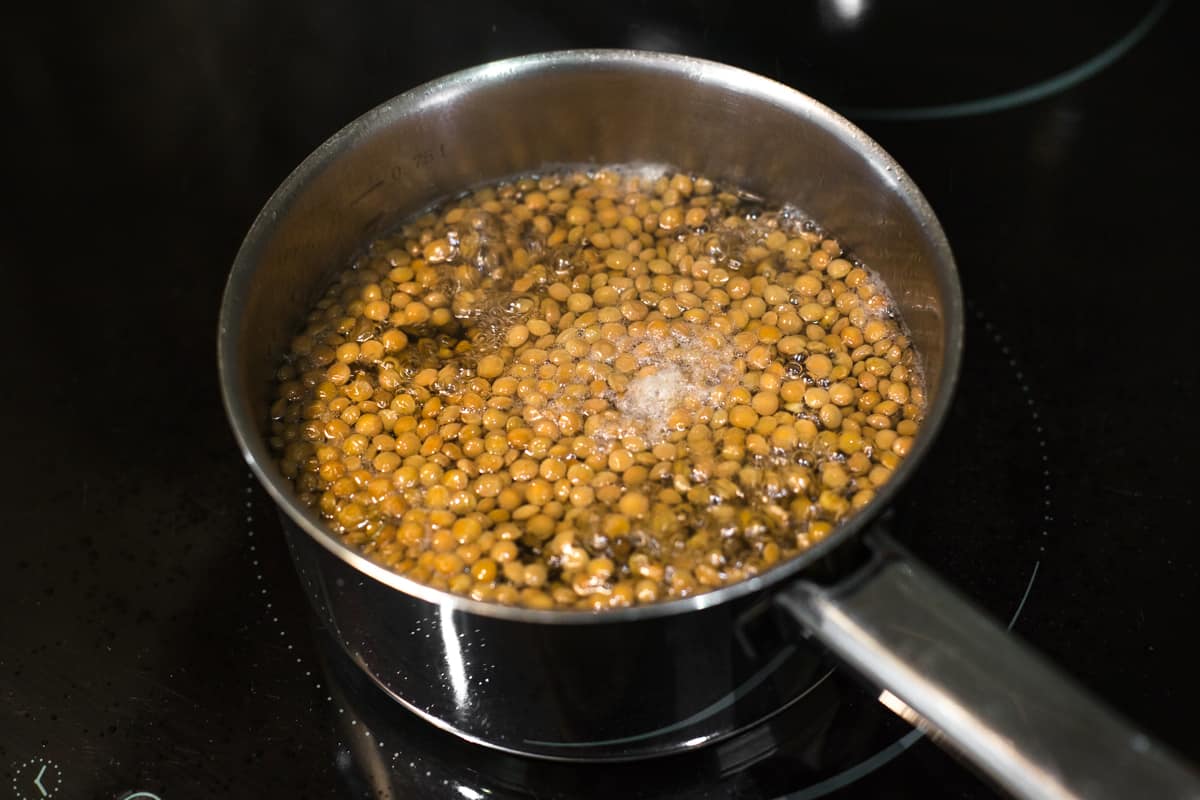

Whenever I teach lentils, I start with the same relief-inducing sentence: lentils usually do not need soaking like dry beans. No overnight planning. No “did I remember to soak?” panic. Lentils go from pantry to dinner in about the time it takes to unload the dishwasher and chop a salad.
This is the stovetop method I use at home in Portland when I need a dependable pot of lentils for salads, soups, grain bowls, or meal prep. I will give you the exact water ratios, timing ranges, and the small details that keep lentils from swinging from underdone to mush.

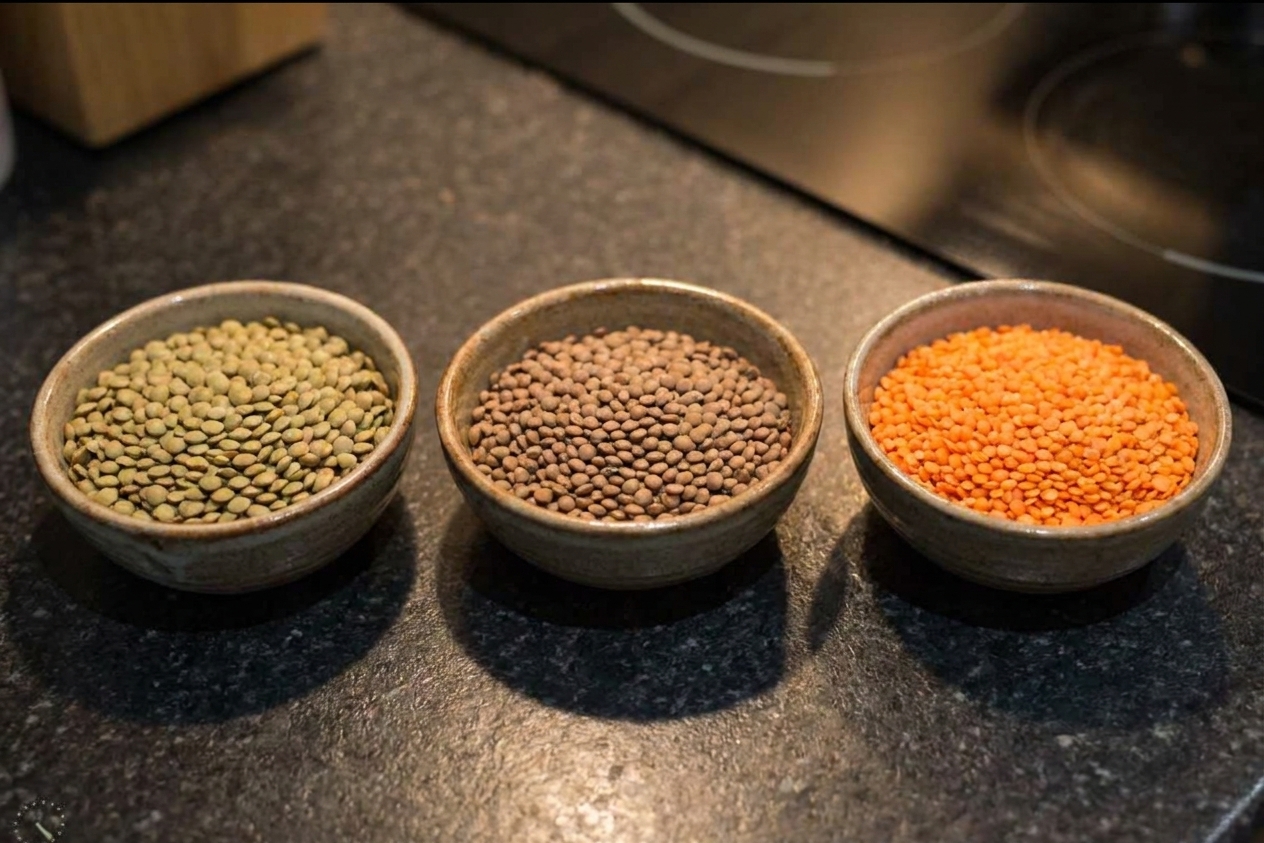
Lentil types and what they are best for
Different lentils cook at different speeds and break down differently. Choosing the right one is half the battle.
- Green lentils: peppery, sturdy, hold their shape well. Great for salads and warm bowls.
- Brown lentils: mild, versatile, still hold shape but soften a bit more than green. Great “everyday lentil.”
- Red lentils: split and hulled, cook fast and turn creamy. Best for soups, dals, and thickening stews.
- French green (Puy-style) lentils: small, extra firm, and great at staying distinct. Perfect for salads and meal prep.
- Black beluga lentils: tiny, glossy, and very shape-holding. Great in salads and bowls where you want a little bite.
Stovetop ratios and cook times (quick chart)
These ratios make lentils fully cooked, with enough liquid to simmer evenly. You will drain for salads and most meal prep. For soups, you will often keep the cooking liquid or cook them directly in the soup.
Green lentils
- Ratio: 1 cup green lentils + 3 cups water or broth
- Simmer time: 20 to 30 minutes
- Best doneness: tender with a little bite for salads, softer for soups
Brown lentils
- Ratio: 1 cup brown lentils + 3 cups water or broth
- Simmer time: 18 to 25 minutes
- Best doneness: tender but intact for most uses
Red lentils
- Ratio: 1 cup red lentils + 2 cups water or broth
- Simmer time: 6 to 12 minutes
- Best doneness: creamy and spoonable, not separate grains
Yield note: 1 cup dry lentils makes about 2 1/2 cups cooked, and up to about 3 cups if cooked softer or longer.
The basic stovetop method (works for all lentils)
1) Sort and rinse
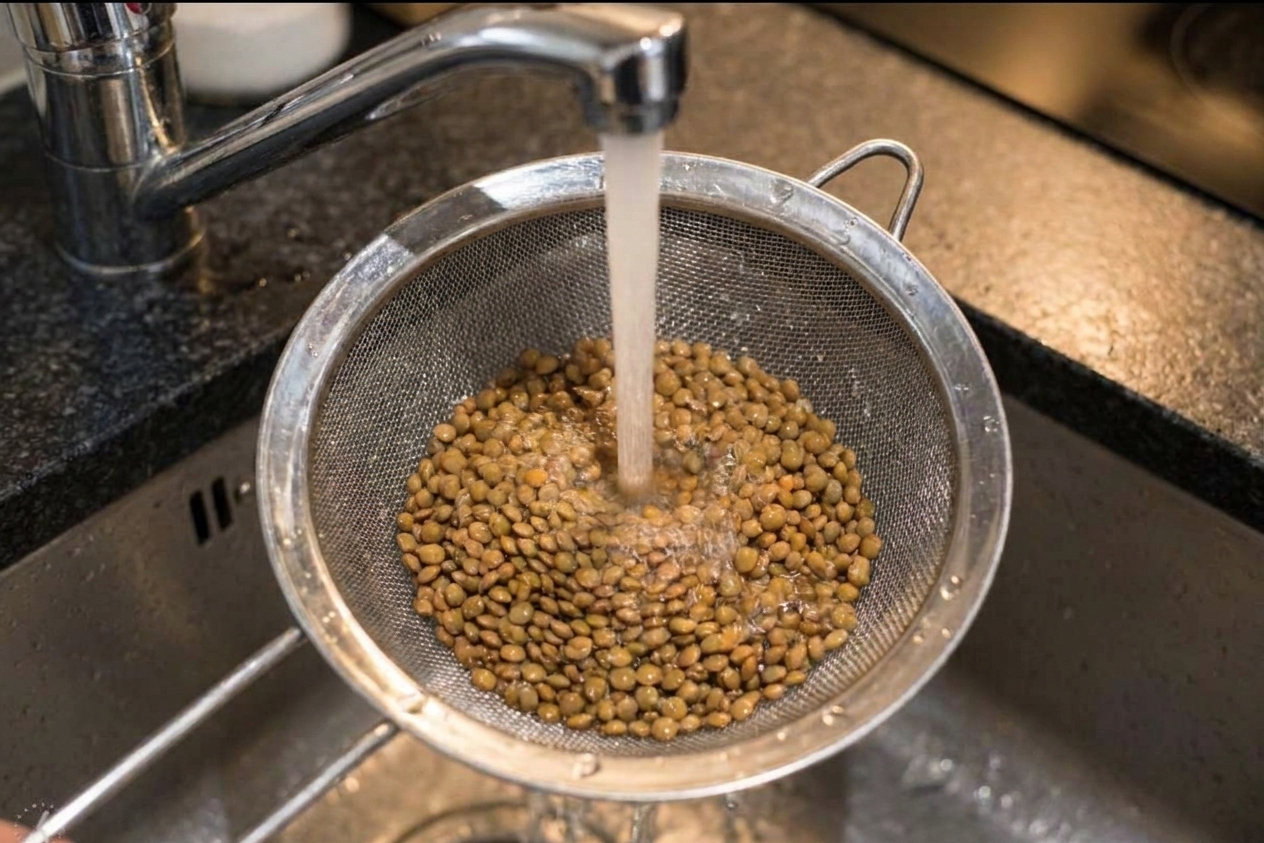
Pour lentils onto a plate or rimmed baking sheet and quickly look for tiny stones or debris. Then rinse in a fine-mesh strainer until the water runs mostly clear.
Red lentils especially benefit from a good rinse. They can foam more and go from “creamy” to “gluey” if the starch is heavy.
2) Combine lentils and liquid, then bring to a boil
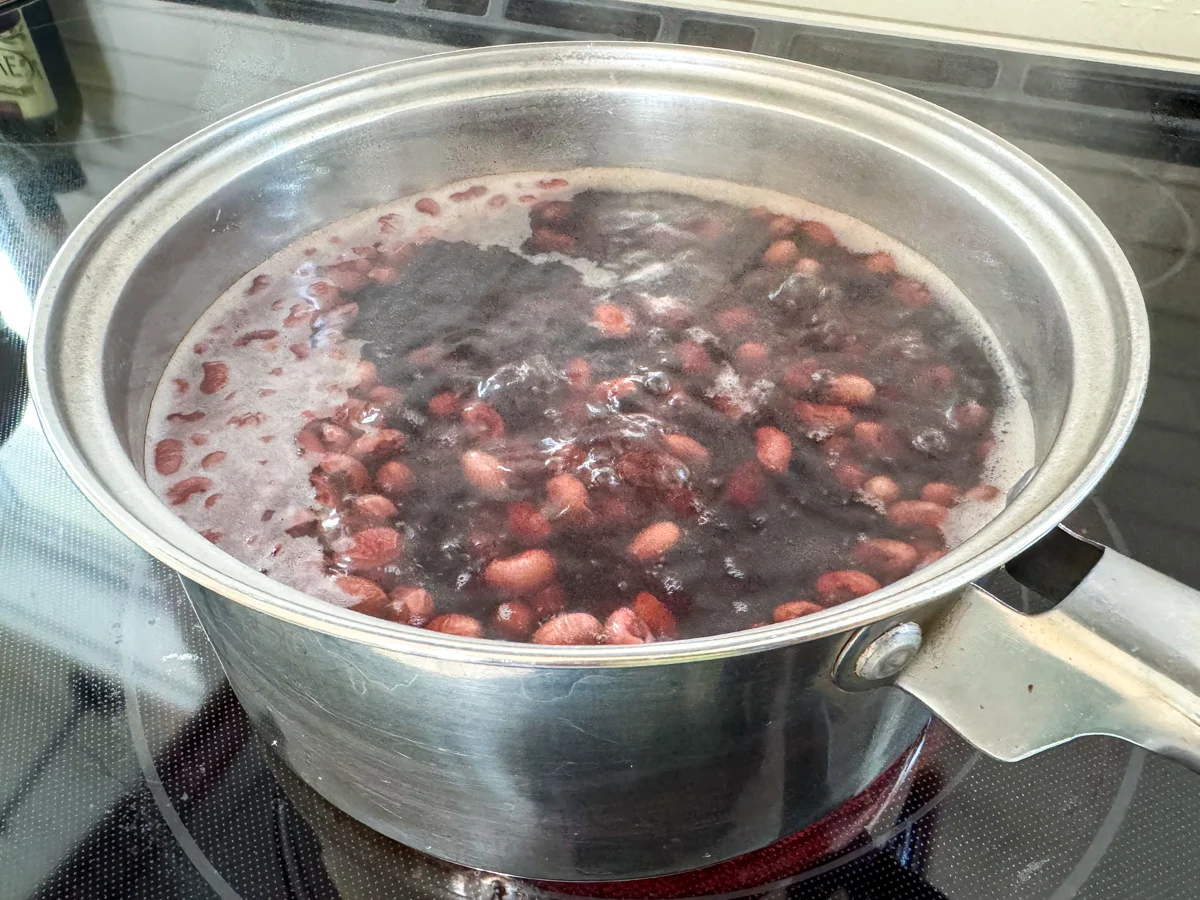
Add lentils and water or broth to a saucepan. For 1 cup lentils, I like a 2 to 3 quart pot so the simmer is steady and not crowded. (A wider pot evaporates faster, which is another reason the lid matters.) Bring to a boil over medium-high heat.
3) Lower to a gentle simmer and partially cover
Once boiling, reduce to a gentle simmer. If you keep it at a hard boil, lentils bang around, split, and turn mealy. Partially cover with a lid to limit evaporation, especially for green and brown lentils.
4) Stir occasionally and start checking early
Stir once or twice during cooking, and a bit more near the end if needed, just to make sure nothing is sticking. Begin checking a few minutes before the low end of the time range. Lentils can go from perfect to too soft quickly, especially red lentils.
5) Drain or use with liquid
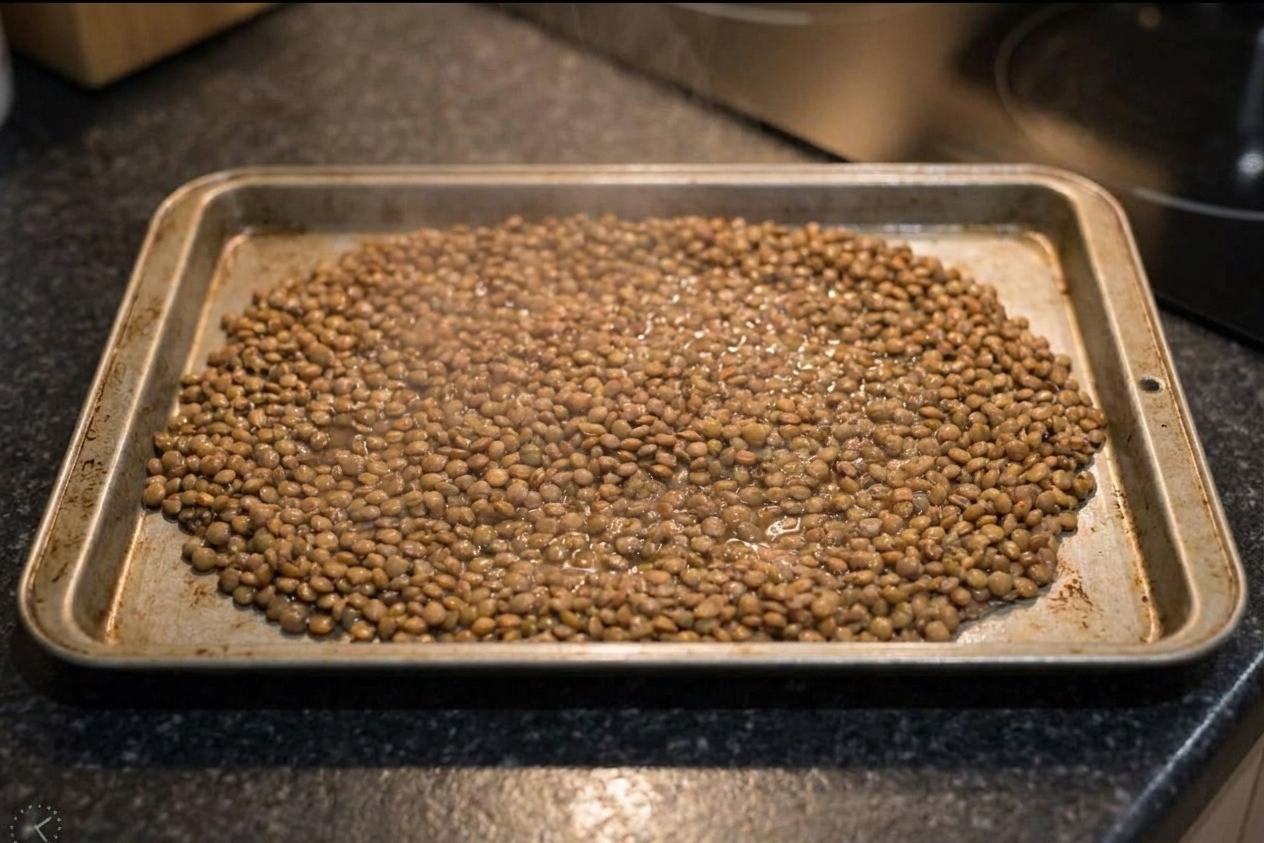
For salads and bowls, drain lentils in a fine-mesh strainer, then spread them on a baking sheet for 2 to 3 minutes so steam can escape. This prevents watery dressings and mushy leftovers.
For soups and stews, you can keep the cooking liquid, or better yet, cook lentils directly in the soup so they absorb that flavor.
When to add salt (and why it matters)
This is one of the biggest lentil myths I see: that salting early makes them tough. In my kitchen, lentils can be salted early and still cook up tender.
- For the best flavor: add salt once the pot reaches a simmer. Think 1/2 teaspoon kosher salt per cup of dry lentils as a starting point, then adjust at the end.
- If you are using broth: taste first and salt lightly, because many broths are already salty.
- If you want firmer lentils for a salad: you can hold most of the salt until the last 5 minutes. Not because salt stops cooking, but because it gives you more control over seasoning without accidentally over-salting a drained batch.
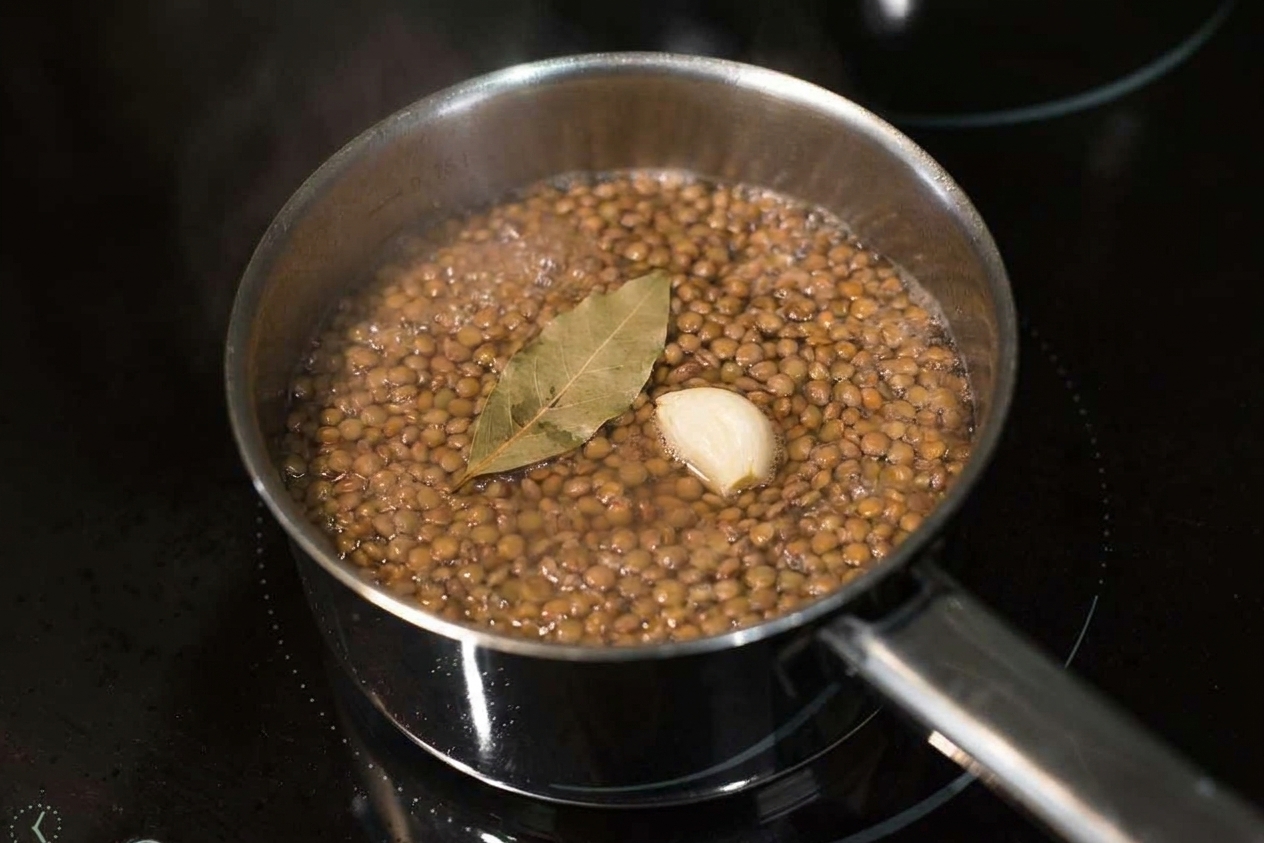
Flavor boosters I love: a smashed garlic clove, a bay leaf, a strip of lemon peel, or half an onion. Add any of those at the beginning, then fish them out after.
Acid timing (it matters too)
One more small thing with an outsized impact: acid can slow softening. If you add tomatoes, vinegar, or lemon juice at the beginning, lentils may take longer to get tender and can stay firmer.
- For tender lentils: add acidic ingredients near the end, once the lentils are cooked.
- For extra firm salad lentils: adding a little acid earlier can be helpful, just plan on a longer simmer.
Doneness: salad lentils vs soup lentils
For salads and grain bowls
You want lentils that are tender but still distinct, with a little resistance when you bite. If you stir a spoon through the pot, they should move like grains, not smear like porridge.
- Green, French green, black, and brown lentils: aim for “al dente” at the lower end of the cook time. Start tasting at 15 minutes for brown, 18 minutes for green and the firmer types.
- Drain promptly once they hit that sweet spot. The residual heat keeps cooking them for a minute or two.
For soups, stews, and dals
Here you can go softer, because you want lentils to thicken the broth and melt into the base.
- Green and brown: cook until fully tender and creamy inside, often near the top end of the range.
- Red lentils: they are naturally soup-friendly. If you want some texture, stop at 6 to 8 minutes. If you want silky, keep going to 10 to 12.
How to stop a pot from turning mushy
If your lentils are racing toward mush, you have options. The key is acting quickly.
First, stop the cooking
- Drain immediately (even if you planned to use the liquid). Getting the hot water away from the lentils slows the carryover cooking fast.
- Rinse briefly with cool water if they are already very soft and you are using them for a cold salad. This is not my go-to for flavor, but it can save texture.
- Spread on a baking sheet in a single layer so steam escapes. Piling soft lentils in a bowl keeps them steaming themselves into puree.
Then, change the plan
If they are past the point of no return, lean into it:
- Turn them into a quick soup base by adding broth, sautéed aromatics, and a splash of acid.
- Make a lentil mash with olive oil, lemon, salt, and cumin, then use it like a spread in wraps.
- Stir into tomato sauce to make it thicker and more hearty.
Common stovetop lentil problems (fast fixes)
My lentils are still hard after the suggested time
Usually it is one of these:
- Old lentils: they can take significantly longer and may stay a little unevenly tender even after extended cooking. Keep simmering and add more water as needed.
- Simmer too low: you want an active gentle simmer, not barely-warm water.
- Not enough liquid: add 1/2 cup water at a time and keep cooking.
They foamed a lot
Totally normal, especially with red lentils. Reduce the heat a bit and skim if it is climbing up the pot. A thorough rinse helps.
They taste flat
Lentils love two things: salt and acid. Salt appropriately, then finish with lemon juice, red wine vinegar, or a spoonful of mustard. That little pop is what makes lentils taste like dinner, not like health food punishment.
Storage and meal prep tips
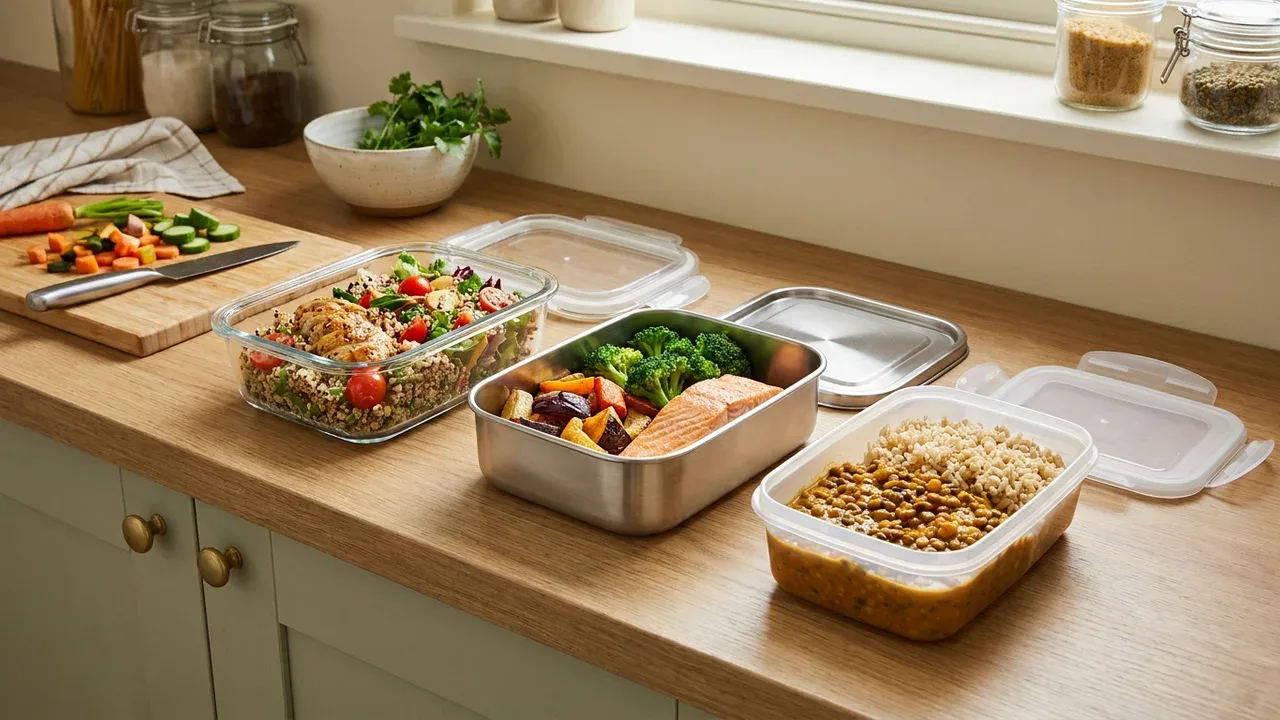
- Cool quickly: spread on a tray or stir in a wide bowl so they do not keep steaming.
- Refrigerate: in an airtight container for up to 5 days.
- Freeze: green and brown lentils freeze well. Cool completely, then freeze flat in zip-top bags for quick portions.
- Prevent waste: if you have a small amount left, toss into scrambled eggs, fold into taco meat, or stir into a can of soup to make it more filling.
FAQ
Do I need to soak lentils?
Usually, no. Lentils do not need soaking like dry beans. Just sort, rinse, and cook. If your lentils are very old and stubborn, a short soak can help them cook a little more evenly.
Should I cook lentils in water or broth?
Either works. Water is neutral and easier to control for salt. Broth adds flavor, but taste and salt carefully at the end.
Why did my red lentils disappear?
That is normal. Red lentils are split and designed to break down. If you want lentils that stay distinct, use green, French green, black beluga, or brown.
How do I keep lentils firm for a salad?
Use green or brown lentils (or French green or black beluga), simmer gently, start tasting early, and drain as soon as they are tender with a bite. Spreading them out to cool helps a lot.