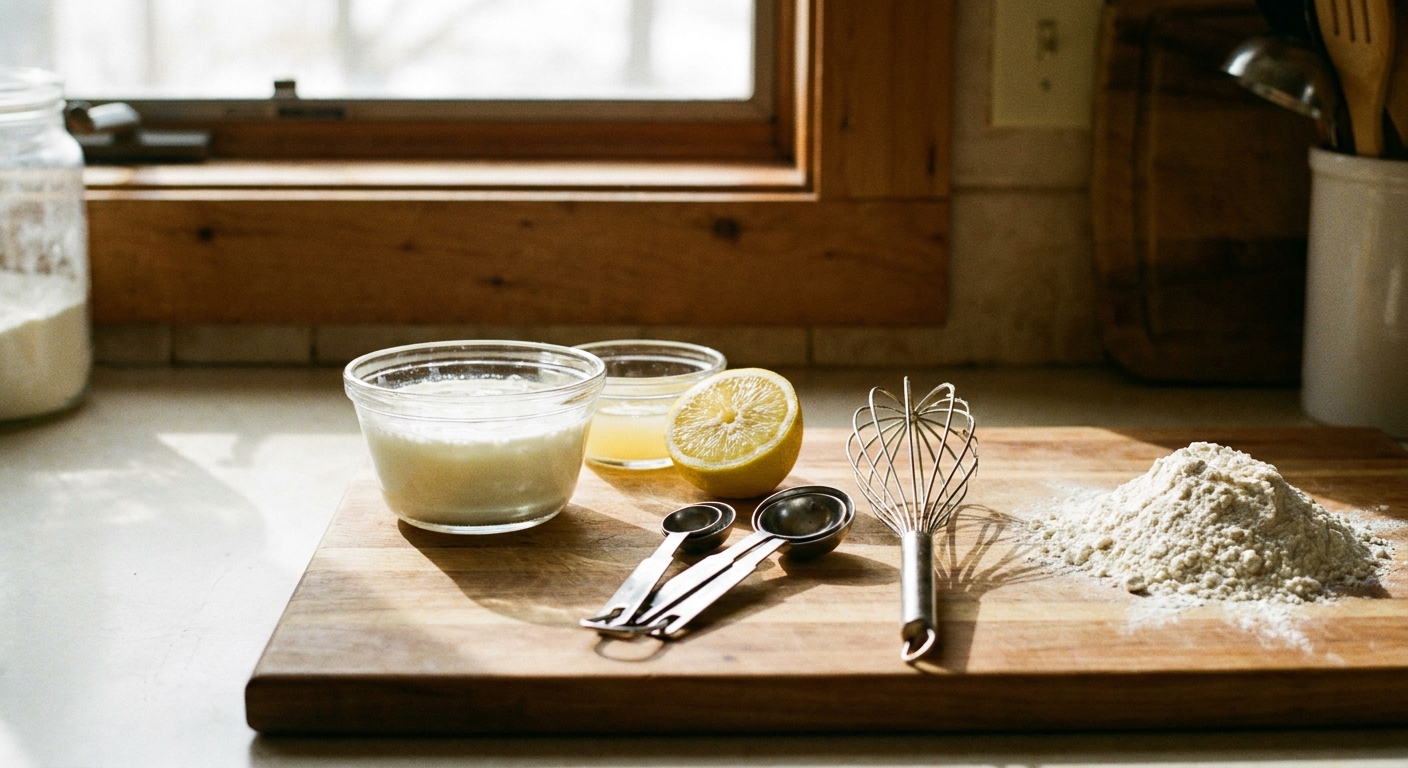
Sour cream does a lot more than add tang. In baking, it brings moisture, tenderness, and just enough acidity to help baking soda do its lift-y thing. In savory cooking, it adds body and a cool, creamy finish. The good news is you can almost always swap it with something you already have, as long as you match two things: fat level (for richness) and acidity (for brightness and leavening).
As a quick reality check, most standard sour creams land around 18 to 20% milkfat, while yogurt can range from 0% (nonfat) up to whole milk and beyond. The closer you get to sour cream’s fat and thickness, the less your recipe will notice the switch.
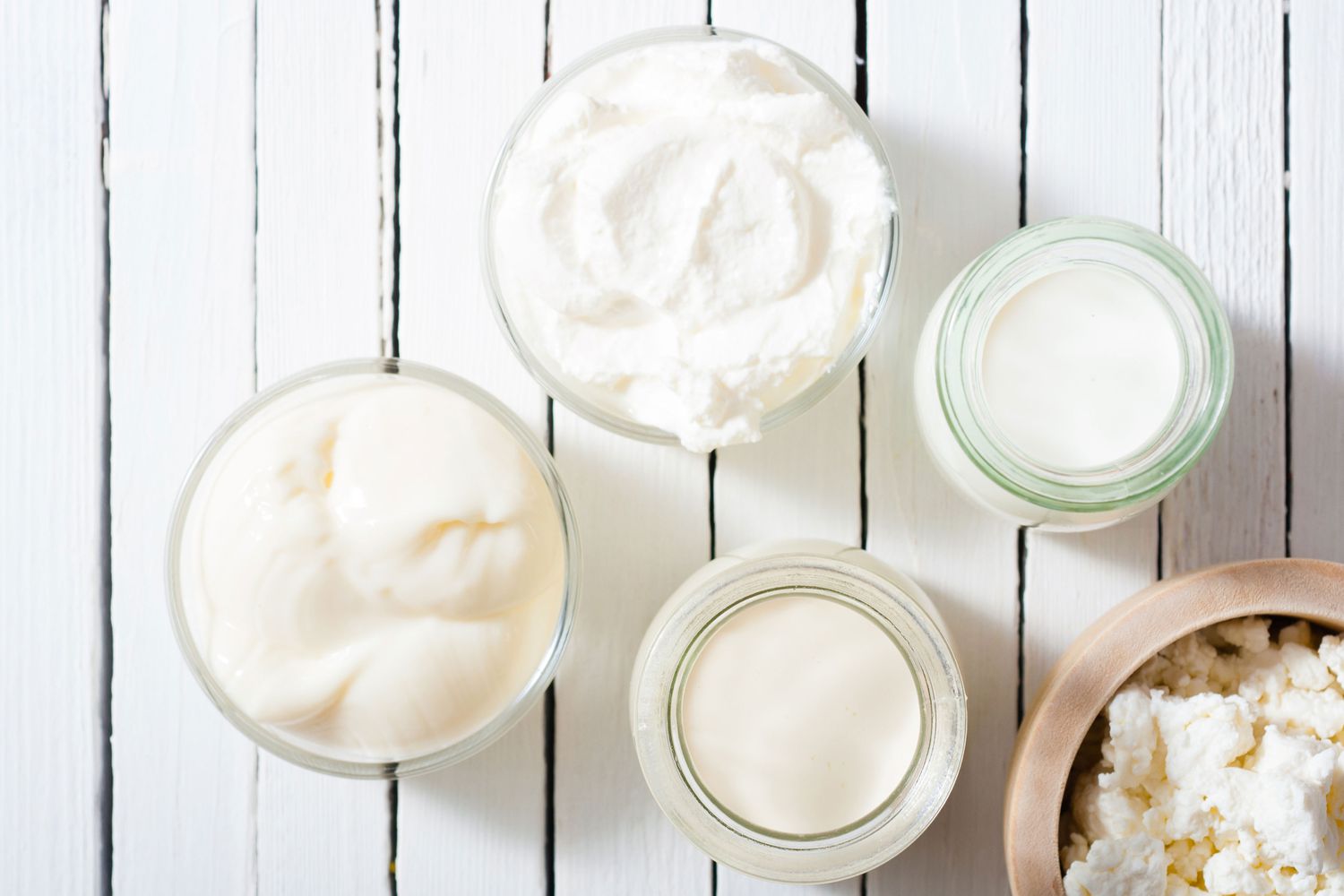
Below are my favorite sour cream substitutes for cakes, muffins, dips, casseroles, and toppings, with recipe-friendly ratios and what to expect.
Quick swap chart (most common situations)
If you just need the answer and you need it fast, start here. These are the swaps I reach for most often.
- Plain Greek yogurt (best all-purpose): Swap 1:1 for sour cream in most recipes.
- Plain regular yogurt: Swap 1:1, but expect a slightly looser batter or dip.
- Buttermilk (best for cakes and pancakes): Use 3/4 cup buttermilk + 1/4 cup melted butter or oil for every 1 cup sour cream.
- Cream cheese (best for dips and frostings): Use 3/4 cup cream cheese + 1/4 cup milk, buttermilk, or water, blended smooth.
- Mayonnaise (best for savory, not sweet): Swap 1:1 in casseroles, creamy sauces, and savory quick breads. It is richer and less tangy.
- Creme fraiche: Swap 1:1. Very similar behavior, often a little richer and a little less sharp.
What sour cream is doing in your recipe
In baking
- Moisture + fat: Keeps cakes and muffins tender, not bready.
- Acidity: Reacts with baking soda for lift and helps soften gluten for a finer crumb.
- Thickness: Gives batter structure so it bakes up plush, not flat.
In savory cooking
- Creaminess: Adds body without tasting like straight heavy cream.
- Cooling tang: Balances spicy, rich, or salty dishes.
- Finishing texture: Makes dips and toppings feel lush and scoopable.
When choosing a substitute, ask yourself: is sour cream acting like a thick dairy (dips, toppings) or like a tenderizer (cakes, muffins)? That decides the best swap.
Best substitutes, with ratios and results
Plain Greek yogurt (my go-to)
Ratio: 1:1 substitute.
Best for: Cakes, muffins, quick breads, pancakes, marinades, dressings, dips, casseroles.
What changes: Often a bit tangier than some sour creams and sometimes a touch thicker. If your Greek yogurt is very thick, you can loosen it with 1 to 2 teaspoons milk per cup, especially for dips.
Tip: Choose plain, unsweetened. Vanilla yogurt will make your taco dip taste like regret.
Plain regular yogurt
Ratio: 1:1 substitute.
Best for: Baking and sauces where a slightly looser texture is fine.
What changes: Usually thinner than sour cream, so batters may spread more and dips may be softer. If you need it thicker, strain it in a fine-mesh sieve or cheesecloth for 30 to 60 minutes.
Buttermilk (great acidity, less fat)
Ratio (recommended): For every 1 cup sour cream, use 3/4 cup buttermilk + 1/4 cup melted butter or neutral oil.
Best for: Cakes, muffins, pancakes, biscuits, coffee cake, and anything where sour cream is mainly moisture and tang.
What changes: More pourable batter. The added fat helps keep the tenderness closer to sour cream.
Tip: If the recipe already has plenty of butter or oil, you can often use 1 cup buttermilk straight, but expect a slightly lighter, less rich result.
Cream cheese (thick and rich)
Ratio: Blend 3/4 cup cream cheese + 1/4 cup milk or buttermilk until completely smooth to replace 1 cup sour cream.
Best for: Dips, frostings, cheesecakey batters, and creamy sauces that want body.
What changes: Richer and less tangy than sour cream. Texture is thicker and more stable.
Tip: Soften cream cheese first or it can leave tiny lumps that never fully disappear.
Mayonnaise (savory secret weapon)
Ratio: 1:1 substitute in many savory recipes.
Best for: Casseroles, creamy chicken salads, some baked savory dips, and savory quick breads where you are not relying heavily on tang.
What changes: Less acidity, more richness. Mayo is oil-based, so it can make baked goods feel very tender, but the flavor is not as bright.
When not to use it: In most sweet baking, mayo can taste a little “off” unless the recipe is built for it.
Make it tangier: Add 1 to 2 teaspoons lemon juice or vinegar per cup of mayo when you want a more sour-cream-like bite.
Creme fraiche (closest match)
Ratio: 1:1 substitute.
Best for: Everything, especially sauces since it is more resistant to curdling.
What changes: Often slightly richer and a little less sharp than sour cream, but tang can vary by brand and culture.
Milk + acid (works in a pinch, best for baking)
This is basically a homemade buttermilk stand-in. It will not mimic sour cream thickness, but it can handle the acidity piece.
Ratio: For each 1 cup sour cream, use 1 cup whole milk mixed with 1 tablespoon lemon juice or white vinegar, plus 2 tablespoons melted butter if you want more richness.
Best for: Pancakes, cakes, muffins where sour cream is not the main star ingredient.
What changes: Looser batter and a slightly lighter crumb. It also will not have the same cultured, complex tang as real buttermilk or sour cream.
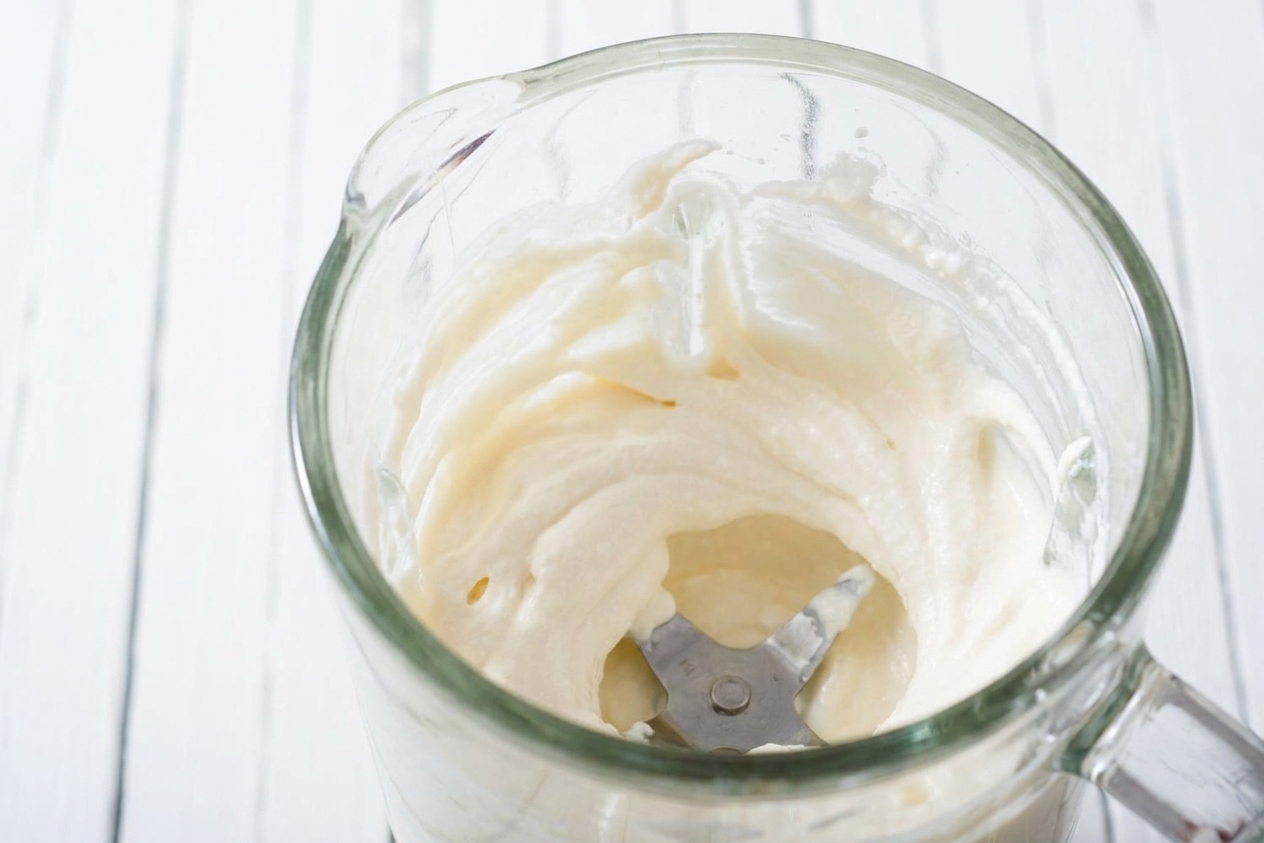
Cottage cheese (blended)
Ratio: Blend 1 cup cottage cheese until smooth, then use 1:1.
Best for: Baked casseroles, creamy sauces, some baked dips if you blend it very well.
What changes: Mild tang, slightly grainier mouthfeel if not fully blended. Lower fat versions can taste a bit lean.
When not to use it: In uncooked dips where you want perfectly silky texture. Even blended, cottage cheese can read a little grainy.
Non-dairy options (yes, you have choices)
If you are dairy-free, you are still aiming for the same two targets: fat and acidity. Read labels and taste as you go, because tang and thickness vary a lot between brands.
Unsweetened coconut yogurt
Ratio: 1:1 substitute.
Best for: Toppings, dips, dressings, and some baking.
What changes: A faint coconut note (sometimes more than faint). Choose unsweetened, and add a pinch of salt to make it taste more “sour cream” and less “breakfast.”
Cashew cream + lemon (DIY, very adaptable)
Ratio: For 1 cup sour cream, blend 3/4 cup cashew cream with 2 to 3 teaspoons lemon juice (plus a pinch of salt), then thin with water to reach sour-cream thickness.
Best for: Dips, dollops, and creamy sauces.
What changes: Less cultured tang, but great body. Add a little more lemon if you want sharper bite.
Store-bought vegan sour cream
Ratio: 1:1 substitute.
Best for: Everything you would use sour cream for, especially toppings and dips.
What changes: Brand-to-brand texture varies. Some are thinner, which matters most in baking.
Best swaps by dish type
Cakes, cupcakes, and coffee cake
Use: Greek yogurt (1:1) or creme fraiche (1:1). If all you have is buttermilk, use the 3/4 cup buttermilk + 1/4 cup melted butter blend per cup of sour cream.
Watch for: If the recipe uses baking soda, you want a substitute with some acidity (yogurt, buttermilk, creme fraiche).
Muffins and quick breads
Use: Greek yogurt (1:1) or regular yogurt (1:1). For savory quick breads, mayo (1:1) can work well.
Texture note: Muffin batter should be thick and scoopable. If your substitute makes it runny, reduce another liquid by 2 to 4 tablespoons, or add 1 to 2 tablespoons extra flour.
Cookies and bars
Use: Greek yogurt (1:1) or cream cheese thinned (3/4 + 1/4 method).
Watch for: Sour cream in bar cookies often prevents dryness. Choose a higher-fat substitute for the best chewy texture.
Dips and dressings
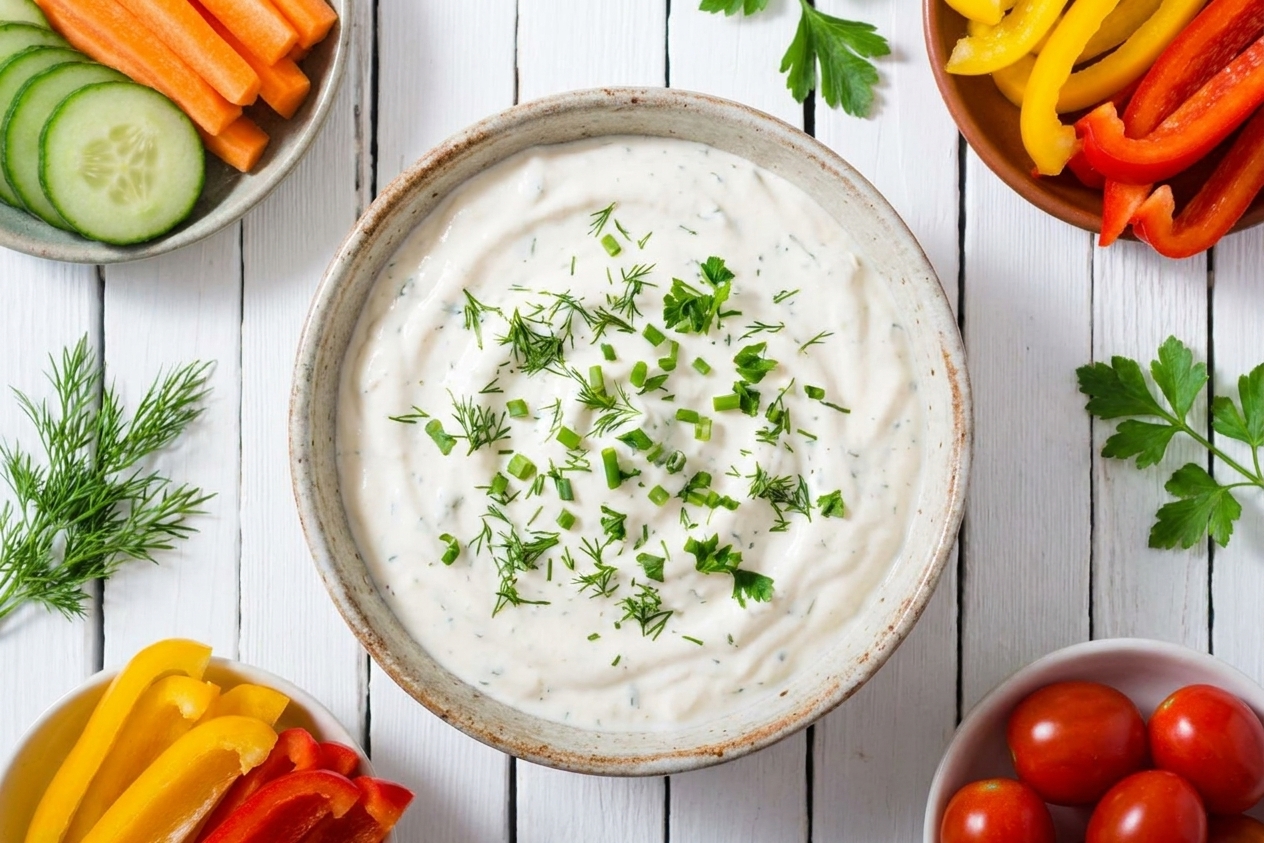
Use: Greek yogurt (1:1) for a lighter dip, or cream cheese blended with a splash of milk for a thicker, party-style dip.
Flavor note: Yogurt is often tangier, which I love in ranch-style dips. If it tastes too sharp, add a pinch of sugar or a drizzle of honey and a tiny extra pinch of salt.
Casseroles and creamy baked dishes
Use: Greek yogurt (1:1), mayo (1:1), or a mix of yogurt and cream cheese for extra richness.
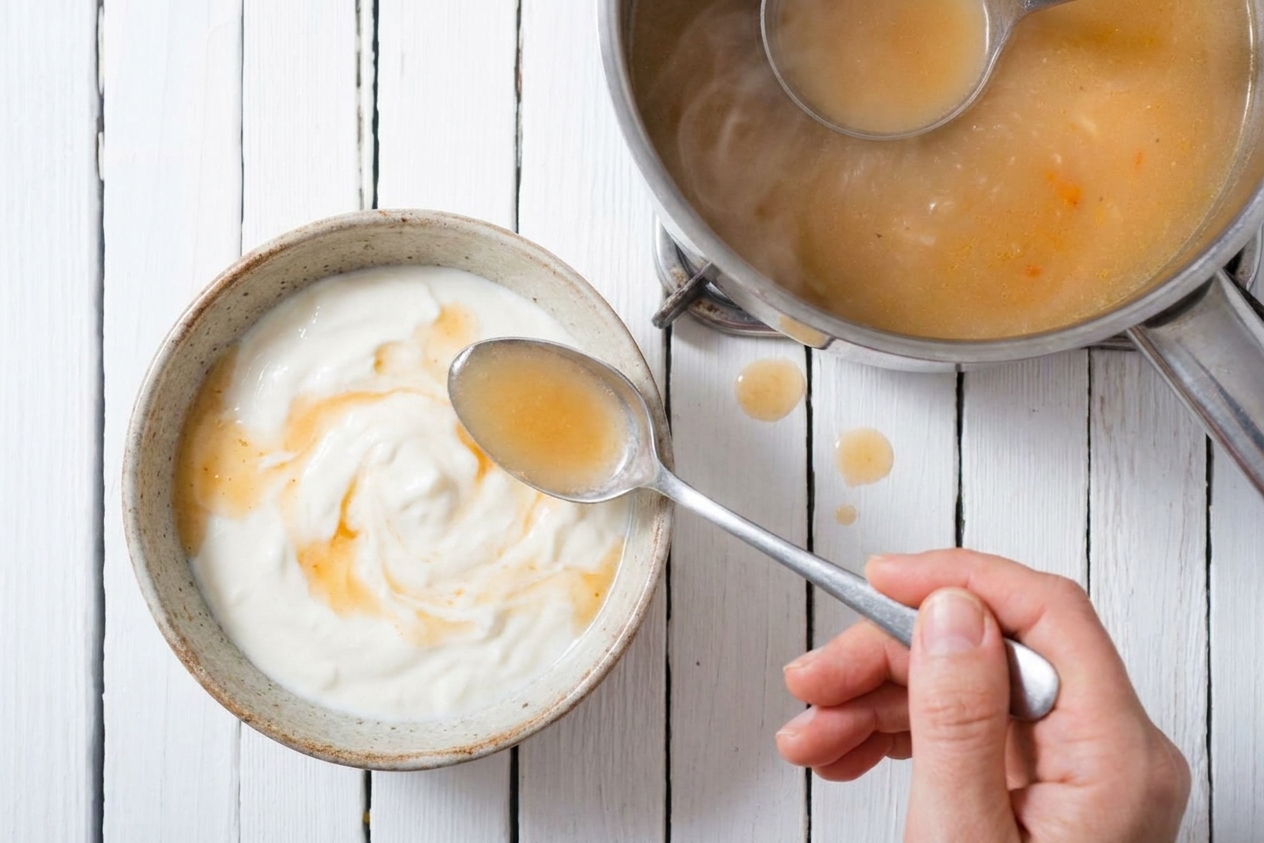
Heat tip: To avoid curdling, stir dairy in off the heat when possible, or temper it by mixing a spoonful of the hot liquid or sauce from the pot into the substitute first, then adding it back to the dish.
Toppings (tacos, chili, baked potatoes)
Use: Greek yogurt (1:1) or creme fraiche (1:1). For the most sour-cream-like vibe, use full-fat Greek yogurt and whisk in a tiny splash of cream or milk to loosen.
Serving tip: Many sour cream brands are lightly salted, but not all. Taste your topping, then add a pinch of salt if it needs it.
How to choose the right substitute (my decision rules)
- If it is sweet baking: Greek yogurt or the buttermilk blend.
- If it is a dip: Greek yogurt for tang and lightness, cream cheese blend for thickness and body. For dairy-free, coconut yogurt or cashew cream + lemon.
- If it is a casserole: Greek yogurt if you want tang, mayo if you want richness and stability, or half-and-half of both for a very classic creamy texture.
- If the recipe uses baking soda: Prioritize acidic substitutes (yogurt, buttermilk, creme fraiche). If you are using a low-acid swap and the recipe seems to rely on sour cream as the main acid, start with 1 teaspoon lemon juice per cup, then taste and adjust. Do not force it if the recipe already has other acidic ingredients.
- If you are reducing food waste: Use what is open first, but match thickness. Thin substitutes can be fixed with a small flour adjustment in baking or a quick straining step for dips.
Substitution ratios (easy reference)
- 1 cup sour cream = 1 cup plain Greek yogurt
- 1 cup sour cream = 1 cup plain yogurt (thinner result)
- 1 cup sour cream = 3/4 cup buttermilk + 1/4 cup melted butter or oil
- 1 cup sour cream = 3/4 cup cream cheese + 1/4 cup milk or buttermilk, blended
- 1 cup sour cream = 1 cup mayo (best for savory)
- 1 cup sour cream = 1 cup creme fraiche
- 1 cup sour cream = 1 cup unsweetened coconut yogurt (non-dairy)
Common problems and quick fixes
My batter looks too thin
- Use Greek yogurt instead of regular yogurt next time.
- Reduce another liquid by 2 to 4 tablespoons.
- In muffins and quick breads, add 1 to 2 tablespoons flour if needed.
My dip tastes too tangy
- Add a pinch of sugar, honey, or maple syrup.
- Add a little more salt and a drizzle of olive oil to round it out.
- Cut yogurt with a spoonful of mayo for a softer tang.
My sauce curdled
- Next time, add yogurt or sour-cream substitutes off-heat or over very low heat.
- Use creme fraiche for hot sauces since it is more stable.
- If it already curdled, blend briefly to smooth the texture. The flavor is usually still good.
FAQ
Can I use yogurt instead of sour cream in baking?
Yes. Plain Greek yogurt is the most reliable 1:1 swap for sour cream in cakes, muffins, and quick breads because it matches thickness and acidity closely.
Is mayo a good substitute for sour cream?
In savory cooking, absolutely. Mayo swaps 1:1 nicely in casseroles and creamy dips, but it is less tangy. Add a little lemon juice or vinegar if you miss the brightness.
What is the closest dairy substitute to sour cream?
Creme fraiche is usually the closest 1:1 match. Full-fat Greek yogurt is the best common grocery option.
Can I substitute cream cheese for sour cream?
Yes, but thin it first. Blending 3/4 cup cream cheese with 1/4 cup milk or buttermilk gives you a smooth, sour-cream-like texture that works especially well for dips and frostings.
How long can I keep a dairy-based dip?
If it has been kept cold, most dairy-based dips are best within 3 to 4 days. If it sat out for more than 2 hours (1 hour in hot weather), it is safer to toss it.