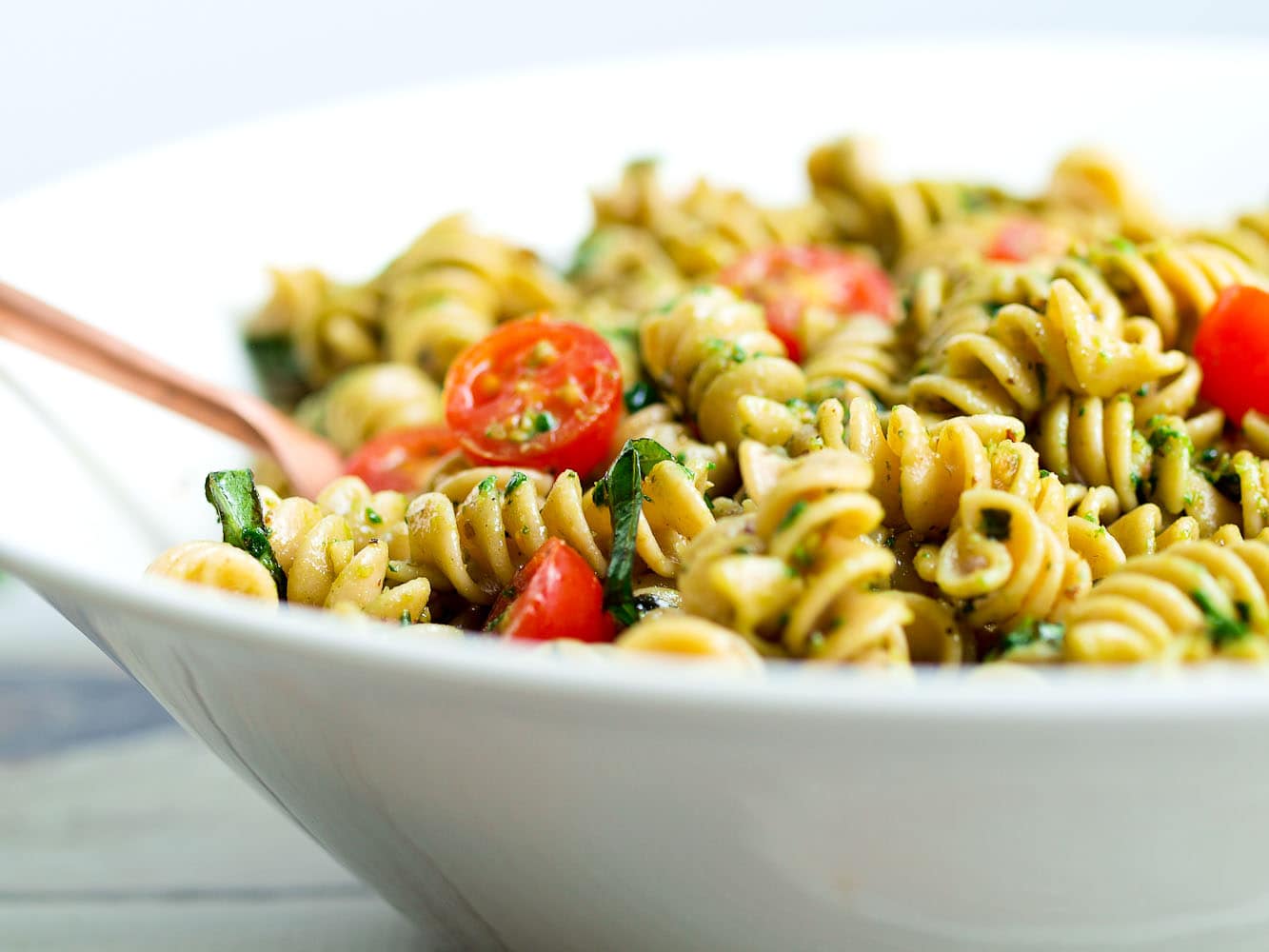
Pesto is one of those small kitchen wins that makes dinner feel instantly more alive. You can make it in about the time it takes to boil pasta, and it turns whatever you already have into a meal that tastes like you planned ahead.
This is classic basil pesto: basil, garlic, pine nuts, Parmesan, olive oil, salt, and a little lemon if you want extra brightness. I will walk you through the fastest method (food processor), plus how to nail the balance of salty, nutty, and sharp without overthinking it.
What makes this weeknight pesto
- No blanching required. You can absolutely blanch basil to keep it neon green, but on a Tuesday, we skip it.
- One main tool. A food processor is the fastest. (Toasting nuts is optional and you can skip the skillet entirely.)
- Built-in flexibility. Pine nuts and Parmesan are classic, but you have backup options that still taste great.
Ingredients (classic)
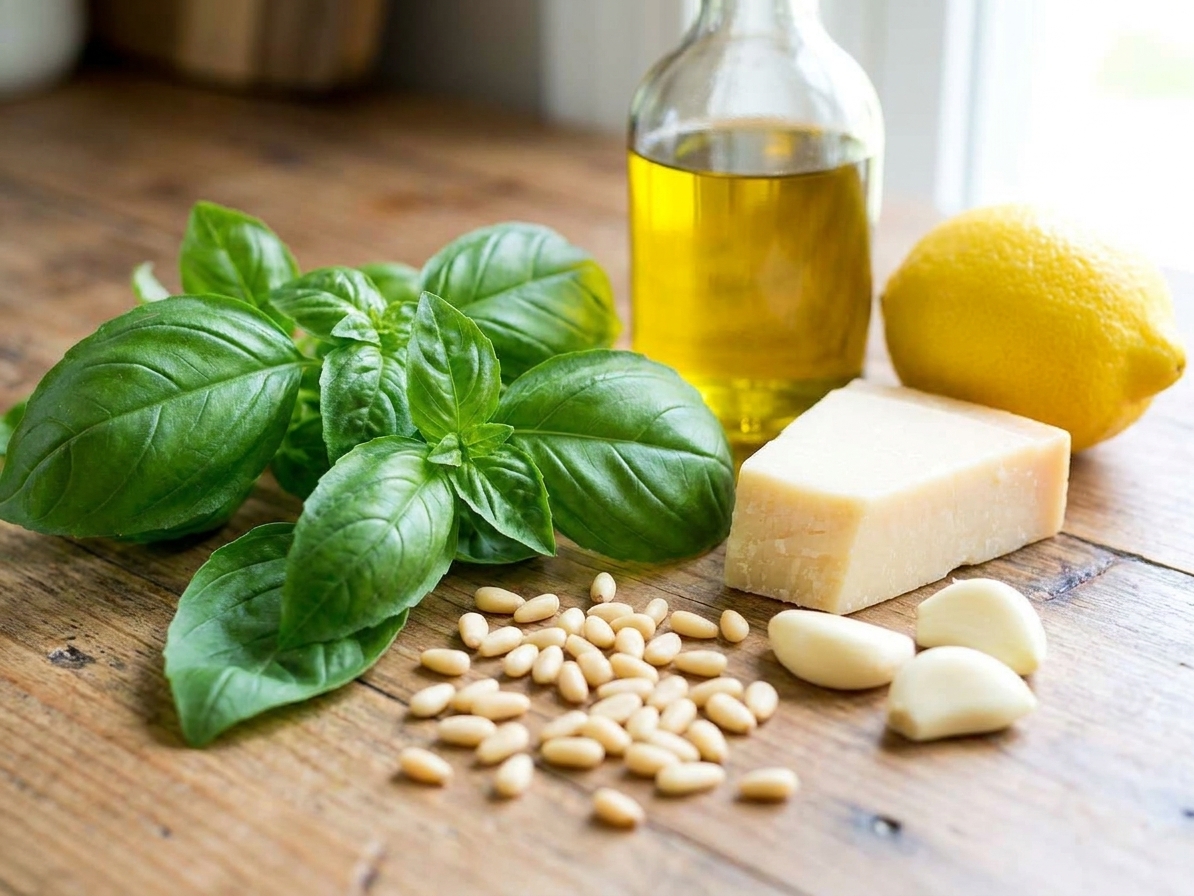
- Fresh basil: 2 packed cups leaves (stems are fine if tender)
- Garlic: 1 to 2 cloves (start with 1 if yours is spicy)
- Pine nuts: 1/3 cup
- Parmesan cheese: 1/2 cup finely grated (plus more to serve)
- Extra-virgin olive oil: 1/2 cup, plus more as needed
- Kosher salt: 1/2 teaspoon, then adjust
- Black pepper: a few grinds
- Lemon: 1 to 2 teaspoons juice (optional but recommended)
About the basil: If your bunch looks sandy, rinse quickly and spin very dry. Water clinging to leaves can make pesto taste duller and it may not keep as well.
Allergen note: Classic pesto contains nuts and dairy. See the swaps section for nut-free and dairy-free options.
How to make basil pesto (food processor)
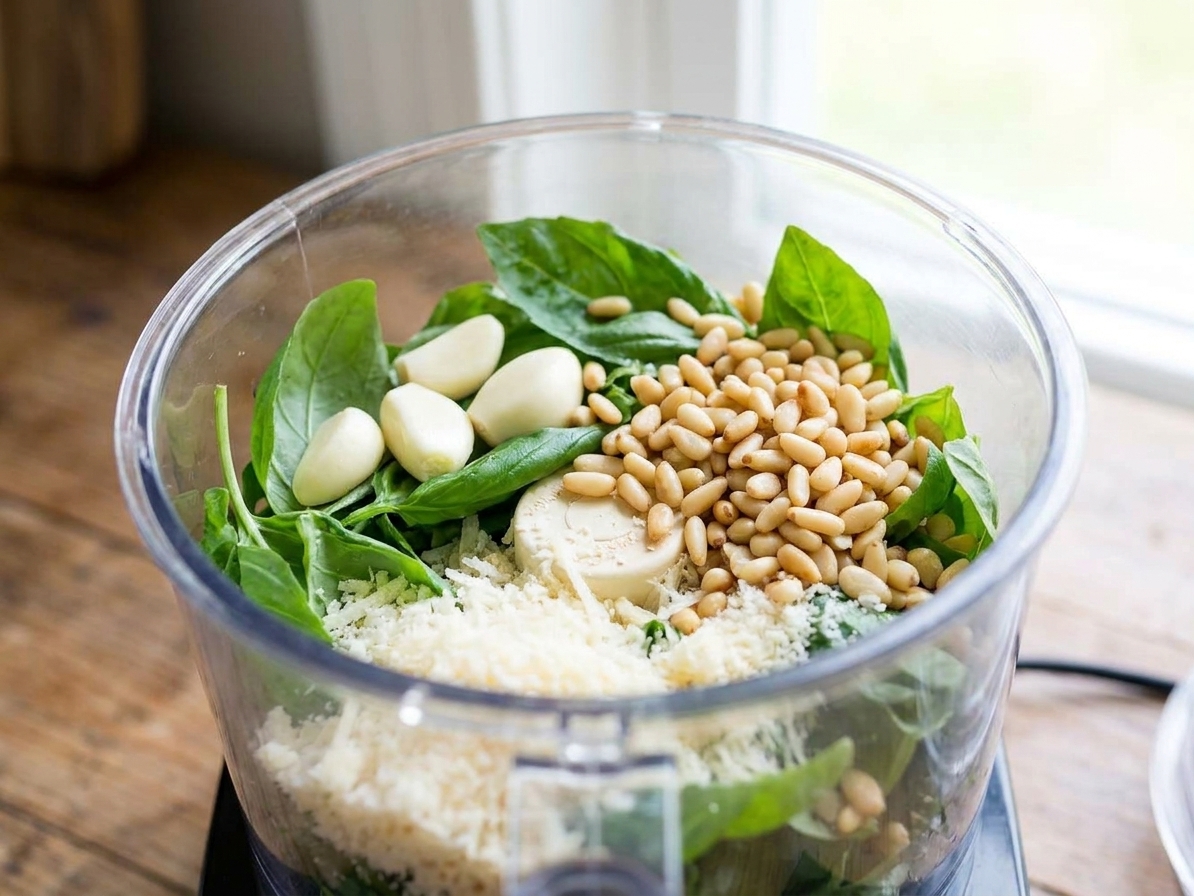
- Toast the pine nuts (optional, 3 minutes): Warm a dry skillet over medium heat. Add pine nuts and shake often until fragrant and lightly golden. Cool for a minute. This deepens flavor fast.
- Pulse the base: In a food processor, pulse garlic and pine nuts 8 to 10 times until finely chopped. Scrape down the bowl.
- Add basil and cheese: Add basil, Parmesan, salt, and pepper. Pulse until the basil looks finely chopped, like confetti. Scrape down again.
- Stream in oil: With the machine running, drizzle in olive oil until it turns into a loose paste. Stop and taste.
- Balance: Add lemon juice if using. Adjust salt and pepper. If it tastes heavy, add a little more lemon or a splash more oil. If it tastes sharp (often garlic or lemon), add a bit more oil or basil, or soften it with another spoonful of Parmesan or a few more nuts.
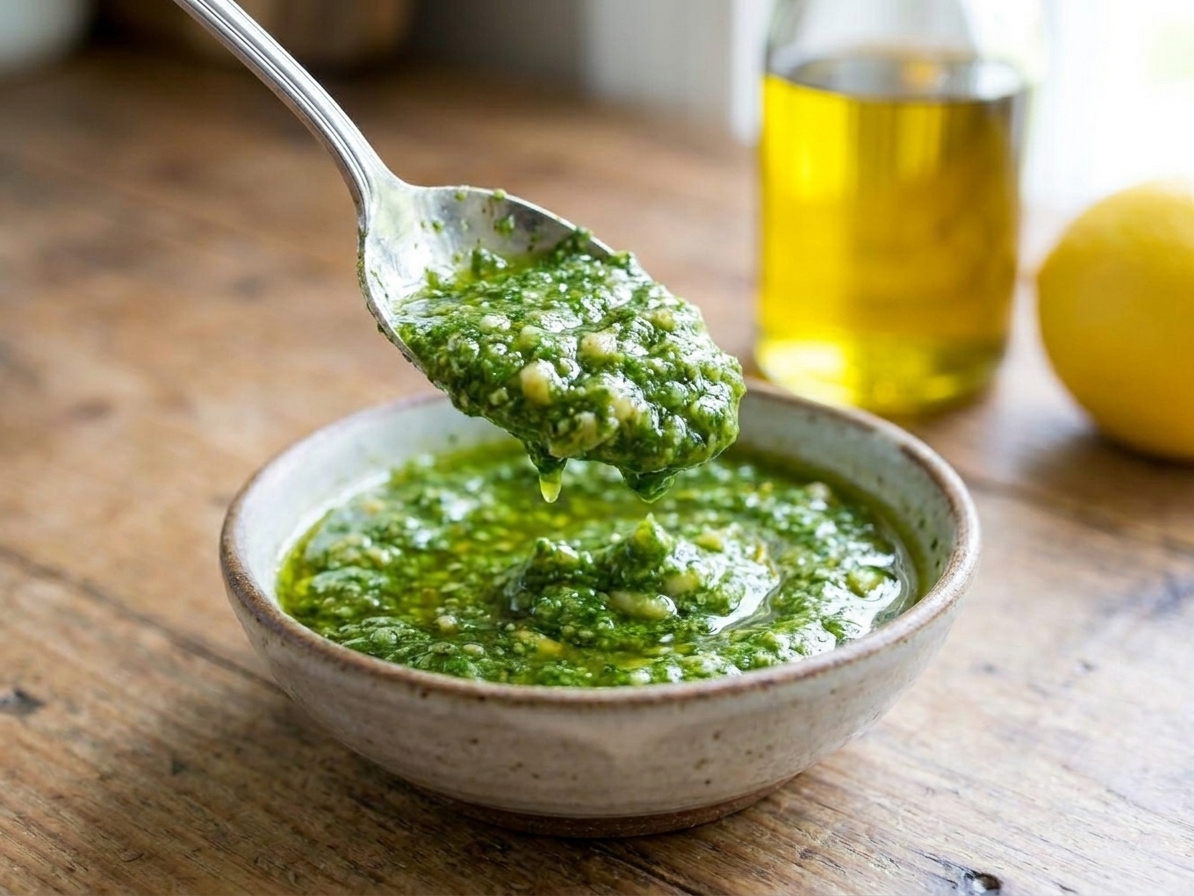
Texture cue: Weeknight pesto should be spoonable and glossy, not stiff. It will thicken in the fridge, so err slightly looser than you think.
Blender notes
- Stop and scrape often. A blender likes to trap basil on the sides.
- Add oil gradually. Start with a little less, then drizzle more as needed to keep things moving.
- Avoid over-blending. Short bursts keep the basil brighter and the flavor fresher.
- If it stalls: Add a splash more oil, then pulse again.
Mortar and pestle method
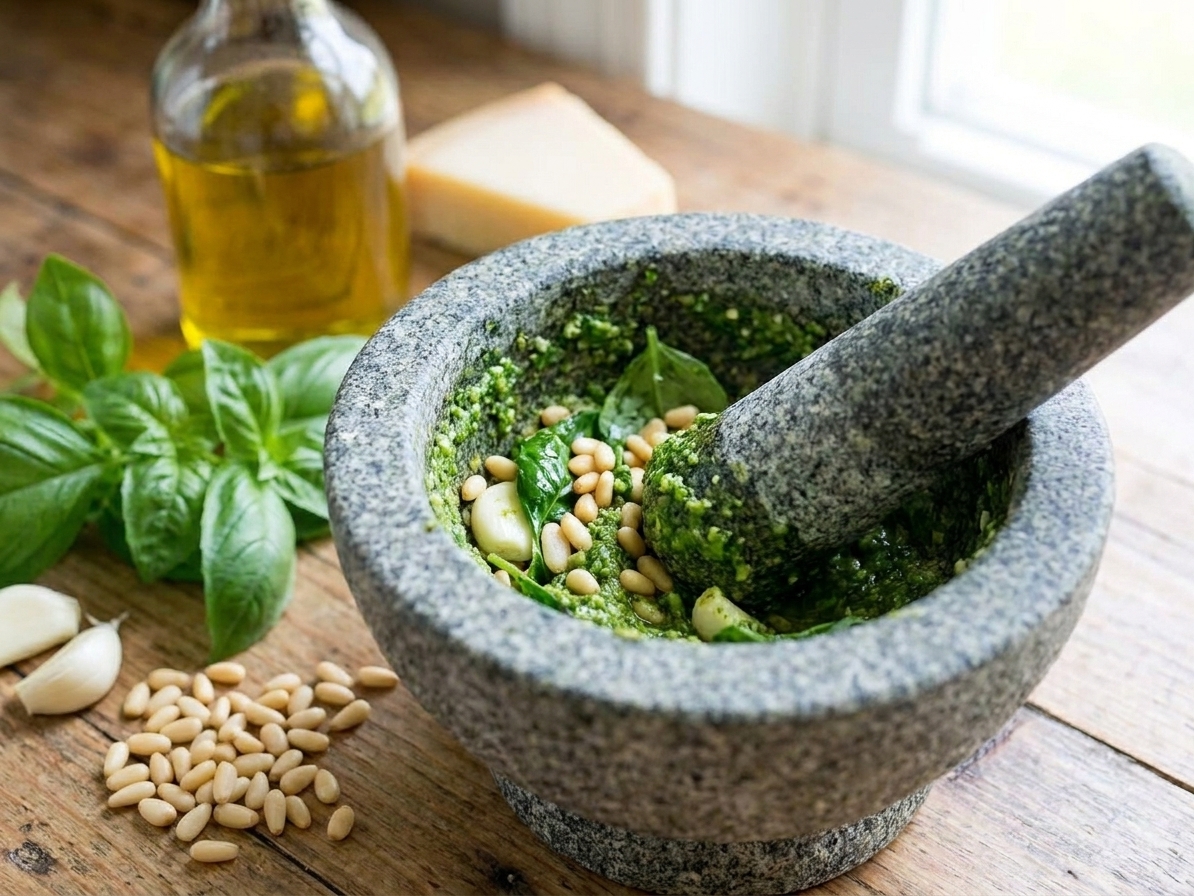
If you have 5 extra minutes and want pesto with a silkier, more aromatic bite, use a mortar and pestle.
- Pound garlic with a pinch of salt into a paste.
- Add pine nuts and pound until creamy.
- Add basil a handful at a time, crushing and grinding until it becomes a vivid paste.
- Stir in Parmesan.
- Drizzle in olive oil until it is glossy and spoonable. Finish with pepper and lemon to taste.
Smart swaps
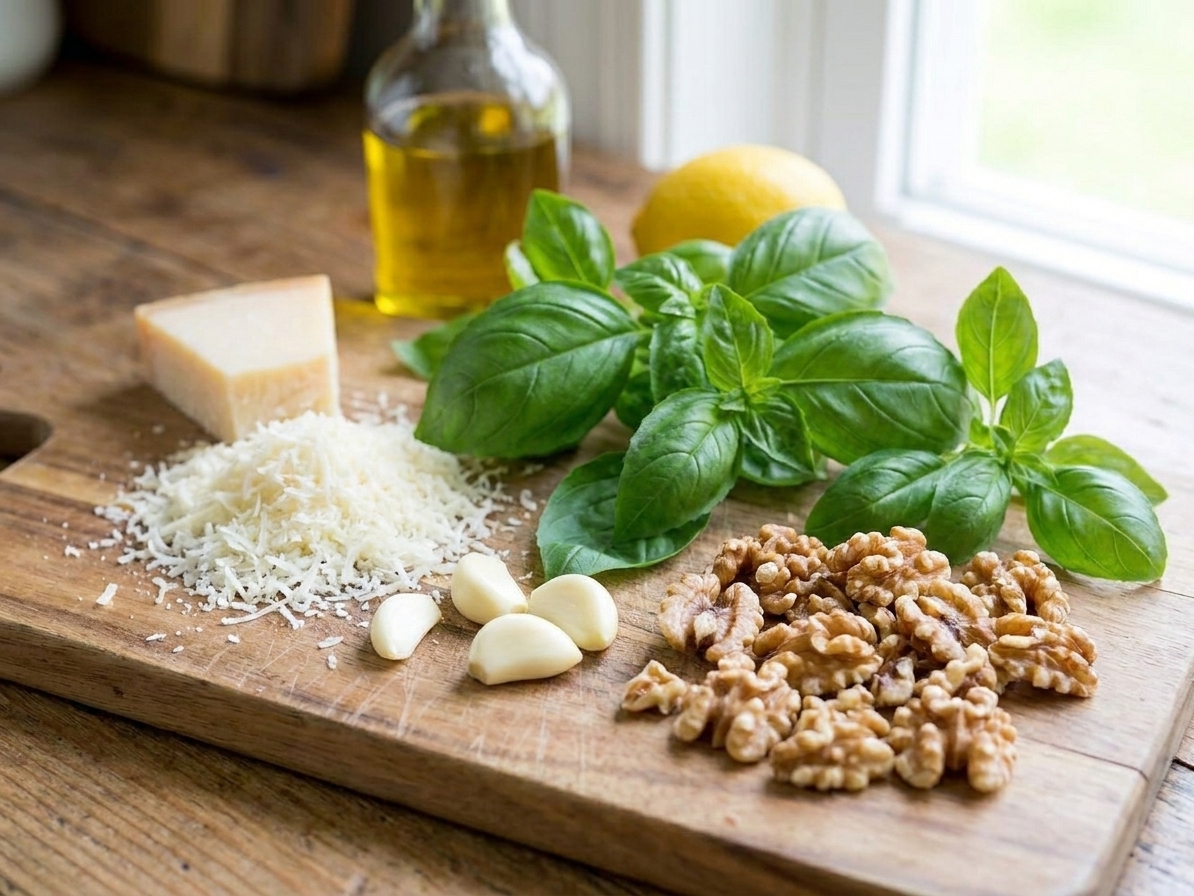
- No pine nuts: Walnuts (earthy), almonds (clean), pistachios (sweet). Toast any of them for better flavor.
- Nut-free: Use sunflower seeds or pepitas. Same method, same weeknight ease.
- No Parmesan: Pecorino Romano (saltier, punchier). Use a little less and add to taste.
- Dairy-free: Use a vegan Parmesan, or swap in 3 to 5 tablespoons nutritional yeast and add salt to taste.
- No basil: Baby spinach plus basil (half and half) stretches a small bunch and reduces waste. It tastes milder but still bright.
My salt note: Different cheeses vary wildly in saltiness. Always add salt in two steps: a little early, then finish after tasting.
How to keep pesto green
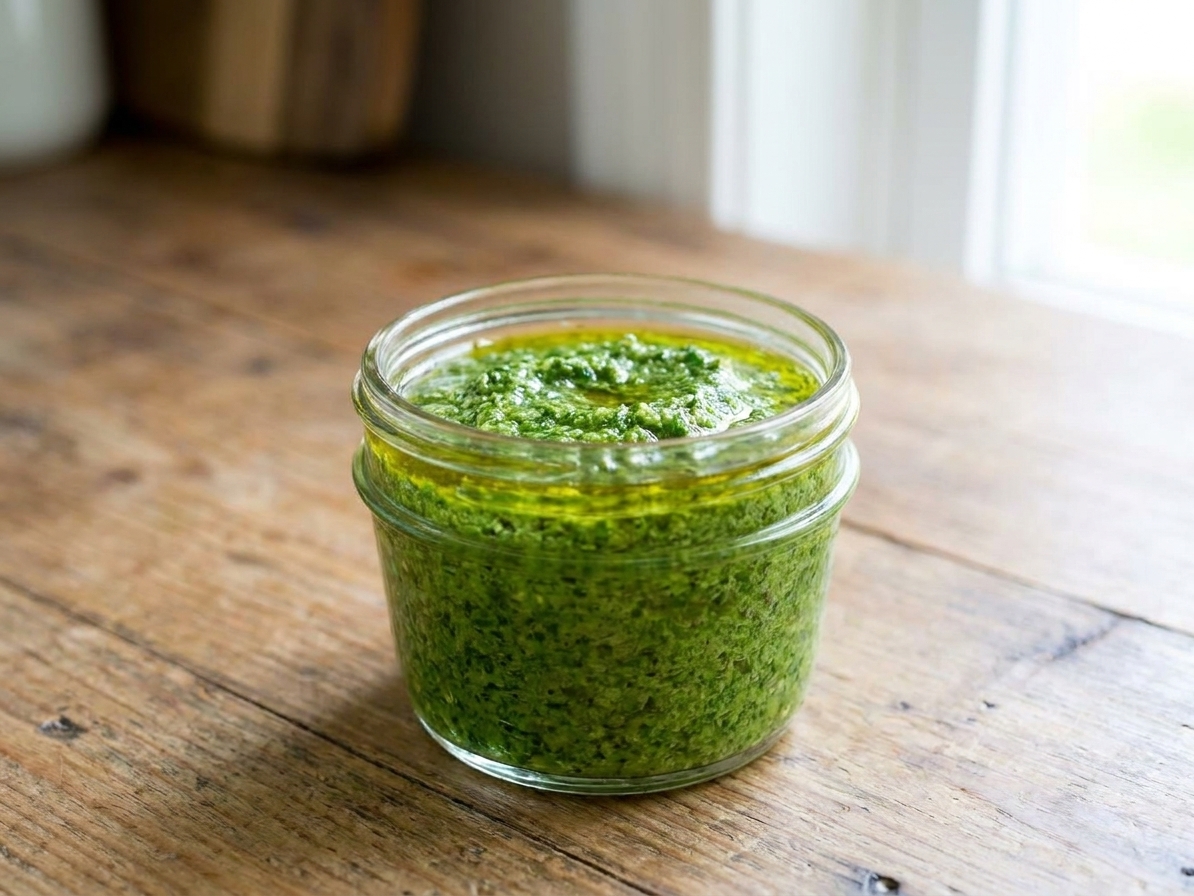
- Cover the surface with oil: Once stored, smooth the pesto and pour a thin layer of olive oil over the top to limit air contact.
- Add a bit of lemon: Acid can help slow browning and keeps flavor lively.
- Use dry basil: Water can encourage faster discoloration and a slightly muddy taste.
- Do not over-blend: Heat from extended blending can darken herbs. Pulse, scrape, pulse.
How to use pesto
- Pesto pasta: Toss hot pasta with pesto plus a splash of pasta water. Finish with Parmesan and lemon zest.
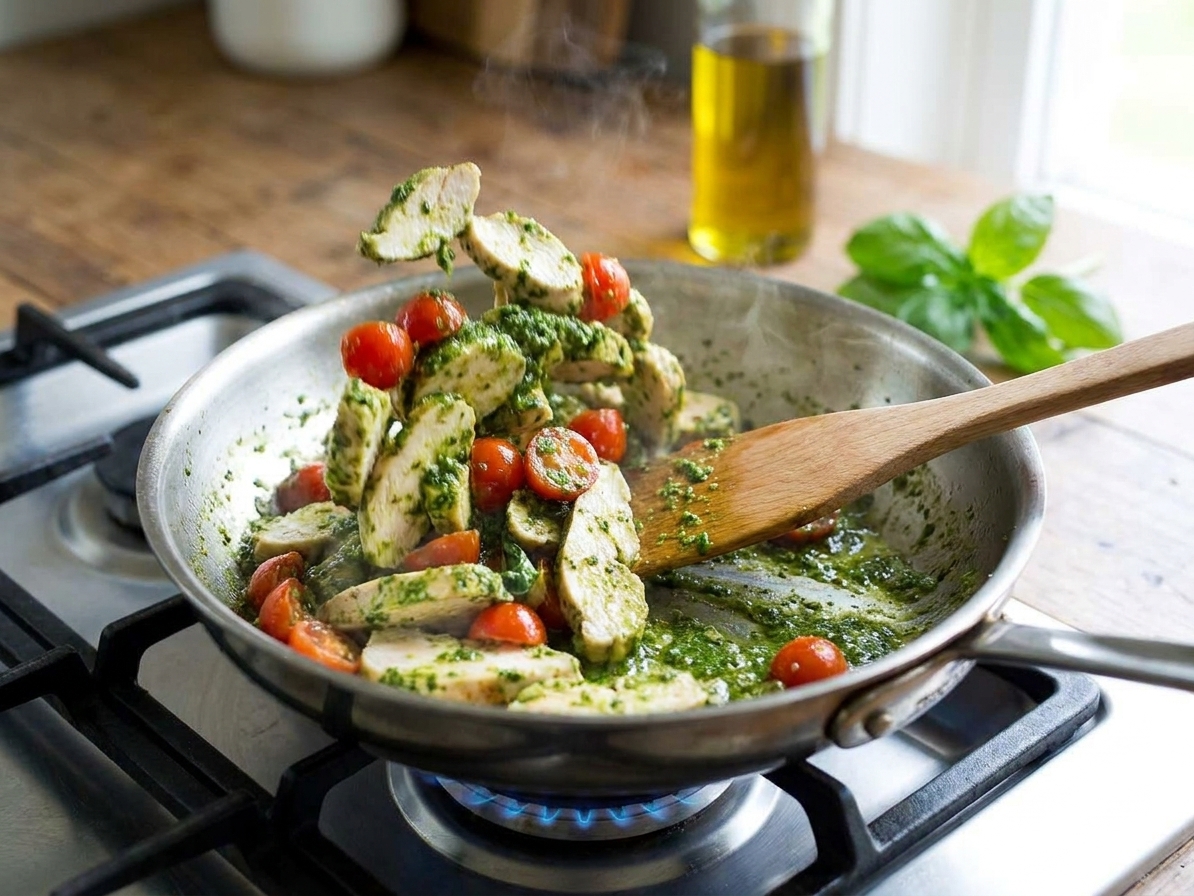
- Sheet pan dinner upgrade: Roast vegetables and chicken or salmon. Spoon pesto on after cooking for maximum fresh flavor.
- Sandwich spread: Use instead of mayo on turkey, mozzarella, or roasted veggie sandwiches.
- Eggs: Swirl into scrambled eggs or dollop on fried eggs with toast.
- Soup shortcut: Stir a spoonful into minestrone, tomato soup, or chicken noodle right before serving.
Quick portion guide: For pasta, plan on 2 to 3 tablespoons pesto per serving, then loosen with pasta water as needed.
Storage and freezing
- Fridge: Store in a jar or airtight container, press plastic wrap directly on the surface, then add a thin oil layer. Refrigerate promptly and use clean utensils. Best within 3 to 5 days.
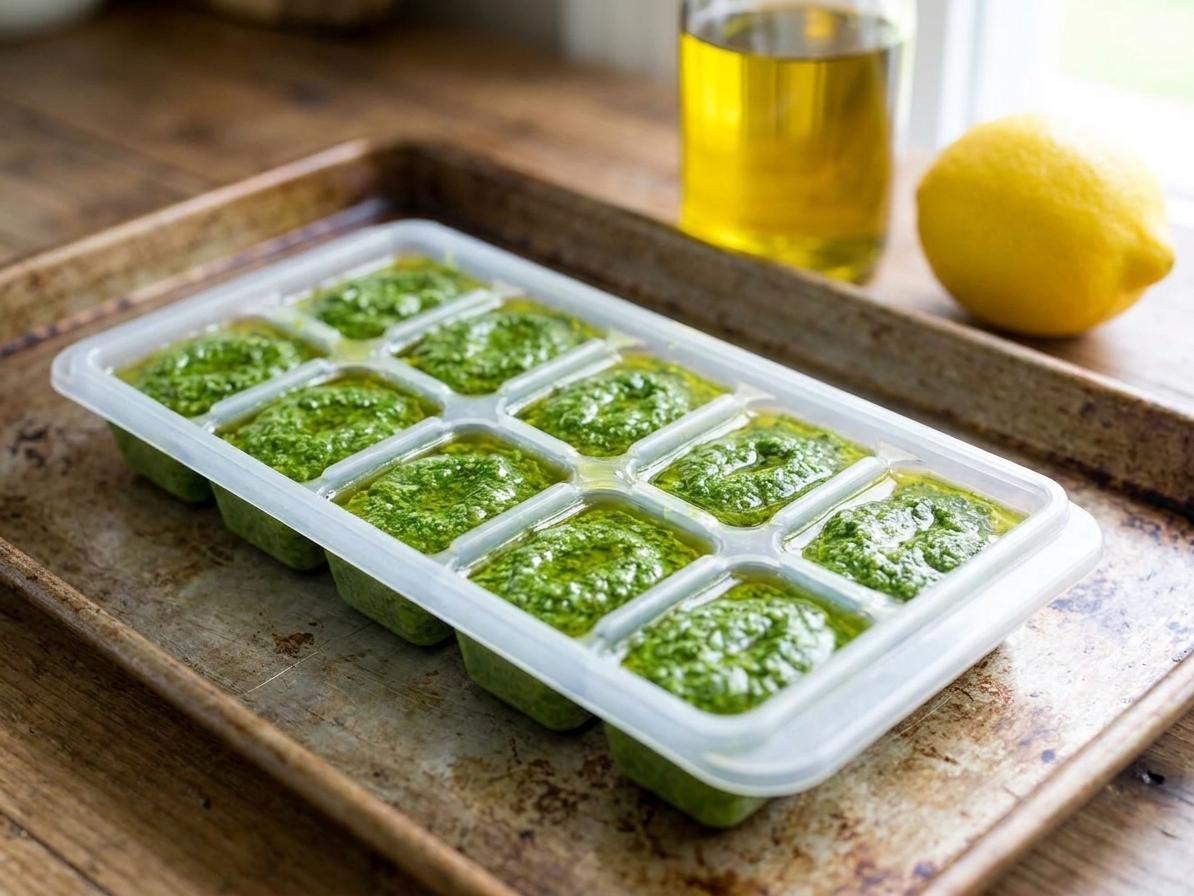
- Freezer (best move): Freeze in ice cube trays, then pop cubes into a freezer bag. Use within 3 months for best flavor.
- Freeze without cheese (optional): If you want the freshest flavor, freeze the basil, nuts, garlic, and oil mixture, then stir in Parmesan after thawing.
How to use up sad basil: If basil is slightly wilted but not slimy, pesto is perfect. Trim any black ends, use the leaves, and taste as you go because older basil can be more peppery.
Troubleshooting
- My pesto tastes bitter. Basil can turn bitter if over-processed or if the leaves are older. Pulse gently, add a squeeze of lemon, and consider extra Parmesan to round it out. As a last resort, a tiny pinch of sugar can help if the bitterness is really stubborn.
- My pesto is too thick. Add more olive oil or, if using for pasta, thin with hot pasta water.
- My pesto is too salty. Add more basil or nuts, or stir it into something unsalted like plain yogurt for a quick dip.
- It tastes flat. Add salt first, then acid. A tiny extra pinch of salt plus 1 teaspoon lemon juice often fixes it.
Weeknight Basil Pesto Recipe
Yield and timing
- Makes: about 1 cup (a little more or less depending on how tightly you pack basil and how finely you grate the cheese)
- Time: 10 minutes (plus 3 minutes if toasting nuts)
Ingredients
- 2 packed cups fresh basil leaves
- 1 to 2 garlic cloves
- 1/3 cup pine nuts (toasted if you have time)
- 1/2 cup finely grated Parmesan
- 1/2 cup extra-virgin olive oil, plus more as needed
- 1/2 teaspoon kosher salt, plus more to taste
- Freshly ground black pepper
- 1 to 2 teaspoons lemon juice (optional but recommended)
Instructions
- Optional: toast pine nuts in a dry skillet over medium heat until lightly golden and fragrant. Cool briefly.
- In a food processor, pulse garlic and pine nuts until finely chopped. Scrape down the bowl.
- Add basil, Parmesan, salt, and pepper. Pulse until finely chopped.
- With the machine running, slowly drizzle in olive oil until glossy and spoonable.
- Taste and adjust with more salt, pepper, and lemon juice. If needed, add a splash more oil to reach your preferred consistency.
To serve with pasta
Before draining, reserve a mug of pasta water. Toss 8 ounces hot pasta with 1/3 to 1/2 cup pesto and a splash of hot pasta water until it coats every noodle. If you are tossing in a warm pan, take it off the heat first so the basil stays bright. Finish with more Parmesan and a squeeze of lemon.
FAQ
Can I make pesto without a food processor?
Yes. A mortar and pestle makes incredible pesto. You can also use a knife to mince garlic and nuts, then chop basil very finely and stir everything together with oil and cheese. It will be chunkier, but still delicious.
Can I use pre-grated Parmesan?
You can, but it often contains anti-caking agents that can make pesto slightly gritty. If you have a wedge, grate it finely. The difference is noticeable in a simple sauce like this.
Why did my pesto turn dark?
Oxidation and heat. Minimize air exposure, avoid over-blending, use dry basil, and store with a thin layer of oil on top.
Is pesto supposed to be raw?
Classic basil pesto is not cooked. For pasta, the heat from the noodles warms it gently. If you simmer pesto hard, it can dull the basil flavor and darken the color.