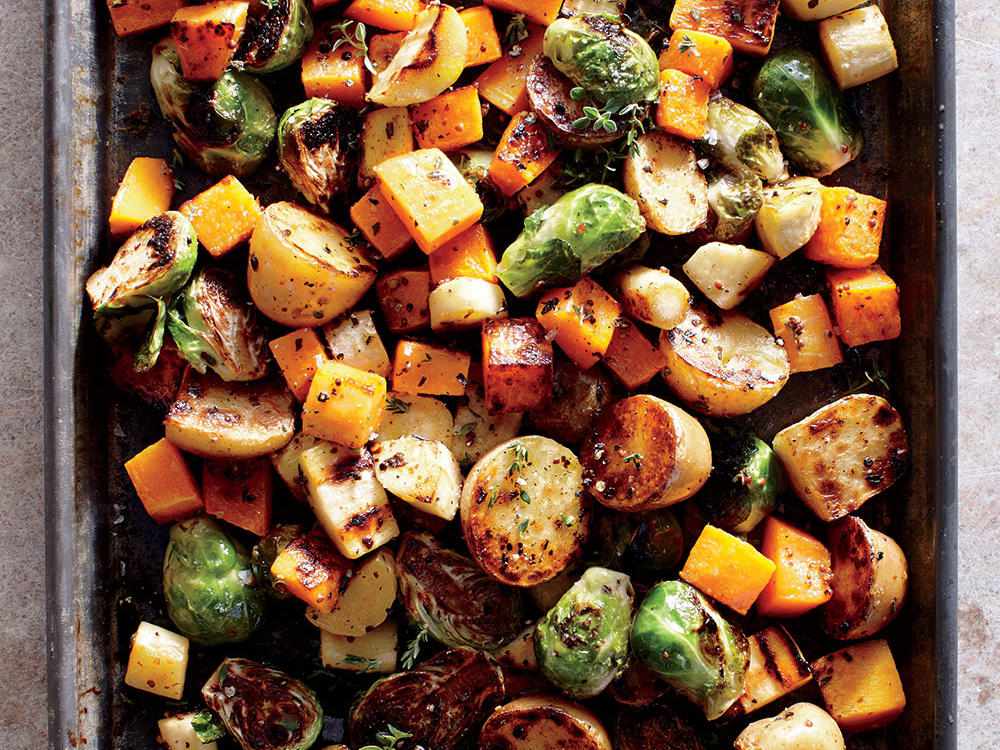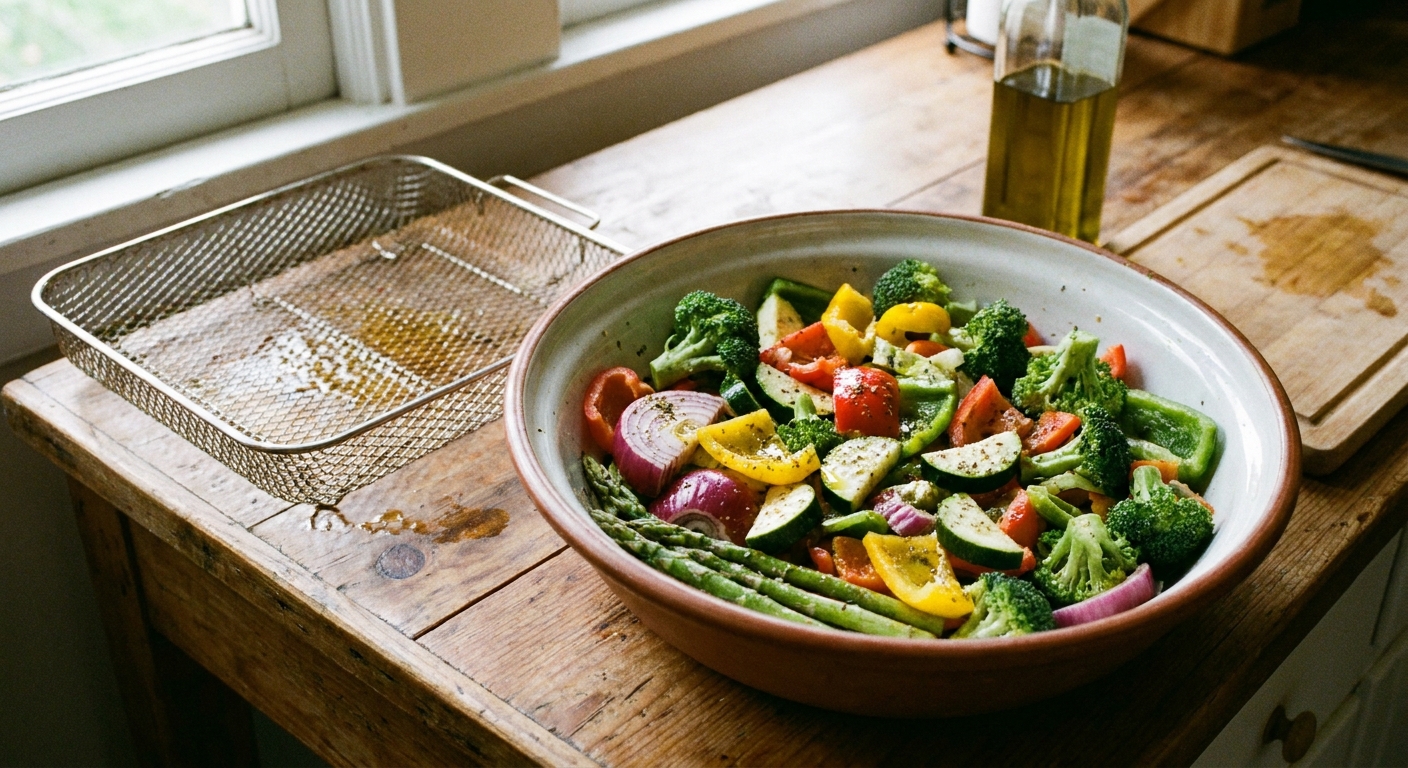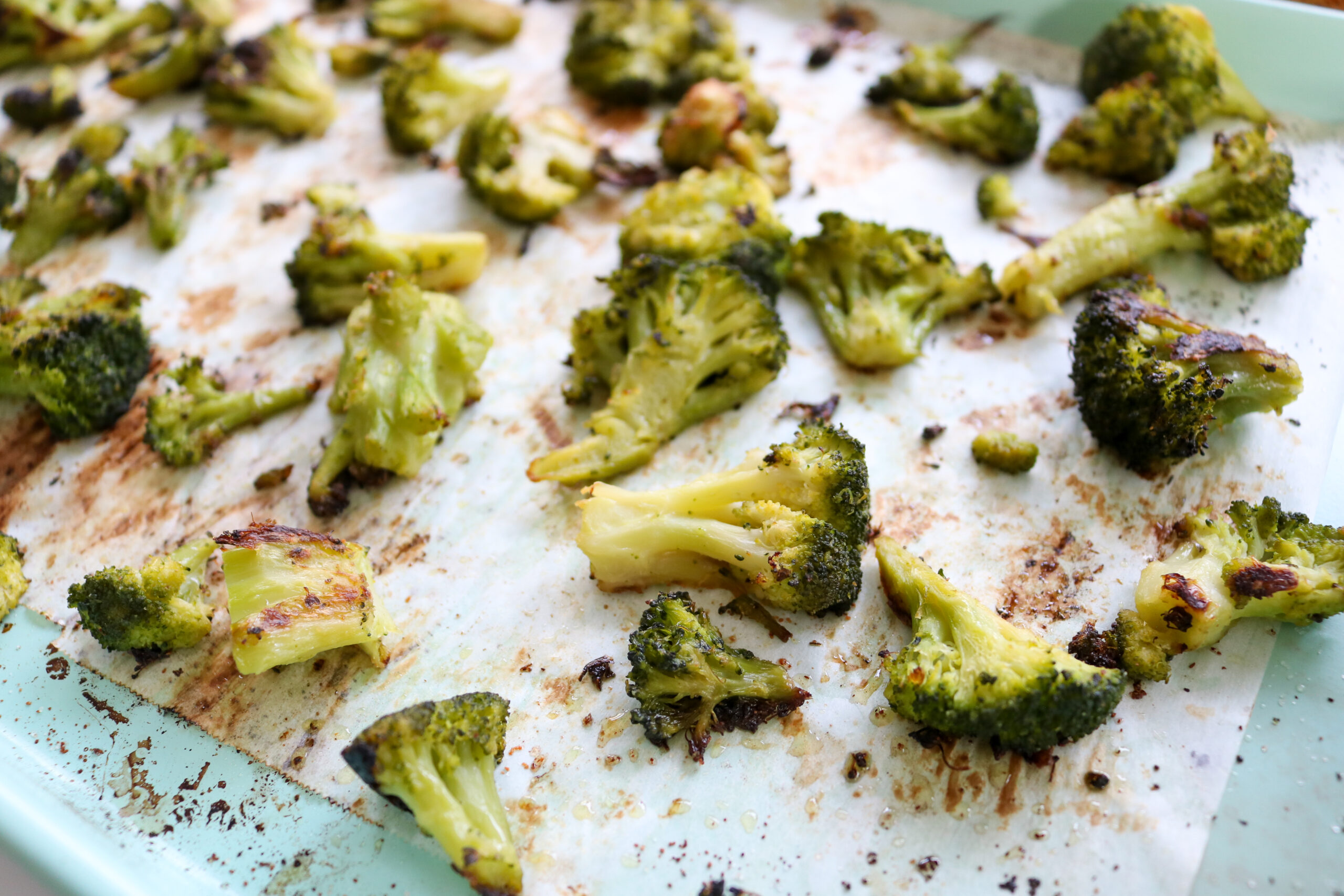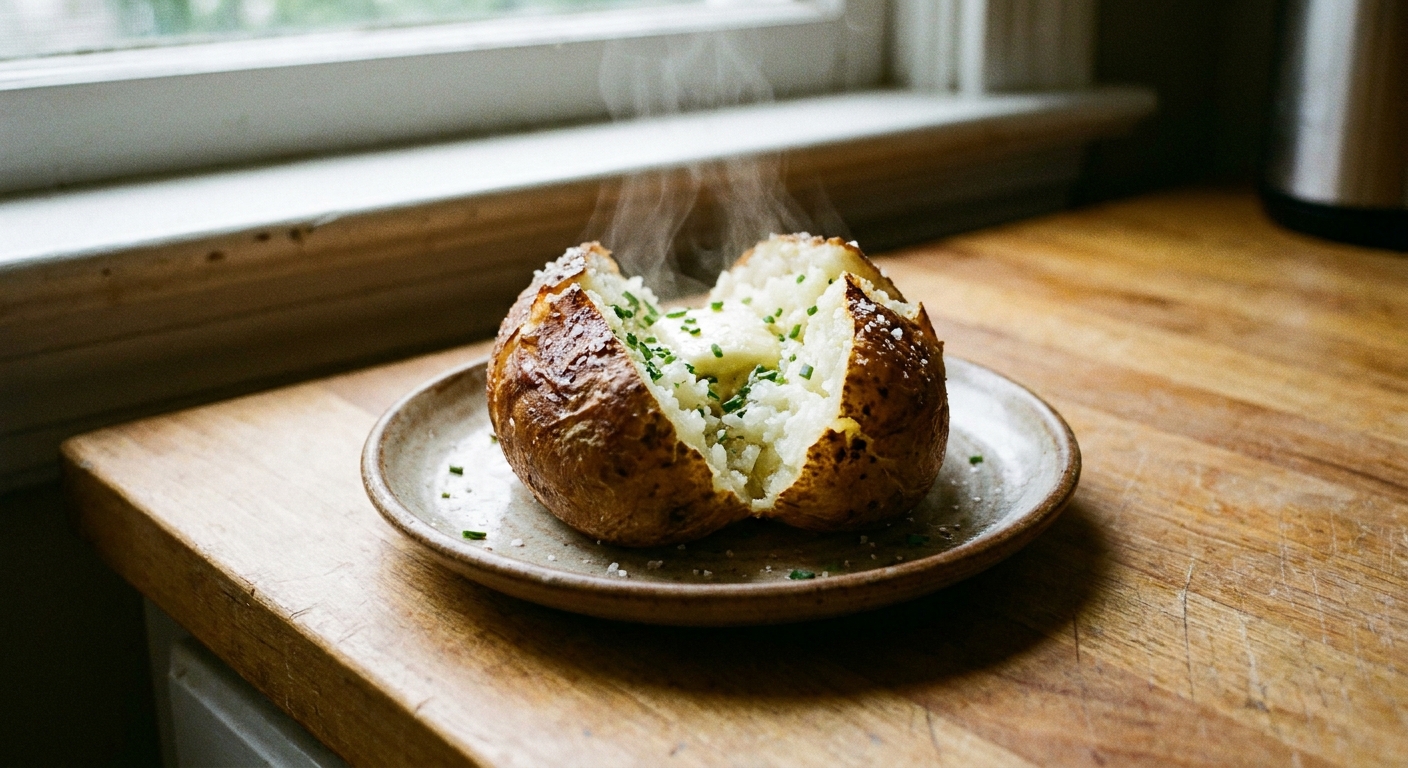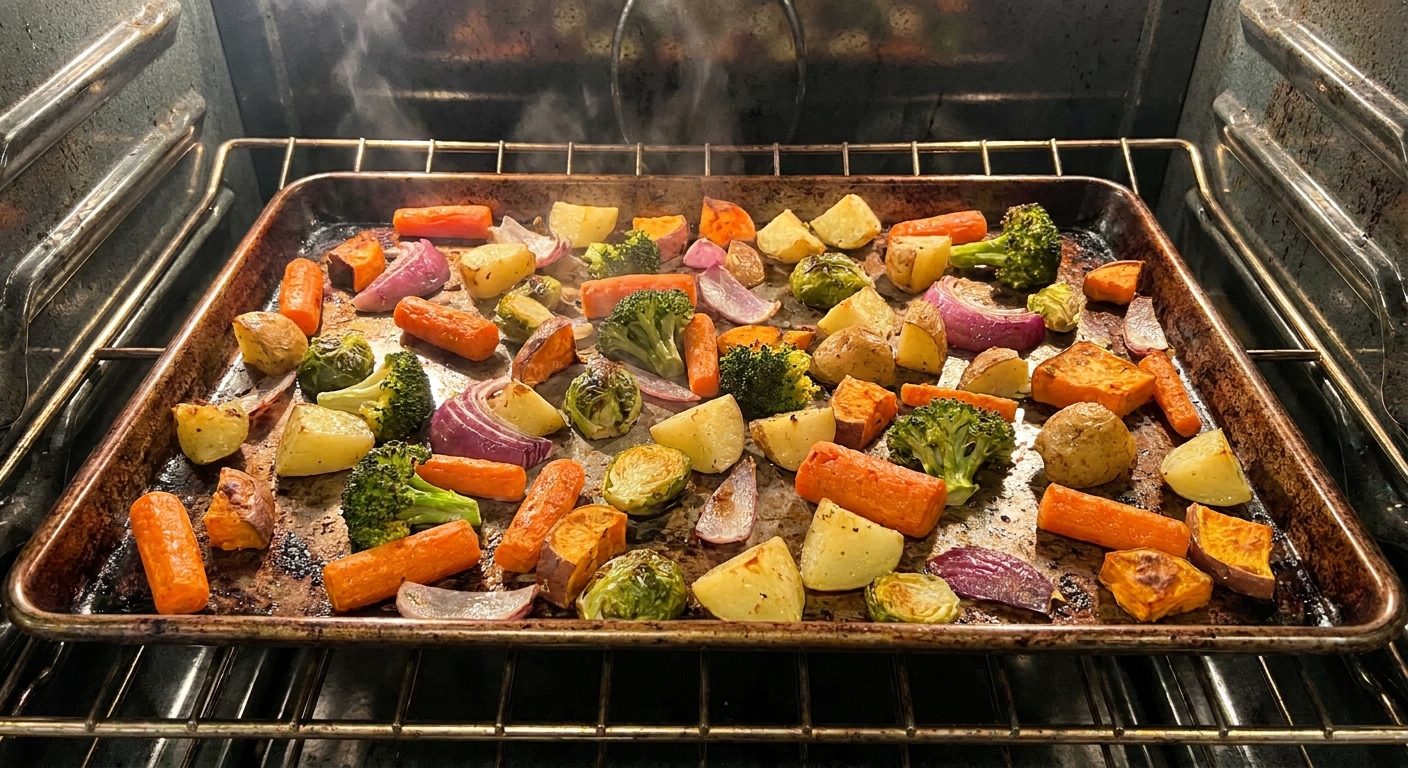

Leftover roasted vegetables have one job: taste like they were made on purpose, not like a sad, steamed afterthought. The good news is you can absolutely get that crisp, caramelized edge back. The trick is simple: dry heat, enough space, and a hot surface.

Why roasted vegetables go soft
Crispy roast vegetables are crispy because their surface dries out and browns in high heat. After they cool and sit, two things happen:
- Moisture migrates from the center of the vegetable to the surface.
- Condensation forms in the container, especially if you put them away while still warm.
So by the next day, the outside is damp. To re-crisp, you need to evaporate that surface moisture quickly, then give the vegetables enough heat to brown again.
Why microwaves turn them soft
Microwaves heat food by exciting polar molecules, especially water, which warms the inside quickly. The downside is that reheating this way creates a steamy environment around the vegetables, and microwaves do not do much to dry and brown the surface. Translation: hot, yes. Crisp, no.
If you must microwave (we have all been there), do it just to take the chill off, then finish with dry heat: a quick skillet toss, a few minutes in the air fryer, or a blast in the oven.
Best method: Oven
If you have more than one serving, the oven gives you the most even results. These times assume the vegetables are already cooked and cold from the fridge.
Temperature and timing
- 425°F is my sweet spot for most vegetables.
- 8 to 15 minutes, depending on size and how crowded the pan is.
- Convection: If you use convection, start checking 2 to 3 minutes earlier.
Step-by-step (crispy, not dry)
- Preheat the oven to 425°F. Give it time to fully heat.
- Optional upgrade: preheat the sheet pan. Slide the empty pan into the oven while it heats. A hot pan helps the vegetables sizzle right away.
- Use a sheet pan, not a high-sided dish. The goal is airflow and evaporation. Deeper dishes and crowding trap steam.
- Spread vegetables in a single layer. Leave little gaps so moisture can escape.
- Cut any big pieces smaller. If some chunks are much larger than the rest, they will warm slowly while the small pieces overcook.
- Add a tiny splash of oil only if they look dry. About 1 teaspoon per sheet pan. Toss to coat lightly.
- Reheat 8 minutes, then stir and keep going. Check every 2 to 3 minutes after the stir. You are looking for dry surfaces, browned spots, and that faint sizzling sound.
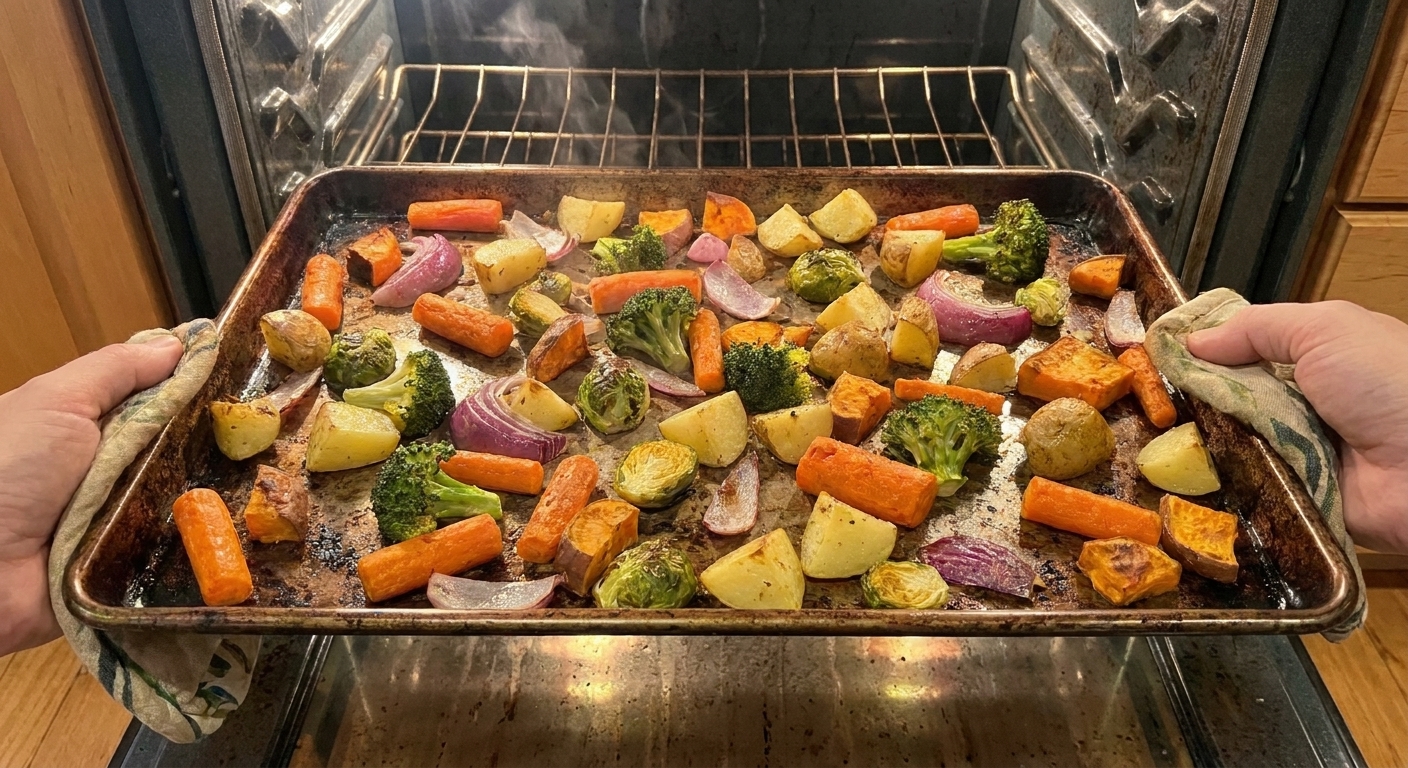
Fastest crisp: Air fryer
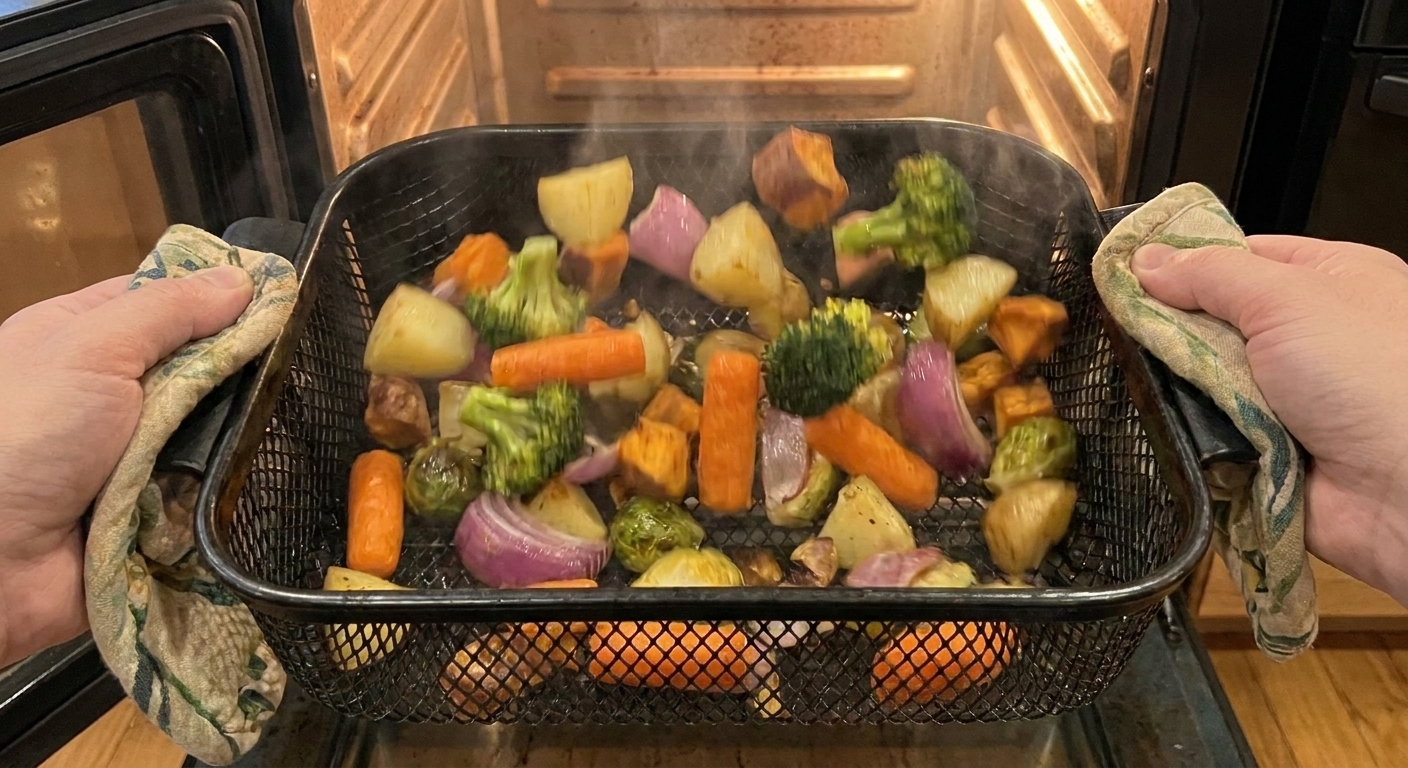
An air fryer is basically a tiny convection oven that excels at drying the surface quickly. Perfect for smaller portions. These times assume cold, cooked leftovers.
Temperature and timing
- 375°F to 400°F
- 3 to 7 minutes
Step-by-step
- Preheat the air fryer for 2 to 3 minutes if your model benefits from it.
- Add vegetables in a single layer. If you pile them up, they steam.
- Air fry at 390°F for 4 minutes, then shake the basket.
- Keep going 1 to 3 minutes until hot throughout and crisp at the edges.
Maya tip: If your vegetables were tossed in a sugary glaze (think balsamic reduction or maple), use 375°F to reduce scorching, and expect a slightly stickier, less crisp finish.
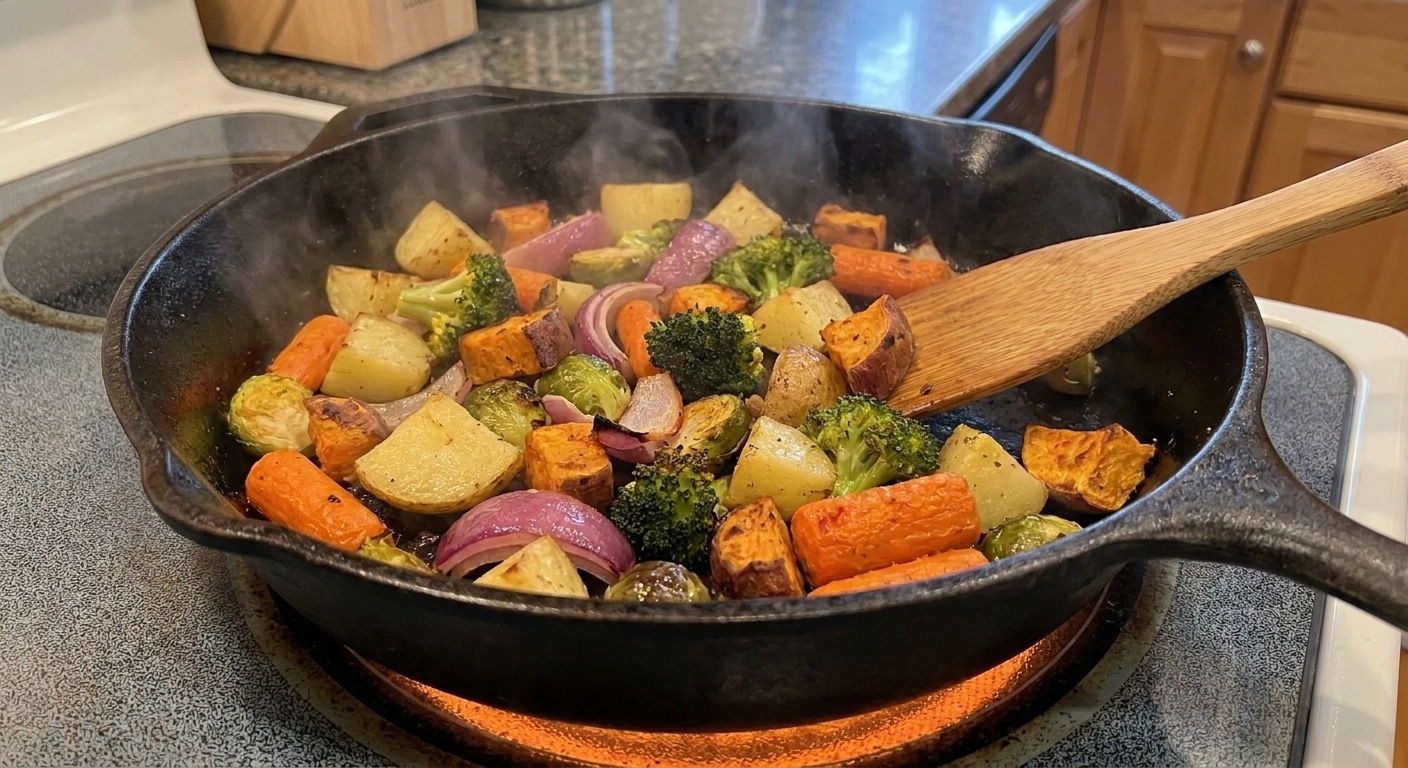
Best for one serving: Skillet
If you only have a single serving, a skillet is my favorite. You get direct contact with hot metal, which means actual re-browning. These times assume cold leftovers.
Temperature and timing
- Medium-high heat
- 5 to 10 minutes
Step-by-step
- Choose a wide skillet (cast iron is great, nonstick is fine too).
- Heat the pan dry for 1 to 2 minutes. You want it properly hot.
- Add 1 to 2 teaspoons oil only if the pan is dry and your vegetables look lean (like broccoli or cauliflower). If they already have a visible oil coating from roasting, you can usually skip it.
- Add vegetables in a single layer. Do not stir constantly.
- Let them sit 2 to 3 minutes to re-crisp, then flip and repeat.
- Finish with salt and acid. A tiny squeeze of lemon or a splash of vinegar wakes up leftovers instantly.
Timing by vegetable
Exact time depends on how big your pieces are, how wet the vegetables are, and how crowded your pan is. Use this as a starting point, then trust your eyes and ears.
- Cruciferous (broccoli, cauliflower, Brussels sprouts): Oven 10 to 14 min at 425°F, air fryer 5 to 7 min at 390°F, skillet 6 to 9 min.
- Root vegetables (potatoes, sweet potatoes, carrots, parsnips, beets): Oven 12 to 18 min at 425°F, air fryer 6 to 9 min at 390°F, skillet 8 to 12 min.
- Watery vegetables (zucchini, summer squash, mushrooms, eggplant, peppers, onions): Oven 8 to 12 min at 425°F, air fryer 4 to 7 min at 375°F to 390°F, skillet 5 to 8 min.
- Delicate (asparagus, green beans): Oven 6 to 10 min at 425°F, air fryer 3 to 5 min at 375°F to 390°F, skillet 4 to 6 min.
Doneness cues: You want to hear faint sizzling, see dry surfaces with browned spots, and feel resistance when you bite (not mush).
Keep them from drying out
Re-crisping is a balancing act: dry the surface, but do not overcook the inside. These tricks help:
- Do not reheat at low temperature. Low heat takes longer, which dries the interior before the outside crisps.
- Reheat in a single layer. Crowding is the fastest path to steamed vegetables.
- Add sauce after reheating. If you toss leftovers with vinaigrette or tahini first, you are basically locking in sogginess.
- Finish with acid and salt. Lemon, vinegar, pickle brine, or a pinch of flaky salt makes leftovers taste newly cooked.
Storage and food safety
In general, cooked roasted vegetables keep well, but texture is best early. I stick to this simple rule:
- Refrigerator: 3 to 5 days in an airtight container.
- Best texture window: 1 to 3 days. After that, they are still usable, but softer.
For food safety, cool leftovers promptly and get them into the fridge within about 2 hours. When reheating, aim for vegetables that are hot throughout.
If your vegetables include quick-spoiling add-ins (like cooked meats mixed in, or a creamy sauce), use the shorter end of that range.
Store them so they reheat crispier
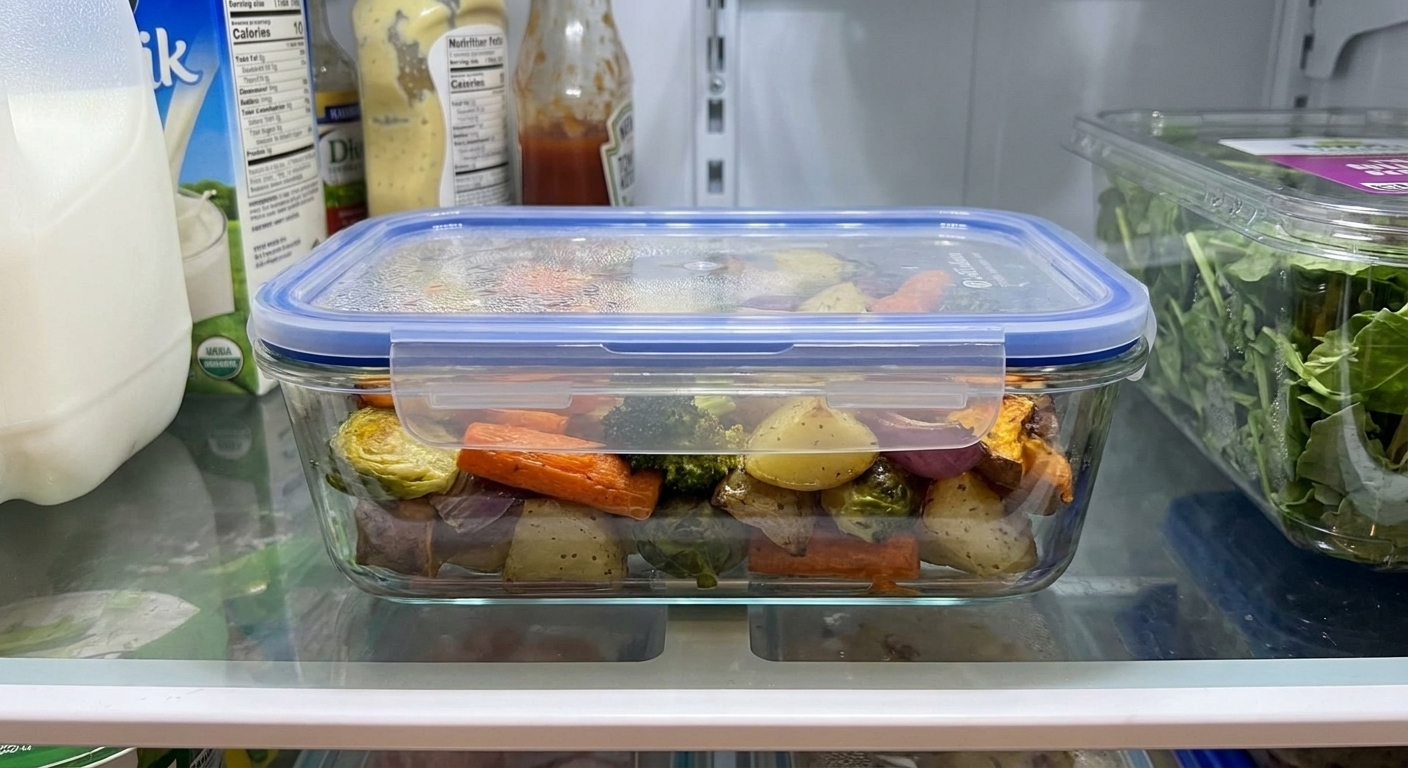
- Cool completely before sealing the container. This reduces condensation.
- Line the container with a paper towel if the vegetables are especially moist (mushrooms, zucchini). Replace if it gets damp.
- Store in a shallow container so they cool quickly and evenly.
Freezing roasted vegetables
You can, but the texture changes. Freezing ruptures cell walls, so many vegetables thaw softer. That said, frozen roasted vegetables are still great for soups, frittatas, grain bowls, and blended sauces.
- Freeze: Cool completely, spread on a sheet pan to freeze individually, then transfer to a freezer bag.
- Reheat from frozen: Oven at 425°F for 15 to 25 minutes or air fryer at 390°F for 8 to 12 minutes, shaking halfway.
Troubleshooting
They are steaming on the pan
- Use a bigger pan.
- Reheat in batches.
- Increase heat (425°F oven or medium-high skillet).
They are hot but limp
- Keep going. Crispy happens at the end once surface moisture is gone.
- Stir less. Contact with the pan matters.
They are crisping but burning
- Lower the heat slightly (400°F oven or medium heat skillet).
- Add a small drizzle of oil and toss. Dry surfaces burn faster.
- If there is sugar in the seasoning, use 375°F in the air fryer.
My weeknight move
When I am reheating a random mix of roasted vegetables, I do this: hot sheet pan, 425°F, single layer, 10-ish minutes, and I finish with lemon and a pinch of salt. That last hit of acid and salt is the difference between “leftovers” and “I would pay $14 for this at lunch.”
FAQ
Should I cover roasted vegetables?
No. Covering traps steam, and steam is what makes them soft. Reheat uncovered so moisture can evaporate.
Do I need to add oil?
Not always. Add a small amount only if the vegetables look dry or you want extra browning. Too much oil can make them feel greasy instead of crisp.
What pan is best in the oven?
A plain metal sheet pan is ideal. More airflow and more surface contact helps moisture evaporate so the vegetables can re-brown.
How do I reheat without overcooking?
Use higher heat for a shorter time, and spread them out. The goal is to dry and crisp the outside quickly without baking the inside to mush.