
Frozen vegetables are my weeknight insurance policy. They are already washed and cut, they save produce from going slimy in the crisper drawer, and they let you build a real meal even when you are running on fumes. The catch is that frozen vegetables carry their own water in the form of ice crystals. If you treat them like fresh, that ice melts, turns to steam, and you end up with vegetables that taste fine but look pale and feel soft.
The goal is not to “remove” all the moisture. The goal is to get past the steaming phase fast, then give the vegetables direct contact with a hot pan so they brown.

The quick answer: do you thaw frozen vegetables?
Most of the time, no. Thawing turns the outside wet and fragile, which can make sticking and mush more likely. Roasting from frozen keeps the pieces firm enough to handle the heat.
That said, there is an alternate path that works for some vegetables and some ovens: you can thaw, then dry very well (paper towels, salad spinner for sturdier pieces) before roasting. It is extra work, and it is easy to miss a little surface water, but it can help if you need faster cook times or more even seasoning.
The exception where I usually skip roasting altogether is when you are dealing with very watery, delicate veg (like frozen spinach) or tiny pieces (like riced cauliflower). Those are better in a skillet where you can drive off moisture aggressively.
What makes frozen vegetables go soggy
- Ice crystals melt and wet the surface, so the pan never gets a chance to sear.
- Steam builds up when the pan is crowded, essentially “boiling” the vegetables in their own vapor.
- Not enough oil can slow browning by reducing contact and heat transfer. Oil helps, but dryness, heat, and space matter most.
- Oven temp is too low, so you spend the whole cook time evaporating water instead of roasting.
Best method: roast from frozen
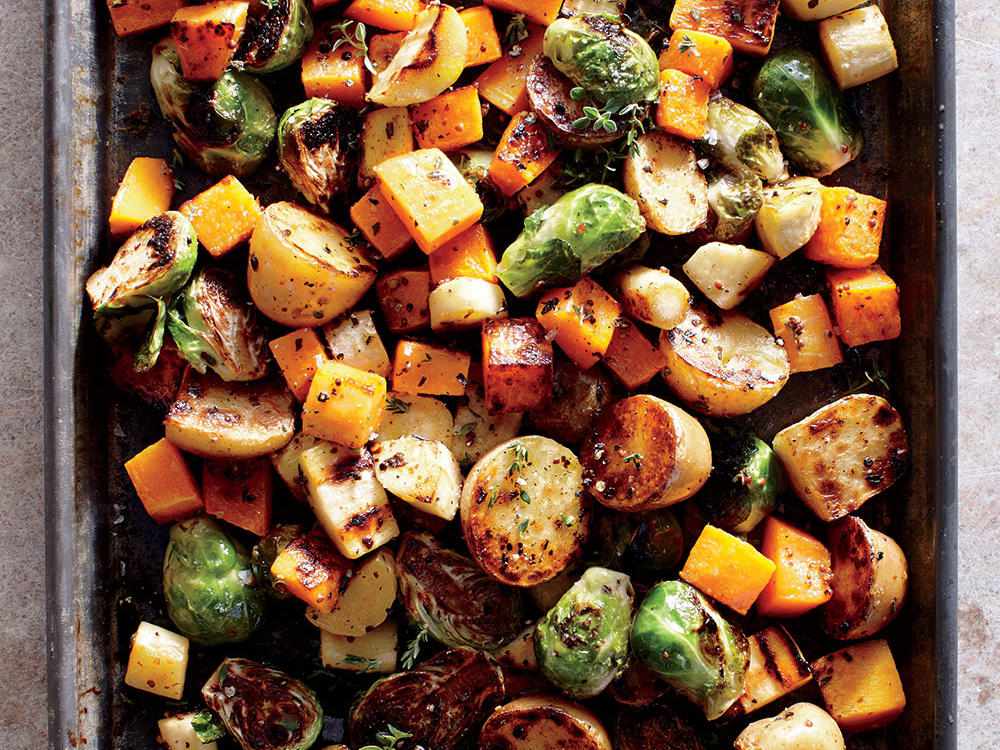
This is my go-to for broccoli, cauliflower, green beans, Brussels sprouts, corn, mixed veg blends, and most stir-fry mixes.
What you need
- Frozen vegetables (straight from the freezer)
- Neutral high-heat oil (avocado, canola, grapeseed) or olive oil
- Kosher salt
- Optional: garlic powder, smoked paprika, black pepper, dried herbs
- Rimmed sheet pan
- Parchment paper (optional, helpful for cleanup)
Step-by-step
- Preheat hot, and give it time. Set the oven to 450°F. Let it fully preheat. If your oven runs cool, go 475°F.
- Preheat the pan (the browning shortcut). Slide an empty sheet pan into the oven while it heats. A hot pan helps the vegetables start roasting sooner, which matters a lot with frozen.
- Knock off loose surface ice if needed. If your vegetables look heavily frosted, dump them into a colander and shake for 10 seconds. You are not thawing them, you are just removing loose ice that will instantly turn to steam.
- Spread on the hot pan in a single layer. Carefully pull out the hot pan. If you use parchment, lay it flat on the pan (it may darken at high heat). Pour on the vegetables and spread them out. Leave space between pieces. If you cannot see the pan in spots, use two pans.
- First roast: let steam escape. Roast 10 minutes without stirring. This phase evaporates moisture. Stirring too early coats everything in wetness again.
- Add oil and salt (the crisp-edge move). Pull the pan out, drizzle 1 to 2 tablespoons oil per pound of vegetables, then toss quickly with salt. Putting oil on after that first steam blast helps it stay on the surface instead of sliding off on melted ice.
- Second roast: brown it. Return to the oven and roast 10 to 18 minutes, stirring once halfway through, until you see deep golden spots and crisp edges. Start checking early because veggie size, pan color, and oven calibration change everything.
- Finish with acid. A squeeze of lemon, a splash of vinegar, or a quick shower of grated Parmesan makes frozen vegetables taste less “freezer aisle” and more “I meant to do this.”
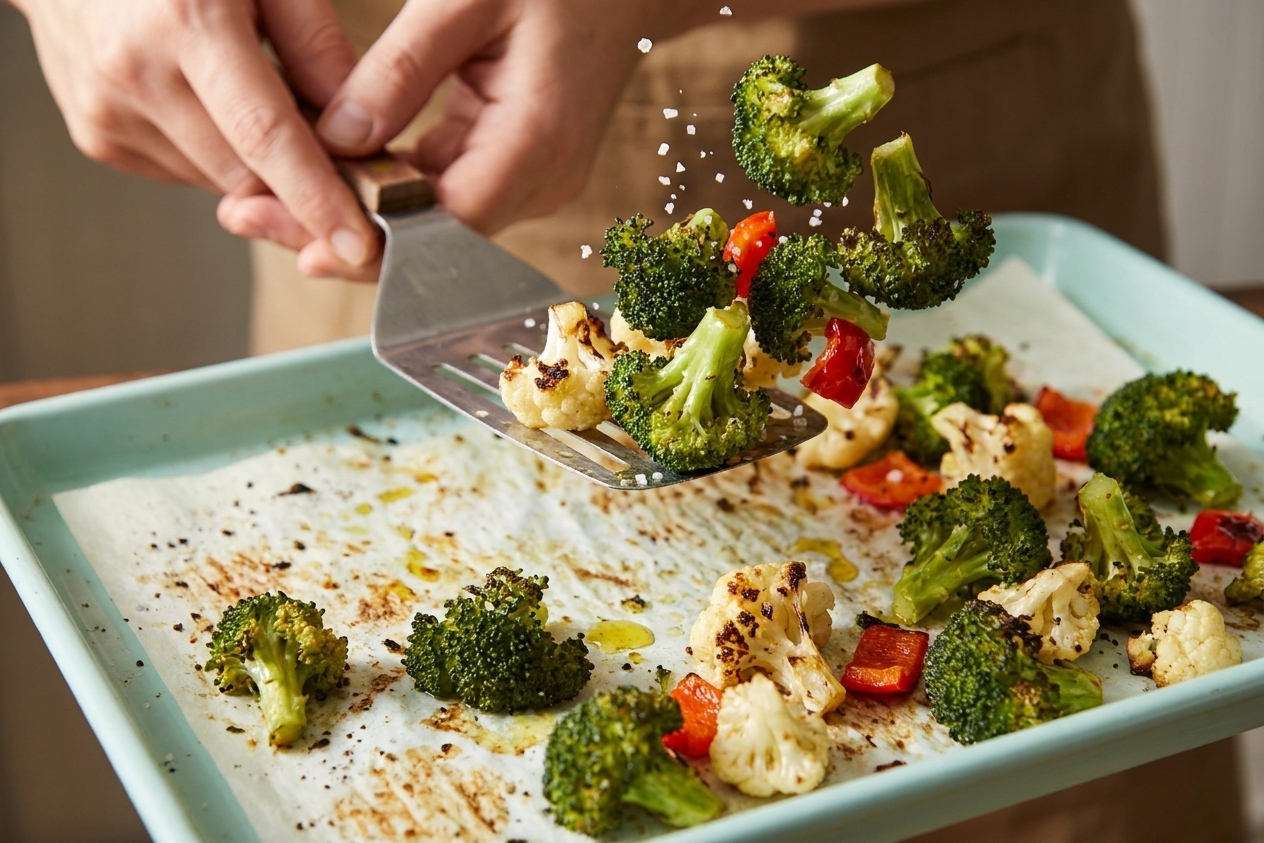
Timing guide
- Small pieces (corn, peas in a blend, diced mixes): 18 to 25 minutes total
- Medium florets (broccoli, cauliflower): 22 to 30 minutes total
- Long pieces (green beans, asparagus cuts): 20 to 28 minutes total
- Thicker vegetables (carrot coins, butternut cubes): 30 to 40 minutes total
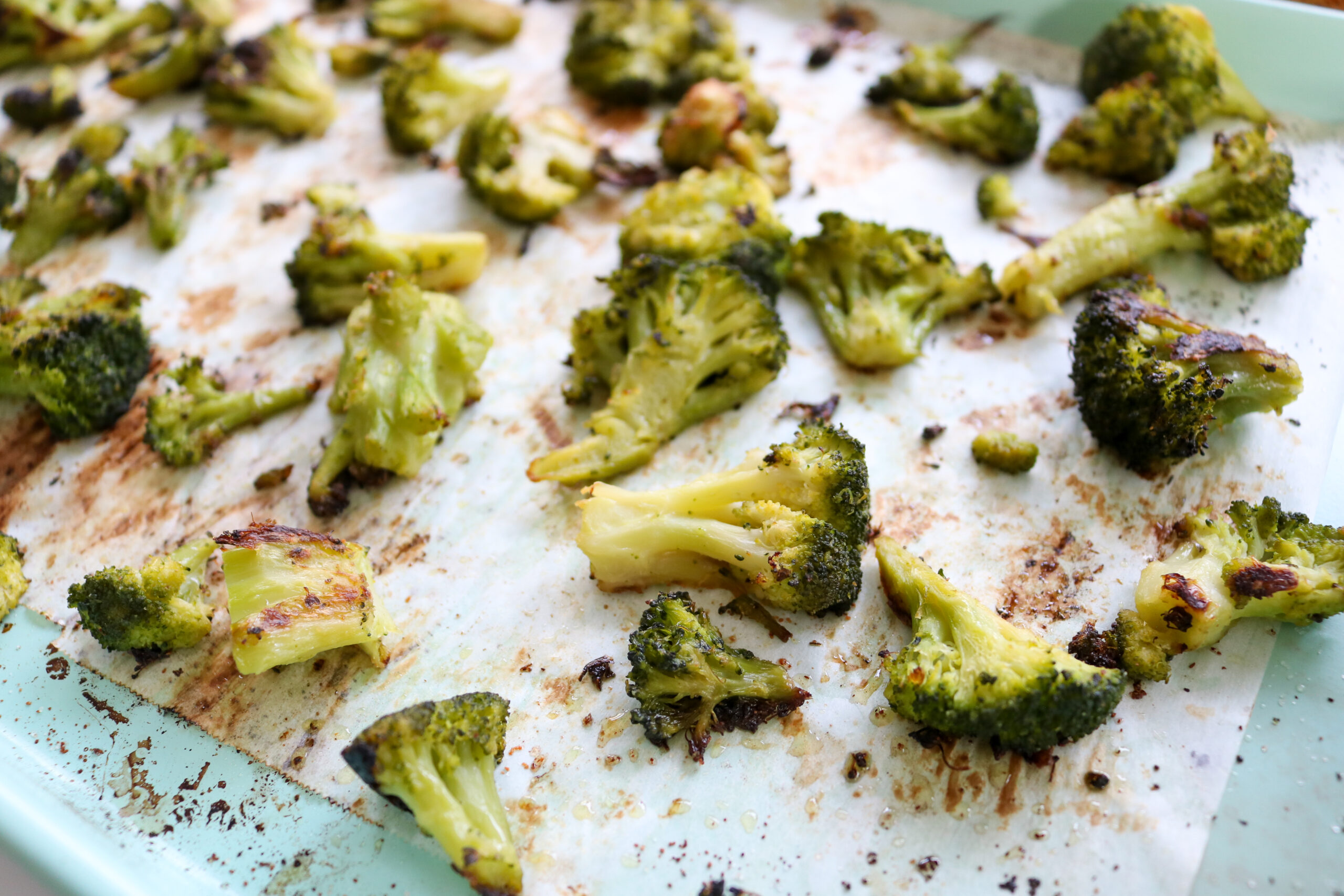
Sensory cue: you are done when you hear a gentle sizzle when you shake the pan, and the vegetables have dry-looking, browned edges. If they still look wet and pale, they are still steaming.
Extra crisp option
If you want the crispiest edges possible (especially for broccoli, cauliflower, Brussels sprouts, and green beans), use this more aggressive approach.
- Heat: 475°F
- Pan: preheated sheet pan, no silicone mat (it insulates and slows browning)
- Load: max 12 to 16 ounces vegetables per half-sheet pan
- Oil: 2 tablespoons per pound, added after the first 8 to 10 minutes
- Finish: 1 to 3 minutes under the broiler, watching closely
Broiler safety note: Do not broil with parchment paper on the pan. Frozen vegetables can go from browned to scorched quickly once the water is gone, so stay in the kitchen for this part.
Ice and steam rules
Do not crowd the pan
Steam is your enemy for crisping. If vegetables overlap, they trap steam and soften. Use two pans if you are cooking more than about 1 pound.
Roast uncovered
Covering with foil guarantees a steamed texture. You want moisture to escape.
Give them a no-touch window
That first 8 to 10 minutes without stirring is what lets surface water evaporate. If you stir right away, you keep re-wetting everything.
Oil at the right time
You can oil frozen vegetables right away, but I get better browning when I add oil after the first steam blast. It also uses less oil overall because it actually clings to the vegetables.
Which frozen vegetables crisp
Many frozen vegetables are blanched before freezing, which softens their cell structure. They can still brown, but the interior texture may stay tender. Here is what to expect.
Best for crisp edges
- Broccoli florets
- Cauliflower florets
- Brussels sprouts (especially halved)
- Green beans
- Okra (surprisingly great roasted)
- Mixed “roasting blends” with larger pieces
Will brown, but stays softer
- Carrots (especially coins or small dice)
- Bell peppers (they roast, but they are naturally soft)
- Zucchini or summer squash (high water, soft texture)
- Mushrooms (they release water; they can brown but not crisp)
Usually stays watery
- Spinach (best sautéed to drive off water)
- Kale (frozen tends to be limp; use fresh for crispy chips)
- Riced cauliflower (skillet works better)
- Peas (sweet and tender; they wrinkle, not crisp)
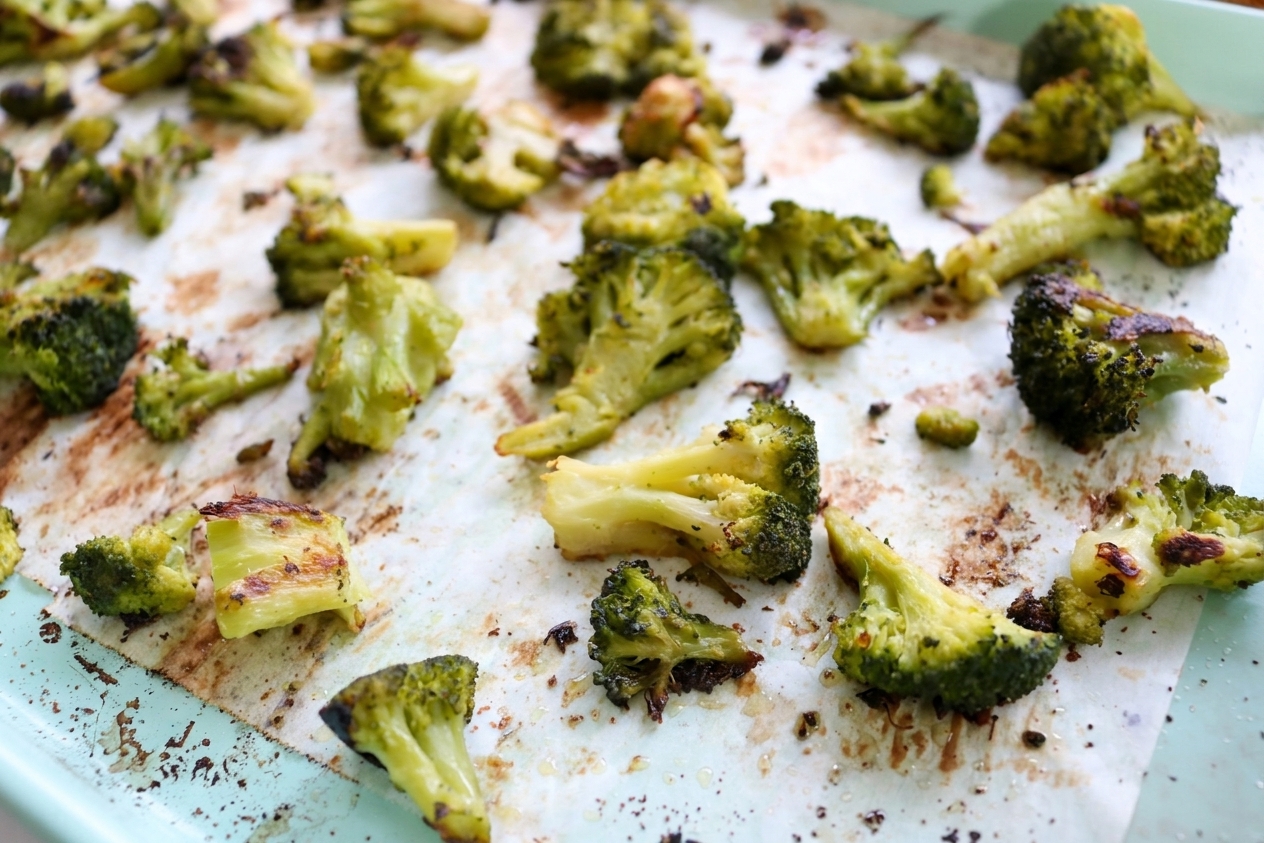
Seasoning that works
Frozen vegetables can taste a little flat if you only salt them. Think in three layers: salt, fat, acid.
- Salt: season after the first roast so it does not dissolve into lots of meltwater. For thicker vegetables, a small pinch early is fine, but save most of the salt for after that first steam phase.
- Fat: enough oil to lightly coat. Oil carries flavor and helps browning.
- Acid at the end: lemon juice, lime, red wine vinegar, rice vinegar, or a spoonful of pesto thinned with lemon.
Easy flavor combos
- Lemon + Parmesan: great on broccoli and green beans.
- Smoked paprika + garlic powder: great on cauliflower and mixed veg.
- Soy sauce + sesame oil (after roasting): great on stir-fry blends.
- Taco vibe: cumin + chili powder, then finish with lime.
About sauces and glazes
If you want teriyaki, balsamic glaze, honey, or anything with sugar, add it at the end or in the last 3 to 5 minutes. Put it on too early and the pan turns into a little braise instead of a roast.
Common problems and fixes
My vegetables are watery
- Use two pans and spread out more.
- Roast 5 to 10 minutes longer before adding oil.
- Increase oven temp to 475°F.
They are browning, but still soft inside
- This is often the vegetable, not you. Peppers, zucchini, and mushrooms naturally stay soft.
- Try a different cut style next time (for example, smaller pieces roast through more evenly).
They taste bland
- Salt a little more than you think you need, then finish with lemon or vinegar.
- Add a bold finishing ingredient: grated cheese, toasted nuts, chili crisp, or a quick yogurt sauce.
They are sticking to the pan
- Use parchment paper for roasting (but not under the broiler), or add oil after the first roast and toss thoroughly.
- Do not try to flip too early. Once browned, they release more easily.
My weeknight baseline meal
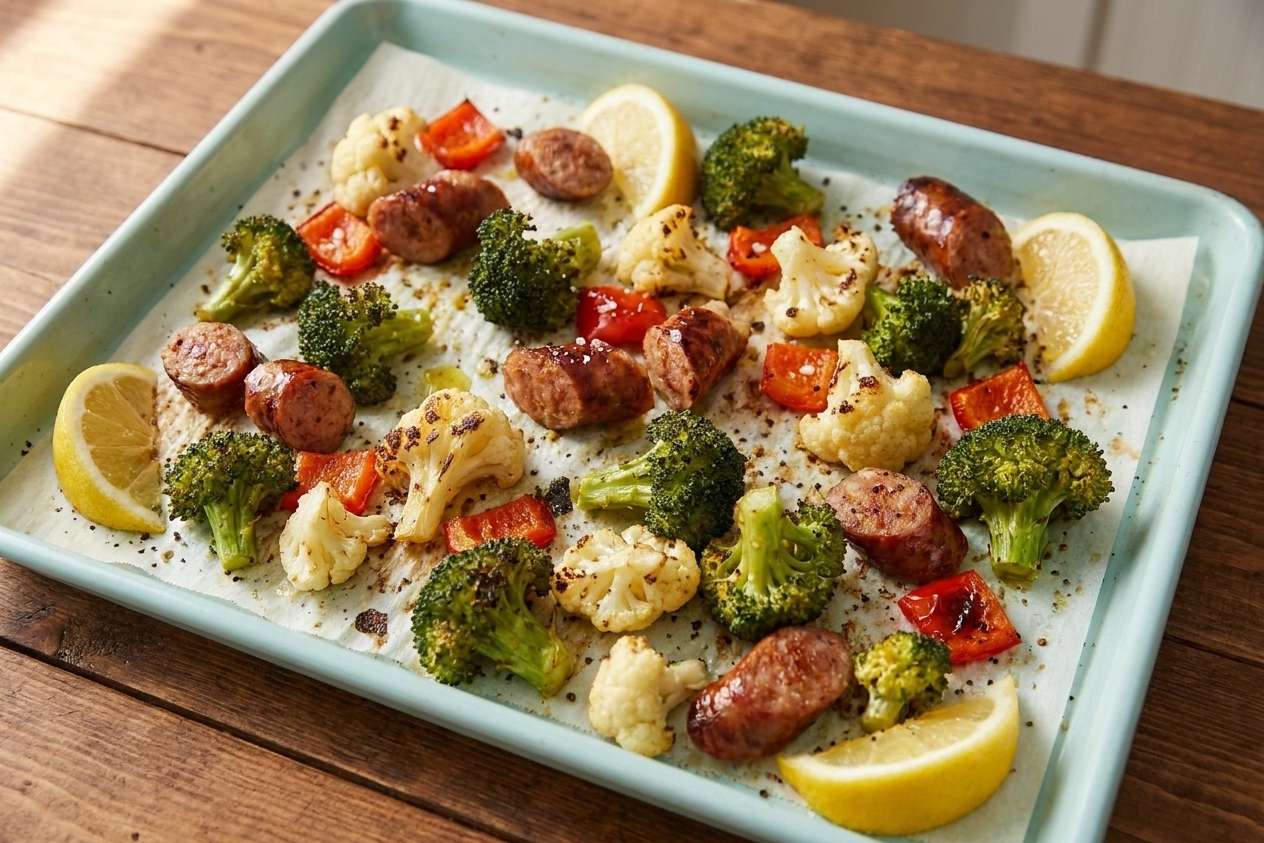
If you want to turn roasted frozen vegetables into an actual meal, here is a simple formula I teach all the time.
- Roast 1 pound frozen vegetables using the method above.
- On a second pan (or after the veg are halfway done), roast sausages, chicken thighs, or a block of pressed tofu.
- Finish everything with lemon and serve over rice, couscous, or salad greens.
FAQ
Can I roast frozen vegetables at 400°F?
You can, but expect softer results. At 400°F, you spend more time evaporating water. If that is what your oven is set to for something else, keep the pan less crowded and plan on a longer roast. Start checking early and adjust as you go.
Should I rinse frozen vegetables?
No. Rinsing adds water and encourages steaming. If there is heavy frost, shake it off in a colander instead.
Can I use a convection setting?
Yes, convection helps. If your oven runs strong, you can drop the temp by about 25°F to prevent scorching, but keep the pan spacing rules the same.
What is the best pan for roasting frozen vegetables?
A heavy rimmed sheet pan is ideal. Thin pans warp and hot spots can burn small pieces before the rest browns.