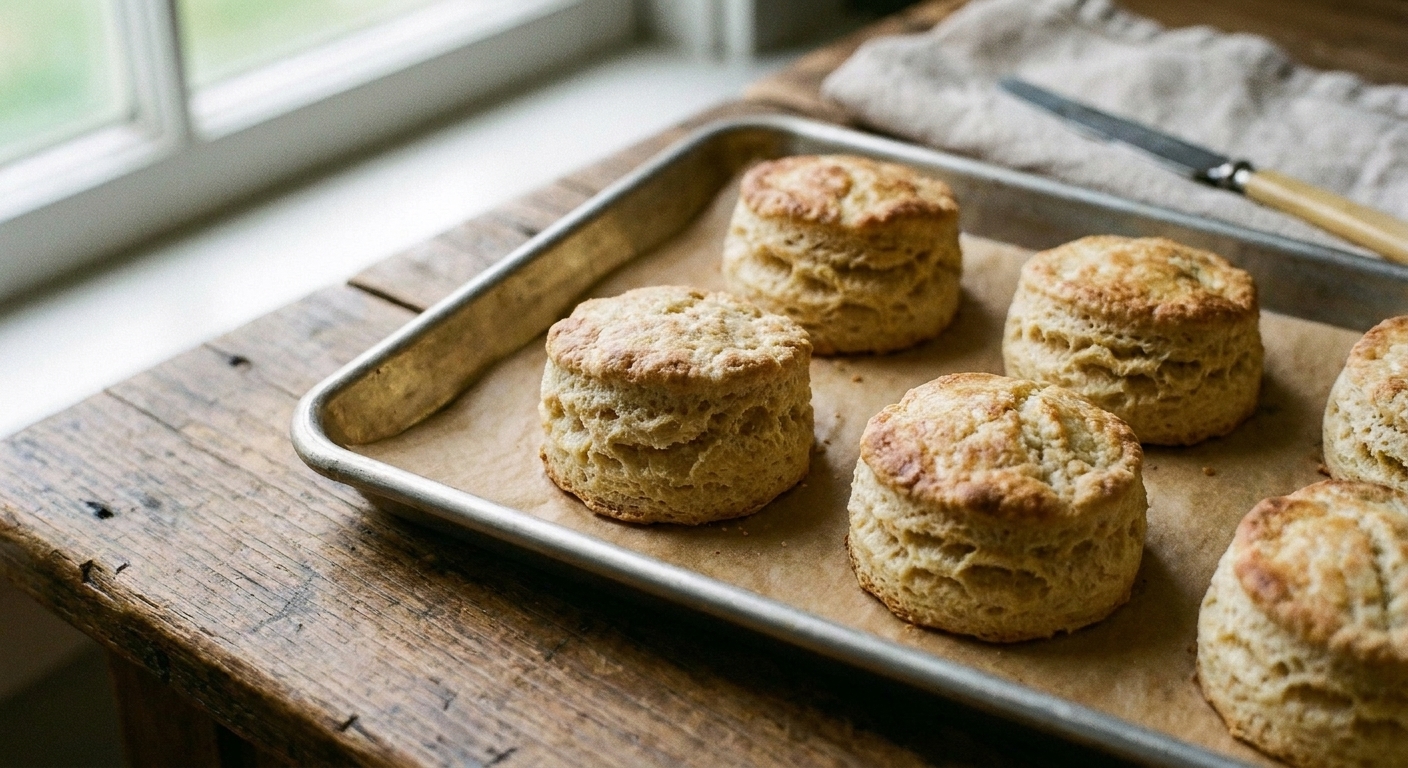

If you keep a sourdough starter, you probably know the moment. You go to feed it, you scrape out the “discard,” and you stare at it like, there has to be something better than throwing you away. These sourdough discard biscuits are my favorite answer: quick, deeply cozy, and just tangy enough to taste intentional.

They bake up tall and tender with crisp edges thanks to three things that feel a little restaurant-y but are completely doable on a weeknight: very cold butter, a short fold to build layers, and a properly hot oven. The discard brings flavor and a little extra tenderness, but you do not need it to be active or bubbly. Unfed is perfect.
How much discard can the dough take?
This recipe is flexible on purpose because starters vary. Most sourdough discard is close to 100% hydration, meaning equal parts flour and water by weight. With that in mind, you can comfortably use 1/2 cup to 1 cup (120 g to 240 g) discard in a standard batch of biscuits.
- Use 1/2 cup (120 g) if your discard is very thin, very sour, or you want a milder tang.
- Use 3/4 cup (180 g) for a nice balanced sourdough flavor.
- Use 1 cup (240 g) if your discard is thick like Greek yogurt and you love a stronger tang. If the dough feels sticky, dust lightly with flour during folding.
The key is to hold back some of the added liquid and go by feel. Biscuit dough should look shaggy at first, then come together with gentle presses. It should feel cool and slightly tacky but not wet.
Dairy-free liquid option
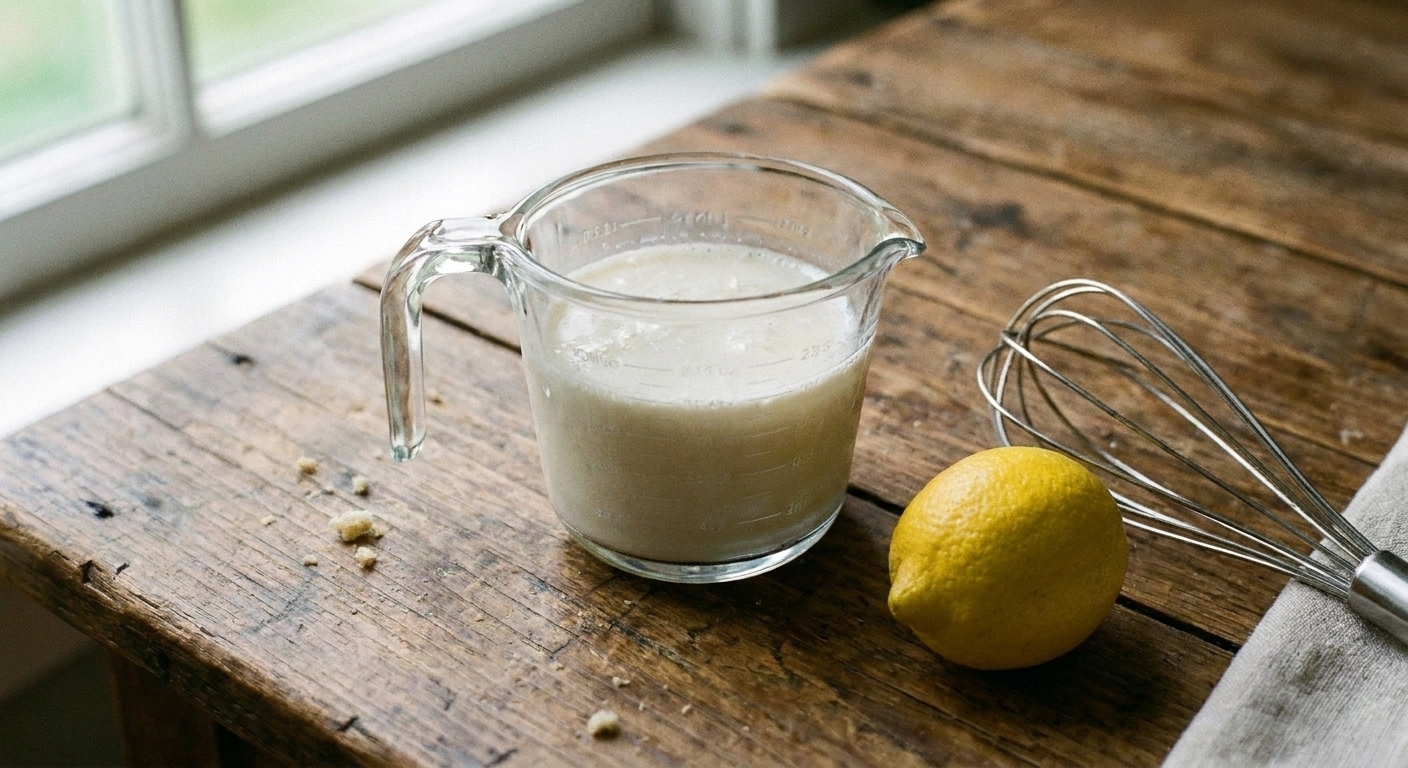
If you cannot do dairy, you can still get flaky biscuits. Use unsweetened, unflavored oat milk or unsweetened soy milk in place of buttermilk or milk. For the best lift and a similar tang, stir 1 tablespoon lemon juice or white vinegar into 1 cup plant milk and let it sit 5 minutes before using. It will look a little curdled. That is exactly what you want.
Beginner rhythm
If biscuits make you nervous, this is the part I want you to remember: keep it simple, keep it cold, and do not overwork the dough. You are looking for visible butter pieces and a dough that feels cool in your hands. If anything starts to feel warm or greasy, pause and chill the dough for a few minutes, then keep going.
Also, permission to embrace “shaggy.” Biscuit dough should look a little rough before it bakes up tall and gorgeous. Smooth dough usually means you mixed too much.
Why this recipe works
- Unfed discard adds flavor without extra planning. You get a gentle tang and complexity even though the starter is not active enough to be the main leavener.
- Cold butter creates layers. Butter pieces melt in the hot oven and release steam, separating the dough into flaky sheets.
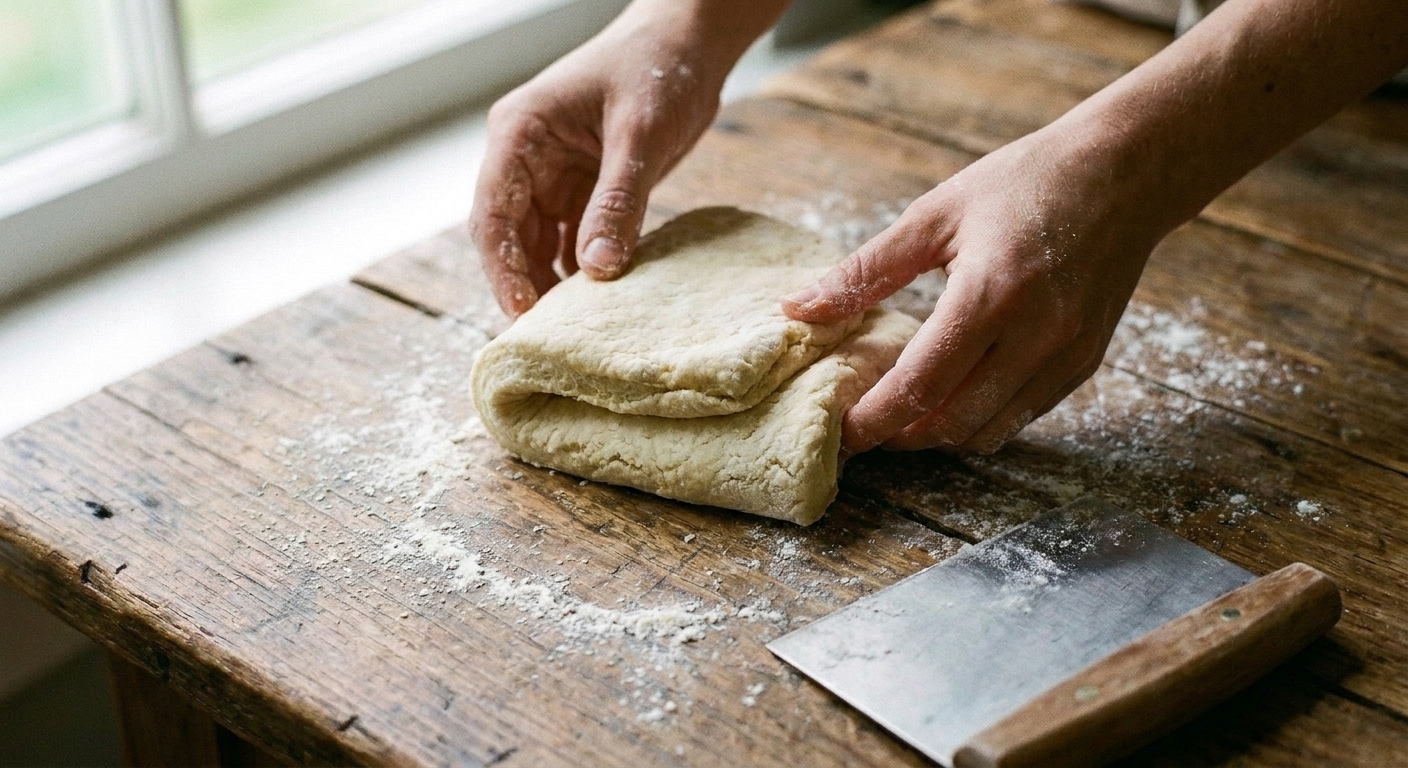
- A short fold boosts height. Two to three quick folds is enough to build structure without making the biscuits tough.
- High heat sets the lift fast. A properly hot oven gives you a strong initial rise, then browns the tops before the interior dries out.
- “Add liquid by feel” makes it reliable. Starters vary wildly in thickness, so the recipe is designed to flex with your jar.
Ingredient notes
Sourdough discard: Unfed and straight from the fridge is great. If it smells sharply vinegary, that is okay. If it smells unpleasantly rotten or moldy, toss it. Thickness matters more than age. Thick discard lets you use more without making the dough sticky.
Flour: All-purpose flour keeps the crumb tender. If you want a slightly sturdier biscuit for breakfast sandwiches, swap in up to 1 cup of bread flour, but do not knead.
Leaveners: These biscuits rely on baking powder for lift and a little baking soda to balance the acidity from discard or buttermilk. Make sure your baking powder is fresh. If it is older than about 6 months, test it with hot water to see if it fizzes vigorously.
Butter: Use cold unsalted butter, then add salt separately for control. If you only have salted butter, reduce added salt by 1/4 teaspoon.
Liquid: Buttermilk is classic, but milk works. If using milk and your discard is not very tangy, adding 1 teaspoon lemon juice can brighten the flavor. For dairy-free, use unsweetened oat or soy milk plus lemon juice or vinegar.
Equipment you will need
- Large mixing bowl
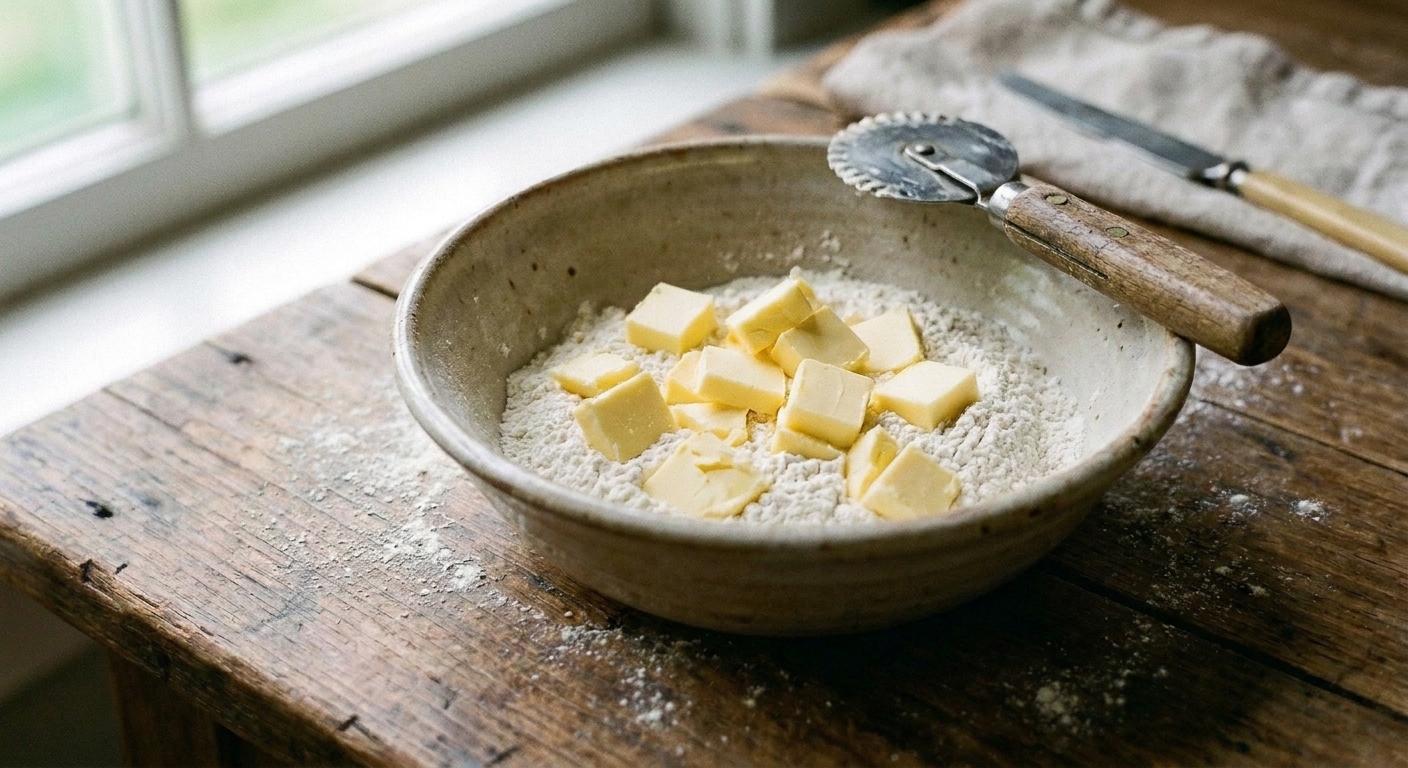
- Box grater or pastry cutter (either works)
- Measuring cups and spoons, or a kitchen scale (recommended)
- Bench scraper (helpful for folding, but optional)
- Rolling pin (optional, you can pat by hand)
- 2 1/2 to 3-inch biscuit cutter with sharp edges (or a sharp knife for square biscuits)
- Sheet pan and parchment paper
Pro tips
- Freeze the butter for 10 minutes. Especially if your kitchen runs warm, this one move makes the whole process calmer.
- Stop mixing when it looks wrong. Biscuit dough should look shaggy and a bit messy before it looks “smooth.” Smooth usually means overmixed.
- Press straight down when cutting. Twisting the cutter seals the edges and can limit rise.
- Crowd the pan for taller biscuits. Place biscuits just barely touching for more upward lift. Space them out for crispier sides.
- Use sensory cues, not perfection. You want visible butter bits and a dough that feels cool. If it feels warm or greasy, chill the dough 10 minutes before baking.
Substitutes that work
- No buttermilk: Use milk, or make a quick substitute by stirring 1 tablespoon lemon juice or white vinegar into 1 cup milk and resting 5 minutes.
- Dairy-free: Use unsweetened oat milk or soy milk plus lemon juice or vinegar. Use a plant-based butter for the fat.
- No biscuit cutter: Pat dough into a rectangle and cut into squares with a sharp knife. Zero waste and no re-rolling scraps.
- No unsalted butter: Use salted butter and reduce the added salt by 1/4 teaspoon.
- Whole wheat flour: Swap in up to 1 cup whole wheat flour. Add 1 to 2 tablespoons extra liquid if the dough seems dry.
Variations
- Cheddar and chive: Fold in 1 cup shredded sharp cheddar and 2 tablespoons chopped chives with the butter.
- Everything bagel: Brush tops with a little milk or plant milk and sprinkle with everything seasoning before baking.
- Sweet breakfast biscuits: Add 2 tablespoons sugar to the dry ingredients and finish with a sprinkle of sugar right after baking.
- Black pepper and thyme: Add 1 teaspoon coarsely ground black pepper and 1 teaspoon fresh thyme leaves to the dry mix.
Serving ideas
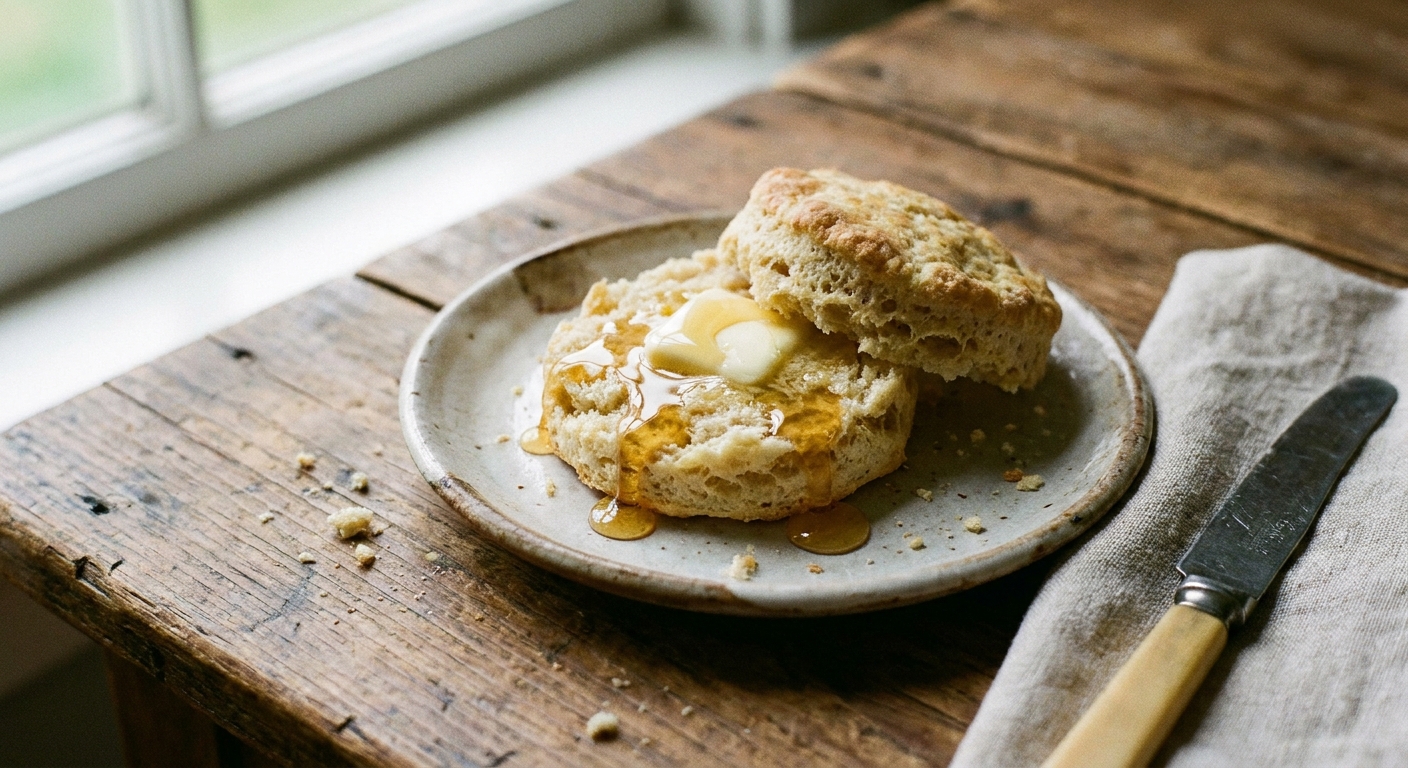
- Split and slather with salted butter and honey.
- Serve with tomato soup, chili, or any cozy stew that begs for something to dunk.
- Make a breakfast sandwich with eggs and sharp cheddar.
- Turn leftovers into biscuit croutons: cube, toast at 350°F until crisp, and toss onto salads.
Storage and reheating
Room temperature: Store cooled biscuits in an airtight container for up to 2 days. Reheat in a 350°F oven for 6 to 8 minutes to refresh the edges.
Freeze baked biscuits: Cool completely, then freeze in a sealed bag up to 2 months. Reheat from frozen at 350°F for 12 to 15 minutes.
Freeze unbaked biscuits: Cut and place on a sheet pan to freeze solid, then transfer to a bag. Bake from frozen, adding 3 to 5 minutes to the bake time.
Common mistakes
- Using warm butter: If the butter smears into the flour, you lose flake. Chill the butter and, if needed, the mixed dough.
- Overmixing: Biscuit dough is not bread dough. Mix just until it holds together when pressed.
- Adding all the liquid at once: Discard thickness varies. Hold back, then add a splash at a time.
- Twisting the cutter: Press down and lift straight up for maximum rise.
- Re-rolling scraps too many times: The first cut bakes the tallest. If you re-roll, do it once and expect slightly less height.
FAQ
Do I need active starter for biscuits?
No. This recipe is designed for unfed discard. Baking powder does the heavy lifting.
Why are my biscuits not fluffy?
The most common reasons are warm butter, overmixing, or a not-hot-enough oven. Next time, chill the dough for 10 minutes before baking and make sure your oven is fully preheated.
My discard is very runny. Can I still use it?
Yes. Use the lower end of the discard range and hold back liquid. If the dough turns sticky, dust the counter lightly during folding.
Can I make these ahead?
Yes. Cut the biscuits, freeze unbaked, then bake from frozen. It is the easiest way to get fresh biscuits on a busy morning.
Can I use a cast iron skillet?
Absolutely. Preheat the skillet in the oven while it heats, then carefully add the biscuits. This boosts browning on the bottoms.
Sourdough Discard Biscuits
Flaky, tender biscuits made with unfed sourdough discard for a gentle tang. Cold butter, a quick fold, and a hot oven make them rise tall fast, no special techniques required.
- Prep
- 20 minutes
- Cook
- 15 minutes
- Total
- 35 minutes
- Yield
- 8 biscuits
Ingredients
- 2 cups (250 g) all-purpose flour, plus more for dusting
- 1 tablespoon baking powder
- 1/2 teaspoon baking soda
- 1 teaspoon fine sea salt
- 1 tablespoon sugar (optional, for balance)
- 1/2 cup (113 g) unsalted butter, very cold (grated or cut into small cubes)
- 1/2 to 1 cup (120 to 240 g) unfed sourdough discard, thick preferred
- 3/4 cup (180 g) cold buttermilk, plus more as needed (or cold milk)
- 1 tablespoon lemon juice or white vinegar (only if using milk or plant milk to mimic buttermilk)
- 2 tablespoons melted butter or a splash of milk, for brushing tops (optional)
Instructions
- Preheat and chill. Heat oven to 450°F (232°C). Line a sheet pan with parchment. Put the butter in the freezer while you measure everything else, 10 minutes is ideal.
- Mix the dry ingredients. In a large bowl, whisk together flour, baking powder, baking soda, salt, and sugar (if using).
- Cut in the butter. Add cold butter to the bowl. Use a pastry cutter or your fingertips to work it in until you have a mix of pea-size pieces and some flatter shards. You want visible butter bits throughout.
- Add discard. Add sourdough discard and toss with a fork to distribute it. The mixture will look clumpy and uneven, that is good.
- Add liquid gradually. Pour in about 1/2 cup of the cold buttermilk (or milk). Stir with a fork, then add more a splash at a time just until a shaggy dough forms and you can squeeze a handful and it holds together. Depending on how thick your discard is, you may not need all the liquid or you may need a couple extra tablespoons.
- Fold for layers. Turn the dough onto a lightly floured counter. Pat into a rough rectangle about 1 inch thick. Fold into thirds like a letter. Rotate 90 degrees, pat gently back into a rectangle, then fold again. Do 2 to 3 total folds, using just enough flour to prevent sticking.
- Pat and cut. Pat dough to about 3/4 inch thick. Cut straight down with a 2 1/2 to 3-inch cutter, without twisting. Place biscuits on the prepared pan with sides just touching for taller biscuits.
- Optional quick chill. If the dough feels warm or the butter looks a little soft, chill the pan of biscuits in the fridge for 5 to 10 minutes before baking.
- Bake. Bake 13 to 16 minutes, until biscuits are tall and deeply golden on top. The sides should look set and the bottoms should be browned.
- Finish and serve. Brush tops with melted butter (optional). Cool 5 minutes, then serve warm.
Notes
Discard range: You can use 1/2 cup to 1 cup (120 to 240 g) discard. Thicker discard lets you use more. If using 1 cup and the dough feels sticky, dust lightly with flour during folding.
Dairy-free option: Use 3/4 cup unsweetened oat milk or soy milk plus 1 tablespoon lemon juice or white vinegar. Let sit 5 minutes, then use as the liquid. Use plant-based butter for the fat.
Square biscuits for less waste: Pat dough into an 8-inch square (about 3/4 inch thick) and cut into 9 squares. Bake time is the same.